BC NEWS
Historic Rift: Alberta First Nations Chiefs Unanimously Declare Non-Confidence in UCP Government
Alberta First Nations Chiefs from Treaties 6, 7, and 8 unanimously pass a vote of non-confidence in Premier Danielle Smith’s UCP government over separatist concerns.

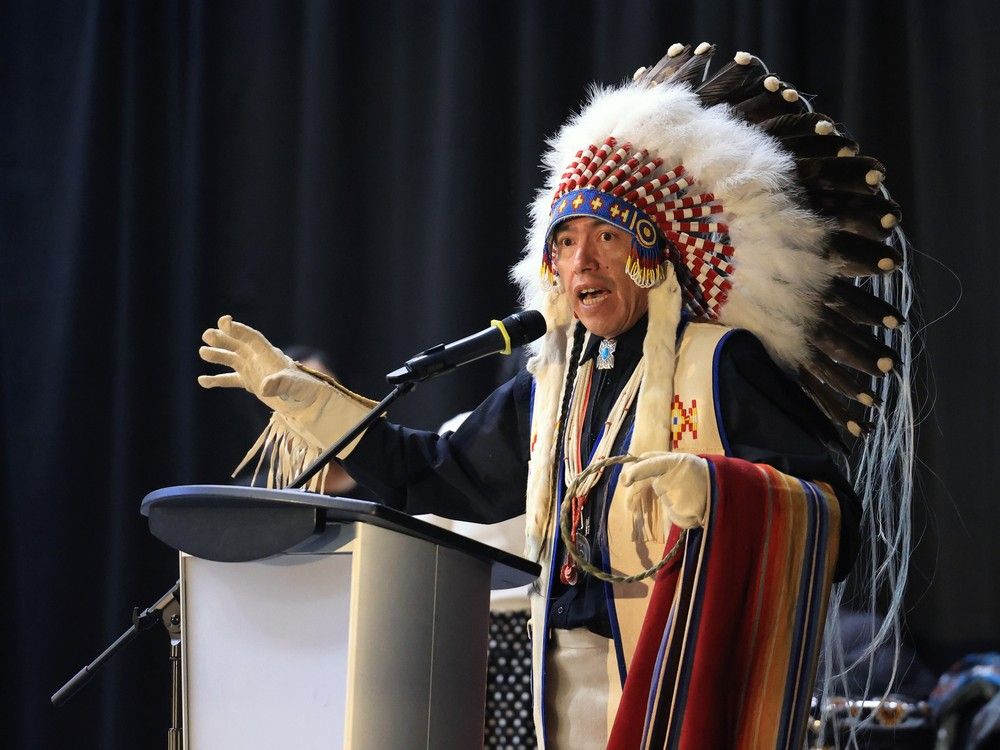
A Unanimous Rejection of Provincial Leadership
In an unprecedented and unified display of political dissent, First Nations chiefs from across Alberta have formally passed a vote of non-confidence in Premier Danielle Smith and her United Conservative Party (UCP) government. Representing Treaty 6, 7, and 8 nations, the leaders convened at the River Cree Resort in Enoch on Thursday under the banner of the Assembly of Treaty Chiefs (AOTC). The move marks a significant escalation in the ongoing tension between Indigenous leadership and the provincial administration, signaling a near-total breakdown in the working relationship between the two entities.
Concerns Over Separatist Rhetoric and Constitutional Integrity
The primary driver behind this historic vote is what the chiefs describe as a dangerous and unconstitutional push by the UCP toward Alberta separatism. Indigenous leaders emphasized that their treaties are sacred covenants made directly with the British Crown, not the provincial government. Any attempt to undermine Alberta’s place within the Canadian federation is viewed by the AOTC as a direct violation of those foundational agreements.
Tsuut’ina Nation Head Chief Ellery Starlight was particularly vocal during the proceedings, framing the UCP’s recent legislative and political maneuvers as an affront to the spiritual nature of the treaties. “All chiefs of Alberta have united at the AOTC gathering to take swift action against Premier Danielle Smith and her unconstitutional exercise to separate Alberta from the Crown,” Starlight said in a statement. He reminded the public and the government of the enduring nature of these pacts, famously described as lasting “as long as the sun shines, grass grows and the rivers flow.”
The Blackfoot Confederacy and the Defense of Treaty Rights
Echoing these sentiments, the Blackfoot Confederacy Chiefs issued their own stern warning against the provincial government’s rhetoric. The Confederacy, which includes the Siksika, Piikani, and Kainai Nations, made it clear that they would not support a government that flirts with the idea of separation. “Our treaties are with the Crown and are sacred. Our rights are non-negotiable,” the Confederacy stated. They expressed deep concern that the UCP’s focus on provincial autonomy ignores the legal and moral obligations the government has toward Indigenous peoples, potentially eroding the foundations of the treaty relationship that predates the province itself.
A Call to the Alberta Legislature
The AOTC’s declaration was not limited to a statement of dissatisfaction; it included a direct call to action for the members of the Alberta Legislative Assembly. The chiefs are urging UCP, NDP, and Independent MLAs to “officially and expeditiously” declare their own vote of non-confidence in the government. By doing so, the AOTC hopes to force a political reckoning regarding how the province engages with First Nations on matters of governance, land use, and constitutional law.
The assembly further criticized the UCP for a perceived “lack of critical understanding and respect” for treaty-based responsibilities. This criticism follows several years of friction regarding the Alberta Sovereignty within a United Canada Act, which many Indigenous leaders believe was drafted without proper consultation and threatens to override federal protections of Indigenous rights.
Implications for Alberta’s Political Landscape
While a vote of non-confidence from First Nations chiefs does not legally compel the Premier to resign or trigger an election, the political optics are severe. First Nations are major stakeholders in Alberta’s economy, particularly in the natural resources sector, where their consultation and consent are often legally required for large-scale projects. A formal declaration of “no trust” could lead to increased legal challenges, protests, and a refusal to participate in provincial initiatives.
As the UCP government continues its push for greater autonomy from Ottawa, this internal opposition from the Treaty Nations presents a formidable hurdle. Premier Danielle Smith’s office has yet to provide a comprehensive response to the AOTC’s vote, but the pressure to repair these fractured relationships is mounting. For the First Nations of Alberta, the message is clear: they will not stand by as a third party to a provincial government that they believe is acting outside the bounds of the Canadian Constitution and the sacred treaties that formed the nation.

BC NEWS
Highway 1 Reopens in Fraser Canyon Amid Ongoing Battle with Twin Out-of-Control Wildfires
Highway 1 in B.C.’s Fraser Canyon reopens as crews battle the massive Brunswick and Ainslie Creek wildfires. Travel restrictions apply as fires remain out of control.

Critical Transport Link Restored with Restrictions
Officials have officially reopened Highway 1 through British Columbia’s Fraser Canyon as of Saturday, restoring a vital transportation link that had been severed since July 7. The closure was necessitated by the rapid expansion of the Brunswick wildfire complex near Boston Bar, which posed a direct threat to motorists and infrastructure. While the road is open, DriveBC warns that travel is restricted to one lane in each direction with a strictly enforced speed limit of 60 km/h.
The Scale of the Brunswick Complex
The situation in the canyon remains precarious as two massive blazes continue to burn out of control. On the west side of the canyon, the Brunswick Creek wildfire has scorched approximately 28.36 square kilometres. Meanwhile, the Ainslie Creek wildfire on the east side has grown to a staggering 158.47 square kilometres. Both fires are currently burning in steep, mountainous alpine terrain, making ground access difficult for suppression teams.
Public Safety and Firefighting Operations
B.C. Wildfire Service (BCWS) officials are urging the public to exercise extreme caution. A strict “no stopping” policy is in effect throughout the wildfire zone to prevent rubbernecking. Fire information officer Julia Caranci noted that previous issues with motorists stopping to film the flames hindered emergency operations. “We really ask folks to please keep driving and do not stop or enter into any active wildfire areas,” Caranci told CBC News.
Strategic Attacks During Weather Window
Firefighters are currently taking advantage of a temporary reprieve in the weather, utilizing cloud cover and cooler temperatures to launch direct attacks. Crews are focused on the southeast corner of the Brunswick Creek fire above North Bend and Boston Bar, using bucket-equipped helicopters during the day and night. On the valley floor, ground crews are stationed to meet the fire as it backs down the slopes into workable terrain. However, with wind and heat forecasted to return early next week, the window for these operations is narrow. Currently, these human-caused blazes are among 18 active wildfires in the province.
BC NEWS
Tragedy off Roberts Bank: Rescue Victim Dies as Recovery Efforts for Six Missing Boaters Continue
A survivor of the Roberts Bank boat sinking has died in hospital. Six others remain missing as RCMP evaluate deep-sea recovery options for the sunken vessel.

Fatality Confirmed in BC Charter Boat Sinking
The Richmond RCMP have confirmed a somber update regarding the maritime disaster near Roberts Bank. A 28-year-old Chinese woman residing in Seattle, who was one of four people pulled from the frigid waters on June 28, has succumbed to her injuries in the hospital. The remaining three survivors—individuals from Toronto, Richmond, and Redmond, Washington—have since been treated and released. However, the tragedy remains far from over as six other passengers remain missing and are presumed drowned.
Details of the Passengers and Crew
New information released by investigators reveals that the ten people aboard the ill-fated commercial charter vessel were all in their 20s and 30s. The group included eight charter guests, a 22-year-old operator from Richmond, and an assistant. The missing individuals represent a cross-section of the Pacific Northwest and beyond, including residents from West Vancouver, Toronto, and Washington state. Families of the victims have requested privacy during this harrowing time, and authorities have refrained from releasing specific names out of respect for their wishes.
Technical Challenges in Deep-Sea Recovery
The sunken vessel, a 2017 Kingfisher 3025 Destination named Big Coast, has been located by a remotely operated vehicle (ROV). The boat is currently resting on the seabed approximately 153 metres below the surface. At this extreme depth, recovery efforts are hindered by near-total darkness and high-pressure underwater conditions. While initial ROV scans of the surrounding seabed did not locate any victims outside the hull, police are currently unable to inspect the interior of the cabin.
Ongoing Investigation and Safety Reviews
The vessel was operated by Top Vancouver Fishing Charter Inc., and the investigation into the cause of the sinking has become a multi-agency effort. The Richmond RCMP are working alongside Transport Canada, the Transportation Safety Board (TSB), WorkSafeBC, and the B.C. Coroners Service to determine what led to the vessel’s rapid descent. Specialized marine equipment and technical expertise are being sourced to evaluate the feasibility of a recovery operation. Authorities are urging anyone who has previously sailed on the Big Coast or with the charter company to come forward with information that might assist the probe.
BC NEWS
National Roundup: Alberta Proposes New B.C. Pipeline Amid Tribal Tensions and Stampede Kickoff
Alberta proposes a new B.C. pipeline as the Calgary Stampede kicks off. Plus, high airfares fail to deter travelers and U.S. tech dominates Canada’s cloud.

Alberta Pushes New Pipeline Project to Pacific Coast
Alberta Premier Danielle Smith has formally submitted a proposal for a new bitumen pipeline to the British Columbia coast, signaling a potential shift in Canada’s energy landscape. The announcement, made alongside Prime Minister Mark Carney in Calgary, outlines a route that closely parallels the existing Trans Mountain path. While Smith emphasized that the project would generate billions in revenue and provide ‘transformational wealth’ for partnering Indigenous communities, the proposal arrives during a period of high friction. Relations between the Alberta government and several First Nations have been strained for over a year due to disputes regarding the duty to consult on constitutional matters and legal battles over provincial sovereignty.
The Calgary Stampede Begins with Olympic Flair
The city of Calgary has officially transitioned into festival mode with the launch of the world-famous Calgary Stampede. Leading this year’s parade are Olympic medalists Mikael Kingsbury and Courtney Sarault, who served as parade marshals for the downtown procession. Despite the early morning start, thousands of residents and tourists lined the streets to celebrate the region’s western heritage. The 10-day event remains a cornerstone of Alberta’s cultural and tourism economy, drawing international attention even as the province navigates complex political and industrial debates.
Economic Resilience: Travel Demand and Tech Dominance
Despite domestic airfares sitting 11 per cent higher than last year, Canadian travelers are showing remarkable resilience. Major carriers like Air Canada report that demand for summer flights remains in the ‘green,’ even as fuel costs fluctuate and international conflicts shift travel patterns. Meanwhile, a new report from the Canadian Anti-Monopoly Project reveals that U.S. tech giants Amazon, Microsoft, and Google currently control 85 per cent of Canada’s cloud infrastructure. This data arrives just as the federal government prepares to launch a national AI strategy focused on ‘sovereign compute infrastructure’ to ensure Canadian data and innovation remain under domestic governance.
Sports: Switzerland Advances at BC Place
On the pitch, Switzerland secured a 2-0 victory over Algeria at BC Place, keeping their World Cup aspirations alive while eliminating the North African side. The win ensures the Swiss team will remain in Vancouver for their third consecutive match next Tuesday. The tournament has drawn significant local support, highlighting the city’s role as a key host in the international soccer landscape.
Investigation Underway Following Fatality at Historic Okanagan Lake Swim Event
RCMP Investigate String of Suspicious Fires in West Kelowna Neighborhood
Strategic Pivot: Canada Joins Global Sixth-Generation Stealth Fighter Program Amid U.S. Trade Tensions
Mayor Olivia Chow Targets Big Tech Pricing Tactics at Toronto Grocery Stores
Canada Offered to Double Oil Exports to U.S. in Failed Trade Negotiations, Hoekstra Reveals
Cross-Border Smoke Crisis: Canada Issues Alerts as U.S. Wildfire Pollution Drifts North
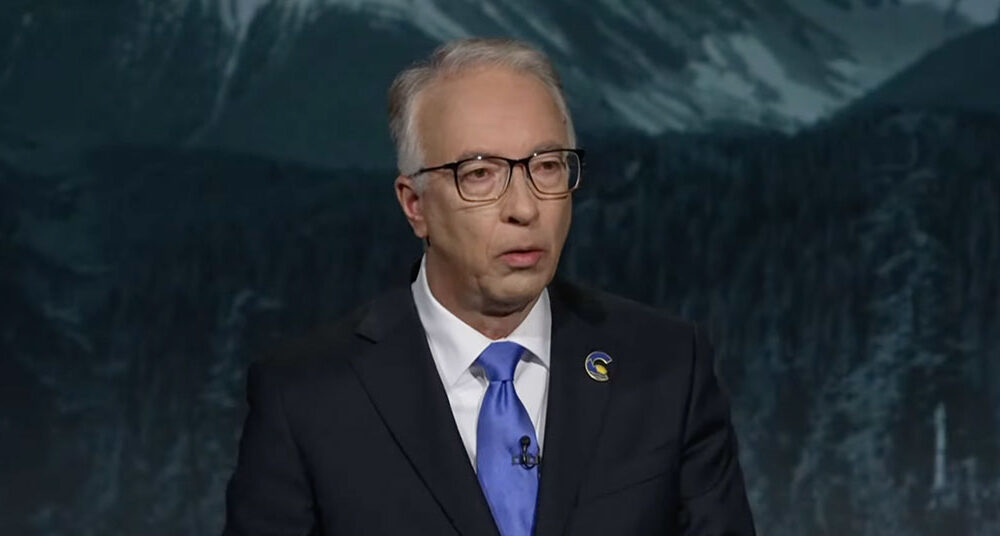
Opinion: John Rustad Has to Go
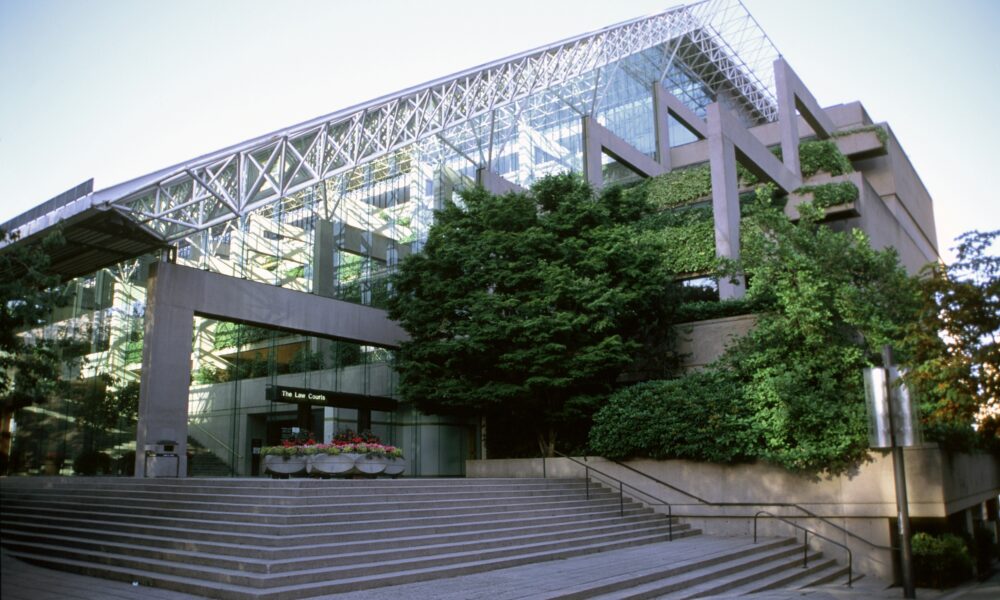
B.C. Supreme Court Grants Cowichan Tribes Title to Historic Richmond Lands and Fishing Rights

A Taste of Autumn: Fall Okanagan Wine Festival 2025

Vancouver Canucks Gear Up for a Make-or-Break 2025–26 Season

Kamloops Blazers Announce Off-Season Changes Ahead of 2025–26 Season
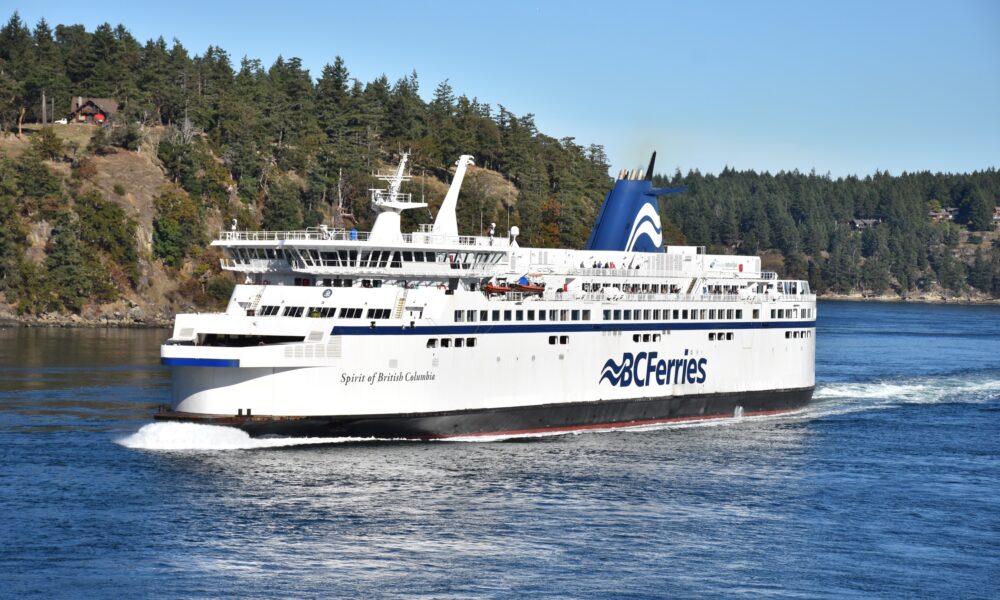
BC Ferries Sparks Outcry Over Contract with Chinese Shipyard
-
Economy7 days ago
Global Energy Markets Brace as Iran Threatens Trade Routes Amid US Military Strikes
-
Baseball7 days ago
AL Pitching Staff Crafts Historic Shutout in Dominant MLB All-Star Performance
-
Finance6 days ago
Bank of Canada Holds Rates Steady at 2.25% Amid Geopolitical Oil Volatility
-
Entertainment7 days ago
Sean ‘Diddy’ Combs Offloads Star Island Mansion for $55 Million Amid Legal Fallout
-
SPORTS7 days ago
End of the Yzerman Era: Red Wings GM Steps Down Amid Front Office Shakeup
-
Baseball4 days ago
AL Pitching Staff Crafts Historic Shutout in Dominant MLB All-Star Performance
-
SPORTS4 days ago
End of the Yzerman Era: Red Wings GM Steps Down Amid Front Office Shakeup
-
WORLD4 days ago
Sean ‘Diddy’ Combs Offloads Star Island Mansion for $55 Million Amid Legal Fallout