Finance
Bank of Canada Holds Rates Steady at 2.25% Amid Geopolitical Oil Volatility
The Bank of Canada holds its key interest rate at 2.25%, balancing economic recovery confidence against inflation risks from global energy market volatility.


Central Bank Maintains Status Quo Amid Economic Recovery
The Bank of Canada announced on Wednesday that it will maintain its benchmark interest rate at 2.25 per cent for the sixth consecutive time. The decision, which aligns with broad economist expectations, reflects a growing confidence within the central bank that the domestic economy is successfully navigating a series of recent headwinds, including a surprising contraction at the beginning of the year.
Navigating the Impact of Global Conflict
Bank of Canada Governor Tiff Macklem addressed the ongoing uncertainty stemming from the conflict in Iran, which has sent global energy prices soaring. While inflation reached 3.2 per cent in May primarily due to gasoline costs, the bank remains optimistic that these spikes have not yet broadly permeated the consumer basket. However, Macklem warned that the governing council remains vigilant. Should supply chain bottlenecks in the Strait of Hormuz persist or energy prices remain elevated, the bank is prepared to implement further rate hikes to prevent inflation from becoming entrenched.
Forecast for Growth and Resilience
Despite a sluggish start to 2026 marked by slowing population growth and trade tariffs, the bank’s updated monetary policy report projects a second-quarter growth rebound of 2.5 per cent. This recovery is expected to be driven by a stabilization in the housing market, consumer resilience, and a notable momentum in exports to the United States. Macklem noted that Canadian businesses are proving adaptable, reconfiguring supply chains to maintain operations despite global instability.
The Long Road to Two Per Cent Inflation
The central bank anticipates that the knock-on effects of Middle Eastern hostilities will continue to influence grocery and fuel prices through early 2027. While a weak Canadian dollar may drive up the cost of imported goods, economists from CIBC suggest that there is still significant slack in the economy. This output gap supports the current projection that rates will likely remain on hold for the remainder of 2026 as the bank strikes a delicate balance between supporting recovery and curbing persistent price pressures.





Economy
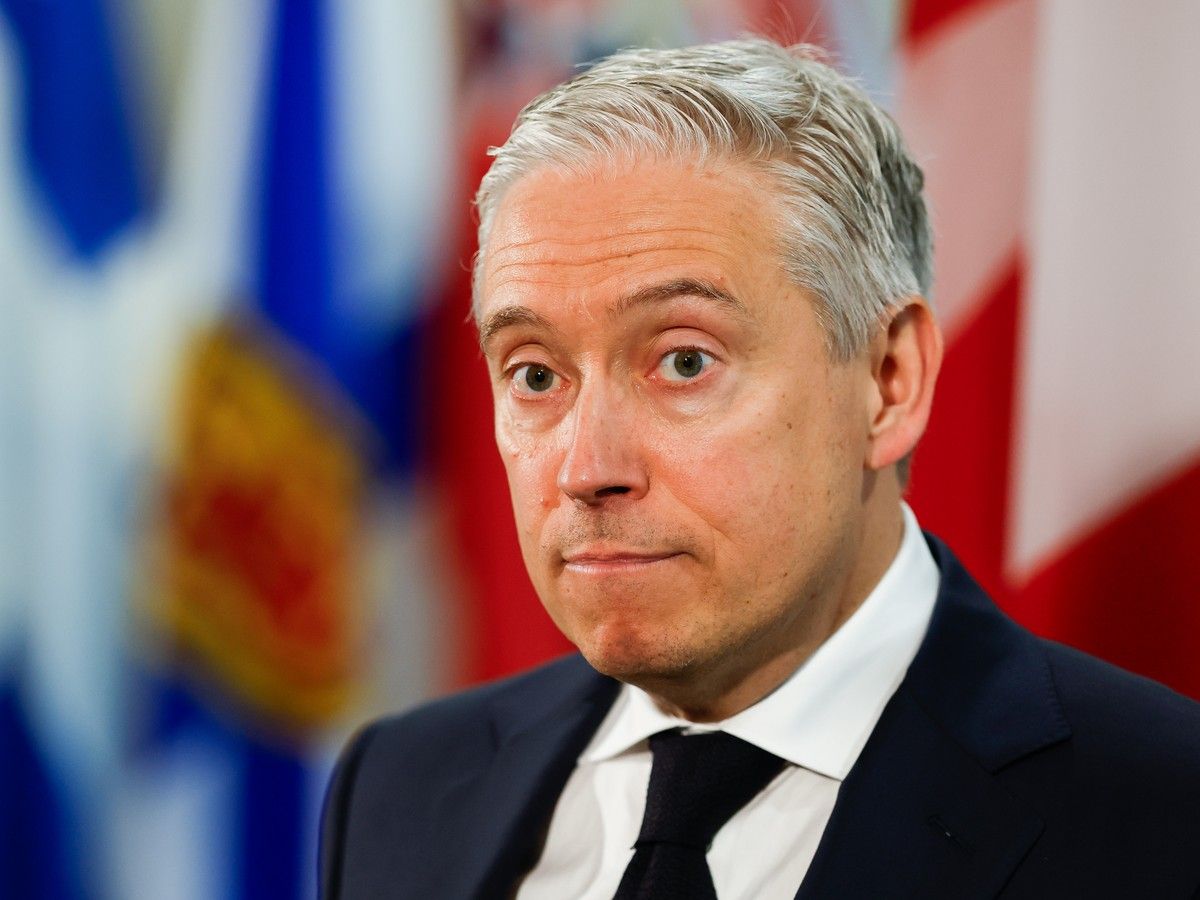
Ottawa Defends Deficit Spending as Bridge to Future Economic Growth
Finance Minister François-Philippe Champagne defends Canada’s deficit spending, citing G7 fiscal strength and future growth plans amid economist skepticism.
Fiscal Strategy vs. Growing Debt Concerns
The federal government is doubling down on its high-spending agenda, signaling that it will rely on projected economic growth to offset significant new expenditures. Speaking in Ottawa ahead of pre-budget consultations, Finance Minister François-Philippe Champagne defended the government’s fiscal trajectory, arguing that strategic investments are necessary to stimulate the national economy despite the reality of rising deficits.
Champagne emphasized that Canada maintains the strongest fiscal position among G7 nations, a metric the government frequently cites to justify increased borrowing. According to the Minister, the current spending focuses on areas that will eventually yield higher productivity and innovation, which he believes will stabilize the country’s debt-to-GDP ratio in the long term.
Skepticism Among Economic Experts
Despite the government’s optimism, many economists remain wary of the reliance on future growth to pay for today’s debts. Don Drummond, a former high-ranking official at the Department of Finance and former TD Bank chief economist, warned that the government may be resting its projections on overly optimistic forecasts. Drummond noted that the assumption of imminent growth mirrors the fiscal mistakes made between the mid-1970s and 1990s, which led to a prolonged period of economic vulnerability.
Critics also point to external threats, such as potential shifts in American trade policy and rising tariffs, which could stifle the growth Ottawa is counting on. While the government has proposed removing interprovincial trade barriers and leveraging defense procurement to spark innovation, analysts argue these measures are unlikely to provide the immediate financial relief needed to cover high-cost projects.
The Road to the Next Federal Budget
The official pre-budget consultation period is now underway, with the government inviting business leaders, think tanks, and the general public to submit their priorities. While the online portal remains open until September 8, the debate over Canada’s fiscal health is intensifying. As the government prepares its next financial roadmap, the central challenge remains balancing the desire for transformative public investment with the necessity of fiscal sustainability in an increasingly volatile global market.
Finance
NHL Free Agency Frenzy: Historic $104M Salary Cap Sparks Massive Bidding War for Veteran Stars
NHL free agency opens with a $104M salary cap, creating a massive payday for veterans Sergei Bobrovsky and John Carlson amidst a shallow talent pool.

A Seller’s Market Like No Other
The landscape of the National Hockey League is set to shift dramatically as free agency officially opens this Wednesday. In what is being described as a perfect storm for available players, the NHL salary cap has surged to an unprecedented $104 million. This massive influx of capital comes at a time when the talent pool is uncharacteristically thin, primarily because many of the top-tier stars originally slated for the 2026 unrestricted free agent class have already locked in long-term extensions with their current clubs.
With the system flooded with new money and a scarcity of elite options, the remaining free agents find themselves in an incredibly favorable position. Front offices, desperate to hit the salary floor or bolster their rosters for playoff runs, are expected to overpay for veteran leadership and proven production. This economic environment ensures that even as the league’s middle class shrinks, the top available targets will see a significant spike in their earning potential.
The Veteran Vanguard: Bobrovsky and Carlson
At the top of this year’s big board are two of the most respected names in the game: goaltender Sergei Bobrovsky and defenseman John Carlson. Despite entering their age-38 and age-36 seasons respectively, both players remain the crown jewels of the market. Bobrovsky’s recent performance and Carlson’s reliable blueline presence have made them high-priority targets for contenders. In a typical year, their age might suggest shorter, more modest contracts, but the $104 million cap ensures they will likely land pricey, multi-year deals that reflect their veteran status and the lack of high-end alternatives.
Positional Scarcity and the Hunt for Depth
Beyond the headliners, the market reveals a glaring lack of depth down the middle. Reliable centers are at a premium, with Boone Jenner and Scott Laughton among the few available players capable of playing top-nine minutes. This scarcity is expected to drive up the price for power forwards like Mason Marchment, who is coming off a breakout season, and established wingers like Anders Lee and Anthony Mantha. On the defensive end, Jacob Trouba remains a focal point for teams seeking physical presence and leadership. As the ‘big board’ continues to update, the league-wide scramble for talent highlights a shift where mid-level players are now commanding superstar-adjacent salaries.
Finance
Global Markets Rally as Historic U.S.-Iran Deal Set to Reopen Strait of Hormuz
Oil prices plunge as the U.S. and Iran reach a historic deal to reopen the Strait of Hormuz, ending a 100-day closure and signaling a shift in global energy.

A Watershed Moment for Global Energy Security
In a move that has sent shockwaves through global energy markets, oil prices plummeted in early Monday trading following the announcement of a landmark diplomatic breakthrough between the United States and Iran. The agreement aims to reopen the Strait of Hormuz, a critical maritime chokepoint that has remained closed for over 100 days, stifling global supply chains and driving volatility across the energy sector.
Crude Prices React to Geopolitical De-escalation
Following the news, Brent crude fell by 3.95% to $83.88 per barrel, while West Texas Intermediate (WTI) dropped 4.62% to sit at $80.96. The price correction comes after weeks of downward trending on the back of rumors regarding a potential deal, despite several military escalations in the region. Analysts suggest that the reopening of the Strait could restore a sense of normalcy to the market that has been absent since the conflict began three months ago.
The Details of the Swiss Accord
President Trump confirmed via social media that a deal had been reached, stating that “oil will flow” once the memorandum of understanding is formally signed in Switzerland this coming Friday. The deal, mediated by Pakistan and Qatar, reportedly includes a 60-day ceasefire, the suspension of specific sanctions on Iranian oil, and the release of $24 billion in frozen Iranian assets. Crucially, the agreement mandates that Iran will refrain from nuclear weapons production and allows for the immediate resumption of crude exports during the ceasefire period.
Fragile Peace Faces Immediate Hurdles
Despite the optimism, the diplomatic path remains treacherous. A recent Israeli air strike on southern Beirut nearly derailed the negotiations, prompting an immediate call for restraint from the White House. Furthermore, while the agreement signals a significant step toward peace, traders remain cautious. The physical reopening of the Strait requires the clearing of naval mines and the formal restoration of shipping insurance protocols. Until the first tankers pass safely through the waterway, the market will likely maintain a posture of guarded optimism.
Your Current 3 Day Forecast — September 20, 2026

Dylan Cease struggles as Toronto pitching strain worsens in loss to Rangers
How Canada’s Prime Minister Is Building Stronger Trans-Atlantic Ties Close to Home
Montreal’s High-Powered Offense Holds Off Late Hamilton Comeback in East Clash
What to Know Ahead of Alberta’s Oct. 19 Vote on a Separation Referendum
What to Know About the Alasko Frozen Raspberry Recall Following Illness Reports
Opinion: John Rustad Has to Go

B.C. Supreme Court Grants Cowichan Tribes Title to Historic Richmond Lands and Fishing Rights

A Taste of Autumn: Fall Okanagan Wine Festival 2025

Vancouver Canucks Gear Up for a Make-or-Break 2025–26 Season

Kamloops Blazers Announce Off-Season Changes Ahead of 2025–26 Season

BC Ferries Sparks Outcry Over Contract with Chinese Shipyard
-
NATIONAL STORIES6 days ago
Remembering George Chuvalo: The Canadian Heavyweight Legend Who Never Got Knocked Down
-

 NATIONAL STORIES6 days ago
AI’s Biggest Warning May Be Coming From the People Building It
-

 COMMUNITY6 days ago
Navigating Blended Family Wills and Estate Options
-
POLITICS7 days ago
What Trump’s Remarks Linking Canada to Iran Signal About International Negotiations
-

 SPORTS6 days ago
How Video Adjustments Fuelled the Vancouver Canucks’ 5-2 Prospects Victory Over Seattle
-

 BC STORIES6 days ago
Uncertain Eyewitness Testimony at Center of Final Arguments in 2021 Restaurant Shooting Trial
-
WORLD7 days ago
What Trump’s Remarks Linking Canada to Iran Signal About International Negotiations
-
LOCAL7 days ago
Stephen Johnston Mayor by Acclamation