BC NEWS
Historic Rift: Alberta First Nations Chiefs Unanimously Declare Non-Confidence in UCP Government
Alberta First Nations Chiefs from Treaties 6, 7, and 8 unanimously pass a vote of non-confidence in Premier Danielle Smith’s UCP government over separatist concerns.


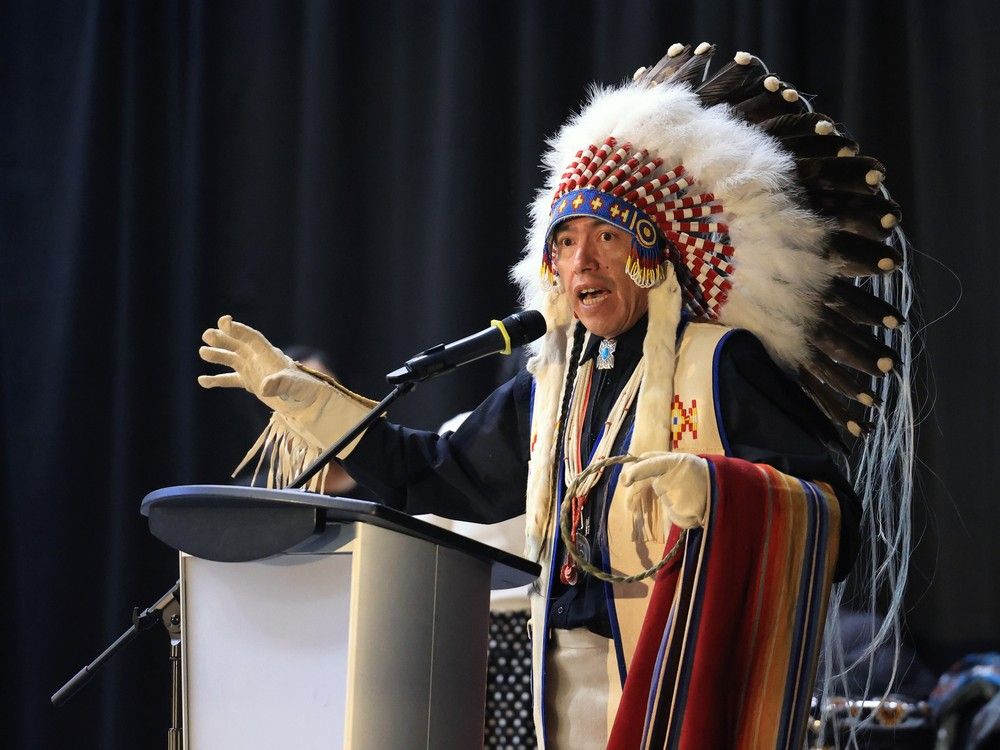
A Unanimous Rejection of Provincial Leadership
In an unprecedented and unified display of political dissent, First Nations chiefs from across Alberta have formally passed a vote of non-confidence in Premier Danielle Smith and her United Conservative Party (UCP) government. Representing Treaty 6, 7, and 8 nations, the leaders convened at the River Cree Resort in Enoch on Thursday under the banner of the Assembly of Treaty Chiefs (AOTC). The move marks a significant escalation in the ongoing tension between Indigenous leadership and the provincial administration, signaling a near-total breakdown in the working relationship between the two entities.
Concerns Over Separatist Rhetoric and Constitutional Integrity
The primary driver behind this historic vote is what the chiefs describe as a dangerous and unconstitutional push by the UCP toward Alberta separatism. Indigenous leaders emphasized that their treaties are sacred covenants made directly with the British Crown, not the provincial government. Any attempt to undermine Alberta’s place within the Canadian federation is viewed by the AOTC as a direct violation of those foundational agreements.
Tsuut’ina Nation Head Chief Ellery Starlight was particularly vocal during the proceedings, framing the UCP’s recent legislative and political maneuvers as an affront to the spiritual nature of the treaties. “All chiefs of Alberta have united at the AOTC gathering to take swift action against Premier Danielle Smith and her unconstitutional exercise to separate Alberta from the Crown,” Starlight said in a statement. He reminded the public and the government of the enduring nature of these pacts, famously described as lasting “as long as the sun shines, grass grows and the rivers flow.”
The Blackfoot Confederacy and the Defense of Treaty Rights
Echoing these sentiments, the Blackfoot Confederacy Chiefs issued their own stern warning against the provincial government’s rhetoric. The Confederacy, which includes the Siksika, Piikani, and Kainai Nations, made it clear that they would not support a government that flirts with the idea of separation. “Our treaties are with the Crown and are sacred. Our rights are non-negotiable,” the Confederacy stated. They expressed deep concern that the UCP’s focus on provincial autonomy ignores the legal and moral obligations the government has toward Indigenous peoples, potentially eroding the foundations of the treaty relationship that predates the province itself.
A Call to the Alberta Legislature
The AOTC’s declaration was not limited to a statement of dissatisfaction; it included a direct call to action for the members of the Alberta Legislative Assembly. The chiefs are urging UCP, NDP, and Independent MLAs to “officially and expeditiously” declare their own vote of non-confidence in the government. By doing so, the AOTC hopes to force a political reckoning regarding how the province engages with First Nations on matters of governance, land use, and constitutional law.
The assembly further criticized the UCP for a perceived “lack of critical understanding and respect” for treaty-based responsibilities. This criticism follows several years of friction regarding the Alberta Sovereignty within a United Canada Act, which many Indigenous leaders believe was drafted without proper consultation and threatens to override federal protections of Indigenous rights.
Implications for Alberta’s Political Landscape
While a vote of non-confidence from First Nations chiefs does not legally compel the Premier to resign or trigger an election, the political optics are severe. First Nations are major stakeholders in Alberta’s economy, particularly in the natural resources sector, where their consultation and consent are often legally required for large-scale projects. A formal declaration of “no trust” could lead to increased legal challenges, protests, and a refusal to participate in provincial initiatives.
As the UCP government continues its push for greater autonomy from Ottawa, this internal opposition from the Treaty Nations presents a formidable hurdle. Premier Danielle Smith’s office has yet to provide a comprehensive response to the AOTC’s vote, but the pressure to repair these fractured relationships is mounting. For the First Nations of Alberta, the message is clear: they will not stand by as a third party to a provincial government that they believe is acting outside the bounds of the Canadian Constitution and the sacred treaties that formed the nation.