General
From Alberta to Orbit: Canadian Astronaut Joshua Kutryk Prepares for Landmark ISS Mission
Canadian astronaut Joshua Kutryk prepares for a 6-month mission to the ISS starting Sept. 12, bringing Alberta pride and a historic heirloom into orbit.


A Lifelong Dream Realized
Joshua Kutryk, a test pilot and colonel from Fort Saskatchewan, Alberta, is preparing to embark on a journey that has been years in the making. Hired by the Canadian Space Agency (CSA) in 2017, Kutryk is scheduled to launch toward the International Space Station (ISS) on September 12. This mission marks a significant milestone for Canada’s space program, as Kutryk will spend six months aboard the orbiting laboratory, contributing to the nation’s growing legacy in extraterrestrial research.
The Logistics of Modern Spaceflight
The mission, slated for a late-summer departure from the Kennedy Space Center in Florida, will see Kutryk and three fellow crew members ascend via a SpaceX Falcon 9 rocket. This long-duration mission is focused on two primary pillars: the technical maintenance of the space station and the advancement of human knowledge through scientific experimentation. Kutryk describes the ISS as the most complex machine ever built by humanity, emphasizing that its microgravity environment allows for medical and health-related research that simply cannot be replicated on Earth.
Bridging History and the Future
While the mission is focused on the cutting edge of technology, Kutryk is carrying his heritage with him. Among his personal items is a family heirloom: a stopwatch dating back to the late 1800s. The artifact was brought to Canada by his ancestors when they immigrated from Ukraine to Alberta. For Kutryk, the watch represents more than just family history; it serves as a symbolic bridge between the struggles of the past and the technological triumphs of the future, highlighting the massive leap from 19th-century immigration to 21st-century space travel.
Inspiration for the Next Generation
Speaking from his training base in Houston, Kutryk expressed a deep sense of national pride and a desire to inspire young Canadians. He noted that his own path to the stars began with a childhood passion for aviation in rural Alberta. By encouraging youth to find their passions early and pursue them with hard work, Kutryk hopes his mission will demonstrate Canada’s continued leadership on the world stage and foster a sense of global unity through the shared goal of exploration.




Environment
B.C. Wildfire Service Braces for ‘Significant Weather Day’ as Heatwave Peaks
BC Wildfire Service prepares for a critical weather peak as heat warnings expand. New evacuations ordered near Boston Bar amid ‘out of control’ fire growth.

Rising Temperatures and Low Water Levels Challenge Firefighters
As a punishing heatwave spreads across British Columbia, incident commanders are sounding the alarm over a projected peak in temperatures that could trigger new wildfire starts. Hugh Murdoch, incident commander for the Bootleg Complex near Kimberley, confirmed that while fire growth has been minimal over recent days thanks to favorable conditions, crews are now bracing for a “significant weather day” this Thursday. The complex currently consists of seven active fires, including two classified as wildfires of note that have forced evacuation alerts for city residents.
Strategic Shifts Amidst Extreme Conditions
To combat the intensifying heat and drying forest fuels, the BC Wildfire Service is pivoting its strategy. Firefighters are currently developing an expansive water delivery system utilizing helicopters to ferry supplies to the front lines. This logistical shift is necessitated by historically low streamflows in the region, which have made traditional ground-based water sourcing increasingly difficult. This ridge of high pressure, as identified by Environment Canada, is not only driving up temperatures but also contributing to stagnant air and worsening visibility across the province.
Evacuations and Air Quality Warnings
The urgency of the situation was underscored on Tuesday south of Boston Bar, where a fast-moving blaze prompted immediate evacuation orders. Although many residents in the community—located approximately 200 kilometers northeast of Vancouver—had already been advised to leave due to nearby fires, the new blaze was described as out of control and spreading with such velocity that those remaining were placed in immediate danger. The Fraser Valley Regional District has since mandated that all residents exit the area without delay.
Provincial Outlook and Safety Risks
The BC Wildfire Service’s latest situational report warns that the combination of limited precipitation and high heat is rapidly reducing fuel moisture levels. This trend is expected to persist throughout the week, particularly in the northeastern and central regions where smoke density is projected to increase. Air quality advisories currently blanket much of B.C. as more than 80 wildfires continue to burn, prompting officials to urge the public to remain vigilant and prepared for rapid changes in fire behavior as the heat ridge moves across the province.
Finance
Bank of Canada Holds Rates Steady at 2.25% Amid Geopolitical Oil Volatility
The Bank of Canada holds its key interest rate at 2.25%, balancing economic recovery confidence against inflation risks from global energy market volatility.

Central Bank Maintains Status Quo Amid Economic Recovery
The Bank of Canada announced on Wednesday that it will maintain its benchmark interest rate at 2.25 per cent for the sixth consecutive time. The decision, which aligns with broad economist expectations, reflects a growing confidence within the central bank that the domestic economy is successfully navigating a series of recent headwinds, including a surprising contraction at the beginning of the year.
Navigating the Impact of Global Conflict
Bank of Canada Governor Tiff Macklem addressed the ongoing uncertainty stemming from the conflict in Iran, which has sent global energy prices soaring. While inflation reached 3.2 per cent in May primarily due to gasoline costs, the bank remains optimistic that these spikes have not yet broadly permeated the consumer basket. However, Macklem warned that the governing council remains vigilant. Should supply chain bottlenecks in the Strait of Hormuz persist or energy prices remain elevated, the bank is prepared to implement further rate hikes to prevent inflation from becoming entrenched.
Forecast for Growth and Resilience
Despite a sluggish start to 2026 marked by slowing population growth and trade tariffs, the bank’s updated monetary policy report projects a second-quarter growth rebound of 2.5 per cent. This recovery is expected to be driven by a stabilization in the housing market, consumer resilience, and a notable momentum in exports to the United States. Macklem noted that Canadian businesses are proving adaptable, reconfiguring supply chains to maintain operations despite global instability.
The Long Road to Two Per Cent Inflation
The central bank anticipates that the knock-on effects of Middle Eastern hostilities will continue to influence grocery and fuel prices through early 2027. While a weak Canadian dollar may drive up the cost of imported goods, economists from CIBC suggest that there is still significant slack in the economy. This output gap supports the current projection that rates will likely remain on hold for the remainder of 2026 as the bank strikes a delicate balance between supporting recovery and curbing persistent price pressures.
Astronomy
Celestial Spectacle: Rare ‘Blaze Star’ Explosion Predicted to Appear in the Night Sky
T Coronae Borealis is set for a rare nova explosion. Learn how to spot this ‘Blaze Star’ as it brightens to rival the North Star in a once-in-a-lifetime event.
A Once-in-a-Lifetime Cosmic Event
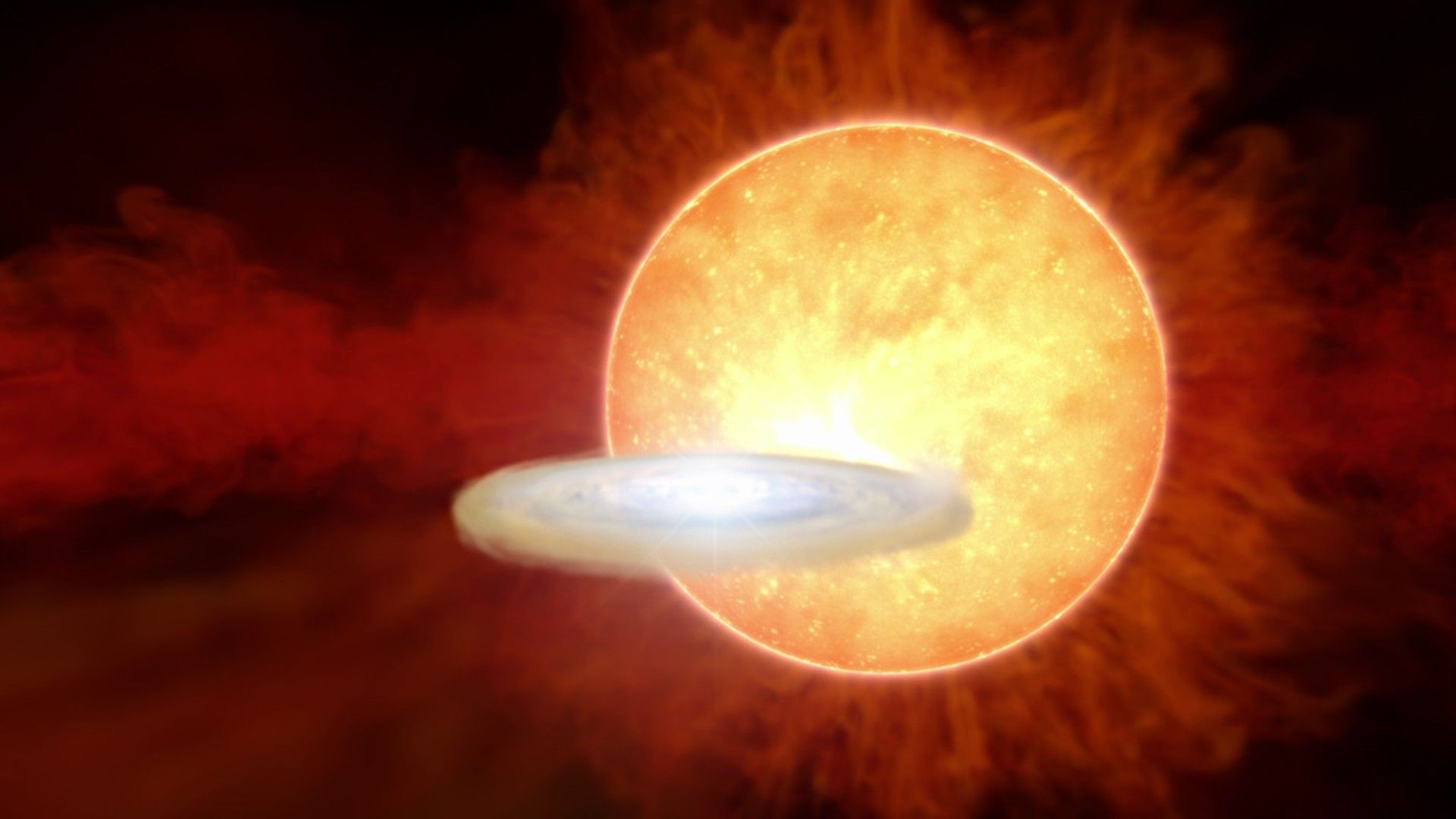
Astronomers and stargazers alike are on high alert for a rare celestial phenomenon: the sudden appearance of a ‘new’ star in the night sky. The star system T Coronae Borealis, commonly known as the ‘Blaze Star,’ is expected to undergo a cataclysmic thermonuclear eruption at any moment. This event, known as a recurring nova, occurs approximately once every 80 years, making it a once-in-a-lifetime viewing opportunity for most people on Earth.
The Science Behind the Blast
T Coronae Borealis (T CrB) is a binary system located 3,000 light-years away, consisting of a white dwarf and a red giant. In a ‘vampiric’ relationship, the white dwarf continuously strips hydrogen-rich material from its larger companion. Once this material reaches a critical mass on the white dwarf’s surface, it triggers a massive thermonuclear explosion. Unlike a supernova, which marks the death of a star, this nova leaves the white dwarf intact to begin the cycle of feeding and erupting all over again.
When and How to Watch
While the exact timing remains elusive, NASA scientists and astrophysicists believe the eruption is imminent. Historically, the system follows an 80-year cycle, with the last major event occurring in 1946. When the nova finally ignites, T CrB will jump from its usual invisible magnitude of +10 to a magnitude of +2. This surge will make it as bright as Polaris, the North Star, and easily visible to the naked eye even in areas with moderate light pollution.
Finding the Northern Crown
To witness this fleeting event, observers should look toward the constellation Corona Borealis, or the ‘Northern Crown.’ This small, semicircular cluster of stars sits between the constellations Hercules and Bootes. Once the eruption begins, the ‘Blaze Star’ will remain visible to the naked eye for less than a week before fading back into obscurity for another eight decades. Astronomers recommend using binoculars or a small telescope now to familiarize yourself with the region of the sky just one degree to the lower right of the star Epsilon Coronae Borealis.
Your Current 3 Day Forecast — September 20, 2026

Dylan Cease struggles as Toronto pitching strain worsens in loss to Rangers
How Canada’s Prime Minister Is Building Stronger Trans-Atlantic Ties Close to Home
Montreal’s High-Powered Offense Holds Off Late Hamilton Comeback in East Clash
What to Know Ahead of Alberta’s Oct. 19 Vote on a Separation Referendum
What to Know About the Alasko Frozen Raspberry Recall Following Illness Reports
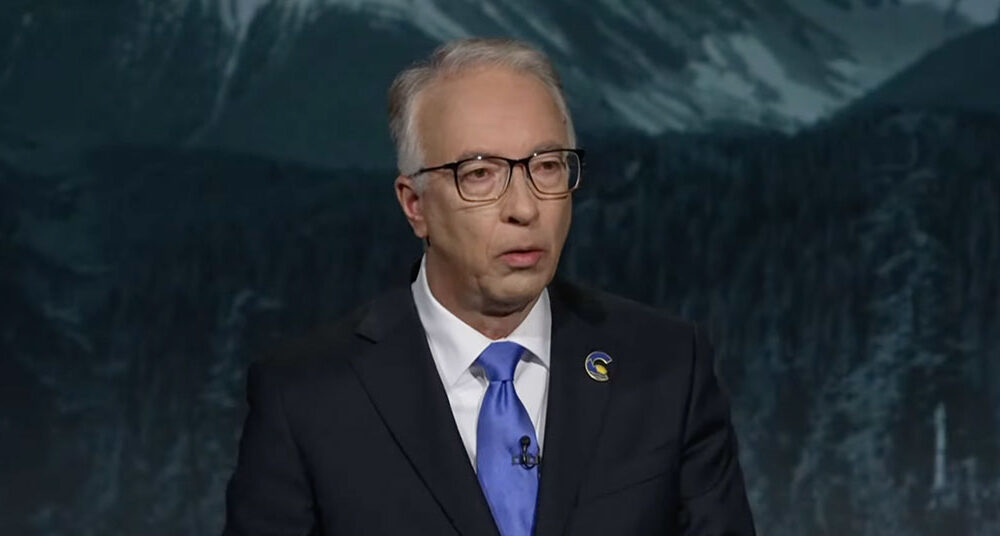
Opinion: John Rustad Has to Go
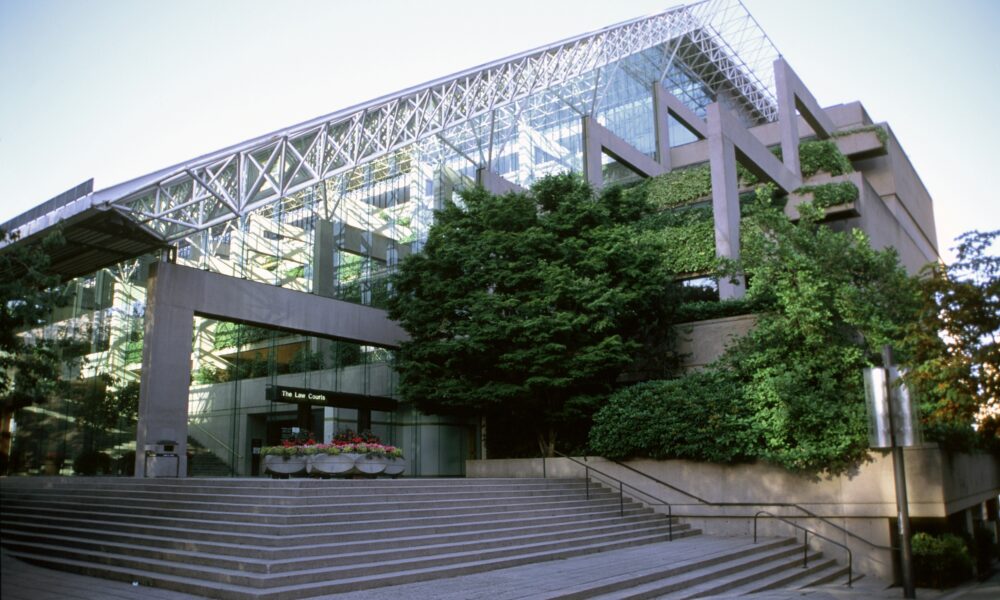
B.C. Supreme Court Grants Cowichan Tribes Title to Historic Richmond Lands and Fishing Rights

A Taste of Autumn: Fall Okanagan Wine Festival 2025

Vancouver Canucks Gear Up for a Make-or-Break 2025–26 Season

Kamloops Blazers Announce Off-Season Changes Ahead of 2025–26 Season
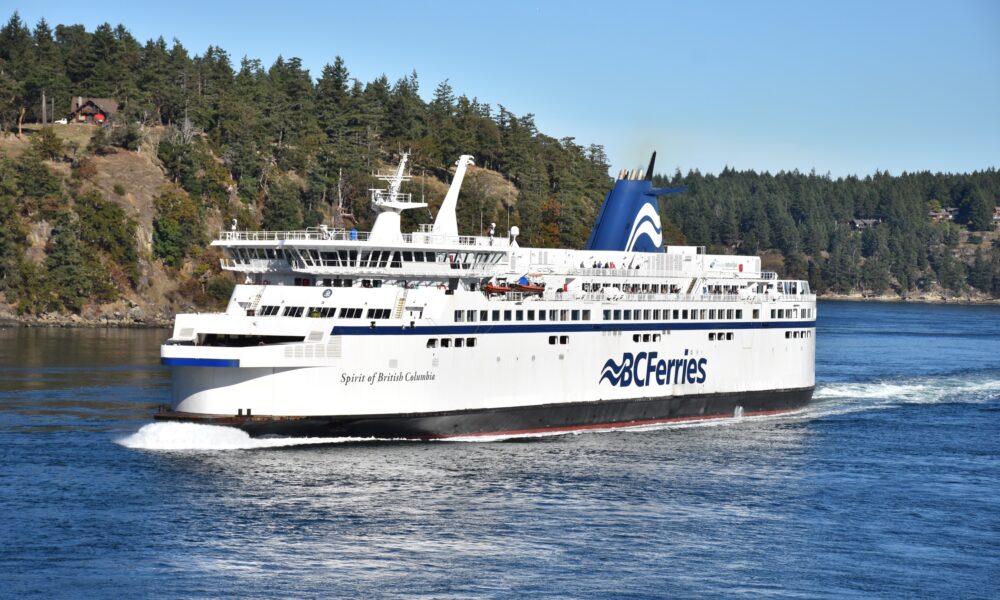
BC Ferries Sparks Outcry Over Contract with Chinese Shipyard
-
NATIONAL STORIES6 days ago
Remembering George Chuvalo: The Canadian Heavyweight Legend Who Never Got Knocked Down
-

 COMMUNITY6 days ago
Navigating Blended Family Wills and Estate Options
-

 NATIONAL STORIES6 days ago
AI’s Biggest Warning May Be Coming From the People Building It
-

 SPORTS6 days ago
How Video Adjustments Fuelled the Vancouver Canucks’ 5-2 Prospects Victory Over Seattle
-
POLITICS7 days ago
What Trump’s Remarks Linking Canada to Iran Signal About International Negotiations
-
WORLD7 days ago
What Trump’s Remarks Linking Canada to Iran Signal About International Negotiations
-
LOCAL7 days ago
Stephen Johnston Mayor by Acclamation
-

 BC STORIES6 days ago
Uncertain Eyewitness Testimony at Center of Final Arguments in 2021 Restaurant Shooting Trial