Economy
Direct From the PM: Carney Turns to YouTube to Navigate U.S. Trade Crisis
Prime Minister Mark Carney launches ‘Forward Guidance’ on YouTube to address the U.S. trade war, signaling a major shift in Canadian political communication.


The Rise of ‘Forward Guidance’ in Canadian Politics
Prime Minister Mark Carney is charting a new course for government communications, bypassing traditional media channels in favor of a direct-to-citizen approach on YouTube. Following a promise to provide regular updates on Canada’s ongoing trade war with the United States, Carney released a 10-minute video titled ‘Forward Guidance.’ The video, which has already garnered over 500,000 views, signals a shift toward long-form, explanatory content aimed at demystifying complex policy decisions for the average voter.
Playing to Strengths and Data
Digital strategists suggest that Carney is leveraging his background in central banking—where ‘forward guidance’ is a technical term for managing expectations—to connect with an audience that rewards depth over soundbites. Unlike the rapid-fire clips typical of Question Period, YouTube allows the Prime Minister to control the narrative without interruptions from journalists. Expert analysts note that the platform also provides the Prime Minister’s Office with granular data, showing exactly when viewers lose interest, allowing for highly optimized future messaging.
Historical Parallels and Modern Rivalries
The strategy draws comparisons to the ‘fireside chats’ of Franklin D. Roosevelt or the radio addresses of R.B. Bennett during the Great Depression. By speaking directly to the public during a national crisis, Carney seeks to establish a sense of transparency and leadership. However, the move has not escaped criticism. Conservative Leader Pierre Poilievre, himself a prolific digital content creator, dismissed the video as ‘showboating,’ specifically mocking Carney’s references to historical figures like Sir Isaac Brock.
A New Battlefield for Public Opinion
As the trade war continues to stress the Canadian economy, the digital arena is becoming the primary battlefield for political influence. While previous Prime Ministers like Stephen Harper and Justin Trudeau experimented with social media, Carney’s move toward high-production, long-form explainers suggests a more permanent shift in how the PMO intends to manage crises and engage with a public that increasingly consumes news through non-traditional platforms.

Economy
Global Energy Markets Brace as Iran Threatens Trade Routes Amid US Military Strikes
Iran threatens to block the Strait of Hormuz and other trade routes following fresh US military strikes, causing oil prices to surge amid rising tensions.
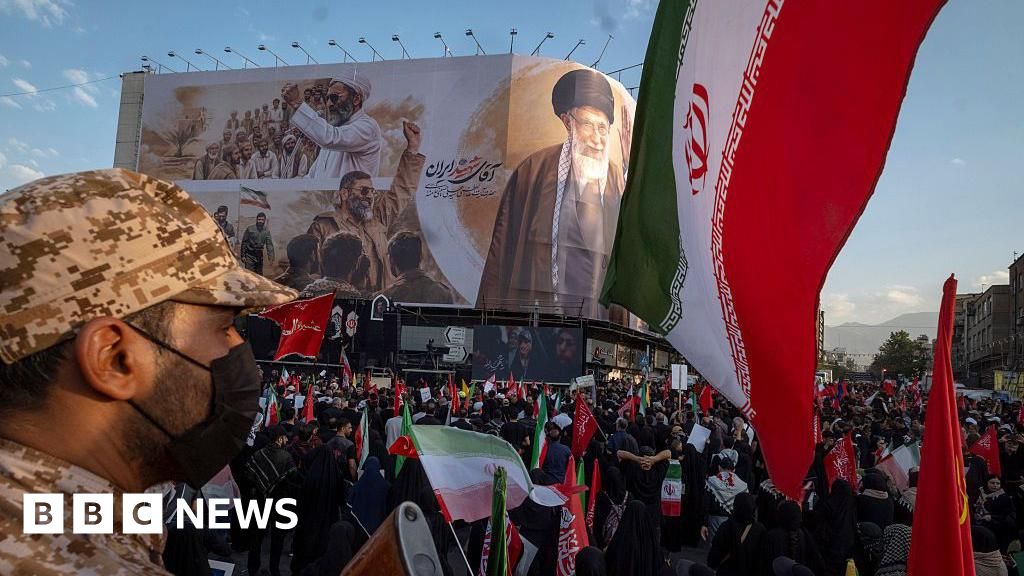
Heightened Tensions in the Strait of Hormuz
The geopolitical landscape in the Middle East has reached a critical boiling point as Iran threatens to shutter vital global trade routes in response to a series of fresh military strikes by the United States. Iran’s Revolutionary Guard Corps (IRGC) announced that the Strait of Hormuz would remain closed until the U.S. ceases what Tehran characterizes as “acts of aggression.” This escalation marks a significant breakdown in regional stability, with Iranian officials further warning that other oil and gas export channels could also face disruption if American military operations continue.
US Military Operations and Strategic Response
U.S. Central Command (Centcom) confirmed a series of air, sea, and drone strikes targeting Iranian military assets on Wednesday morning. These operations followed a sustained seven-hour mission overnight designed to degrade Iran’s ability to interfere with commercial shipping in the region. President Donald Trump has intensified the pressure, vowing to target Iran’s civilian infrastructure, including bridges and power plants, should the nation refuse to return to the negotiating table. While these threats have drawn criticism from international bodies regarding potential violations of international law, the U.S. administration maintains a hardline stance to protect maritime commerce.
Economic Fallout and the Collapse of Diplomacy
The immediate impact of the hostilities has been felt across global markets, with oil prices experiencing a sharp surge as tanker traffic through the Strait of Hormuz—a conduit for a significant portion of the world’s petroleum—has virtually stalled. The situation is further complicated by the reinstatement of a U.S. naval blockade on Iranian ports, effectively nullifying a memorandum of understanding reached just last month that had briefly lowered tensions. As diplomatic efforts falter, the IRGC has signaled it will target “other oil and gas export routes” that serve U.S. interests, raising fears of a broader maritime conflict that could paralyze international energy supplies.
Economy
Global Energy Markets Brace as Iran Threatens Trade Routes Amid US Military Strikes
Iran threatens to block the Strait of Hormuz and other trade routes following fresh US military strikes, causing oil prices to surge amid rising tensions.
Heightened Tensions in the Strait of Hormuz
The geopolitical landscape in the Middle East has reached a critical boiling point as Iran threatens to shutter vital global trade routes in response to a series of fresh military strikes by the United States. Iran’s Revolutionary Guard Corps (IRGC) announced that the Strait of Hormuz would remain closed until the U.S. ceases what Tehran characterizes as “acts of aggression.” This escalation marks a significant breakdown in regional stability, with Iranian officials further warning that other oil and gas export channels could also face disruption if American military operations continue.
US Military Operations and Strategic Response
U.S. Central Command (Centcom) confirmed a series of air, sea, and drone strikes targeting Iranian military assets on Wednesday morning. These operations followed a sustained seven-hour mission overnight designed to degrade Iran’s ability to interfere with commercial shipping in the region. President Donald Trump has intensified the pressure, vowing to target Iran’s civilian infrastructure, including bridges and power plants, should the nation refuse to return to the negotiating table. While these threats have drawn criticism from international bodies regarding potential violations of international law, the U.S. administration maintains a hardline stance to protect maritime commerce.
Economic Fallout and the Collapse of Diplomacy
The immediate impact of the hostilities has been felt across global markets, with oil prices experiencing a sharp surge as tanker traffic through the Strait of Hormuz—a conduit for a significant portion of the world’s petroleum—has virtually stalled. The situation is further complicated by the reinstatement of a U.S. naval blockade on Iranian ports, effectively nullifying a memorandum of understanding reached just last month that had briefly lowered tensions. As diplomatic efforts falter, the IRGC has signaled it will target “other oil and gas export routes” that serve U.S. interests, raising fears of a broader maritime conflict that could paralyze international energy supplies.
Economy
Ottawa Defends Deficit Spending as Bridge to Future Economic Growth
Finance Minister François-Philippe Champagne defends Canada’s deficit spending, citing G7 fiscal strength and future growth plans amid economist skepticism.
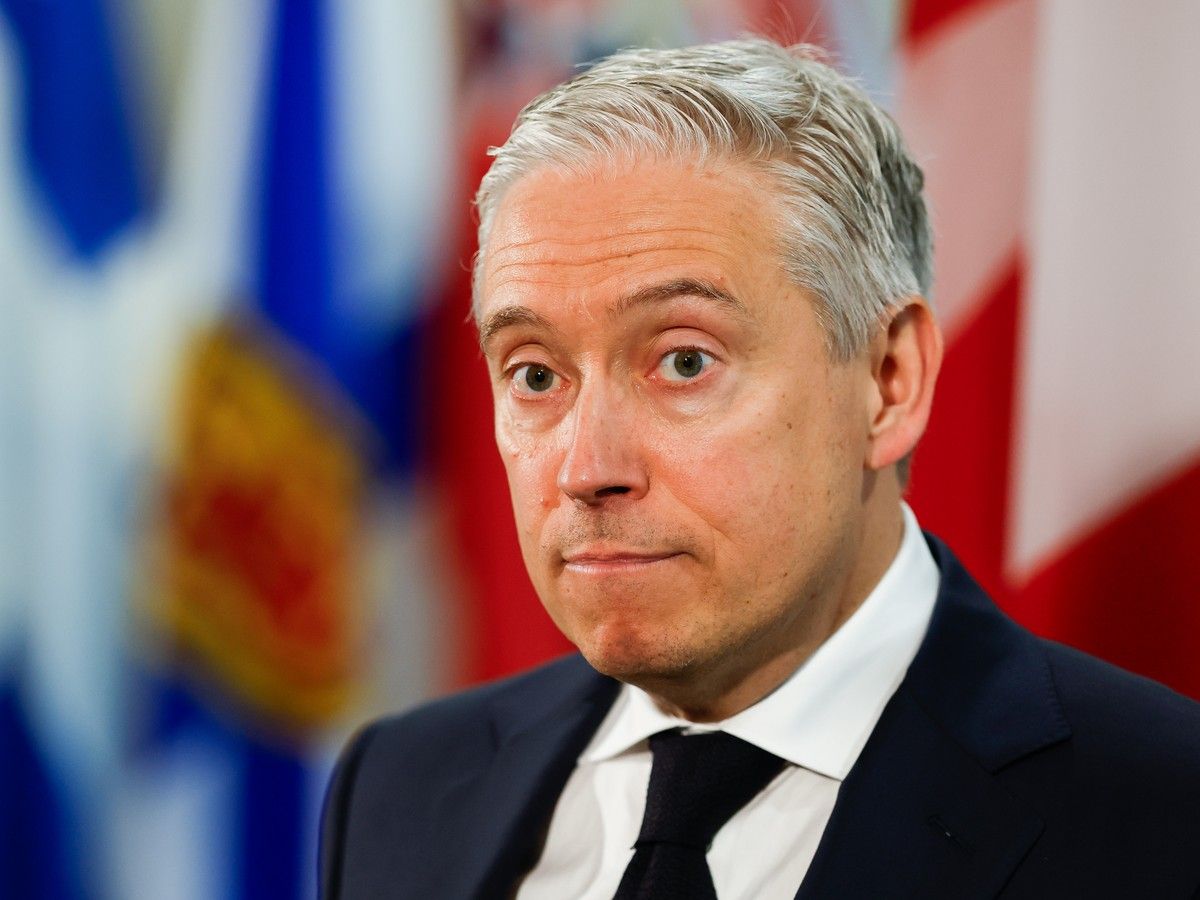
Fiscal Strategy vs. Growing Debt Concerns
The federal government is doubling down on its high-spending agenda, signaling that it will rely on projected economic growth to offset significant new expenditures. Speaking in Ottawa ahead of pre-budget consultations, Finance Minister François-Philippe Champagne defended the government’s fiscal trajectory, arguing that strategic investments are necessary to stimulate the national economy despite the reality of rising deficits.
Champagne emphasized that Canada maintains the strongest fiscal position among G7 nations, a metric the government frequently cites to justify increased borrowing. According to the Minister, the current spending focuses on areas that will eventually yield higher productivity and innovation, which he believes will stabilize the country’s debt-to-GDP ratio in the long term.
Skepticism Among Economic Experts
Despite the government’s optimism, many economists remain wary of the reliance on future growth to pay for today’s debts. Don Drummond, a former high-ranking official at the Department of Finance and former TD Bank chief economist, warned that the government may be resting its projections on overly optimistic forecasts. Drummond noted that the assumption of imminent growth mirrors the fiscal mistakes made between the mid-1970s and 1990s, which led to a prolonged period of economic vulnerability.
Critics also point to external threats, such as potential shifts in American trade policy and rising tariffs, which could stifle the growth Ottawa is counting on. While the government has proposed removing interprovincial trade barriers and leveraging defense procurement to spark innovation, analysts argue these measures are unlikely to provide the immediate financial relief needed to cover high-cost projects.
The Road to the Next Federal Budget
The official pre-budget consultation period is now underway, with the government inviting business leaders, think tanks, and the general public to submit their priorities. While the online portal remains open until September 8, the debate over Canada’s fiscal health is intensifying. As the government prepares its next financial roadmap, the central challenge remains balancing the desire for transformative public investment with the necessity of fiscal sustainability in an increasingly volatile global market.
Investigation Underway Following Fatality at Historic Okanagan Lake Swim Event
RCMP Investigate String of Suspicious Fires in West Kelowna Neighborhood
Strategic Pivot: Canada Joins Global Sixth-Generation Stealth Fighter Program Amid U.S. Trade Tensions
Mayor Olivia Chow Targets Big Tech Pricing Tactics at Toronto Grocery Stores
Canada Offered to Double Oil Exports to U.S. in Failed Trade Negotiations, Hoekstra Reveals
Cross-Border Smoke Crisis: Canada Issues Alerts as U.S. Wildfire Pollution Drifts North
Opinion: John Rustad Has to Go
B.C. Supreme Court Grants Cowichan Tribes Title to Historic Richmond Lands and Fishing Rights

A Taste of Autumn: Fall Okanagan Wine Festival 2025

Vancouver Canucks Gear Up for a Make-or-Break 2025–26 Season

Kamloops Blazers Announce Off-Season Changes Ahead of 2025–26 Season
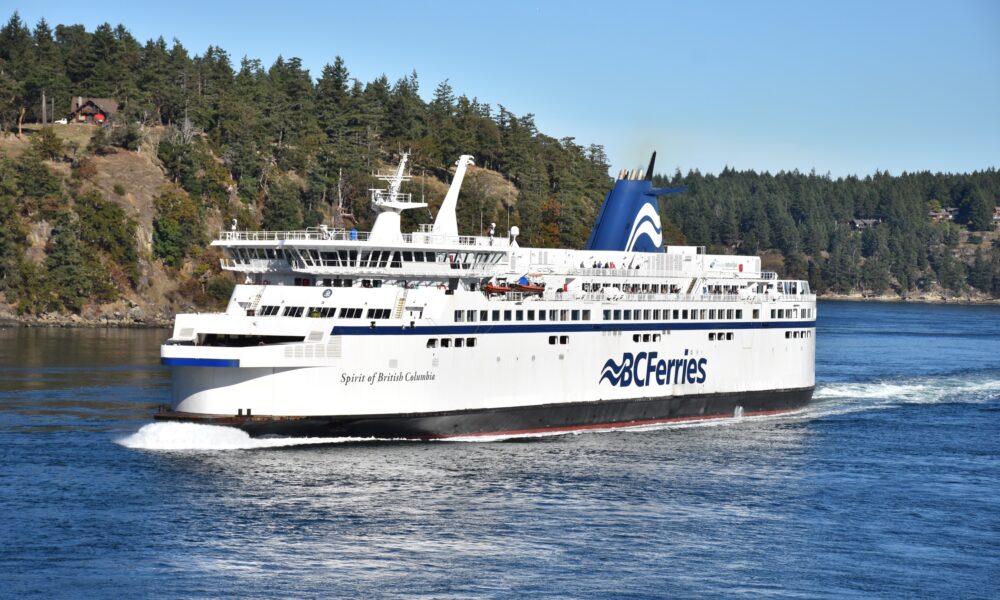
BC Ferries Sparks Outcry Over Contract with Chinese Shipyard
-
Economy7 days ago
Global Energy Markets Brace as Iran Threatens Trade Routes Amid US Military Strikes
-
Baseball7 days ago
AL Pitching Staff Crafts Historic Shutout in Dominant MLB All-Star Performance
-
Finance6 days ago
Bank of Canada Holds Rates Steady at 2.25% Amid Geopolitical Oil Volatility
-
Entertainment7 days ago
Sean ‘Diddy’ Combs Offloads Star Island Mansion for $55 Million Amid Legal Fallout
-
SPORTS7 days ago
End of the Yzerman Era: Red Wings GM Steps Down Amid Front Office Shakeup
-
Baseball4 days ago
AL Pitching Staff Crafts Historic Shutout in Dominant MLB All-Star Performance
-
SPORTS4 days ago
End of the Yzerman Era: Red Wings GM Steps Down Amid Front Office Shakeup
-
WORLD4 days ago
Sean ‘Diddy’ Combs Offloads Star Island Mansion for $55 Million Amid Legal Fallout