Science
Canada’s Lunar Giant Leap: Jeremy Hansen and Jenni Gibbons Set for Historic Artemis II Mission
Canadian astronauts Jeremy Hansen and Jenni Gibbons take center stage in NASA’s Artemis II mission, the first crewed lunar flight in over 50 years.


A New Era of Lunar Exploration
For the first time in over half a century, humanity is preparing to return to the Moon, and Canada is playing a central role in this historic endeavor. The Artemis II mission, scheduled for a launch window beginning April 1, represents the first crewed flight to the lunar vicinity since the Apollo era. This 10-day fly-around mission will test the critical systems of the Orion spacecraft, paving the way for future permanent lunar habitats.
The First International Moon Traveler
At the heart of the mission is Colonel Jeremy Hansen, a 50-year-old veteran pilot from London, Ontario. Serving as a mission specialist, Hansen is set to make history as the first non-American to travel beyond low Earth orbit. A former CF-18 fighter pilot with extensive experience in Arctic operations and NORAD defense, Hansen joined the Canadian Space Agency in 2009. His role on Artemis II involves managing complex science and operational tasks alongside NASA astronauts Reid Wiseman, Victor Glover, and Christina Koch as they perform a lunar flyby and capture high-resolution imagery of the surface.
The Vital Role of the Backup
Supporting the mission from the ground—and ready to step in at a moment’s notice—is Calgary-born Jenni Gibbons. A former assistant professor at the University of Cambridge, Gibbons serves as Hansen’s backup. Her contribution extends far beyond potential flight; during the mission, she will serve as a ‘capcom,’ the primary voice link between Earth and the crew. Gibbons is also instrumental in defining training protocols for the future Artemis III and IV missions, ensuring that Canada remains a vital partner in the long-term goal of establishing a human presence on the Moon.
Looking Toward the Future
The success of Artemis II is the essential bridge to Artemis III, which will test docking capabilities with commercial landing craft. While NASA anticipates a return to the lunar surface by early 2028, the current mission serves as the ultimate proving ground for the technology and international cooperation required for deep-space exploration. For Canada, this mission is not just a scientific milestone, but a validation of the nation’s decades-long commitment to aerospace excellence.

Environment
The Orbital Trash Crisis: Solving the 13,000-Tonne Space Junk Dilemma
With 13,000 tonnes of space junk threatening critical infrastructure, experts are racing to develop harpoons, nets, and new policies to clean up Earth orbit.
The Growing Gridlock Above Earth
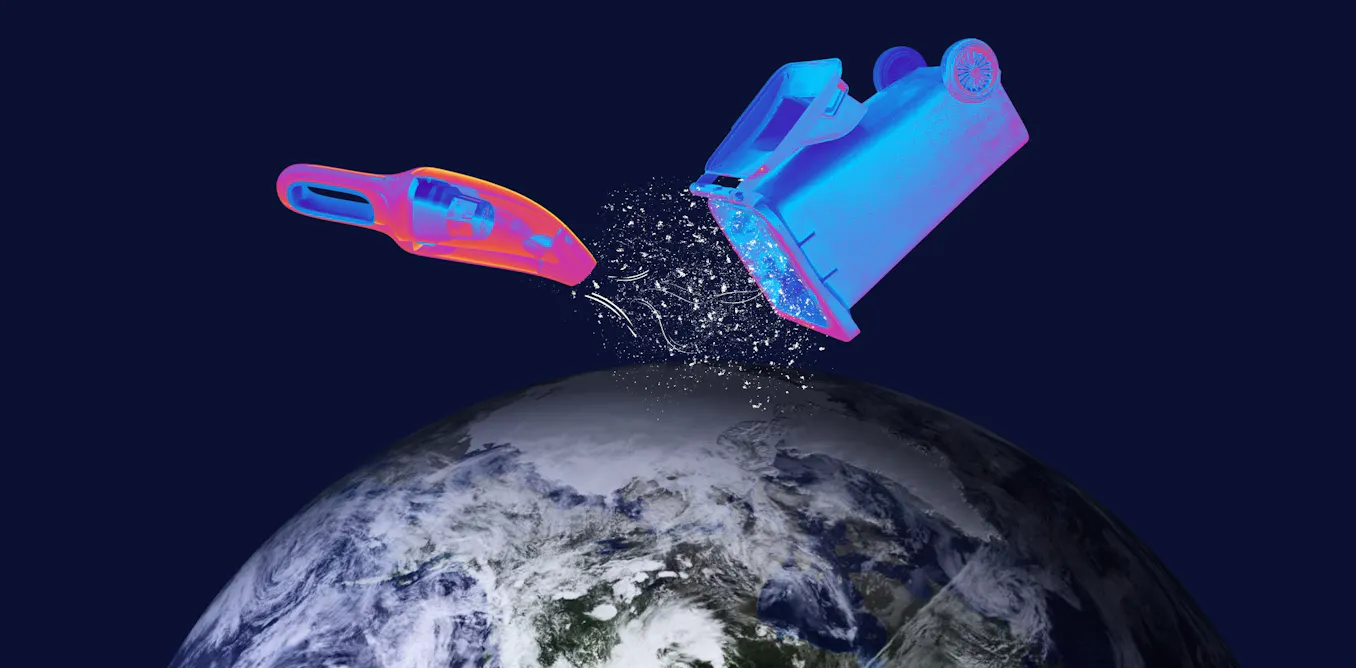
Seventy years ago, the Moon was Earth’s only companion in the night sky. Today, our orbit is crowded with over 15,000 satellites, a number dominated by Elon Musk’s SpaceX. As tech giants plan to launch megaconstellations numbering in the millions, a critical byproduct is reaching a breaking point: space junk. Currently, there are roughly 13,486 tonnes of debris—equivalent to 13 million cane toads—cluttering the orbital environment.
The Threat of Kessler Syndrome
Space junk isn’t just floating; it orbits at speeds of seven kilometres per second. At these velocities, even a fragment the size of a marble can strike with the force of a grenade. Experts warn of the ‘Kessler syndrome,’ a catastrophic chain reaction where collisions create more debris, leading to more collisions. This could eventually render low Earth orbit (LEO) unusable, threatening GPS, weather tracking, and global communications, or even cutting humanity off from space exploration entirely.
Innovations in Orbital Cleanup
Addressing the debris crisis requires a multi-pronged technological approach. Engineers are testing ‘active debris removal’ systems involving harpoons, nets, magnets, and even slingshots to drag defunct satellites into the atmosphere or push them into ‘graveyard orbits.’ Furthermore, satellite design is evolving; researchers in Japan are even testing wooden spacecraft to ensure cleaner atmospheric reentry, while others focus on refueling missions to extend the lifespan of existing hardware.
Policy and the ‘Techbro’ Mentality
Technological fixes alone are insufficient without global policy reform. Current standards are shifting, requiring satellites to de-orbit within five years of mission completion rather than twenty-five. However, critics argue that the ‘techbro’ culture driving the space race often views orbit as a resource to be exploited rather than an environment to be protected. For a sustainable future, experts suggest we must stop viewing space and Earth as separate domains, instead managing our orbit as a fragile, interconnected ecosystem that requires international ‘rules of the road’ to prevent an avoidable environmental collapse.
Astronomy
Celestial Spectacle: Rare ‘Blaze Star’ Explosion Predicted to Appear in the Night Sky
T Coronae Borealis is set for a rare nova explosion. Learn how to spot this ‘Blaze Star’ as it brightens to rival the North Star in a once-in-a-lifetime event.
A Once-in-a-Lifetime Cosmic Event
Astronomers and stargazers alike are on high alert for a rare celestial phenomenon: the sudden appearance of a ‘new’ star in the night sky. The star system T Coronae Borealis, commonly known as the ‘Blaze Star,’ is expected to undergo a cataclysmic thermonuclear eruption at any moment. This event, known as a recurring nova, occurs approximately once every 80 years, making it a once-in-a-lifetime viewing opportunity for most people on Earth.
The Science Behind the Blast
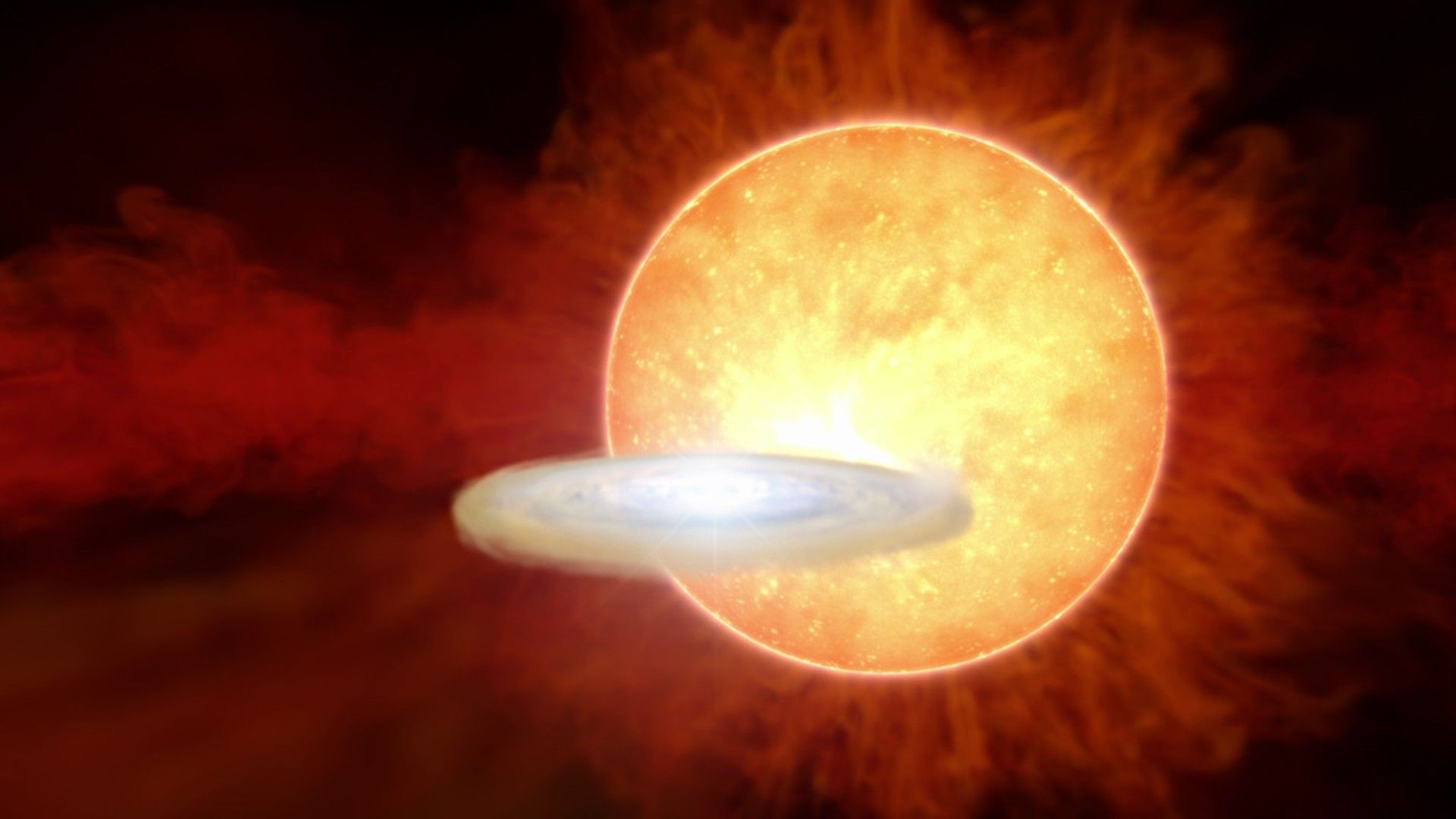
T Coronae Borealis (T CrB) is a binary system located 3,000 light-years away, consisting of a white dwarf and a red giant. In a ‘vampiric’ relationship, the white dwarf continuously strips hydrogen-rich material from its larger companion. Once this material reaches a critical mass on the white dwarf’s surface, it triggers a massive thermonuclear explosion. Unlike a supernova, which marks the death of a star, this nova leaves the white dwarf intact to begin the cycle of feeding and erupting all over again.
When and How to Watch
While the exact timing remains elusive, NASA scientists and astrophysicists believe the eruption is imminent. Historically, the system follows an 80-year cycle, with the last major event occurring in 1946. When the nova finally ignites, T CrB will jump from its usual invisible magnitude of +10 to a magnitude of +2. This surge will make it as bright as Polaris, the North Star, and easily visible to the naked eye even in areas with moderate light pollution.
Finding the Northern Crown
To witness this fleeting event, observers should look toward the constellation Corona Borealis, or the ‘Northern Crown.’ This small, semicircular cluster of stars sits between the constellations Hercules and Bootes. Once the eruption begins, the ‘Blaze Star’ will remain visible to the naked eye for less than a week before fading back into obscurity for another eight decades. Astronomers recommend using binoculars or a small telescope now to familiarize yourself with the region of the sky just one degree to the lower right of the star Epsilon Coronae Borealis.
Environment
The Rising Tide of Ticks: Why Canada Faces a Growing Threat of Lyme Disease and Beyond
Explore why tick populations are surging in Canada due to climate change and urban growth, and learn about the rising threat of Lyme disease and red meat allergies.

A Personal Battle Becomes a Scientific Mission
Fifteen years ago, Vett Lloyd, a professor of biology at Mount Allison University, was told by public health officials that ticks simply did not exist in her home province of New Brunswick. Her own diagnosis with Lyme disease proved those claims false, sparking a career dedicated to understanding how these parasites are spreading across the Canadian landscape. Today, Lloyd’s research highlights a grim reality: tick populations and the diseases they carry are skyrocketing across the country.
The Role of Climate Change and Urban Development
The surge in tick activity is largely driven by shifting environmental factors. Traditionally, Canada’s long, harsh winters acted as a natural check on tick populations, starving them out as snow cover prevented them from finding hosts. However, global warming has led to more variable weather and less consistent snow cover. Ticks are opportunistic; they do not hibernate and will emerge to feed whenever temperatures rise, leading to much earlier and more intense seasons. Furthermore, the expansion of green, moist suburban areas has created the perfect habitat for rodents and other wildlife that carry ticks, bringing the threat directly into Canadian backyards.
The Hidden Scale of the Crisis
While official data from the Public Health Agency of Canada shows cases of Lyme disease rising from 143 in 2010 to over 7,000 by 2025, experts believe these numbers are a vast underestimation. Many cases go unreported due to a lack of diagnostic access or the difficulty of spotting a tick bite. Scientists estimate there has been a tenfold increase in infections over the last decade, with a significant portion of patients developing chronic illnesses that result in long-term fatigue, aches, and cognitive impairment.
New Threats on the Horizon
It isn’t just Lyme disease that Canadians need to worry about. Warmer regions like Southern Ontario are seeing the emergence of Lone Star and Gulf Coast ticks, which were previously unable to survive Canadian winters. These species can trigger ‘Alpha-gal syndrome,’ a severe red meat allergy caused by a reaction to tick saliva. As the climate continues to shift, researchers at Mount Allison University are working on rapid home-testing kits to help Canadians detect pathogens early and mitigate the growing economic and personal impact of these tick-borne illnesses.
Investigation Underway Following Fatality at Historic Okanagan Lake Swim Event
RCMP Investigate String of Suspicious Fires in West Kelowna Neighborhood
Strategic Pivot: Canada Joins Global Sixth-Generation Stealth Fighter Program Amid U.S. Trade Tensions
Mayor Olivia Chow Targets Big Tech Pricing Tactics at Toronto Grocery Stores
Canada Offered to Double Oil Exports to U.S. in Failed Trade Negotiations, Hoekstra Reveals
Cross-Border Smoke Crisis: Canada Issues Alerts as U.S. Wildfire Pollution Drifts North

Opinion: John Rustad Has to Go
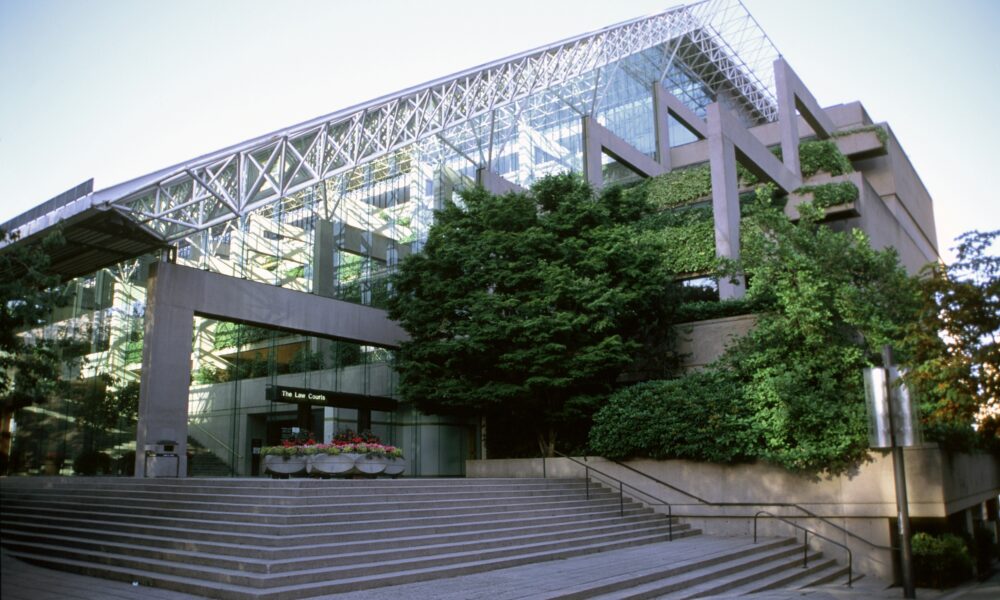
B.C. Supreme Court Grants Cowichan Tribes Title to Historic Richmond Lands and Fishing Rights

A Taste of Autumn: Fall Okanagan Wine Festival 2025

Vancouver Canucks Gear Up for a Make-or-Break 2025–26 Season

Kamloops Blazers Announce Off-Season Changes Ahead of 2025–26 Season

BC Ferries Sparks Outcry Over Contract with Chinese Shipyard
-
Economy7 days ago
Global Energy Markets Brace as Iran Threatens Trade Routes Amid US Military Strikes
-
Baseball7 days ago
AL Pitching Staff Crafts Historic Shutout in Dominant MLB All-Star Performance
-
Finance6 days ago
Bank of Canada Holds Rates Steady at 2.25% Amid Geopolitical Oil Volatility
-
Entertainment7 days ago
Sean ‘Diddy’ Combs Offloads Star Island Mansion for $55 Million Amid Legal Fallout
-
SPORTS7 days ago
End of the Yzerman Era: Red Wings GM Steps Down Amid Front Office Shakeup
-
Baseball4 days ago
AL Pitching Staff Crafts Historic Shutout in Dominant MLB All-Star Performance
-
SPORTS4 days ago
End of the Yzerman Era: Red Wings GM Steps Down Amid Front Office Shakeup
-
WORLD4 days ago
Sean ‘Diddy’ Combs Offloads Star Island Mansion for $55 Million Amid Legal Fallout