POLITICS
Alberta Moves to Strengthen Laws Against AI Deepfake Abuse

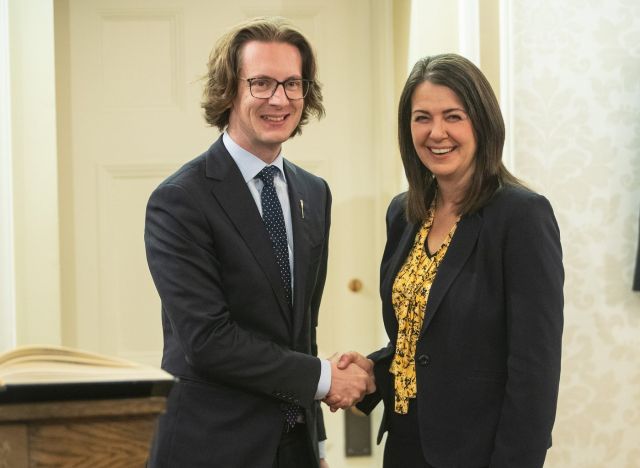
Alberta Moves to Tackle Harmful Deepfake Images
Key Takeaways
- Alberta plans to expand its laws to allow lawsuits over AI-generated deepfake intimate images.
- Proposed changes would include fake audio recordings alongside manipulated images and videos.
- Advocates say deepfakes constitute a form of sexual violence with real-world harm.
- Other provinces have already updated legislation, leaving Alberta playing catch-up.
- Federal lawmakers are also considering criminal penalties for distributing deepfake content.
The Deep Dive
Alberta’s government is preparing to update its legal framework to address the growing threat posed by artificial intelligence-generated deepfake content, particularly intimate images shared without consent. The move comes as concerns mount over how rapidly evolving AI tools are being used to create highly realistic but entirely fabricated media.
Technology and Innovation Minister Nate Glubish confirmed that the province is working on legislative changes that would allow individuals to sue those who create or distribute such material. The proposal builds on Alberta’s existing 2017 law, which already permits victims of non-consensual sharing of intimate images to seek damages and court orders to stop further distribution.
However, that law was crafted before the rise of sophisticated generative AI tools and is limited to real images and videos involving nudity or sexual activity. The planned update would expand its scope to include synthetic media—commonly known as deepfakes—as well as manipulated audio recordings.
Officials say the goal is to create a stronger layer of legal protection for Albertans who may be targeted by this technology. Deepfake tools can now generate convincing images or recordings of individuals without their knowledge or consent, raising serious concerns about privacy, reputational harm, and personal safety.
The province aims to introduce the legislation by the fall, signalling an effort to keep pace with both technological change and shifting public expectations around digital accountability.
Advocates working with survivors of sexual violence say the changes are overdue. They argue that deepfake content, even when entirely fabricated, can have devastating consequences for victims. The psychological trauma, reputational damage, and potential safety risks mirror those associated with real non-consensual imagery.
Frontline organizations report that cases involving deepfake abuse are already emerging across Alberta, including in smaller and rural communities. The accessibility of AI tools has lowered the barrier to creating such content, making the issue more widespread than previously understood.
Legal experts and advocates are also pushing for the legislation to go further by reducing the burden of proof on victims and enabling faster legal remedies, such as interim court orders to halt the spread of harmful material.
Alberta’s proposed changes would bring it closer in line with other provinces. Saskatchewan updated its laws in 2021 to include images altered “by any means,” while Manitoba, British Columbia, and Quebec introduced broader protections in 2024 to address emerging digital harms.
At the federal level, lawmakers are currently debating legislation that would make the distribution of intimate deepfake images a criminal offence. The proposed federal framework would also address threats to distribute such material, signalling a more comprehensive national approach.
Meanwhile, Alberta’s government is also examining the broader role of artificial intelligence in society. Premier Danielle Smith has raised concerns about the misuse of AI but has also highlighted its potential benefits, particularly in education. The province is consulting with school boards about how AI tools should be used in classrooms, especially as they can support students learning English as an additional language.
Smith has noted that AI tools, including widely used conversational systems, are already being integrated into government workflows to assist with research and policy development.
Why It Matters
The push to regulate deepfake content reflects a broader challenge facing governments worldwide: how to balance the benefits of artificial intelligence with the risks it introduces. As AI tools become more powerful and accessible, the potential for misuse grows, often outpacing existing legal frameworks.
For victims, the stakes are deeply personal. Deepfake abuse can undermine careers, relationships, and mental health, often with limited recourse under outdated laws. By expanding legal definitions and remedies, Alberta is attempting to close a gap that has left many individuals vulnerable.
Politically, the issue is one of emerging consensus. Both government and opposition figures have signalled openness to stronger protections, suggesting that legislation in this area could move forward with relatively broad support.
At the same time, the conversation is evolving beyond reactive measures. Policymakers are increasingly being forced to consider proactive strategies, including education, platform accountability, and coordination between provincial and federal laws.
As Alberta works to update its legislation, the effectiveness of these changes will depend not only on the scope of the law but also on how accessible and enforceable it is for those seeking justice.
In a digital environment where fabricated content can spread rapidly and globally, the province’s response may serve as an early test of how Canadian jurisdictions adapt to the realities of AI-driven harm. :contentReference[oaicite:0]{index=0}

nation
Mayor Olivia Chow Targets Big Tech Pricing Tactics at Toronto Grocery Stores
Toronto Mayor Olivia Chow proposes a ban on ‘surveillance pricing’ at grocery stores to protect residents from data-driven price gouging and rising food costs.

Toronto Moves to Ban Data-Driven Price Gouging
Toronto Mayor Olivia Chow is launching a fresh offensive against rising food costs by proposing a ban on what she terms “surveillance pricing” at local grocery stores. Alongside Councillor Alejandra Bravo, the Mayor intends to introduce a motion at Tuesday’s Executive Committee meeting aimed at preventing retailers from utilizing customers’ personal data to fluctuate prices for essential goods. The move seeks to curb unfair price gouging that potentially targets individuals based on their digital footprint and purchasing power.
The Fight for Fair Grocery Costs
As inflationary pressures continue to squeeze household budgets, Mayor Chow emphasized that the municipal government must act as a shield for its residents. “Torontonians are struggling with rising costs and making difficult choices at the grocery store,” Chow stated in a press release. She argued that large retailers should not be permitted to exploit personal information to inflate prices, characterizing the practice as an “emerging grocery rip-off” that requires immediate intervention before it becomes industry standard.
Municipal Action vs. Provincial Resistance
Toronto’s initiative mirrors recent legislative steps taken in Manitoba, where the provincial government introduced measures to combat “predatory pricing.” However, the proposal faces a significant political divide within Ontario. Premier Doug Ford has explicitly voiced his opposition to such bans, arguing that government price regulation interferes with the principles of a free-market economy. Ford has previously dismissed the idea of price oversight as “socialism,” maintaining that competition remains the most effective tool for lowering costs for consumers.
Utilizing Every Municipal Tool
Despite provincial pushback, Councillor Alejandra Bravo remains committed to the city’s strategy. Bravo highlighted that the city is exploring every available regulatory tool to ensure economic fairness for working-class citizens, arguing that internet search histories and personal data should not dictate the cost of bread and milk. This motion joins other recent city-led affordability efforts, such as the freezing of TTC fares and the expansion of school food programs, as Toronto attempts to navigate a complex cost-of-living crisis.
energy
Canada Offered to Double Oil Exports to U.S. in Failed Trade Negotiations, Hoekstra Reveals
U.S. Ambassador Pete Hoekstra reveals PM Mark Carney offered to double Canadian oil exports to the U.S. in a failed bid to end Donald Trump’s trade tariffs.

The High-Stakes Oil Gambit at the White House
In a dramatic revelation regarding the strained trade relations between North American neighbors, U.S. Ambassador to Canada Pete Hoekstra disclosed that Prime Minister Mark Carney offered to double Canadian oil exports to the United States last year. The proposal was presented as a strategic bargaining chip during an October 7, 2025, meeting at the White House, aimed at persuading President Donald Trump to roll back aggressive tariffs on Canadian steel, aluminum, and automotive products.
Internal Tensions and Negotiating Tactics
Speaking at a conference in Edmonton, Hoekstra detailed how the offer to supply an additional three to four million barrels of oil per day nearly caused a rift within the Trump administration. According to the Ambassador, Interior Secretary Doug Burgum and Energy Secretary Chris Wright were so enthusiastic about the proposal that President Trump had to physically restrain them. Hoekstra noted that the President cautioned his cabinet against “crawling across the table” to seal the deal, suggesting that such eagerness would undermine the United States’ negotiating leverage.
The Collapse of the Trade Deal
Despite the massive scale of the energy offer, which would have significantly deepened the integration of the North American energy market, the negotiations ultimately collapsed. President Trump reportedly walked away from the bargaining table later that month, citing an anti-tariff advertisement campaign launched by the Ontario government as a primary reason for the breakdown. While Canada remains the largest supplier of crude oil to the U.S., accounting for nearly two-thirds of imports, the trade deficit remains a point of contention for the Trump administration.
A Future for Cross-Border Pipelines
Despite the failure of the broader trade deal, Hoekstra expressed optimism regarding infrastructure projects like the proposed cross-border connection between South Bow and Bridger Pipeline LLC. This project, which received a presidential permit in April, could eventually facilitate the transport of 550,000 barrels of oil per day. While formal trade talks resumed this spring, progress remains stagnant, leaving the future of Canada’s industrial exports and energy expansion in a state of political uncertainty.
Ontario
Former Tourism Minister Stan Cho Under Fire for $100,000 in Riding Association Expenses
Ontario MPP Stan Cho faces new allegations over $100,000 in riding association expenses for food and travel following his resignation as Tourism Minister.
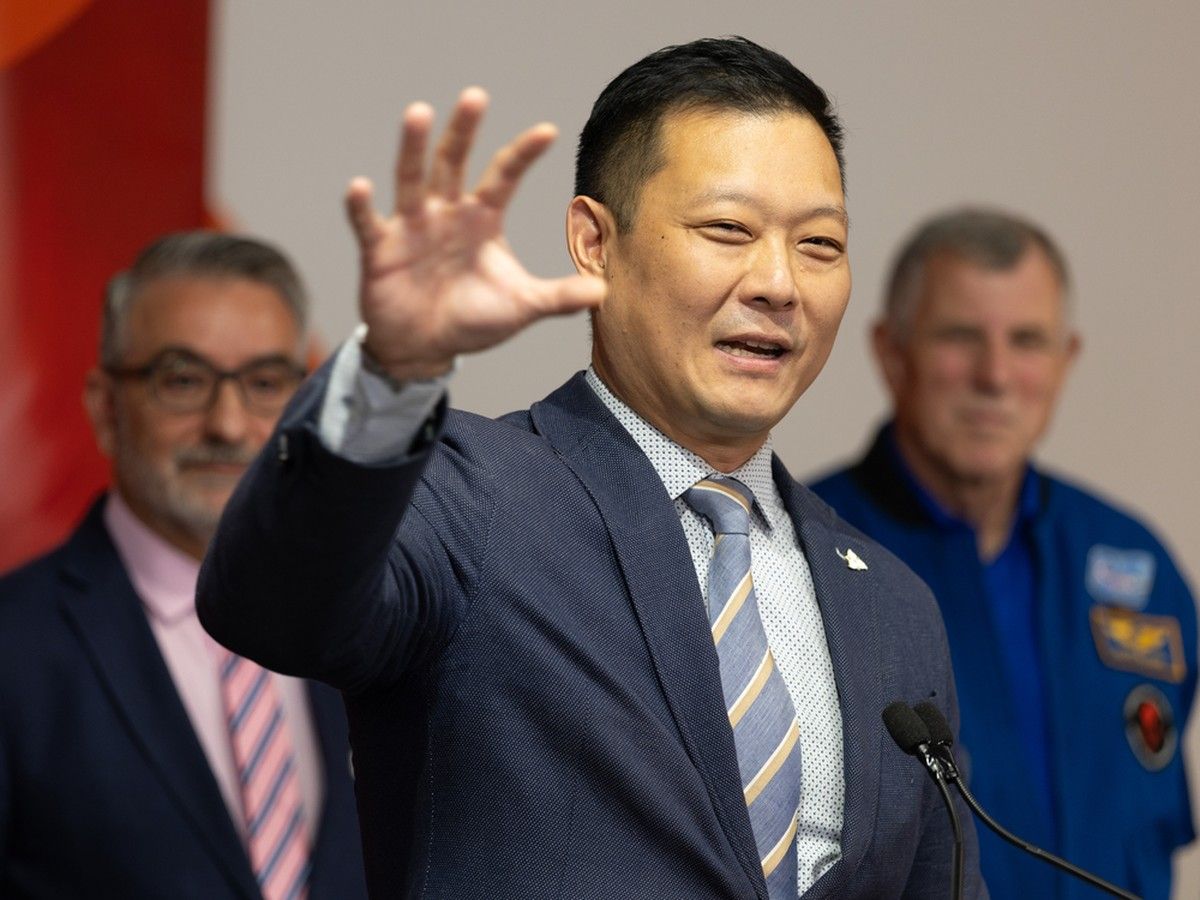
The Fallout Continues for Stan Cho
Ontario PC MPP Stan Cho is facing a new wave of scrutiny just days after his resignation from Premier Doug Ford’s cabinet. Newly surfaced reports indicate that the Willowdale MPP billed nearly $100,000 in food and beverage expenses to his riding association over a three-year period. This discovery follows Cho’s departure as Tourism Minister after it was revealed he spent more than $16,000 on Toronto hotel rooms despite living only kilometers away from the legislature.
A Pattern of Questionable Spending
According to data reported by Global News, a significant portion of Cho’s dining expenses occurred outside his Willowdale riding, often in the downtown core. Between 2023 and 2025, the riding association also covered thousands of dollars in flights and hotel stays. These expenditures have raised eyebrows among political analysts, as riding associations—which are funded by both private donations and taxpayer-funded per-vote subsidies—typically focus on local constituency work rather than travel and high-end dining for the representative.
Systemic Issues within the PC Caucus
The controversy surrounding Cho is not an isolated incident. Premier Doug Ford has ordered 19 other PC MPPs from the Greater Toronto Area to pay back approximately $120,000 in combined hotel expenses. While Ford called the spending “totally unacceptable,” he has resisted calls for further resignations, maintaining that Cho “did the right thing” by stepping down from his ministerial post voluntarily. The provincial government has since announced plans to eliminate the “special circumstances” loophole that allowed MPPs to bill for local accommodation during late-night sessions.
Political Implications and Public Trust
This latest spending scandal arrives at a difficult time for the Ford government, which recently faced backlash over the $28.9-million purchase of a private jet. Opposition parties are currently demanding full transparency, asking for a detailed breakdown of all expenses before agreeing to legislative changes. For Cho, who admitted in his resignation letter that he failed to consider how his choices would look to a constituent “working a double shift,” the nearly $100,000 in food bills may prove even more damaging to his reputation as a public servant.
Investigation Underway Following Fatality at Historic Okanagan Lake Swim Event
RCMP Investigate String of Suspicious Fires in West Kelowna Neighborhood
Strategic Pivot: Canada Joins Global Sixth-Generation Stealth Fighter Program Amid U.S. Trade Tensions
Mayor Olivia Chow Targets Big Tech Pricing Tactics at Toronto Grocery Stores
Canada Offered to Double Oil Exports to U.S. in Failed Trade Negotiations, Hoekstra Reveals
Cross-Border Smoke Crisis: Canada Issues Alerts as U.S. Wildfire Pollution Drifts North
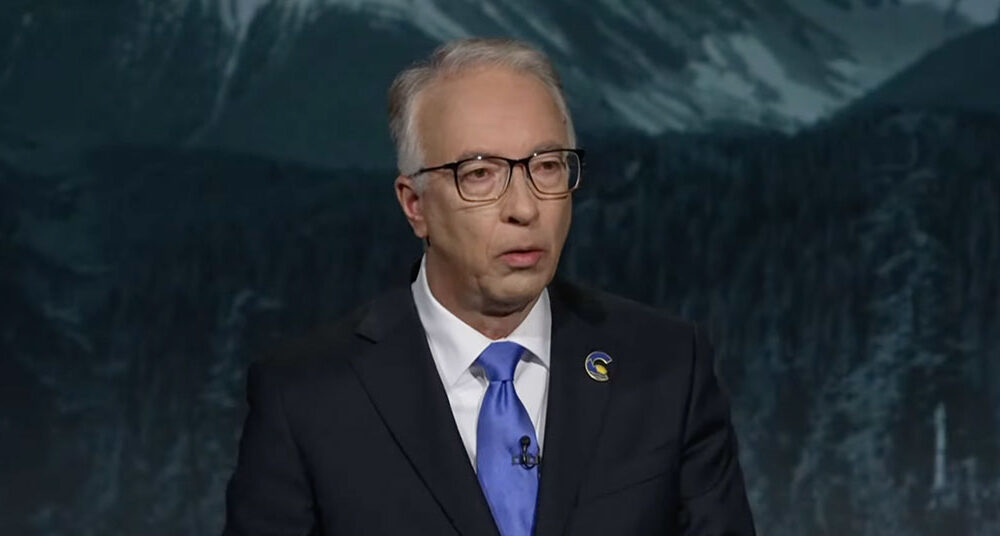
Opinion: John Rustad Has to Go
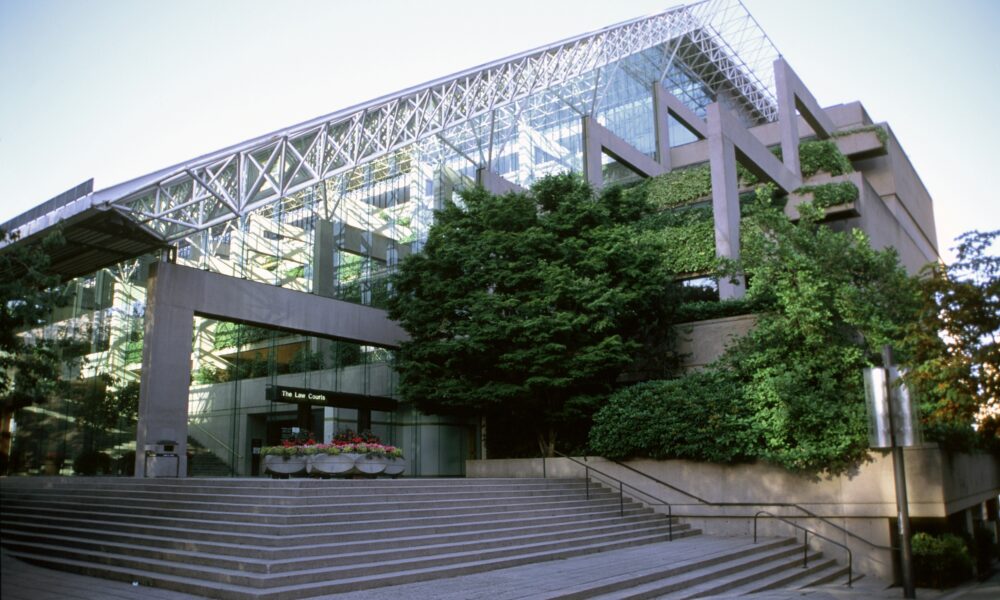
B.C. Supreme Court Grants Cowichan Tribes Title to Historic Richmond Lands and Fishing Rights

A Taste of Autumn: Fall Okanagan Wine Festival 2025

Vancouver Canucks Gear Up for a Make-or-Break 2025–26 Season

Kamloops Blazers Announce Off-Season Changes Ahead of 2025–26 Season

BC Ferries Sparks Outcry Over Contract with Chinese Shipyard
-
Economy7 days ago
Global Energy Markets Brace as Iran Threatens Trade Routes Amid US Military Strikes
-
Baseball7 days ago
AL Pitching Staff Crafts Historic Shutout in Dominant MLB All-Star Performance
-
Finance6 days ago
Bank of Canada Holds Rates Steady at 2.25% Amid Geopolitical Oil Volatility
-
Entertainment7 days ago
Sean ‘Diddy’ Combs Offloads Star Island Mansion for $55 Million Amid Legal Fallout
-
SPORTS7 days ago
End of the Yzerman Era: Red Wings GM Steps Down Amid Front Office Shakeup
-
Baseball4 days ago
AL Pitching Staff Crafts Historic Shutout in Dominant MLB All-Star Performance
-
SPORTS4 days ago
End of the Yzerman Era: Red Wings GM Steps Down Amid Front Office Shakeup
-
WORLD4 days ago
Sean ‘Diddy’ Combs Offloads Star Island Mansion for $55 Million Amid Legal Fallout