Energy & Economy
Strait of Hormuz Crisis: UN Halts Evacuations After Projectile Strike and Iranian Threats
The UN has paused ship evacuations in the Strait of Hormuz following a projectile attack and Iranian threats, complicating delicate U.S.-Iran peace negotiations.


Escalation in the Persian Gulf
The United Nations has suspended its critical mission to evacuate stranded vessels from the Persian Gulf after a ship was struck by a projectile off the coast of Oman. The incident occurred on Thursday, just hours after Tehran issued a stern warning against vessels using a new, UN-backed shipping corridor without its explicit permission. While the targeted vessel was not part of the official UN evacuation list, the International Maritime Organization (IMO) confirmed that all operations are on hold until safety guarantees can be verified.
A Contested Corridor
The maritime route in question was established by the IMO and Oman to bypass the traditional center-channel corridor, which Iran reportedly mined following military strikes by the U.S. and Israel in late February. Iran’s newly formed Persian Gulf Strait Authority has declared that any transit outside of its designated routes will not be granted safe passage. Tensions peaked on Wednesday when members of the Revolutionary Guard were heard on radio frequencies threatening tankers with missile fire, asserting that the UN-supported route is unauthorized and dangerous.
Global Economic Implications
The Strait of Hormuz remains a vital artery for the global economy, typically handling one-fifth of the world’s oil and natural gas. Despite the recent surge in violence, oil prices briefly dipped below $73 per barrel this week, signaling market optimism that a broader peace deal might be reached. U.S. Secretary of State Marco Rubio, currently touring the Gulf to reassure allies, emphasized that Washington remains committed to ensuring the freedom of navigation. Rubio warned that any permanent blockage of the strait would pose a significant threat to global stability.
Fragile Peace Negotiations
The maritime standoff comes as the U.S. and Iran navigate a 60-day window to finalize an interim peace agreement. The memorandum of understanding covers various flashpoints, including shipping rights and Iran’s nuclear stockpile. However, the situation is further complicated by renewed fighting in Lebanon between Israel and Hezbollah. As diplomats continue back-channel talks, the reality on the water remains volatile, with shipping volumes still well below pre-war levels as the world watches the narrow waterway.

Your Current 3 Day Forecast — September 20, 2026

Dylan Cease struggles as Toronto pitching strain worsens in loss to Rangers
How Canada’s Prime Minister Is Building Stronger Trans-Atlantic Ties Close to Home
Montreal’s High-Powered Offense Holds Off Late Hamilton Comeback in East Clash
What to Know Ahead of Alberta’s Oct. 19 Vote on a Separation Referendum
What to Know About the Alasko Frozen Raspberry Recall Following Illness Reports
Opinion: John Rustad Has to Go
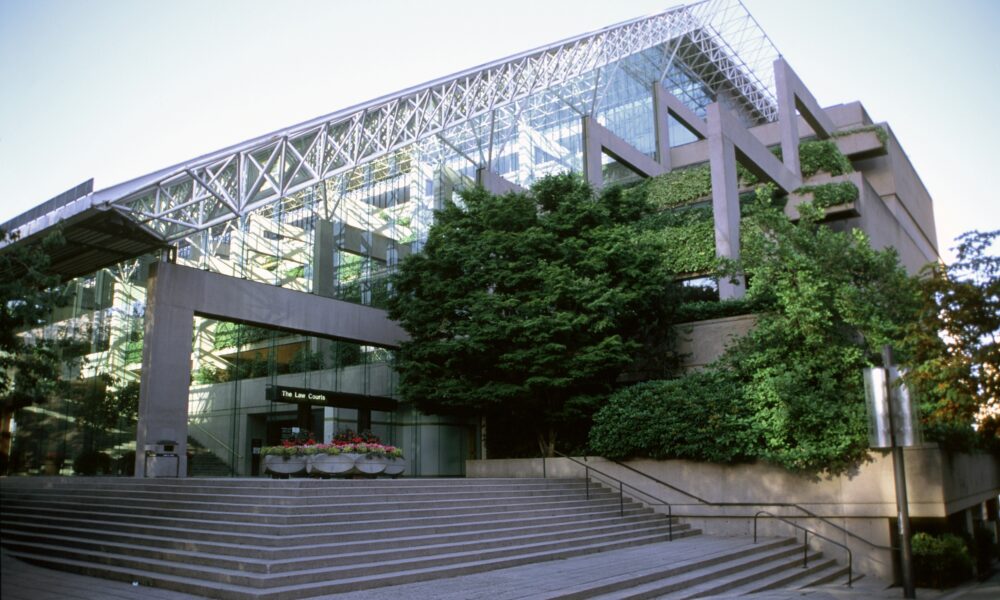
B.C. Supreme Court Grants Cowichan Tribes Title to Historic Richmond Lands and Fishing Rights

A Taste of Autumn: Fall Okanagan Wine Festival 2025

Vancouver Canucks Gear Up for a Make-or-Break 2025–26 Season

Kamloops Blazers Announce Off-Season Changes Ahead of 2025–26 Season
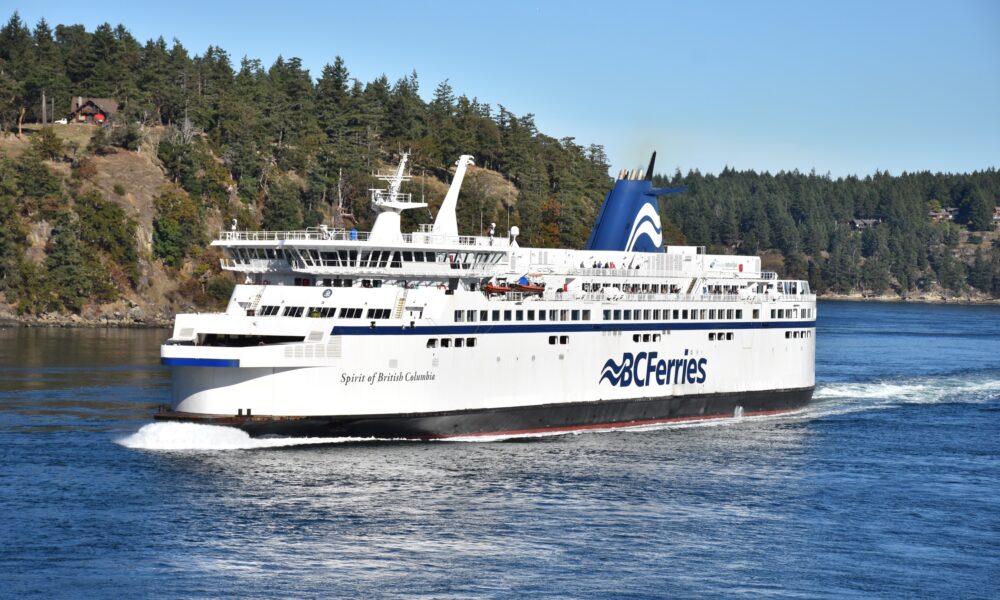
BC Ferries Sparks Outcry Over Contract with Chinese Shipyard
-
NATIONAL STORIES6 days ago
Remembering George Chuvalo: The Canadian Heavyweight Legend Who Never Got Knocked Down
-

 NATIONAL STORIES6 days ago
AI’s Biggest Warning May Be Coming From the People Building It
-

 COMMUNITY6 days ago
Navigating Blended Family Wills and Estate Options
-
POLITICS7 days ago
What Trump’s Remarks Linking Canada to Iran Signal About International Negotiations
-

 SPORTS6 days ago
How Video Adjustments Fuelled the Vancouver Canucks’ 5-2 Prospects Victory Over Seattle
-

 BC STORIES6 days ago
Uncertain Eyewitness Testimony at Center of Final Arguments in 2021 Restaurant Shooting Trial
-
WORLD7 days ago
What Trump’s Remarks Linking Canada to Iran Signal About International Negotiations
-
LOCAL7 days ago
Stephen Johnston Mayor by Acclamation