LOCAL
Dangerous Winter Storm Conditions Persist: Heavy Snow and High Winds Forecast for Coquihalla Highway
Travelers are warned of hazardous winter conditions on the Coquihalla Highway between Hope and Merritt as Environment Canada forecasts continued heavy snowfall and high winds throughout the weekend.


Winter Storm Continues to Impact Interior British Columbia
Motorists planning to traverse the British Columbia interior are being urged to exercise extreme caution as a relentless winter storm continues to blanket the Coquihalla Highway (Highway 5) with significant snowfall. Environment Canada has maintained a travel advisory for the stretch of highway between Hope and Merritt, citing hazardous conditions that are expected to persist throughout the weekend. With visibility frequently reduced to near zero and road surfaces becoming increasingly treacherous, provincial authorities are advising against non-essential travel until the system subsides.
According to the latest meteorological reports, an additional 10 to 20 centimeters of snow is forecast to accumulate by Sunday evening. This snowfall is being driven by a stationary Pacific frontal system that has pinned itself against the Cascade Mountains, dumping moisture onto the high-elevation passes. The Coquihalla Summit, which sits at an elevation of 1,244 meters, is bearing the brunt of the storm. Meteorologists warn that while the valley bottoms may see a mix of rain and snow, the mountain passes will experience heavy, consistent white-out conditions.
High Winds and Drifting Snow Create Visibility Hazards
It is not merely the volume of snow that is causing concern for the Ministry of Transportation and Infrastructure, but the accompanying high winds. Forecasts indicate sustained wind speeds of 40 to 60 kilometers per hour, with gusts reaching up to 80 kilometers per hour in exposed areas near the Great Bear Snowshed. These winds are causing significant blowing and drifting snow, making it nearly impossible for snowplows to maintain clear lanes for extended periods. When combined with the heavy snowfall, these conditions create white-out scenarios where drivers can lose sight of the road markings and the vehicles ahead of them.
DriveBC, the provincial traffic information service, has reported multiple minor incidents involving spun-out vehicles and semi-trucks over the last 24 hours. While no major injuries have been reported, the cumulative effect of these incidents has led to intermittent delays and temporary lane closures. The Coq is a challenging route even in fair weather, noted one highway patrol officer. When you add 20 centimeters of fresh powder and 80-kilometer winds, it becomes an environment where even the most experienced drivers can find themselves in trouble.
Safety Protocols and Winter Tire Requirements
Under British Columbia law, winter tires or chains are mandatory for all vehicles traveling on the Coquihalla Highway during this season. Conservation officers and the RCMP are conducting periodic checks to ensure compliance. Passenger vehicles must have tires with the mountain-snowflake or M+S symbol and at least 3.5mm of tread depth. Commercial vehicles over 11,794 kg must carry chains and be prepared to install them at designated pull-outs. Failure to comply not only results in significant fines but also puts other road users at risk during these severe weather events.
Maintenance contractors for the highway have deployed their full fleet of plows, graders, and salt trucks. However, the intensity of the snowfall often means that by the time a plow completes its circuit, several new centimeters of snow have already accumulated on the tarmac. Drivers are reminded to never pass a snowplow on the right and to maintain a safe following distance of at least 30 meters to allow operators to work effectively. We are doing everything we can to keep the artery open, a spokesperson for the maintenance contractor stated, but the sheer volume of snow requires us to prioritize safety over speed.
Emergency Preparedness for High-Elevation Travel
For those who must travel, emergency management officials recommend carrying a winter survival kit. This kit should include blankets, extra clothing, non-perishable food, water, a first-aid kit, and a small shovel. Keeping a full tank of gas is also critical, as idling for warmth during a road closure can quickly deplete fuel reserves. Furthermore, travelers should ensure their mobile devices are fully charged and that they have shared their travel plans with a friend or family member. In the high-elevation stretches of the Coquihalla, cell service can be spotty, making it difficult to call for help if a vehicle leaves the roadway.
The geography of the Coquihalla makes it uniquely susceptible to rapid weather shifts. Known as a high-mountain pass route, the highway climbs steeply from sea level at Hope into the rugged terrain of the interior plateau. This rapid ascent often transitions mild rain into freezing rain or heavy snow within minutes. Historical data shows that the Coquihalla is one of the most unpredictable highways in North America during the winter months, often seeing more snow in a single weekend than many cities see in an entire year.
Looking Ahead: Forecast for the Work Week
While the immediate focus remains on the weekend snowfall, long-range forecasts suggest that the weather pattern may begin to shift by late Monday. A colder air mass from the north is expected to move in, which should taper off the heavy precipitation but will bring significantly lower temperatures. While the snow may stop falling, the risk of black ice will increase as the moisture on the roads freezes solid. Travelers are encouraged to check DriveBC frequently for the most up-to-date information on road conditions and closures before embarking on their journey.
In summary, the Coquihalla Highway remains a high-risk zone for the next 48 hours. The combination of heavy snow, high winds, and high traffic volume creates a volatile situation. The provincial government and Environment Canada continue to monitor the situation closely, and further advisories may be issued if the storm intensifies. For now, the message to the public remains clear: if you do not need to be on the Coquihalla this weekend, stay home and avoid the risks associated with this severe winter weather event.

LOCAL
How West Kelowna Residents Can Explore Heartfulness Meditation and Community Peace
West Kelowna hosts the 4th Peace Ambassador Celebration on Sept. 20 at the DoubleTree by Hilton. Join local leaders for discussions and meditation.


Community Leaders Gather for Annual Peace Celebration
West Kelowna will play host to an afternoon focused on personal and collective harmony as the fourth annual Peace Ambassador Community Celebration convenes on Sunday, Sept. 20. The event, which runs from 1 p.m. to 3 p.m., takes place in the Orchard Conference Centre at the DoubleTree by Hilton, located at 2569 Dobbin Road.
Presided over by West Kelowna Mayor Gord Milsom, the gathering features a panel discussion designed to highlight how peace functions within the local region. Featured speakers include Chaplain Don Richmond of West Kelowna Fire Rescue and the West Kelowna Warriors Hockey Club, Professor Manik Dhir of Okanagan College, shadow finance MLA Gavin Dew of Kelowna-Mission, Dr. Arvind Ravindran, who serves as Country Coordinator for Heartfulness Institute Canada, and Jen Zielinski, Bureau Chief for Black Press Media’s B.C. Interior Division and Yukon.
Invest in Peace Focuses on Individual Experience
Organizers stated in a press release that the central theme, “Invest in Peace,” emphasizes that peace can be cultivated individually and shared across the community. The initiative provides an inclusive space for participants from diverse backgrounds to connect and foster harmony across the Central Okanagan.
Beyond general discussions, attendees will participate in reflection and meditation techniques. The press release noted: “The program will move beyond conversation to personal experience, introducing participants to the heartfulness approach to inner peace, reflection and meditation, based on the belief that lasting community peace begins with the individual.”
Admission to the celebration is free, and attendees can reserve their seats in advance through Eventbrite.
COMMUNITY
Unveiling event offers residents a first look at Kelowna’s future waterfront swim venue
Kelowna residents are invited to City Park on Sunday, Sept. 20, at 2 p.m. to view the unveiled design for the city’s future waterfront swim venue.
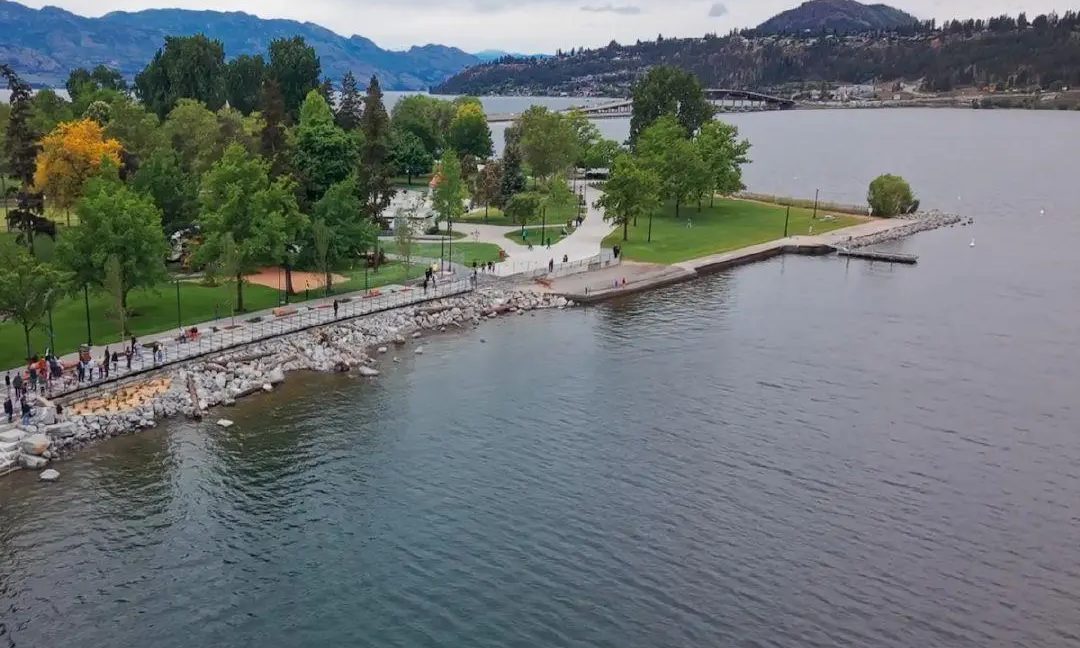
Waterfront design reveal scheduled for Sept. 20
Residents are invited to gather at the northwest corner of City Park on Sunday, Sept. 20, at 2 p.m. for the unveiling of the design for Kelowna’s future swim venue.
According to a press release, the special gathering will mark a key milestone for the long-planned project, bringing together supporters, community partners, and local residents to view the initial design and learn about upcoming steps for the new waterfront destination.
Part of broader City Park upgrades
The planned swim venue is one component of the broader City Park Improvement Plan. The overall initiative encompasses several enhancements to the area, including upgraded lighting, enhanced water access, a new boardwalk, and a relocated dog beach.
LOCAL
Why a Downtown Kelowna Assault Investigation Closed Without Charges
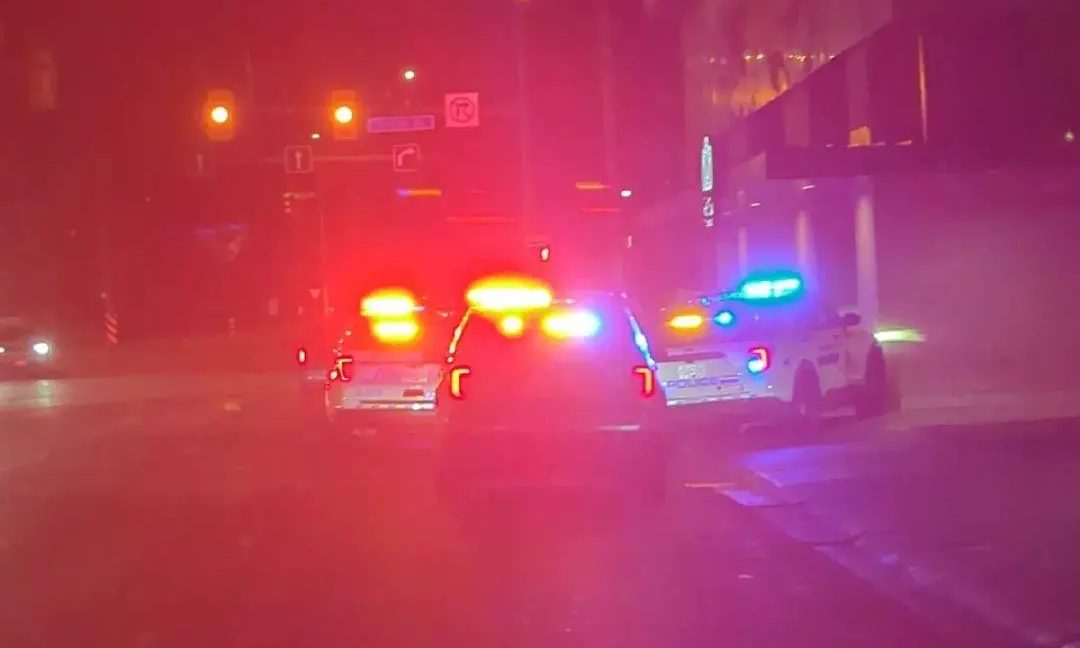
Kelowna RCMP have closed an investigation into an Aug. 9 downtown Water Street fight after the victim, who suffered serious injuries, decided not to press charges.
RCMP Conclude Downtown Incident
An investigation into an August incident in downtown Kelowna has been closed after the injured party chose not to press charges. Kelowna RCMP officers have now concluded their file on the matter.
Late-Night Altercation on Water Street
The incident occurred around 2:05 a.m. on Sunday, Aug. 9, in the 1600-block of Water Street. Patrolling officers observed a group engaged in a heated argument. Before police could step in, the dispute turned physical when one man struck another, causing him to fall to the ground and sustain serious injuries.
Suspect Arrested and Police Investigation Completed
Paramedics treated the injured man at the scene before transferring him to the hospital for further medical care. Police arrested the suspect on site, subsequently releasing them with conditions and a scheduled court date. Although RCMP gathered video surveillance, witness statements, and documentation to prepare a report for Crown Counsel, the victim ultimately decided against pursuing charges. What caused the initial argument and physical fight remains unknown.

How West Kelowna Residents Can Explore Heartfulness Meditation and Community Peace

Unveiling event offers residents a first look at Kelowna’s future waterfront swim venue
Your Current 3 Day Forecast — September 20, 2026

Dylan Cease struggles as Toronto pitching strain worsens in loss to Rangers
How Canada’s Prime Minister Is Building Stronger Trans-Atlantic Ties Close to Home
Montreal’s High-Powered Offense Holds Off Late Hamilton Comeback in East Clash
Opinion: John Rustad Has to Go
B.C. Supreme Court Grants Cowichan Tribes Title to Historic Richmond Lands and Fishing Rights

A Taste of Autumn: Fall Okanagan Wine Festival 2025

Vancouver Canucks Gear Up for a Make-or-Break 2025–26 Season

Kamloops Blazers Announce Off-Season Changes Ahead of 2025–26 Season
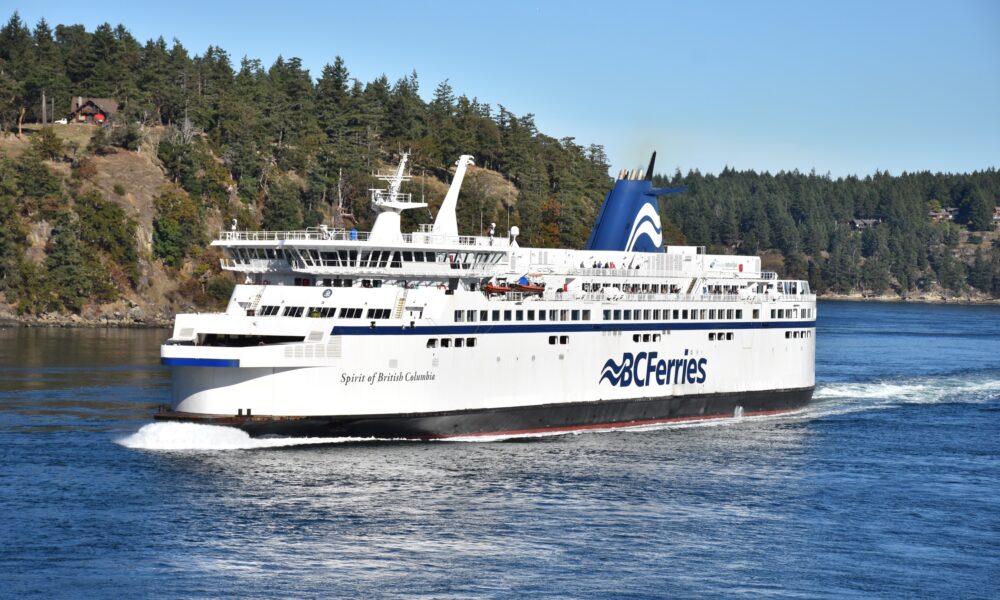
BC Ferries Sparks Outcry Over Contract with Chinese Shipyard
-
NATIONAL STORIES6 days ago
Remembering George Chuvalo: The Canadian Heavyweight Legend Who Never Got Knocked Down
-

 NATIONAL STORIES6 days ago
AI’s Biggest Warning May Be Coming From the People Building It
-

 COMMUNITY6 days ago
Navigating Blended Family Wills and Estate Options
-

 SPORTS6 days ago
How Video Adjustments Fuelled the Vancouver Canucks’ 5-2 Prospects Victory Over Seattle
-

 BC STORIES6 days ago
Uncertain Eyewitness Testimony at Center of Final Arguments in 2021 Restaurant Shooting Trial
-

 NATIONAL STORIES6 days ago
Vancouver’s Last Bike Couriers Race to Survive the Digital Age
-
WORLD7 days ago
What Trump’s Remarks Linking Canada to Iran Signal About International Negotiations
-
LOCAL7 days ago
Stephen Johnston Mayor by Acclamation