BC STORIES
Why B.C. Farms Are Struggling: New Study Explains the $457 Million Sector Loss
A UFV report reveals that while B.C. farms suffered a $457M loss in 2024, commercial sites earned $770M as rising debt and costs strain mid-sized operations.


Commercial Farms Retain Profitability Despite Heavy Sector Losses
A recent study by the University of the Fraser Valley (UFV) offers a fresh look at British Columbia’s agricultural landscape, clarifying that a reported $456.9 million aggregate loss for 2024 was largely driven by small-scale, sub-commercial operations. Commissioned by the BC Agriculture Council and BC Dairy, the report revealed that 74.4 per cent of the province’s farms generated under $100,000 in annual operating revenue, with over 40 per cent earning less than $10,000.
Study author and UFV assistant professor of agriculture Chris Bodnar highlighted that while these sub-commercial sites account for most of the net financial deficit, B.C.’s 4,100 commercial farms—representing 25.6 per cent of all agricultural properties—remained profitable. Commercial operations generated approximately $770 million in net operating income in 2024, achieving a 13.2 per cent profit margin. Overall output remains concentrated among top earners: less than four per cent of farms generate over $2 million in gross sales, yet they produce 68 per cent of B.C.’s total farm revenue.
Mid-Sized Operations Face Growing Financial Pressure
Despite commercial profitability, the UFV report warns that mid-sized farms generating between $500,000 and $1.99 million in revenue are rapidly shrinking. B.C. currently counts 1,150 mid-sized farms, but the segment has seen steady declines since 2015, dropping by five per cent in the $500,000 to $1 million category. By contrast, while Canada saw a two per cent decline in similar mid-sized operations nationwide, the country experienced a 39 per cent increase in farms making between $1 million and $2 million.
Bodnar noted that mid-sized farms serve as key indicators of broader industry health because they lack the outside income often supporting sub-commercial farms and cannot absorb shocks as easily as large corporate entities. Rapidly escalating expenses are compounding these pressures. Between 2022 and 2024, vegetable and beef producers saw labor costs increase by 4.9 per cent and 4.6 per cent, respectively. B.C. commercial farms also pay higher rent than the national average across nearly all sectors, with tree fruit and nut growers paying more than twice the Canadian average. Additionally, local poultry and dairy operations face feed costs six to seven per cent higher than national levels.
Surging Farmland Values and Debt Escalation
Soaring land values and expanding debt loads are further incentivizing mid-sized farmers to exit the industry. Farmland valuations in B.C. climbed 67 per cent between 2015 and 2023, while provincial farm debt has ballooned by 286 per cent since 2004—growing faster than in any other province. Bodnar pointed out that B.C. remains the only major agricultural province in Canada lacking a dedicated agricultural lending institution.
Danielle Synotte, executive director of the BC Agriculture Council, noted that the report provides factual validation for long-standing concerns regarding B.C.’s unique cost pressures. BC Dairy general manager Jeremy Dunn emphasized that clear data is vital for supporting future sector investment, noting that stability on the farm yields widespread economic and food security benefits across the province. Detailed findings are accessible via the UFV study portal at farmingattheedge.ca.

BC STORIES
Former MLA Brent Chapman and Kerry-Lynne Findlay Opt Out of B.C. Election
Former MLA Brent Chapman and Kerry-Lynne Findlay have withdrawn from the B.C. provincial election as candidate lists in Surrey South are finalized.
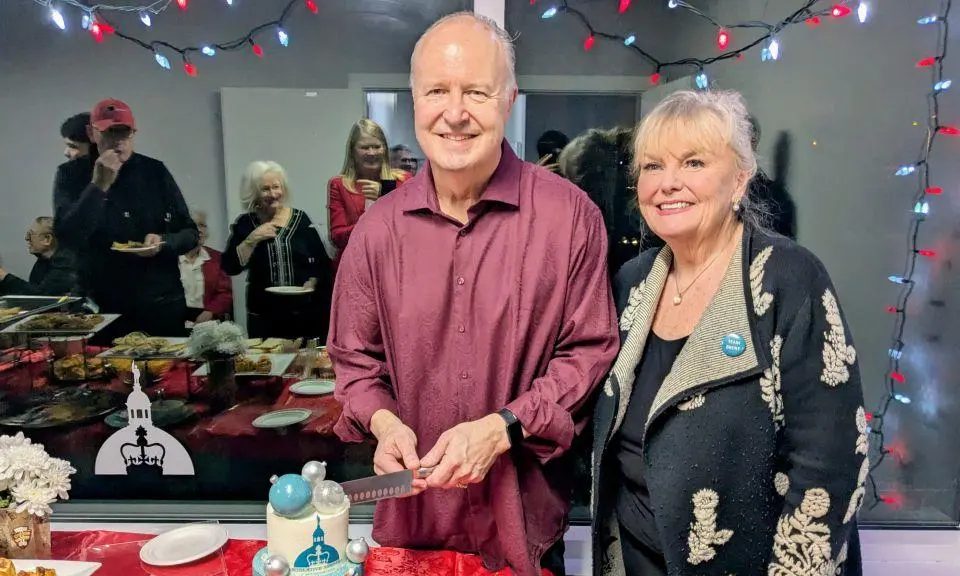
Ex-MLA and Former Conservative Leader Step Back
Former Surrey South MLA Brent Chapman will not be on the ballot for the upcoming provincial election. Chapman, who was previously set to represent OneBC in South Surrey, was omitted from the official Elections BC candidate roster following the Oct. 3 filing deadline. His wife, former Conservative Party of BC leader Kerry-Lynne Findlay, is also absent from the listings after resigning her leadership role on Sept. 20 amid an exodus of party MLAs.
Addressing his decision, Chapman stated he has “just had enough,” adding regarding Findlay’s departure, “Why would she be running? What would be the benefit of her running? I think, at some point, you stop.”
OneBC Responds to Candidate Exit
In a statement posted to social media, OneBC expressed complete support for Chapman’s decision to step down, noting that the pressure over recent months had been immense. The party stated that Chapman and Findlay faced “a torrent of threats and abuse” and claimed their conservative principles were rejected by Conservative Party of BC leadership.
Surrey South and Surrey-White Rock Slate Confirmed
With filings closed, five candidates are officially contesting the Surrey South riding. Denis R. Hurtubise is displayed as a OneBC contender on the party website, though Elections BC lists him as unaffiliated. The remaining candidates include CentreBC leader Elenore Sturko, Conservative Party candidate and outgoing White Rock mayor Megan Knight, BC NDP candidate Parik Tahlan, and BC Green Party candidate Bill McConnell. Knight withdrew from her municipal re-election campaign to join the provincial contest.
In the neighboring riding of Surrey-White Rock, six candidates are confirmed. Incumbent Conservative MLA Trevor Halford faces challenges from BC NDP candidate and former White Rock mayor Darryl Walker, BC Green Party candidate Christine Kinnie, CentreBC candidate Waqas Rana, OneBC candidate Amanda James, and independent candidate Kevin Diakiw.
Advance voting is scheduled for Oct. 16 to 21, ahead of final voting day on Saturday, Oct. 24. Local municipal elections take place one week prior, on Oct. 17.
BC STORIES
Why B.C. Driver Insurance Rates Could Shift Under a Proposed ICBC Overhaul
B.C. party leaders clash over ICBC’s no-fault insurance system following a leaked letter outlining Conservative plans for a hybrid coverage model.
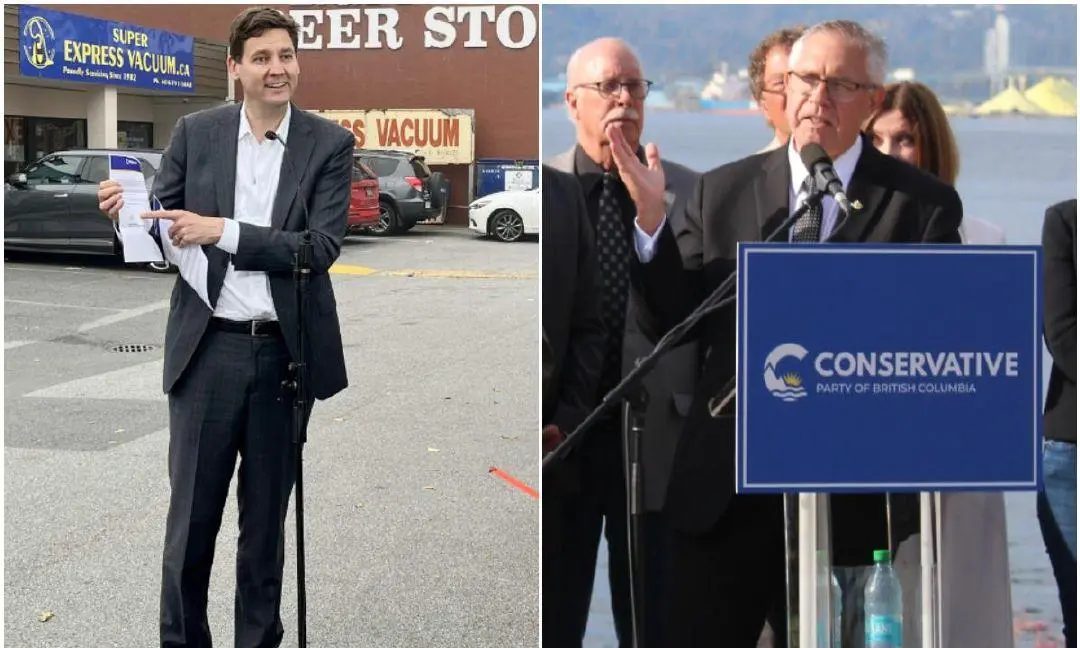
Political Clashes Erupt Over Leaked Correspondence
A debate over the future of auto coverage in British Columbia has intensified after a Sept. 29 correspondence signed by B.C. Conservative Leader Lorne Doerkson became public on Oct. 6. The document reveals party plans to move away from the current system managed by the Insurance Corporation of British Columbia (ICBC) if elected on Oct. 24.
Addressing reporters during an Oct. 7 campaign stop in Surrey, Doerkson outlined intentions to replace the existing model with a hybrid approach similar to those operating in Alberta, Ontario, and Atlantic Canada. He stated that the proposed platform would impose caps on legal fees while restoring the right of victims with catastrophic injuries to seek court recovery.
Disagreement Over Costs and Coverage
B.C. NDP Leader David Eby challenged the proposal during a media appearance in Surrey, displaying the document and arguing that reverting from the current care-based model would direct driver funds back to legal battles and drive up premiums. The Crown insurer transitioned to its “Enhanced Care” no-fault framework on May 1, 2021, a move it reported saved $1.5 billion by reducing litigation expenses.
In response, Doerkson acknowledged that insurance must remain affordable but maintained that individuals who suffer life-altering injuries are not receiving adequate support under the present regulations. His letter, addressed to legal and insurance sector groups, also noted that opening the market to private competition and capping minor-injury claims remain options under consideration.
BC STORIES
Voters face choice on family support as NDP campaign shifts focus away from U.S. tariff threats
B.C. NDP Leader David Eby shifts election campaign focus from Donald Trump’s trade threats to household affordability and health care ahead of the Oct. 24 vote.
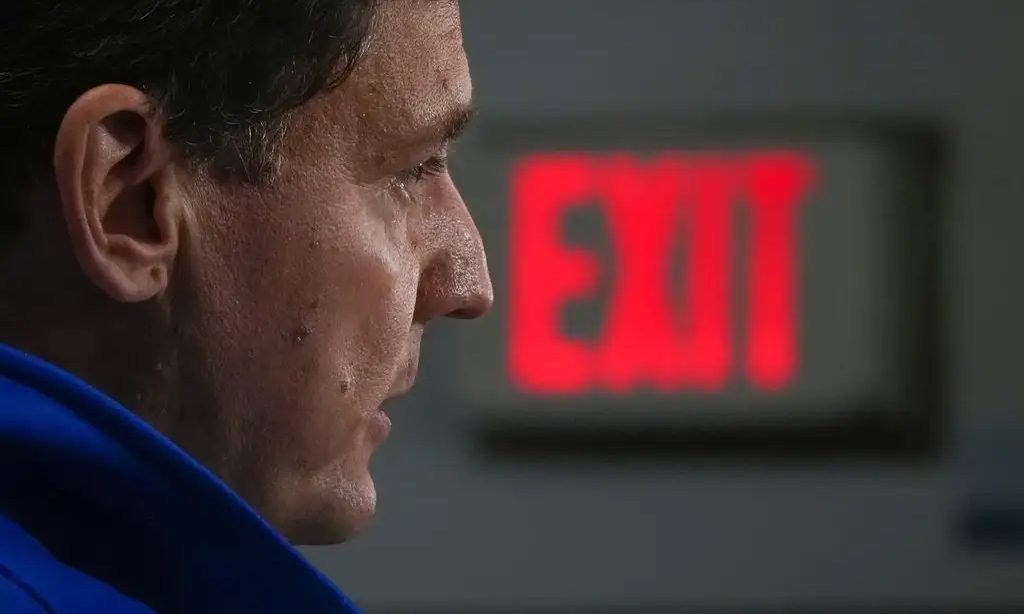
Affordability takes center stage in provincial campaign
With the provincial election set for Oct. 24, B.C. NDP Leader David Eby is emphasizing cost-of-living challenges over previous warnings about American trade policies. Speaking on Tuesday during a campaign event at the Victoria Curling Club, Eby noted that deciding which party can best assist families during difficult times remains the core issue for voters.
Acknowledging differing views on U.S. leadership
When Eby initiated the snap election on Sept. 22, he framed the campaign around building a “firebreak” to protect British Columbia from Donald Trump’s economic policies and political style. However, the NDP leader now acknowledges that his concerns regarding the U.S. president are not shared by everyone in the province.
“Whether you believe and accept that Trump is making it much worse, it doesn’t matter because you’re still understanding that the cost of living is significant, that we need a strong public health-care system if you and your family get sick,” Eby said.
Opposition calls for action over press releases
The stance comes alongside criticism from interim B.C. Conservative leader Lorne Doerkson, who described Trump at the start of the campaign as an “absolute bully.” Doerkson argued that confronting threats from the U.S. requires concrete action rather than issuing press releases.
Despite varying public anxieties, Eby maintains that U.S. actions continue to exert a real impact on British Columbians, even as his campaign shifts its primary focus back to household budgets and public services.

Former MLA Brent Chapman and Kerry-Lynne Findlay Opt Out of B.C. Election

Why Indy Dhial Is Seeking a Seat on Kelowna City Council in 2026

Why a Kelowna council candidate’s humorous signs are attracting international attention

Why B.C. Driver Insurance Rates Could Shift Under a Proposed ICBC Overhaul

What Incumbent Tom Dyas Wants to Do Next in Kelowna
Your Current 3 Day Forecast — October 8, 2026
Opinion: John Rustad Has to Go
B.C. Supreme Court Grants Cowichan Tribes Title to Historic Richmond Lands and Fishing Rights

A Taste of Autumn: Fall Okanagan Wine Festival 2025

Vancouver Canucks Gear Up for a Make-or-Break 2025–26 Season

Kamloops Blazers Announce Off-Season Changes Ahead of 2025–26 Season
BC Ferries Sparks Outcry Over Contract with Chinese Shipyard
-
 POLITICS5 days ago
What Local Voters Need to Know About the Penticton-Summerland Snap Election Candidates
-
SPORTS5 days ago
Remembering Lyle Odelein: Former Montreal Defenceman and Stanley Cup Winner Dies at Age 58
-
 POLITICS5 days ago
What to Know as Candidates Finalize for the October 24 B.C. Election
-
 LOCAL5 days ago
Summerland Transitions Remaining Properties to Prohibit-Entry Orders as Wildfire Evacuations End
-
 NATIONAL STORIES6 days ago
Why Conservative Leader Pierre Poilievre Questions Mark Carney’s New Pipeline Stance
-
 NATIONAL STORIES6 days ago
Unsuccessful AI Cyberattack Targets Historical Data on Canadian Government Site
-
 LOCAL5 days ago
Two Displaced as Investigators Eye Suspicious Four-Plex Fire in Kelowna
-

 BC STORIES5 days ago
Why a Familiar Political Name is Joining the Kamloops-North Thompson Race