NATIONAL STORIES
What Trade Dispute Escalations and Counter Tariffs Mean for Canadian Consumers
Pierre Poilievre calls on Mark Carney to reveal the cost of upcoming U.S. counter tariffs on goods like dairy and plywood, demanding full trade deal transparency.


Poilievre Demands Financial Transparency on Counter Tariffs
As Canada prepares to implement counter tariffs against American goods this Tuesday, Opposition Leader Pierre Poilievre is pressing the federal government for greater openness. Following the collapse of bilateral trade discussions last month, U.S. President Donald Trump introduced levies on a range of Canadian items, including honey, cement, and hockey sticks. Ottawa’s impending retaliatory duties are expected to hit American imports such as sunscreen, plywood, and dairy products.
Calls for Full Disclosure on Failed Trade Deal
Poilievre emphasized that the public deserves clear figures regarding the financial impact these counter tariffs will impose on domestic shoppers and businesses. He also pressed Prime Minister Mark Carney to reveal how the government intends to cushion those expenses. Furthermore, the Conservative leader reiterated demands for Ottawa to publish the complete document of the collapsed trade agreement, arguing that Canadians should see the precise terms Carney rejected.
Government Strategy and Focus on Cooperation
Responding to ongoing trade tensions in a Labour Day address, Prime Minister Carney stated that Canada remains focused on expanding its international commercial partnerships. He added that the nation performs at its best when citizens look out for one another during challenging times.







NATIONAL STORIES
Supreme Court Review Next for Federal Single-Use Plastics Ban
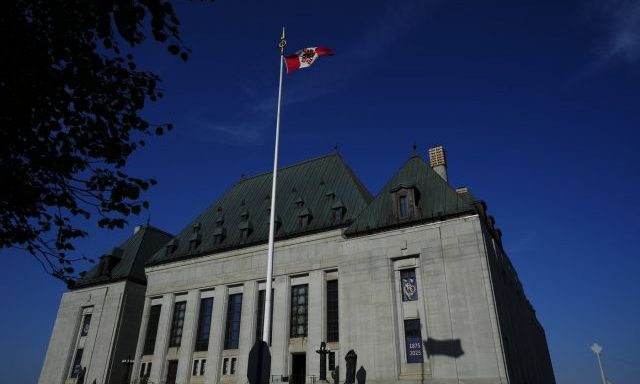
The Supreme Court of Canada will hear an appeal on the federal government’s single-use plastics ban following a Federal Court of Appeal decision in January.
Canada’s Highest Court Takes Up Plastics Case
The Supreme Court of Canada has agreed to review an appeal concerning the federal government’s restrictions on single-use plastics.
Previous Appellate Ruling
The move follows a decision made in January by the Federal Court of Appeal, which set aside an earlier lower court ruling. That January appellate outcome had permitted the federal government to keep its single-use plastics ban in place.
NATIONAL STORIES
Community Grief Deepens as Death Toll Hits Three in Tsawwassen Mall Crash
A third woman, Gwenyth Brigit Dwyn, has died following a fatal Sept. 30 pickup truck crash outside Tsawwassen Mills mall. Delta police continue investigating.
Third Victim Passes Away Following Collision
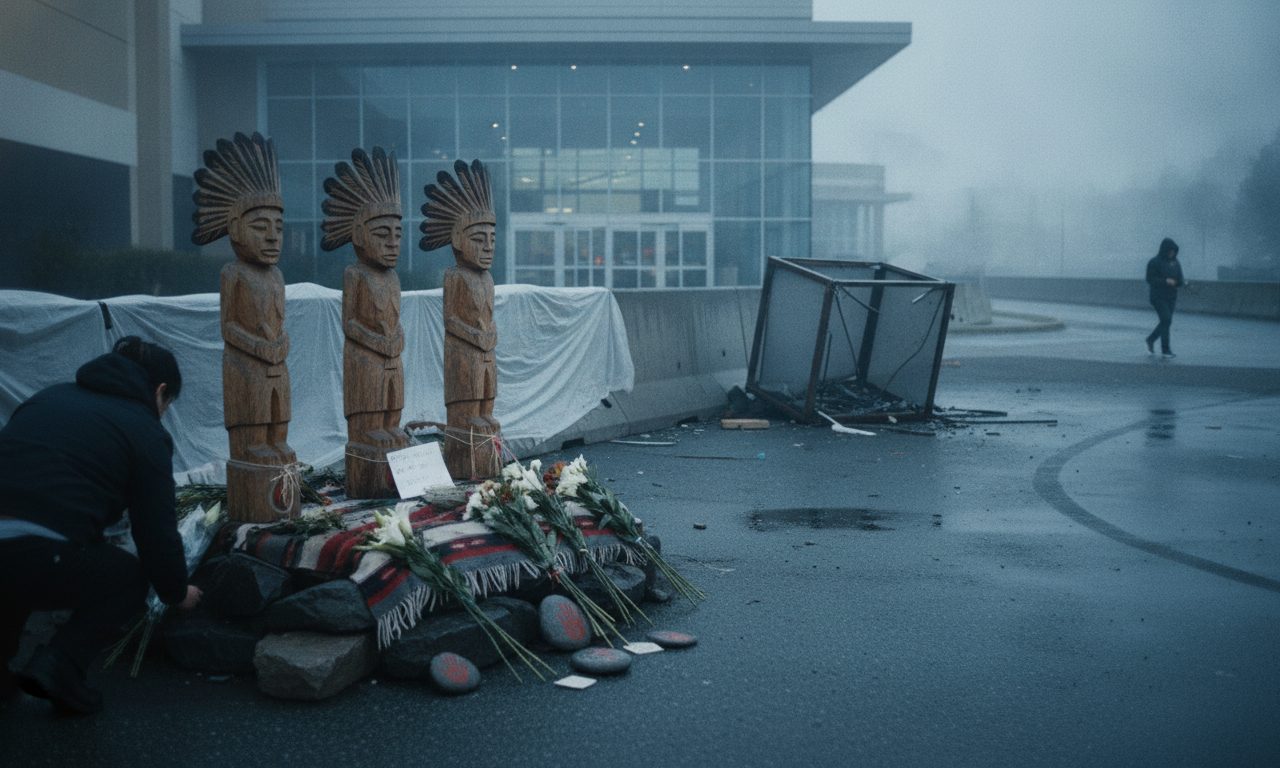
A tragic incident outside the Tsawwassen Mills mall on Sept. 30 has now claimed a third life. Delta police confirmed that 64-year-old Gwenyth Brigit Dwyn, a resident of South Delta, B.C., has passed away from injuries sustained when a pickup truck collided with pedestrians.
The crash initially killed two Tsawwassen First Nation elders at the scene, identified in social media statements by the nation as Virginia Splockton and wilapiya, also known as Barb Joe. A fourth victim injured during the incident has since been discharged from the hospital.
Investigation Into Driver and Cause Ongoing
The deadly collision occurred as the Tsawwassen First Nation was hosting a Truth and Reconciliation Day community walk, where attendees were gathering near the mall entrance for the unveiling of four traditional carvings. Authorities are still examining what caused the vehicle to strike the crowd.
Investigators are assessing whether the truck driver suffered a medical emergency prior to the crash. Delta police noted there is currently no evidence indicating the collision was intentional or motivated by ideology. Potential criminal charges will be submitted to prosecutors for evaluation if supported by evidence.
“We understand that the community has questions and wants answers about what occurred,” said Delta police Staff Sgt. Mike Whiteley in a statement. “Our responsibility is to ensure those answers are based on a complete and objective examination of the evidence. Investigators are working through a significant amount of information, and it is important that we not reach conclusions before that work is complete.”
NATIONAL STORIES
How Groomers Target Youth in Care and Why Experts Say Community Support Is Vital
New Brunswick police and youth advocates warn that human traffickers are actively targeting vulnerable teenagers living in government group homes.
Exploitation Risks Identified Across New Brunswick
Victims of human trafficking are being targeted as young as 13 years old, with perpetrators frequently waiting outside government group homes to groom vulnerable teenagers during their free time. According to testimony from a Saint John Police Department officer delivered in the Court of King’s Bench earlier this year, human trafficking operates as a form of modern-day slavery that is currently under active police investigation across New Brunswick.
Sgt. Holly Erb, sexual violence co-ordinator for the New Brunswick RCMP, confirmed that young people in care often fail to recognize the danger until circumstances escalate beyond their control. Statements from police forces across the province indicate that investigators have looked into multiple reports of youth in these care settings suffering sexual exploitation or being drawn into trafficking networks that take them to other cities.
How Grooming Tactics Manipulate Vulnerable Youth
Support workers note that the process rarely begins with overt violence. Maggie, a support worker with Moncton’s Community of Hope service for human trafficking victims, explained that perpetrators monitor home schedules and offer gifts like cigarettes, clothing, or trips to the shopping mall. Over time, these gestures fulfill survival and emotional needs for youth who may be living far from their families or home communities.
Ashley MacDonald of YWCA Brave in Moncton highlighted that perpetrators frequently act as a “Romeo pimp,” convincing young people they are in a romantic relationship. Liz Hawkes, a community ambassador at Community of Hope, noted that older traffickers use these tactics because younger victims yield higher financial returns. Once emotional ties or forced tattoos bind the youth, traffickers demand repayment for earlier gifts and establish control through fear.
Prevention and Recovery Efforts
Mel Kennah, executive director of Youth Impact Jeunesse, emphasized that young people who have suffered fractured relationships with adults are particularly susceptible to online and in-person recruitment. To counter this, advocates urge caregivers and community agencies to build consistent, stable connections with youth in care.
Addressing the issue requires greater collaboration and public education among police, social development workers, educators, health professionals, and community organizations, according to Sgt. Erb. For survivors, MacDonald emphasized that regaining personal autonomy is critical, as victims often require between five and 20 attempts before successfully escaping a trafficking situation.
Your Current 3 Day Forecast — October 16, 2026

What B.C. Party Leaders Promised During Their Only Televised Election Debate

Supreme Court Review Next for Federal Single-Use Plastics Ban

Town Halls and Healthcare Top Priorities as Stephen Johnston Prepares to Take Office in West Kelowna

Kelowna Voters Turn Out Early as Council Race Signals Potential Major Shift
Why a B.C. Thai Spot Just Made North American Culinary History
Opinion: John Rustad Has to Go

B.C. Supreme Court Grants Cowichan Tribes Title to Historic Richmond Lands and Fishing Rights

A Taste of Autumn: Fall Okanagan Wine Festival 2025

Vancouver Canucks Gear Up for a Make-or-Break 2025–26 Season

Kamloops Blazers Announce Off-Season Changes Ahead of 2025–26 Season

BC Ferries Sparks Outcry Over Contract with Chinese Shipyard
-

 COMMUNITY7 days ago
How Central Okanagan Residents Can Avoid Costly Household Plumbing Damage This Thanksgiving
-
NATIONAL STORIES7 days ago
What New Brunswick’s Latest Unemployment Figures Mean for Your Community
-
 LOCAL7 days ago
Where Provincial Jobless Rates Stood in September
-

 BC STORIES5 days ago
Why B.C.’s Conservative Campaign Face is Drawing Scrutiny Over Past Social Media Comments
-

 BC STORIES7 days ago
BC Supreme Court Judge Set to Rule on Sentence Length for Former Gang Member
-
3 days ago
Your Current 3 Day Forecast — October 13, 2026
-
WORLD5 days ago
Why Residents and Tourists on Mexico’s Pacific Coast Face Severe Threats From Hurricane Simon
-

 COMMUNITY4 days ago
What Vernon Motorists Need to Know About Upcoming 29th Street Delays