HEALTH
What Incumbent Tom Dyas Wants to Do Next in Kelowna
Incumbent Mayor Tom Dyas outlines his 2026 Kelowna election platform, focusing on public safety additions, housing, and major road projects.


Incumbent Outlines Priorities Ahead of Deadline
As part of an election feature by Black Press Media, incumbent Mayor Tom Dyas has presented his priorities for another term leading Kelowna ahead of the Oct. 17, 2026, municipal vote. Black Press Media invited the three official mayoral candidates—Dyas, Ron Cannan, and Andrew Uitvlugt—to submit video interviews and 500-word written statements by Oct. 1, with submissions published as received. All candidates completed the video segment, while Dyas was among those participating in the written portion.
Public Safety and Housing Commitments
Public safety remains a core pillar of Dyas’s platform. If re-elected, he pledges to create 75 new frontline public-safety roles and install a continuous 24/7 security presence across both Downtown and Rutland. He also advocates for a Treatment First strategy for addiction recovery, calling on the province to provide mandatory compassionate care, expanded detox capacity, and a regional recovery facility. Reflecting on his first term, Dyas noted that the city recruited 33 RCMP officers, 17 Bylaw Enforcement Officers, and 18 firefighters, contributing to three consecutive years of declining crime rates.
Addressing local housing, Dyas highlighted that Kelowna’s rental vacancy rate climbed from under 1 per cent in 2022 to 6 per cent. He cited the city’s 180 tiny homes, which helped over 125 individuals move into permanent or supportive housing, as part of his strategy to expand affordable living options and streamline development approvals.
Infrastructure and Community History
To reduce traffic congestion, Dyas plans to advance key road developments, including extending Clement Avenue, widening Glenmore, replacing the KLO Bridge, and improving Burtch, Hollywood, Stewart, and South Mission roads. He is also urging provincial support for a new Regional Transit Facility and a second lake crossing.
Dyas, a former business owner of 40 years and two-term Kelowna Chamber of Commerce president before his 2022 election, shared a historic local note: following a 1969 fire that destroyed the city’s old Aquatic Centre and Stadium, insurance funding helped establish the original Parkinson Recreation Centre, which the city is now working to replace.











HEALTH
Why B.C. Interior Residents Are Being Warned About Dangerous Unregulated Drugs
Interior Health issues alerts in Cranbrook, Kamloops, and the Kootenays over toxic illicit substances and counterfeit pills containing potent opioids.

Widespread Alerts Issued Across the Region
Health officials and police in B.C.’s Interior have raised concerns following a series of toxic drug warnings throughout the area. Recent findings reveal that several illicit substances differ significantly from how they are being marketed.
An alert published on Monday in Cranbrook highlighted that illicit substances sold as down, dope, tranq, and fentanyl contain tranquilizers and benzodiazepines. Interior Health warned that these specific additives do not respond to naloxone. Furthermore, the regional health authority detected fentanyl analogues, which are potent synthetic opioids structurally similar to fentanyl. According to Interior Health, combining medetomidine, ethylflualprazolam, and fentanyl analogues can result in extreme sedation extending beyond the duration of naloxone.
Fake Medication and Local Responses
Less than a week prior to the Cranbrook alert, Interior Health alerted the Kamloops area regarding fake Dilaudid tablets. While intended to mimic hydromorphone, testing revealed they actually contained isotonitazene, a potent opioid. Antoine Marcheterre, head of drug checking at Interior Health, noted, “You can’t tell these tablets apart from real ones. We’re really dealing with something that can end up being 50 to 100 times more potent than the tablet that it’s trying to imitate.” Fake tablets containing isotonitazene are estimated to be up to 50 times stronger than fentanyl.
Police in Salmon Arm also took action on Monday after responding to two suspected overdoses within 24 hours. Although the RCMP detachment could not identify the specific substance involved, officers urged users to always carry naloxone and avoid using alone. Earlier in the month, an alert was issued in the Kootenays when testing identified elevated levels of fentanyl analogues, medetomidine, and numerous types of benzodiazepines.
Safety Resources and Regional Impact
To reduce harm, Interior Health recommends utilizing overdose prevention sites, ensuring someone else is present when using drugs, and keeping naloxone on hand. Information on local drug checking locations is accessible at drugchecking.ca.
The current warnings arrive a decade after British Columbia officially declared the toxic drug crisis a public health emergency. B.C. Coroners Service records show 177 deaths related to unregulated drugs in the Interior Health region this year through August. In 2025, unregulated substances were linked to 321 deaths across the region.
BC STORIES
What 5 Neurologist Resignations Mean for Regional Health Care at Interior Health
Five Interior Health neurologists have resigned following expanded regional on-call demands, adding to previous physician departures in the B.C. region.
Five Specialists Step Down Following Regional On-Call Mandate
Five neurologists have resigned from their positions with Interior Health after being required to expand their on-call coverage across the entire health authority region via internet and telephone services. According to Doctors of B.C. president Adam Thompson, the mandate served as a tipping point after physicians expressed that the arrangement was not viable, citing concerns over workload levels.
Pattern of Physician Departures Across Regional Facilities
The decision marks another instance of staff departures within the health authority. Previous incidents include the resignation of all obstetricians and gynecologists at Kamloops’ Royal Inland Hospital last October due to workload, alongside four psychiatrists leaving Vernon Jubilee Hospital that same month. Furthermore, seven pediatricians resigned from Kelowna General Hospital between 2023 and 2025, which led to an internal report highlighting a decline in trust between physicians and administration.
Calls for Collaboration and Health Authority Response
Thompson stressed that health authority administrators must listen to and collaborate with frontline physicians to address ongoing service issues across provincial specialties. In response, Dr. Kirstie McLelland, executive medical director of clinical operations for Interior Health South, stated that election-period communication rules limited detailed comment, but affirmed that the authority remains committed to working with neurologists to meet staff rules and bylaws while delivering required care. She added that members of the public should not hesitate to seek neurology services if needed.
BC STORIES
B.C. Faces an Early and Hard-Hitting Flu Season as Symptoms Intensify
B.C. flu season arrives early as Health Canada reports elevated activity. Learn about the dominant H1N1 strain, severe symptoms, and vaccine availability.

Early Arrival and Severe Symptoms
Influenza activity in British Columbia has surged earlier than usual this year, bringing illness that health professionals describe as particularly intense. According to Health Canada data, flu test positivity across the province is running above average for this time of year, departing from the typical pattern where cases climb slowly toward a holiday peak.
Pharmacists note that the current wave is taking a heavier toll on patients compared to last year. Pharmasave pharmacist Fairuz Siraj stated, “This year it’s hitting hard. We’re seeing a lot of cases of people coming down, feeling ill, and taking more time to recover. A lot more severe type of illness than what we saw last year.”
Dominant Strain and Vaccine Alignment
Data from the Public Health Agency of Canada and the BC Centre for Disease Control show that B.C. registered a “moderate” flu activity level during the first week and a half of October, with wastewater indicators rising at multiple monitoring locations. Meanwhile, other Canadian provinces continue to report “low” or “very low” activity.
The dominant virus strain in circulation is H1N1, a form of Influenza A. On Oct. 7, B.C. Provincial Health Officer Dr. Bonnie Henry announced the launch of the provincial vaccination campaign 10 days ahead of the usual schedule. Because scientists anticipated that H1N1 would lead cases this season, the current vaccine was formulated specifically to target it. Dr. Brian Ward, a scientist at the McGill University Health Centre, noted that “so far, so good,” though he cautioned that flu viruses can mutate as the season progresses. Ward added it remains too early to know if mid-season mutations will occur and stated he is unaware of any predicted mutations that would reduce vaccine efficacy.
Vaccine Access Details
Free influenza immunizations are currently accessible to B.C. seniors and individuals in high-risk categories. Siraj advised that members of the general public seeking early protection may check walk-in clinics for availability or wait for their individual booking notification links, which are expected in late October or early November.
Your Current 3 Day Forecast — November 6, 2026

The Money Spoke Before the Voters Did: How B.C.’s Conservatives Turned Chaos Into Victory

What to expect as atmospheric rivers bring high winds to the Southern Interior

A 10-Year Plan to End Homelessness: What Canada’s New Budget Allocates for Housing and Services

Escorts and Curfew Imposed in Bella Coola Following Fatal Bear Attack

Highway Cell Blind Spots Spark Concerns After Rural B.C. Bus Crash
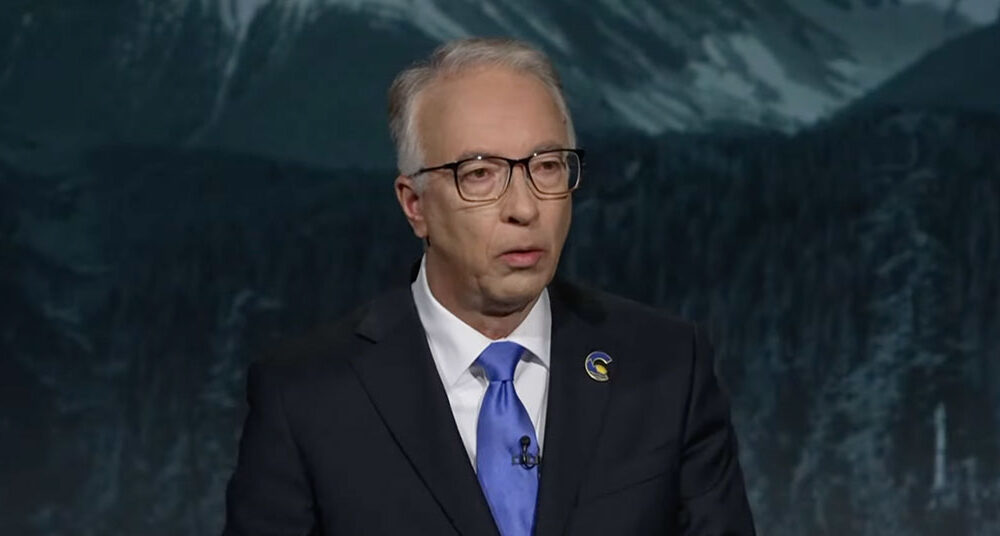
Opinion: John Rustad Has to Go
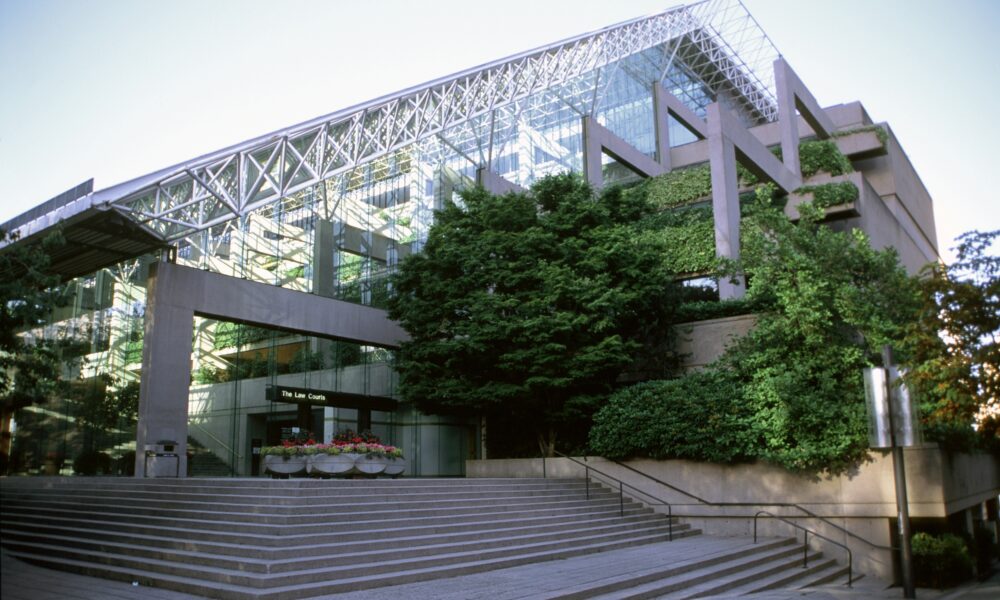
B.C. Supreme Court Grants Cowichan Tribes Title to Historic Richmond Lands and Fishing Rights

A Taste of Autumn: Fall Okanagan Wine Festival 2025

Vancouver Canucks Gear Up for a Make-or-Break 2025–26 Season

Kamloops Blazers Announce Off-Season Changes Ahead of 2025–26 Season

BC Ferries Sparks Outcry Over Contract with Chinese Shipyard
-
6 days ago
Your Current 3 Day Forecast — October 31, 2026
-
4 days ago
Your Current 3 Day Forecast — November 2, 2026
-

 LOCAL4 days ago
Why two Kamloops MLAs see value in a brief sitting before spring
-

 HEALTH7 days ago
Why B.C. Interior Residents Are Being Warned About Dangerous Unregulated Drugs
-

 COMMUNITY3 days ago
The week ahead in Okanagan: Mon 2 — Sun 8 November
-

 BC STORIES3 days ago
Community Rallies to Secure Federal Protection for Historic O’Keefe Ranch
-

 COMMUNITY4 days ago
Welcome Your New Municipal Leaders as Central Okanagan Councils Prepare to Take Office
-
BC STORIES7 days ago
New Trial Ordered for Vancouver Driver acquitted After Fatal 2021 Crash