BC STORIES
BC Conservatives Promise Forestry Overhaul to Revive Jobs as NDP Points to Millions in Existing Investment
BC Conservative Leader Lorne Doerkson pledged faster permits and higher harvest goals during a Maple Ridge stop, drawing criticism from the BC NDP.

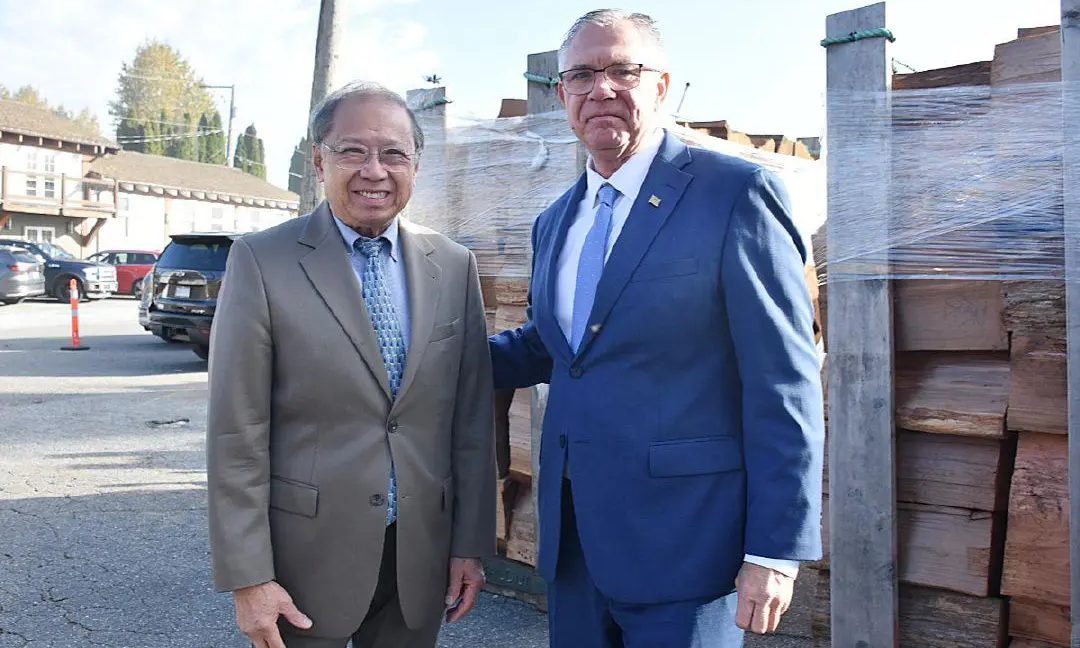
BC Conservative Leader Pledges Major Permit Streamlining and Harvest Expansion
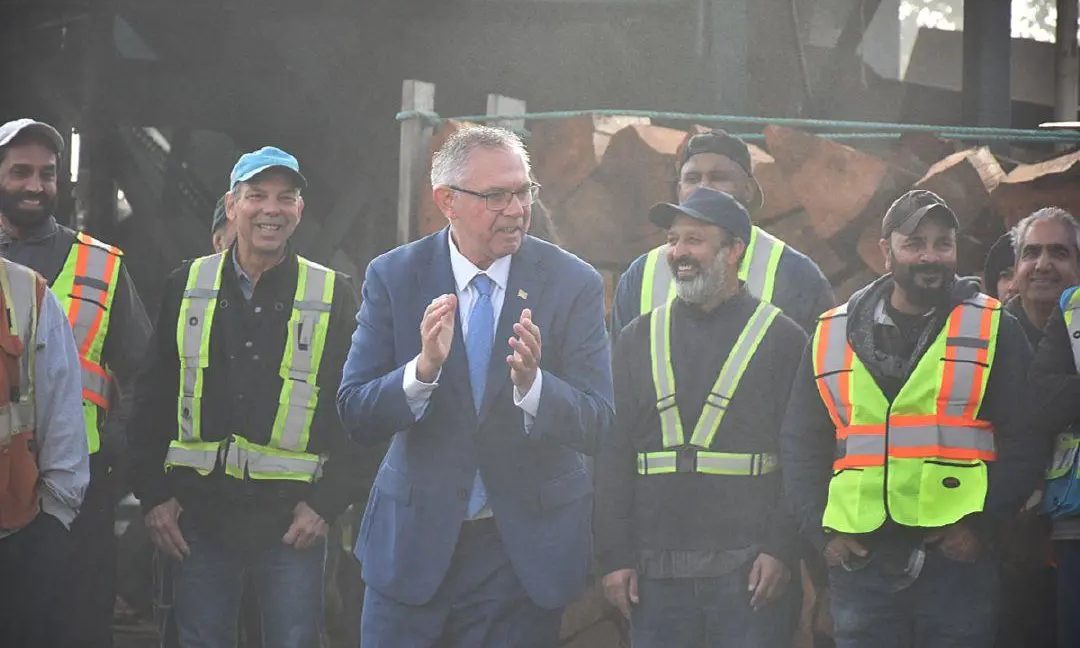
During an Oct. 19 campaign visit to Waldun Forest Products in Maple Ridge, BC Conservative Party Leader Lorne Doerkson outlined his party’s vision to revitalize the provincial forest industry. Joined by incumbent candidate Lawrence Mok in Maple Ridge East, Doerkson pledged to speed up approvals, lower operational expenses, and provide timber processors with more predictable access to raw materials.
Doerkson proposed a centralized, major-project-style framework for forestry approvals designed to reduce wait times from years to months. Criticizing the current administration, he stated that the provincial harvest has consistently missed the allowable annual target of 44,372,144 cubic metres. If elected, he aims to establish a minimum annual cut of 45 million cubic metres while keeping environmental safeguards in place.
Debate over Industry Shutdowns and Funding Platform
Addressing mill closures across British Columbia, Doerkson alleged that red tape and added regulatory expenses under the NDP administration led to the permanent or temporary shutdown of at least 21 lumber facilities since 2023, along with the loss of approximately 15,000 sector jobs over four years. To counter these losses, he promised competitive tax adjustments, increased support for value-added wood processors, and investments in Indigenous skills training to ensure First Nations benefit from federal sector funding.
In response, Hudson Campbell, the BC NDP candidate for Maple Ridge East, countered that the Conservative forestry commitment offers only $17 million in funding over two years and lacks a designated budget for its Indigenous training promises. Campbell pointed to the NDP platform, which earmarks $270 million for the sector, including $120 million for a Forestry Jobs Protection Fund and a doubling of the BC Manufacturing Jobs Fund to support workers, mill operations, and local economies.





BC STORIES
Police Seek Witnesses After Fatal Wrong-Way Collision Near Merritt
A 24-year-old Surrey man died Saturday in a head-on crash on Highway 5 near Merritt. BC Highway Patrol seeks witnesses for suspected impaired driving.
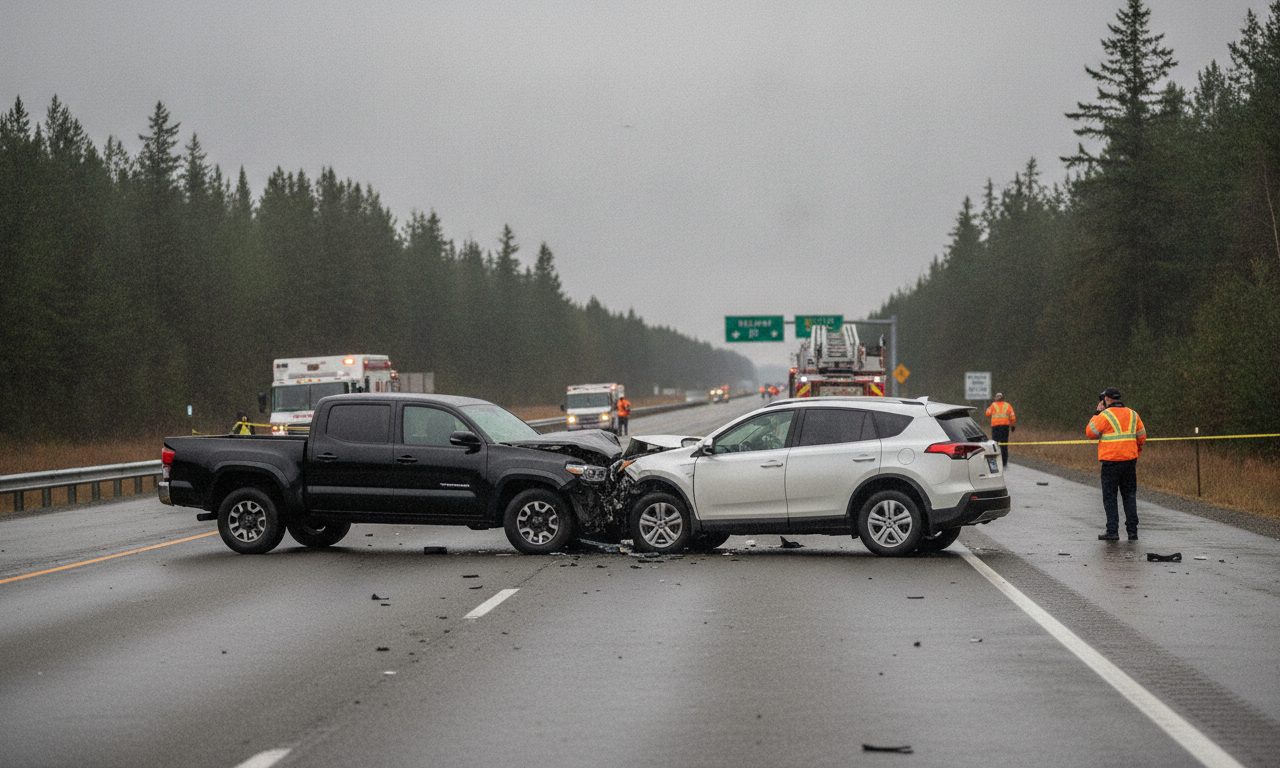
Surrey Man Dies in Coquihalla Collision
A 24-year-old man from Surrey died Saturday following a head-on collision on Highway 5 near Merritt. The fatal crash took place around 8:30 a.m. on Oct. 17, just south of the Helmer exit.
Multiple Injuries Reported
Emergency responders arrived at the scene after receiving several reports regarding a southbound vehicle traveling in the northbound lanes. They found a black Toyota Tacoma and a white Toyota Rav 4 heavily damaged. The 24-year-old victim was a passenger in the Rav 4 and was pronounced dead at the scene. Three other men from Surrey inside the Rav 4, including the driver, suffered serious injuries and were transported to a hospital. The injured passengers and driver are between 24 and 38 years old.
Police Investigate Suspected Impairment
The sole occupant of the Toyota Tacoma, a 22-year-old man from Coldwater, sustained minor injuries. Authorities detained him under suspicion of impaired driving.
Appeal for Video and Witnesses
BC Highway Patrol is seeking assistance from anyone who observed the Tacoma prior to the crash. “We need more video and witnesses who can tell us what the driver of the black Toyota Tacoma was doing before he started driving,” said BC Highway Patrol spokesperson Michael McLaughlin. “Some witnesses say the black Toyota Tacoma entered Highway 5 near Lac Le Jeune. If you saw what the driver was doing before he started driving, we need to talk to you.”
Individuals who witnessed the events leading up to the crash or have dash-camera footage are urged to contact BC Highway Patrol in Kamloops at 250-828-3111, referencing file (2100) 2026-2997.
BC STORIES
Questions Raised Over B.C. Conservative Economic Growth Targets and Health Contingency Cuts
The B.C. Conservative Party platform projects 3.2% economic growth to cut deficits, sparking debate over health contingency funds and revenue forecasts.
Optimistic Growth Projections at Heart of Platform
The B.C. Conservative Party has unveiled a fully costed platform that envisions reducing the provincial deficit from $13.7 billion this year to $10.8 billion by 2029. To achieve this, the plan relies on economic growth targets reaching 3.2 per cent by 2029, following projected increases of 2.5 per cent this year and 2.8 per cent next year. Conservative Leader Lorne Doerkson stated that his party plans to “supercharge” the economy and described their outlook as having “roughly one per cent more optimism in this province than the NDP.” Doerkson expressed confidence that unlocking business confidence—noting he recently met with three prospective industry groups holding $1.5 billion in potential investments—would generate new tax revenues to offset promised tax cuts and infrastructure projects, such as building a new Massey bridge.
Economist and Political Rivals Question Figures
The party’s growth figures exceed forecasts from major financial institutions and independent experts. The Bank of Canada anticipates national GDP growth of 0.7 per cent this year and 1.8 per cent in subsequent years, while the Royal Bank of Canada projects B.C.’s economy to grow by 0.8 per cent this year and 1.5 per cent next year. Ross Hickey, an associate professor of economics and management at UBC Okanagan, described the Conservative targets as unlikely, offering his own “cautiously optimistic” estimate of one per cent annual growth. Hickey noted that B.C. relies heavily on global economic performance as an export market and remarked that slogans about supercharging the economy lack an actionable blueprint for expansion.
NDP Highlights Potential Health Funding Impacts
B.C. NDP figures strongly criticized the Conservative budget plan, asserting that the revenue and spending pledges do not balance without severe service reductions. NDP Leader David Eby questioned how $5 billion could be spent without new revenues or service cuts. B.C. NDP candidate Adrian Dix specifically pointed to proposed $1-billion annual reductions over the next two years to the province’s $5-billion contingency fund, which the Conservatives term a “slush fund.” Dix stated that drawing down this reserve directly threatens health-care funding used to cover emergency surgical needs, caseload pressures, and hospital staffing. In response to platform critiques across all political parties, Hickey noted that competing party proposals also face significant flaws, pointing out that the Greens’ wealth tax proposal risks capital flight while the NDP has driven deficits to record levels while missing targets like universal $10-per-day child care.
BC STORIES
How B.C.’s Political Parties Plan to Handle the Rise of AI Data Centres
Ahead of B.C.’s election, political parties outline differing proposals on AI data centre expansion amid concerns over water and electricity supplies.
Data Centre Expansion Sparks Debate Ahead of Provincial Election
With British Columbia’s election day under a week away, provincial political parties are setting out divergent strategies on how to manage the development of artificial intelligence data centres.
Concerns regarding these facilities center primarily on their heavy demands for power and water, as well as noise and air pollution linked to on-site generators. While B.C. relies heavily on hydroelectric power, ongoing drought conditions have forced the province to import electricity from the United States in recent years. Energy Futures Institute chair Barry Penner noted that the province might face power shortages in the coming years due to insufficient local generation.
Party Platforms and Proposed Regulations
The B.C. Greens are pressing for an immediate halt to new construction until stricter environmental rules are implemented. Party Leader Emily Lowan criticized the province for letting tech firms dictate terms rather than independently assessing costs and benefits.
In contrast, the governing B.C. NDP points to its Energy Statutes Amendment Act, which forces data centre applicants to compete for limited electricity supplies. NDP Leader David Eby noted that proponents must meet specific criteria, such as paying higher power rates, using closed-loop water systems to prevent waste, and involving First Nations.
B.C. Conservative Leader Lorne Doerkson acknowledged the importance of data centres but stressed that water availability remains a critical issue across unexpected regions of the province. Meanwhile, OneBC spokesperson Wyatt Claypool stated the party evaluates projects based on community impact, time, place, and manner rather than taking an outright stance.
Federal Backing and Expert Perspectives
Earlier this year, federal authorities announced support for Telus-led sovereign AI data centre clusters in Vancouver and Kelowna. Telus stated these facilities will rely on 98 per cent clean hydro energy, consume 90 per cent less water than standard facilities, and capture waste heat for 150,000 homes. Meanwhile, B.C. Hydro continues to review new applications.
University of British Columbia economics professor Werner Antweiler urged caution, recommending that the province take a measured approach now to avoid costly mistakes later.

Vancouver Canucks Honour Beloved Broadcaster John ‘Cheech’ Garrett During Home Game

Why B.C. Lions Starters Are Resting as the Regular Season Concludes Against Winnipeg

How Minor Parties and Strategic Balloting Could Shift the Upcoming B.C. Election

Why Alberta’s Government Is Ruling Out Future Separation Votes

BC Conservatives Promise Forestry Overhaul to Revive Jobs as NDP Points to Millions in Existing Investment
Your Current 3 Day Forecast — October 22, 2026
Opinion: John Rustad Has to Go
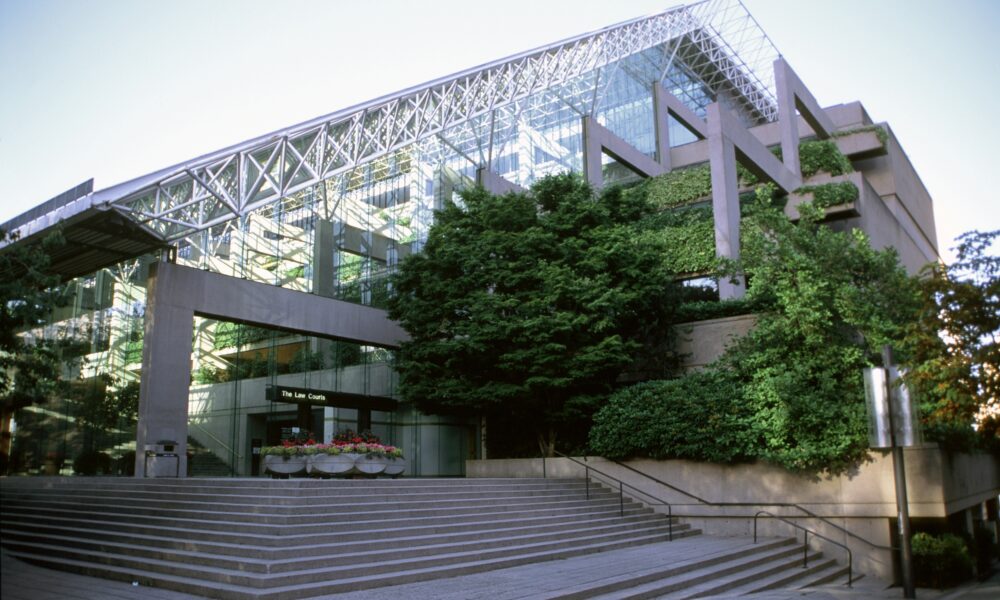
B.C. Supreme Court Grants Cowichan Tribes Title to Historic Richmond Lands and Fishing Rights

A Taste of Autumn: Fall Okanagan Wine Festival 2025

Vancouver Canucks Gear Up for a Make-or-Break 2025–26 Season

Kamloops Blazers Announce Off-Season Changes Ahead of 2025–26 Season
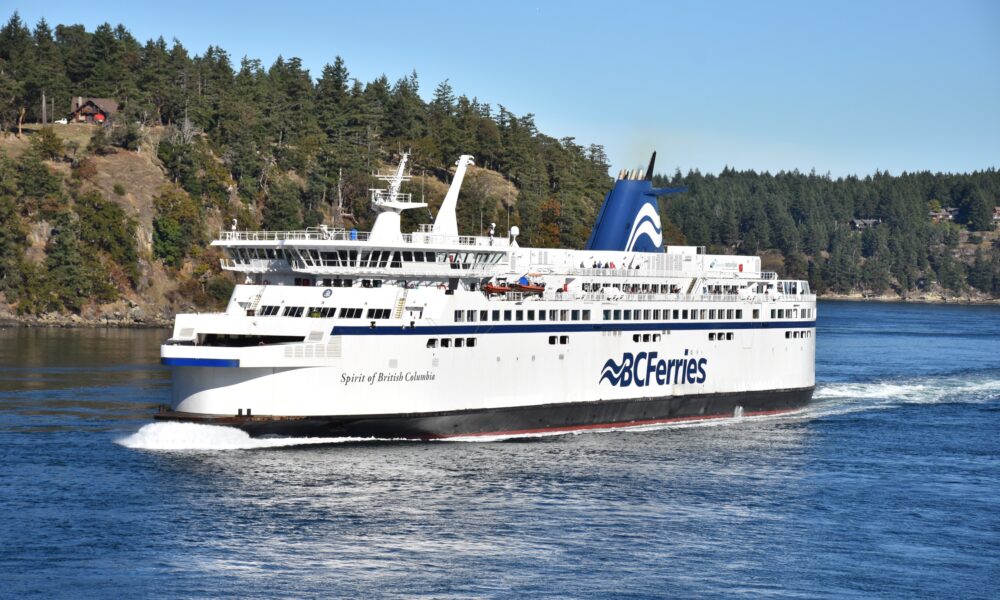
BC Ferries Sparks Outcry Over Contract with Chinese Shipyard
-
BC STORIES6 days ago
Why a Major Political Shift is Shaking Up the B.C. Provincial Election Final Weekend
-

 POLITICS6 days ago
Why Incumbent Harwinder Sandhu Is Asking Vernon-Lumby Voters for Another Term
-
4 days ago
Your Current 3 Day Forecast — October 18, 2026
-
5 days ago
Your Current 3 Day Forecast — October 17, 2026
-

 LOCAL6 days ago
Volunteer Dive Team Uses Farming GPS Technology to Bring Closure to Grieving Okanagan Family
-

 COMMUNITY5 days ago
Recovery of missing paddleboarder on Okanagan Lake brings closure to family and community
-
3 days ago
Your Current 3 Day Forecast — October 19, 2026
-

 COMMUNITY4 days ago
Kelowna Voters Elect Five New Council Members as Four-Term Incumbent DeHart Exits