All posts tagged "Tariffs"
-
NATIONAL STORIES3 weeks ago
Why Changing Canada-U.S. Trade Dynamics Could Redefine the Country’s Economic Future
The escalating Canada-U.S. tariff war could permanently reshape cross-border trade as Canadian companies seek alternative global markets, experts say.
-
 NATIONAL STORIES3 weeks ago
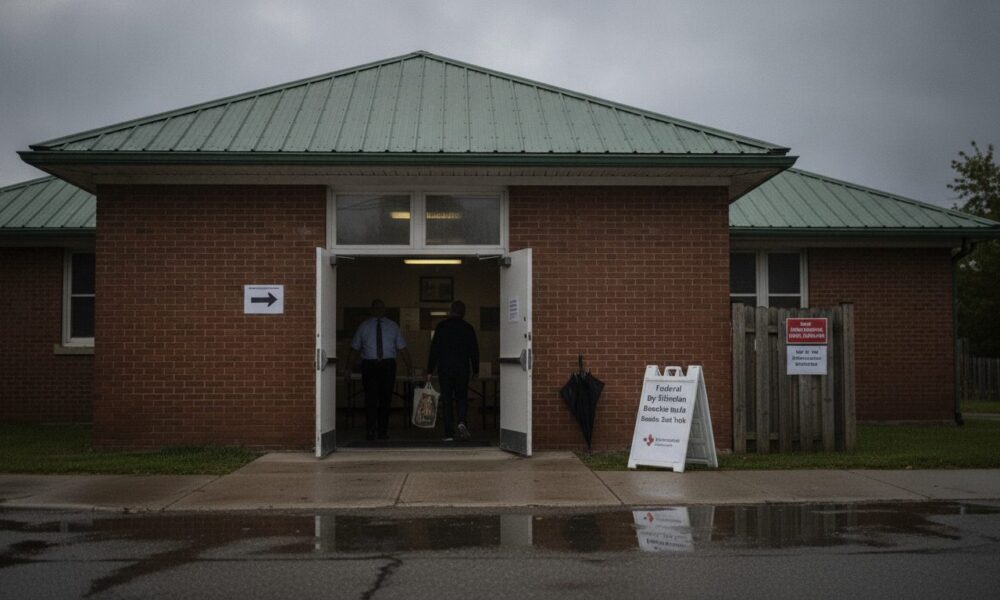
Trade Tariffs and Federal Seats at Stake as Voters Go to Polls in Three Provinces
Voters head to the polls Monday in three federal by-elections across B.C., Ontario, and Quebec as trade tensions with the U.S. influence local campaigns.
-
 LOCAL3 weeks ago
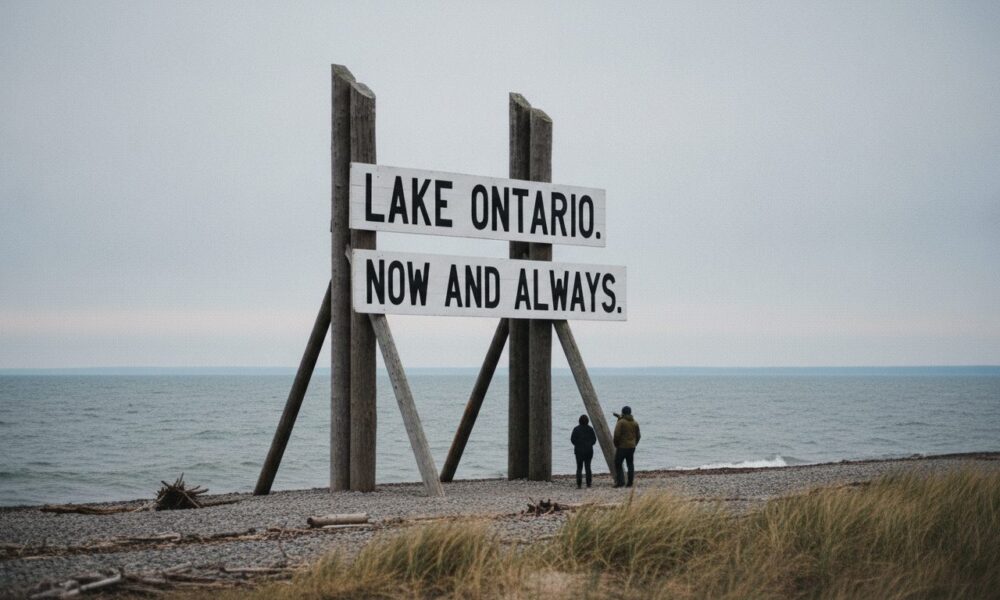
Why a New Shoreline Sign Is Defending Lake Ontario’s Historic Name
Ontario Premier Doug Ford installs a shoreline sign to keep Lake Ontario's name after US President Donald Trump signs an order renaming it Lake America.
-
NATIONAL STORIES3 weeks ago
Why Quebec’s New General Election Campaign Is Focusing on U.S. Trade and Donald Trump
Quebec's election campaign opened Aug. 27, 2026, with CAQ Leader Christine Fréchette citing U.S. President Donald Trump and tariffs as key issues for voters.
-
NATIONAL STORIES3 weeks ago
How Canada’s retaliatory tariffs and $7.5B relief package could affect local consumers and businesses
Canada responds to U.S. trade measures with 50% tariffs on American steel, tech, and consumer goods, alongside a $7.5-billion aid package for businesses.
-
BC STORIES4 weeks ago
What Escalating Canada-U.S. Tariffs Mean for B.C. Jobs and Local Businesses
B.C. Premier David Eby backs retaliatory tariffs against the U.S. as business groups warn that 11,200 provincial jobs could be threatened by the trade dispute.
-
BC STORIES4 weeks ago
What Trade Breakdown Means for Canada as Carney Vows Retaliatory Tariffs
Prime Minister Mark Carney rejects U.S. trade offer, triggering 50 per cent tariffs. Canada vows retaliatory levies starting Sept. 8 as leaders react.
-
NATIONAL STORIES4 weeks ago
What to Know About Canada’s Plan to Counter 50 Per Cent U.S. Tariffs Next Month
Prime Minister Mark Carney says Canada will match 50% U.S. tariffs dollar-for-dollar starting Sept. 8 after cross-border trade negotiations broke down.
-
BC STORIES4 weeks ago
What the Canada-U.S. Trade Breakout Means for B.C. Consumers and Businesses
B.C. Premier David Eby and PM Mark Carney respond as Canada-U.S. trade talks collapse, triggering dollar-for-dollar retaliatory tariffs after Labour Day.
-
 NATIONAL STORIES4 weeks ago
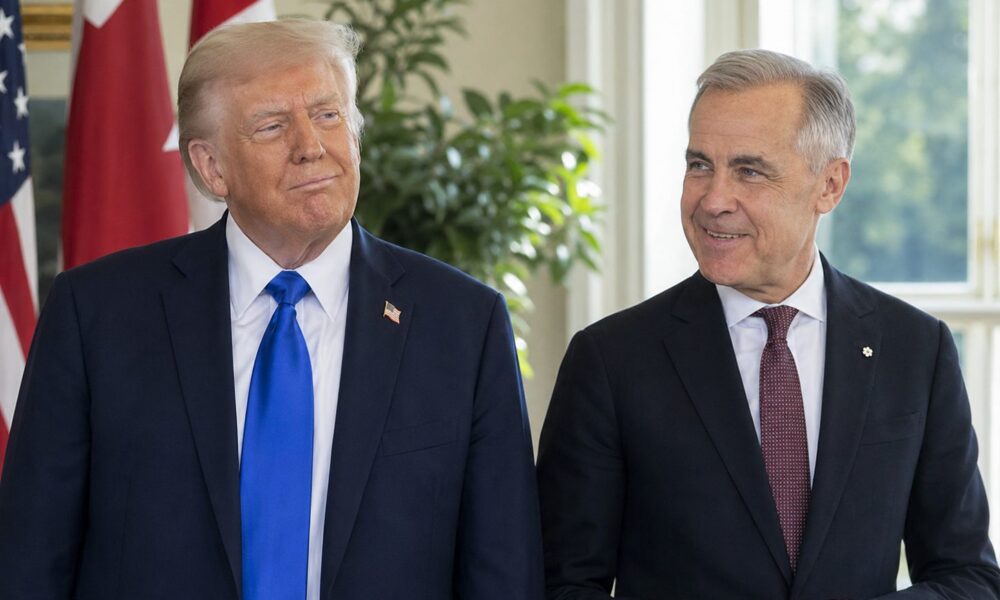
Carney’s Exit From U.S. Trade Talks Leaves Canadian Exporters Facing 50% Duties
U.S. tariffs of 50% hit $28B in Canadian exports as Prime Minister Mark Carney suspends trade negotiations, impacting electronics, wood, and plastics.
Your Current 3 Day Forecast — September 20, 2026

Dylan Cease struggles as Toronto pitching strain worsens in loss to Rangers
How Canada’s Prime Minister Is Building Stronger Trans-Atlantic Ties Close to Home
Montreal’s High-Powered Offense Holds Off Late Hamilton Comeback in East Clash
What to Know Ahead of Alberta’s Oct. 19 Vote on a Separation Referendum
What to Know About the Alasko Frozen Raspberry Recall Following Illness Reports
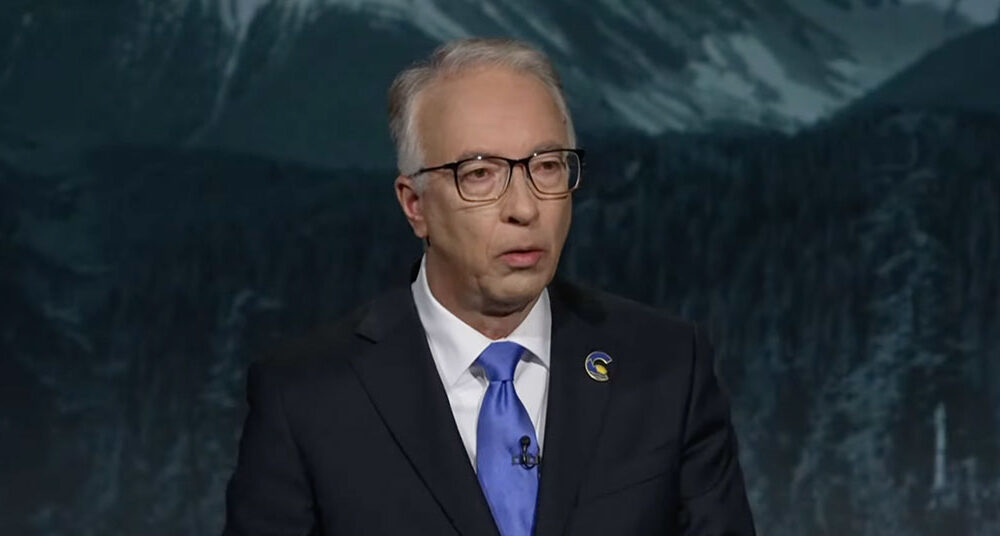
Opinion: John Rustad Has to Go

B.C. Supreme Court Grants Cowichan Tribes Title to Historic Richmond Lands and Fishing Rights

A Taste of Autumn: Fall Okanagan Wine Festival 2025

Vancouver Canucks Gear Up for a Make-or-Break 2025–26 Season

Kamloops Blazers Announce Off-Season Changes Ahead of 2025–26 Season