business
Mark Carney Unveils Powerhouse Advisory Council to Shield Canada-U.S. Trade
Mark Carney reveals a new advisory council for Canada-U.S. trade, featuring industry leaders and former Conservative MPs to navigate CUSMA renegotiations.


A Strategic Coalition for Economic Stability
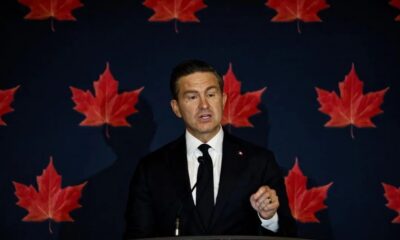
In a decisive move to bolster cross-border relations, Mark Carney has announced the formation of a high-level advisory committee on Canada-U.S. Economic Relations. The newly established council brings together a diverse group of industry titans, labor leaders, and cross-partisan political figures, aimed at navigating the increasingly complex trade landscape with Canada’s largest economic partner. Led by Canada-U.S. Trade Minister Dominic LeBlanc, the committee is tasked with serving as a primary forum for expertise and strategy as the two nations face looming trade pressures.
Top Industry and Political Voices Recruited
The council’s roster is a “who’s who” of Canadian industry, specifically targeting sectors vulnerable to tariffs. Key members include Jean Simard of the Aluminum Association of Canada, Flavio Volpe of the Automotive Parts Manufacturers’ Association, and Susan Yurkovich of Canfor. The inclusion of labor voices like Unifor’s Lana Payne and the Québec Federation of Labour’s Magali Picard suggests a concerted effort to build a broad national consensus on trade priorities.
Notably, the group bridges the political divide by including prominent former Conservative figures such as former party leader Erin O’Toole and former MP Lisa Raitt, alongside former Québec Premier Jean Charest and former Nunavut Premier P.J. Akeeagok. This bipartisan approach is seen as a strategic hedge against political volatility in Washington, ensuring that Canadian interests remain consistent regardless of which party holds power in either nation.
Urgency Amid CUSMA Renegotiations
The timing of the council’s formation is critical. U.S. Trade Representative Jamieson Greer recently signaled that resolving trade disputes before the July 1 CUSMA renegotiation deadline is unlikely, even suggesting that Canada currently lags behind Mexico in substantive trade discussions. With the global environment growing “more dangerous and divided,” as Carney recently noted, the council must work rapidly to secure Canada’s economic interests.
The council is scheduled to hold its inaugural meeting on April 27, 2026, where it will begin drafting a roadmap for negotiations that cover everything from dairy and lumber to the critical automotive and energy sectors. By leveraging the expertise of leaders from TC Energy, Agropur, and the Canadian Chamber of Commerce, the government aims to present a united front against potential protectionist measures.


business
Mark Carney Defends Gordie Howe Bridge Revenue Split Amid ‘Capitulation’ Accusations
Prime Minister Mark Carney defends the new Gordie Howe Bridge revenue deal with the U.S. amid criticism of capitulation to the Trump administration.
A Contentious Opening for Canada’s Newest Border Link
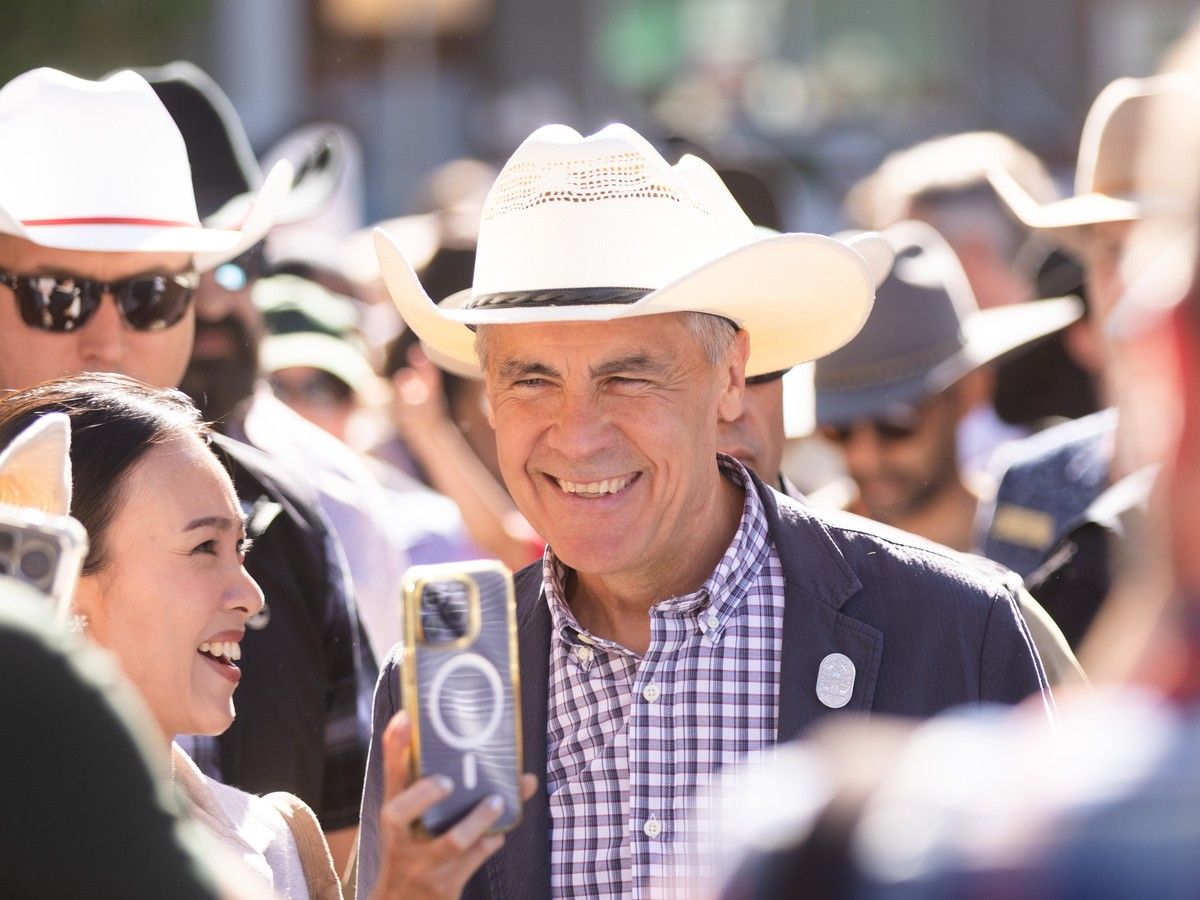
Prime Minister Mark Carney is pushing back against growing criticism over a revised revenue-sharing agreement for the Gordie Howe International Bridge. Speaking from the Calgary Stampede on Sunday, Carney defended the deal as a necessary step for economic expansion, despite accusations from political opponents that the government caved to pressure from the Trump administration.
The $6.4-billion bridge, which connects Windsor, Ontario, with Detroit, Michigan, is officially scheduled to open on July 27. The project was entirely funded by Canada, and under the original 2012 agreement, Canada was slated to collect all toll revenues until its construction costs were fully recouped. However, the new terms include a profit-sharing mechanism with the United States that has sparked a domestic political firestorm.
The ‘Net’ Revenue Defense
Addressing the revised financial structure, Carney emphasized that Canada will still prioritize debt recovery. “The word ‘net’ does a lot of work in this,” Carney told CTV. “We get the revenues. Then the servicing of the costs of the bridge and paying the debt of the bridge, and then what’s left over, there’s a split of that for 15 years.”
Carney argued that the funds allocated to an economic development fund on the U.S. side would ultimately benefit Canada by driving more traffic to the crossing. He dismissed the idea that Canada was losing out, asserting that after costs are covered, there would likely be very little “net” profit left to split, making it a “good deal for Canada” in the long term.
Political Backlash and Trump’s Influence
The deal has been met with sharp condemnation from Conservative MPs. Andrew Lawton labeled the agreement a “capitulation,” while Calgary Heritage MP Shuv Majumdar called it a “terrible deal,” demanding the full release of the agreement’s text before the bridge opens. Critics point to the timing of the renegotiation, which followed public threats from Donald Trump to block the bridge’s opening unless the U.S. was “fully compensated.”
While Trump took to Truth Social to claim credit for securing a “MUCH BETTER DEAL” for America, the Carney government maintains that the priority was ensuring the vital trade artery opened without further delay. The bridge serves as a critical link for the North American supply chain, and officials argue that the economic cost of a blocked border would far outweigh the concessions made in the revenue split.
business
Gordie Howe Bridge Set for July 27 Launch Following Major U.S.-Canada Revenue Renegotiation
The Gordie Howe International Bridge will open July 27 following a new revenue-sharing deal between Canada and the U.S. affecting toll profits and governance.
A New Era for North American Trade
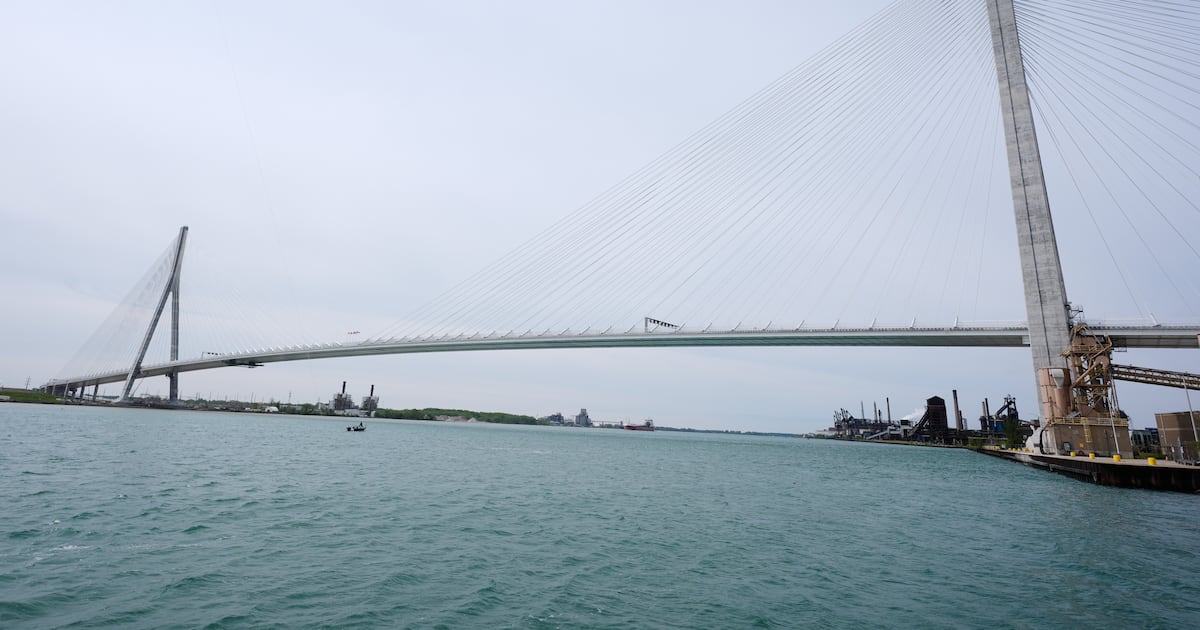
After months of anticipation and high-stakes diplomatic maneuvering, the Gordie Howe International Bridge is officially scheduled to open to traffic on July 27. Housing, Communities and Infrastructure Canada confirmed the late-July launch on Friday, marking a pivotal moment for the busiest trade corridor in North America. The new cable-stayed bridge, which connects Windsor, Ontario, to Detroit, Michigan, is expected to provide critical relief to the aging Ambassador Bridge and streamline logistics for the thousands of businesses that rely on the crossing daily.
The Cost of Diplomacy: Revenue Sharing Shifts
While the opening date provides certainty for the region, it comes at a significant financial cost to Canada. Under the original 2012 Canada-Michigan Crossing Agreement, Canada agreed to front the entire $6.4 billion construction cost. In exchange, Canada was slated to collect 100 per cent of all toll profits until the investment was fully recouped—a process estimated to take approximately 50 years. However, the new terms announced Friday reveal a major concession: Canada will now receive only 50 per cent of toll profits for the first 15 years.
The remaining 50 per cent of revenue will be diverted into a newly established economic development fund. Furthermore, the Canadian government has agreed to a oversight mechanism where the United States must approve any toll changes that exceed 10 per cent or fall below regional averages. These adjustments follow intense public pressure from U.S. political figures, including Donald Trump, who recently characterized the original deal as unfair to American interests.
A Catalyst for Economic Growth
Despite the revenue concessions, officials on both sides of the border emphasize the long-term benefits of the project. The bridge features six lanes—three in each direction—and will rank among the five longest bridges on the continent. Beyond easing commuter congestion, the infrastructure is designed to bolster the automotive supply chain and support the rapid movement of goods between the two nations. As the ribbon-cutting ceremony nears, the Gordie Howe International Bridge stands as both a feat of modern engineering and a symbol of the complex, evolving economic partnership between Canada and the United States.
BC STORIES
National Roundup: Alberta Proposes New B.C. Pipeline Amid Tribal Tensions and Stampede Kickoff
Alberta proposes a new B.C. pipeline as the Calgary Stampede kicks off. Plus, high airfares fail to deter travelers and U.S. tech dominates Canada’s cloud.

Alberta Pushes New Pipeline Project to Pacific Coast
Alberta Premier Danielle Smith has formally submitted a proposal for a new bitumen pipeline to the British Columbia coast, signaling a potential shift in Canada’s energy landscape. The announcement, made alongside Prime Minister Mark Carney in Calgary, outlines a route that closely parallels the existing Trans Mountain path. While Smith emphasized that the project would generate billions in revenue and provide ‘transformational wealth’ for partnering Indigenous communities, the proposal arrives during a period of high friction. Relations between the Alberta government and several First Nations have been strained for over a year due to disputes regarding the duty to consult on constitutional matters and legal battles over provincial sovereignty.
The Calgary Stampede Begins with Olympic Flair
The city of Calgary has officially transitioned into festival mode with the launch of the world-famous Calgary Stampede. Leading this year’s parade are Olympic medalists Mikael Kingsbury and Courtney Sarault, who served as parade marshals for the downtown procession. Despite the early morning start, thousands of residents and tourists lined the streets to celebrate the region’s western heritage. The 10-day event remains a cornerstone of Alberta’s cultural and tourism economy, drawing international attention even as the province navigates complex political and industrial debates.
Economic Resilience: Travel Demand and Tech Dominance
Despite domestic airfares sitting 11 per cent higher than last year, Canadian travelers are showing remarkable resilience. Major carriers like Air Canada report that demand for summer flights remains in the ‘green,’ even as fuel costs fluctuate and international conflicts shift travel patterns. Meanwhile, a new report from the Canadian Anti-Monopoly Project reveals that U.S. tech giants Amazon, Microsoft, and Google currently control 85 per cent of Canada’s cloud infrastructure. This data arrives just as the federal government prepares to launch a national AI strategy focused on ‘sovereign compute infrastructure’ to ensure Canadian data and innovation remain under domestic governance.
Sports: Switzerland Advances at BC Place
On the pitch, Switzerland secured a 2-0 victory over Algeria at BC Place, keeping their World Cup aspirations alive while eliminating the North African side. The win ensures the Swiss team will remain in Vancouver for their third consecutive match next Tuesday. The tournament has drawn significant local support, highlighting the city’s role as a key host in the international soccer landscape.
Your Current 3 Day Forecast — September 20, 2026

Dylan Cease struggles as Toronto pitching strain worsens in loss to Rangers
How Canada’s Prime Minister Is Building Stronger Trans-Atlantic Ties Close to Home
Montreal’s High-Powered Offense Holds Off Late Hamilton Comeback in East Clash
What to Know Ahead of Alberta’s Oct. 19 Vote on a Separation Referendum
What to Know About the Alasko Frozen Raspberry Recall Following Illness Reports
Opinion: John Rustad Has to Go
B.C. Supreme Court Grants Cowichan Tribes Title to Historic Richmond Lands and Fishing Rights

A Taste of Autumn: Fall Okanagan Wine Festival 2025

Vancouver Canucks Gear Up for a Make-or-Break 2025–26 Season

Kamloops Blazers Announce Off-Season Changes Ahead of 2025–26 Season
BC Ferries Sparks Outcry Over Contract with Chinese Shipyard
-
NATIONAL STORIES6 days ago
Remembering George Chuvalo: The Canadian Heavyweight Legend Who Never Got Knocked Down
-

 NATIONAL STORIES6 days ago
AI’s Biggest Warning May Be Coming From the People Building It
-

 COMMUNITY6 days ago
Navigating Blended Family Wills and Estate Options
-
POLITICS7 days ago
What Trump’s Remarks Linking Canada to Iran Signal About International Negotiations
-

 SPORTS6 days ago
How Video Adjustments Fuelled the Vancouver Canucks’ 5-2 Prospects Victory Over Seattle
-

 BC STORIES6 days ago
Uncertain Eyewitness Testimony at Center of Final Arguments in 2021 Restaurant Shooting Trial
-
WORLD7 days ago
What Trump’s Remarks Linking Canada to Iran Signal About International Negotiations
-
LOCAL7 days ago
Stephen Johnston Mayor by Acclamation