business
Mark Carney Defends Gordie Howe Bridge Revenue Split Amid ‘Capitulation’ Accusations
Prime Minister Mark Carney defends the new Gordie Howe Bridge revenue deal with the U.S. amid criticism of capitulation to the Trump administration.


A Contentious Opening for Canada’s Newest Border Link
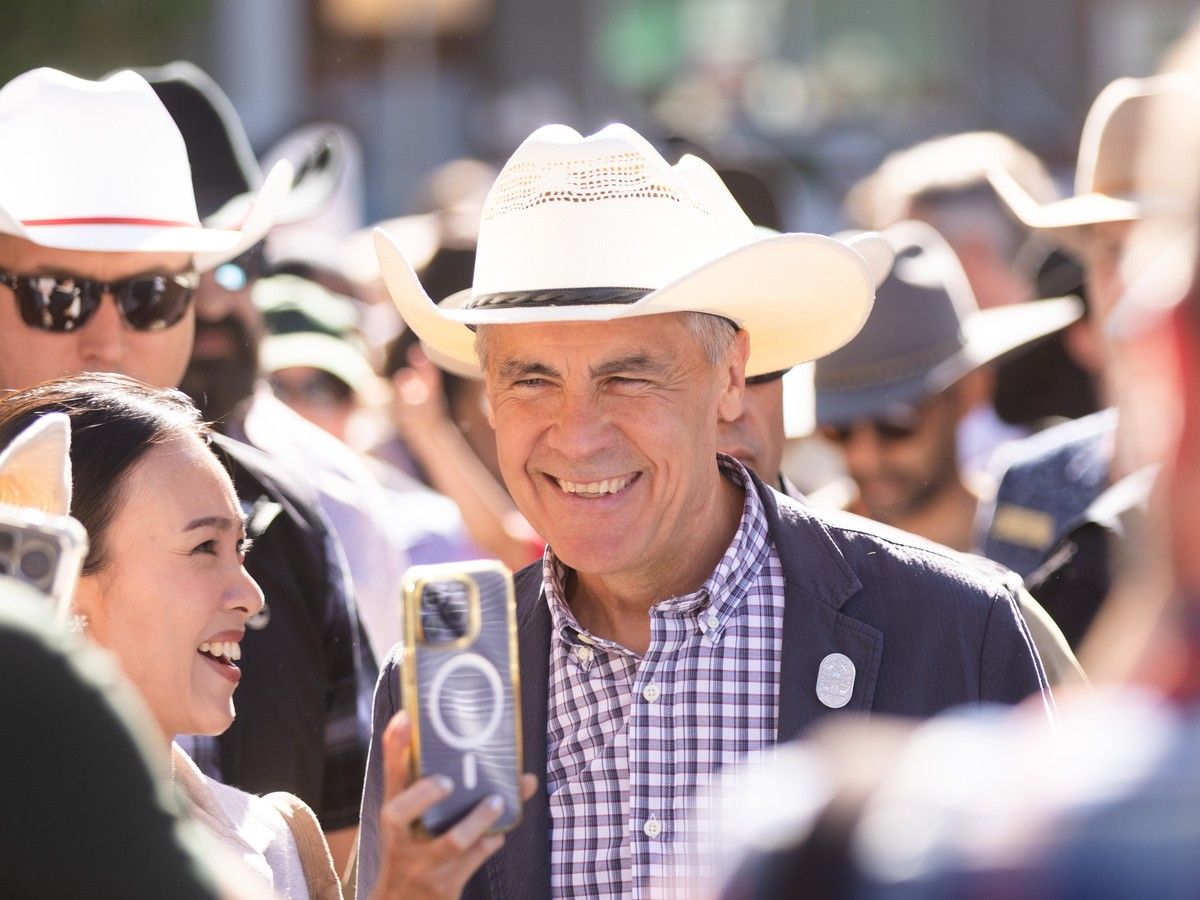
Prime Minister Mark Carney is pushing back against growing criticism over a revised revenue-sharing agreement for the Gordie Howe International Bridge. Speaking from the Calgary Stampede on Sunday, Carney defended the deal as a necessary step for economic expansion, despite accusations from political opponents that the government caved to pressure from the Trump administration.
The $6.4-billion bridge, which connects Windsor, Ontario, with Detroit, Michigan, is officially scheduled to open on July 27. The project was entirely funded by Canada, and under the original 2012 agreement, Canada was slated to collect all toll revenues until its construction costs were fully recouped. However, the new terms include a profit-sharing mechanism with the United States that has sparked a domestic political firestorm.
The ‘Net’ Revenue Defense
Addressing the revised financial structure, Carney emphasized that Canada will still prioritize debt recovery. “The word ‘net’ does a lot of work in this,” Carney told CTV. “We get the revenues. Then the servicing of the costs of the bridge and paying the debt of the bridge, and then what’s left over, there’s a split of that for 15 years.”
Carney argued that the funds allocated to an economic development fund on the U.S. side would ultimately benefit Canada by driving more traffic to the crossing. He dismissed the idea that Canada was losing out, asserting that after costs are covered, there would likely be very little “net” profit left to split, making it a “good deal for Canada” in the long term.
Political Backlash and Trump’s Influence
The deal has been met with sharp condemnation from Conservative MPs. Andrew Lawton labeled the agreement a “capitulation,” while Calgary Heritage MP Shuv Majumdar called it a “terrible deal,” demanding the full release of the agreement’s text before the bridge opens. Critics point to the timing of the renegotiation, which followed public threats from Donald Trump to block the bridge’s opening unless the U.S. was “fully compensated.”
While Trump took to Truth Social to claim credit for securing a “MUCH BETTER DEAL” for America, the Carney government maintains that the priority was ensuring the vital trade artery opened without further delay. The bridge serves as a critical link for the North American supply chain, and officials argue that the economic cost of a blocked border would far outweigh the concessions made in the revenue split.