Health
Kitimat LNG Flaring Sparks Local Health Fears Amid Economic Boom
Massive gas flaring at Kitimat’s LNG Canada terminal sparks health concerns and regulatory scrutiny despite promises of long-term economic growth.


Rising Emissions and Community Concern
The skyline over Kitimat, British Columbia, has recently been dominated by massive towers of fire as the $40 billion LNG Canada export terminal moves through its critical commissioning phase. While the project is hailed as a cornerstone of national energy infrastructure, the persistent flaring has triggered a wave of health concerns among local residents who fear the long-term impacts of the emissions.
Ankur Patel, a local nurse, reports a noticeable uptick in respiratory complaints coinciding with the flaring events. According to Patel, community members are increasingly presenting with symptoms such as persistent coughing, lung irritation, and shortness of breath. He is calling for a more comprehensive health impact assessment and more robust monitoring of atmospheric contaminants to ensure the safety of the population.
Regulatory Overages and Data Gaps
The intensity of the flaring has drawn scrutiny from the scientific community. Research conducted by Laura Minet of the University of Victoria, based on freedom of information records, revealed that gas volumes flared between October and January significantly exceeded permitted limits. In some instances, warm and wet flares surpassed regulatory thresholds by 45 times the allowed volume.
While LNG Canada maintains that monitoring stations show pollutants like nitrogen dioxide and sulphur dioxide remain at safe levels, critics argue the current data is insufficient. Minet points out that monitoring is limited to specific contaminants and does not cover every residential area, leaving potential gaps in understanding how pollutants are dispersing through the local microclimate.
Economic Promise vs. Environmental Cost
Despite the friction, local officials remain optimistic about the project’s long-term utility. Kitimat Mayor Phil Germuth characterized the current flaring as a “short-term discomfort” necessary for “significant long-term gain.” The project, backed by global giants including Shell and Petronas, represents the largest private sector investment in Canadian history and is expected to provide decades of employment and economic stability.
LNG Canada has stated that the increased flaring is a temporary safety measure used to combust natural gas during the early operational stages. The company expects these activities to subside once the facility transitions into regular operations, promising to minimize further disruptions to the community while fueling Canada’s emergence as a major global LNG exporter.

Health
Beyond the Caffeine Buzz: How Coffee Harmonizes Your Gut and Brain Health
New research from University College Cork reveals how coffee improves gut bacteria, reduces inflammation, and boosts brain health via the gut-brain axis.
The Powerful Connection Between Your Cup and Your Core
For millions, the morning coffee ritual is a non-negotiable start to the day. However, new research is revealing that the benefits of this global staple extend far beyond a simple energy boost. Recent studies conducted at University College Cork, Ireland, suggest that moderate coffee consumption—specifically three to five cups per day—acts as a catalyst for the ‘microbiota-gut-brain axis,’ a complex communication network linking our digestive system to our mental state.
Cultivating a Healthier Microbiome
The study found that regular coffee drinkers harbor higher levels of beneficial bacteria within their gastrointestinal tracts. These ‘good’ microbes play a critical role in aiding digestion and potentially eliminating harmful stomach infections. Interestingly, these positive shifts in gut health were observed regardless of whether the coffee was caffeinated or decaffeinated. This suggests that the bioactive compounds in the coffee bean itself, such as polyphenols, are the primary drivers of gut health rather than the caffeine content.
Mental Health and the Cognitive Edge
The impact of coffee on the brain is equally multifaceted. Researchers noted distinct benefits depending on the type of brew: caffeinated coffee was linked to reduced anxiety, improved attention, and better stress coping, while decaffeinated coffee showed a stronger correlation with enhanced sleep quality and memory. Both varieties, however, were found to lower levels of depression and systemic inflammation. The presence of the anti-inflammatory cytokine IL-10 in coffee drinkers suggests that the beverage may help neutralize free radicals, potentially lowering the long-term risk of cellular damage and certain cancers.
A Complex Beverage for a Complex System
While coffee can cause a temporary spike in blood pressure, the study reinforces that it does not increase the risk of long-term hypertension in healthy individuals. The most intriguing takeaway is that coffee improves mood independently of cortisol levels, meaning its stress-reducing effects work through unique biological pathways. By supporting the gut microbiome and reducing inflammation, coffee serves as a holistic tool for metabolic and psychological wellness, proving that your daily habit is doing much more than just keeping you awake.
Africa
Deadly Bundibugyo Outbreak in Congo Outpacing Global Response as Deaths Surge
The DRC’s Ebola Bundibugyo outbreak is outpacing global efforts with 220 dead. Lack of vaccines, funding cuts, and conflict create a perfect storm for catastrophe.
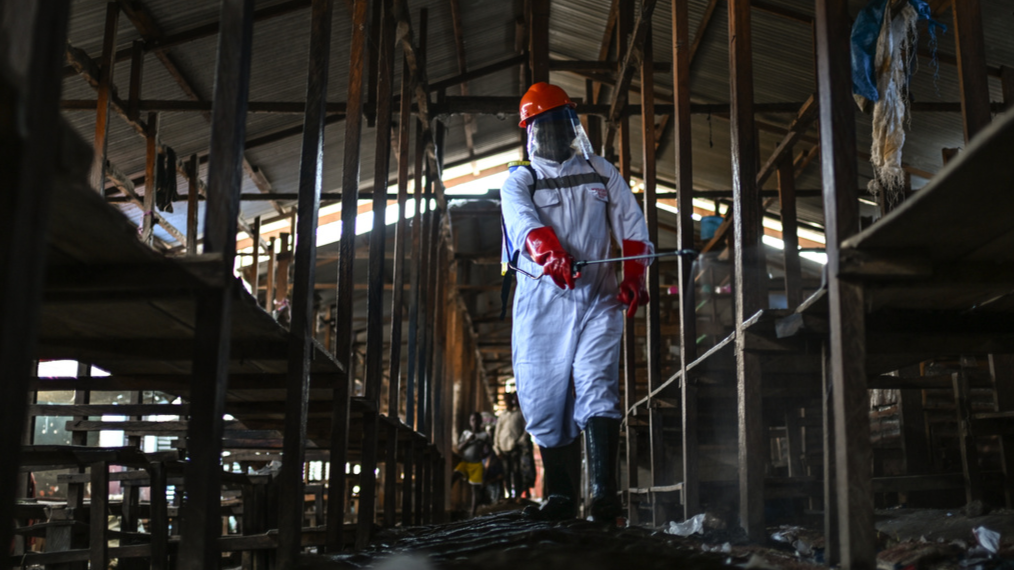
A Race Against Time in Ituri
The Democratic Republic of Congo is facing a catastrophic escalation in its latest Ebola outbreak, as health officials warn that the virus is spreading at a \”breakneck speed\” that has already overwhelmed international response efforts. Centered in the volatile Ituri province, the outbreak involves the rare Bundibugyo strain—a variant for which there is currently no approved vaccine or effective medical treatment. According to the World Health Organization (WHO), the crisis has already claimed an estimated 220 lives out of 900 suspected cases, with the virus now confirmed to have crossed the border into neighboring Uganda.
The Critical Gap in Contact Tracing
Leaked documents from a high-level coordination meeting between the WHO and the Africa Centres for Disease Control and Prevention (Africa CDC) reveal a terrifying reality: the response is weeks behind the virus’s trajectory. As of last week, only 7 percent of the over 1,200 identified contacts of suspected patients had been tracked. That number of potential exposures has since risen to more than 2,000, yet the majority remain unmonitored. Experts point out that the virus circulated undetected for six weeks before the first official report, giving it a massive head start in a region already destabilized by conflict.
A Perfect Storm of Funding and Fear
The global health response is struggling under the weight of several systemic failures. The withdrawal of the United States from the WHO and significant cuts to international aid have left a leadership vacuum and a shortage of essential resources, from fuel for transport vehicles to specialized diagnostic tests. Locally, health workers face violent resistance; hospitals have been attacked and isolation units burned by communities wary of outside intervention. This mistrust, coupled with the absence of modern vaccines, has forced medical teams like Mdecins Sans Frontires to return to the \”basics\” of containment used decades ago.
Lessons from the Past
Comparison to the devastating 2014-2016 West African epidemic is inevitable. Epidemiologists warn that unless funding and personnel increase immediately, the current situation in the DRC could mirror the tragedy of the past, where fear led families to hide the sick, further fueling the contagion. With healthcare workers already among the casualties, every day without a fully resourced response allows the virus to claim more ground in one of the world’s most vulnerable regions.
Health
The Strategic Edge: Why Sleep Is the Executive’s Most Underutilized Asset
Discover why top executives are prioritizing sleep as a strategic tool for better decision-making, cognitive performance, and long-term brain health.
The Biological Cost of High-Performance Leadership
In the high-stakes world of corporate leadership, sleep is often viewed as a luxury or a sign of weakness. However, emerging research and insights from experts like Dr. Matthew Walker, author of Why We Sleep, suggest that sleep is actually the most effective daily reset available to the human brain. While many executives believe they can function on four to six hours of rest, the biological reality is far more demanding. Less than 1% of the population carries the rare DEC2 genetic variant that allows for true high-level performance on minimal rest; for everyone else, sleep deprivation is a direct tax on cognitive output.
The Glymphatic System: Your Brain’s Nightly Waste Removal
One of the most critical functions of sleep occurs through the glymphatic system, a waste-clearance mechanism that operates at ten times its normal capacity during deep sleep. During this period, the brain is flooded with cerebrospinal fluid to flush out toxic metabolic byproducts, such as amyloid-beta, which has been linked to Alzheimer’s disease. For a CEO, operating on five hours of sleep means entering critical board meetings or negotiations with yesterday’s neural waste still cluttering their cognitive processors. This disruption directly suppresses brain networks governing memory, focus, and emotional intelligence.
The Paradox of Self-Assessment
A significant risk for leaders is the sleep paradox: the more sleep-deprived an individual becomes, the less accurately they can judge their own level of impairment. A landmark study published in the journal Sleep found that individuals restricted to six hours of rest for two weeks developed cognitive deficits equivalent to two full nights of total sleep deprivation. Remarkably, these participants reported feeling only slightly tired, demonstrating a dangerous disconnect between subjective feeling and objective performance. This lack of self-awareness can lead to poor hiring decisions and flawed capital allocation.
Sleep as a Strategic Tool
Modern titans of industry, such as Jeff Bezos, have famously prioritized eight hours of sleep to preserve the cognitive state required for high-leverage decision-making. During slow-wave sleep, the brain consolidates information and extracts patterns from complex data sets, allowing leaders to find connections that others miss. Ultimately, the difference between a good decision and a trajectory-shifting great one is often found in the quality of the leader’s rest. For today’s executive, sleep isn’t just maintenance; it is a competitive advantage.
Investigation Underway Following Fatality at Historic Okanagan Lake Swim Event
RCMP Investigate String of Suspicious Fires in West Kelowna Neighborhood
Strategic Pivot: Canada Joins Global Sixth-Generation Stealth Fighter Program Amid U.S. Trade Tensions
Mayor Olivia Chow Targets Big Tech Pricing Tactics at Toronto Grocery Stores
Canada Offered to Double Oil Exports to U.S. in Failed Trade Negotiations, Hoekstra Reveals
Cross-Border Smoke Crisis: Canada Issues Alerts as U.S. Wildfire Pollution Drifts North

Opinion: John Rustad Has to Go

B.C. Supreme Court Grants Cowichan Tribes Title to Historic Richmond Lands and Fishing Rights

A Taste of Autumn: Fall Okanagan Wine Festival 2025

Vancouver Canucks Gear Up for a Make-or-Break 2025–26 Season

Kamloops Blazers Announce Off-Season Changes Ahead of 2025–26 Season

BC Ferries Sparks Outcry Over Contract with Chinese Shipyard
-
Economy7 days ago
Global Energy Markets Brace as Iran Threatens Trade Routes Amid US Military Strikes
-
Baseball7 days ago
AL Pitching Staff Crafts Historic Shutout in Dominant MLB All-Star Performance
-
Finance6 days ago
Bank of Canada Holds Rates Steady at 2.25% Amid Geopolitical Oil Volatility
-
Entertainment7 days ago
Sean ‘Diddy’ Combs Offloads Star Island Mansion for $55 Million Amid Legal Fallout
-
SPORTS7 days ago
End of the Yzerman Era: Red Wings GM Steps Down Amid Front Office Shakeup
-
Baseball4 days ago
AL Pitching Staff Crafts Historic Shutout in Dominant MLB All-Star Performance
-
SPORTS4 days ago
End of the Yzerman Era: Red Wings GM Steps Down Amid Front Office Shakeup
-
WORLD4 days ago
Sean ‘Diddy’ Combs Offloads Star Island Mansion for $55 Million Amid Legal Fallout