HEALTH
How Wastewater Samples Reveal Starkly Different Patterns of Drug Use Across Canadian Cities
StatCan wastewater data from Jan 2024 to March 2026 reveals major regional differences in drug consumption across eight Canadian cities.

Wastewater Analysis Highlights Divergent Regional Substance Trends
Data gathered by Statistics Canada between January 2024 and March 2026 demonstrates that drug consumption patterns vary dramatically depending on the municipality. By testing chemical byproducts excreted after the body metabolizes drugs, researchers analyzed wastewater collected during one-week windows every two months across catchments serving approximately 9.2 million people.
Sianne Kuang, an analyst with StatCan, noted that while the sampling does not detail exact individual consumption or user counts, it functions as a reliable proxy for drug consumption within a treatment plant’s service area. Experts point to local production and trafficking networks as major drivers of these geographic variations.
Methamphetamine and Cocaine Peaks in Western and Prairie Regions
Prince Albert, Sask., registered the highest methamphetamine concentrations among all monitored locations, alongside the sharpest fluctuations in both methamphetamine and cocaine. In March 2026, Prince Albert recorded an estimated methamphetamine load of 2,003 milligrams per 1,000 people daily, compared to roughly 214 milligrams in Toronto. Saskatoon and Edmonton also posted elevated methamphetamine levels, with Edmonton reaching approximately 1,071 milligrams per 1,000 people daily in January 2025 before adjusting to 624 in March 2026.
Regarding cocaine levels, Prince Albert measured approximately 5,296 milligrams per 1,000 people per day in March 2026, which was roughly three times the level recorded in Halifax. In Atlantic Canada, toxicological trends differed markedly by province in 2024; cocaine was implicated in 86 per cent of Nova Scotia’s stimulant-related deaths, while methamphetamine was involved in 63 per cent of New Brunswick’s stimulant toxicity deaths. Moncton joined the wastewater tracking program in March 2025, recording 1,734 milligrams of cocaine and a study-low 56 milligrams of methamphetamine per 1,000 people daily by March 2026.
Fentanyl Tracking and East Coast Party Drug Indicators
Metro Vancouver consistently registered the highest fentanyl readings of the eight monitored municipalities, though average levels declined in 2025 and early 2026 alongside a drop in local unregulated drug fatalities. Kora DeBeck, a professor at Simon Fraser University’s School of Public Policy, emphasized that initial fentanyl usage was driven by market arrival rather than consumer demand. University of Alberta addiction physician and researcher Dr. Monty Ghosh noted that varying local manufacturing formulas and unmeasured fentanyl variants mean wastewater data should not be interpreted in isolation.
Further east, Toronto recorded the lowest methamphetamine levels among major centers, but held the highest average MDMA concentration at around 40 milligrams per 1,000 people per day between July 2024 and March 2026. Montreal exhibited a profile similar to Toronto regarding higher MDMA and lower methamphetamine levels, while consistently testing lowest for prescription opioids like codeine, methadone, oxycodone, and morphine. StatCan reminded the public that temporary population shifts from commuting, tourism, and special events can introduce uncertainties into wastewater estimates.


HEALTH
Coquihalla Highway Reopens Near Merritt Following Morning Crash That Injured Four
The Coquihalla Highway north of Merritt has reopened following a Saturday morning vehicle crash that resulted in four people being taken to the hospital.

Traffic Resumes Following Serious Morning Incident
Four people were hospitalized, including three in critical condition, after a motor vehicle incident occurred north of Merritt on Saturday morning, October 17.
DriveBC reported that the Coquihalla Highway was reopened in both directions from Exit 290 to Exit 315 at approximately 4:00 p.m., following the earlier closure.
Emergency Responders Deploy Air Ambulances
BC Emergency Health Services dispatched multiple resources after receiving a call at approximately 8:35 a.m. The response included two air ambulances, three primary care paramedic ambulances, one advanced care paramedic ambulance, and a paramedic supervisor.
According to BCEHS, crews provided emergency medical care at the scene. Two of the three critically injured patients were flown to the hospital via air ambulance, while a fourth patient was taken to the hospital in stable condition.
HEALTH
What $30M in Hospital Expansion Funding Means for KGH Patients and Local Voters
B.C. NDP pledges $30M to finish the sixth floor at Kelowna General Hospital, drawing sharp criticism from local Conservative candidate Gavin Dew ahead of the vote.
Campaign Trail Brings Health-Care Promises to Central Okanagan
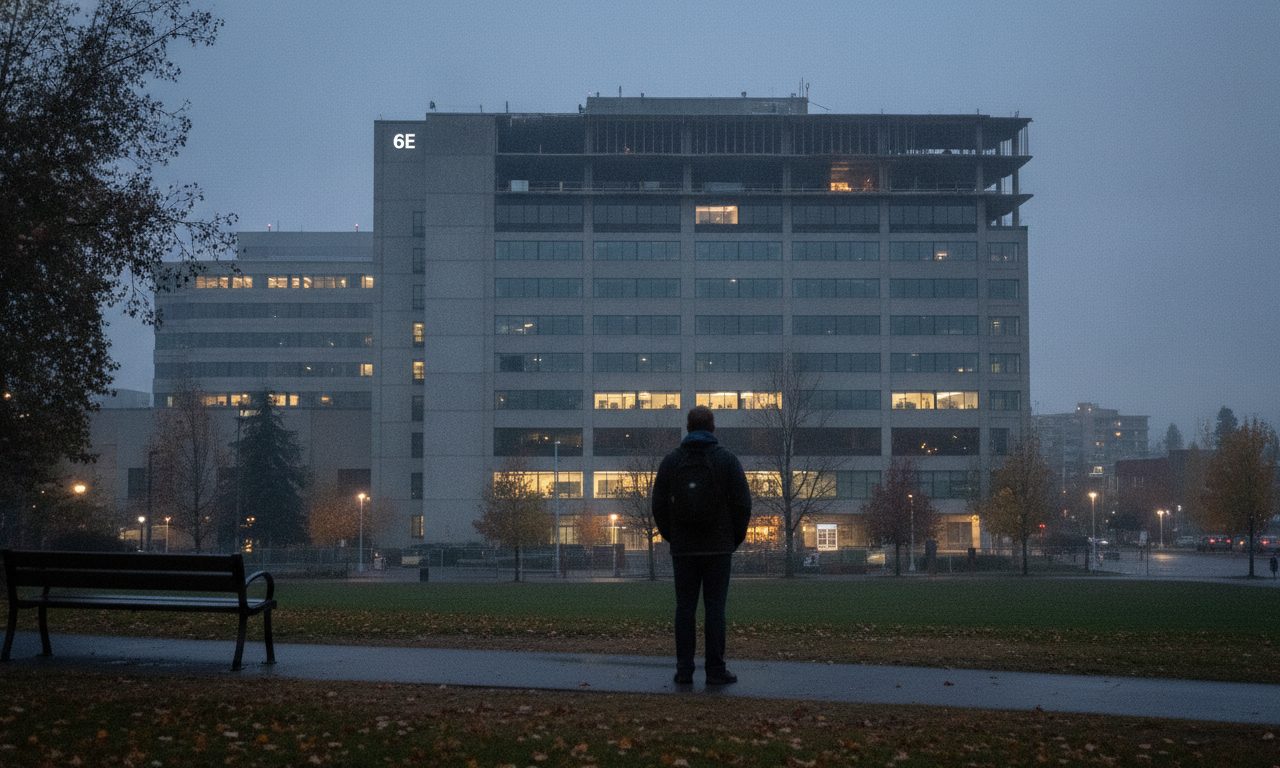
With B.C. voters heading to the polls in four days, provincial party leaders are focusing heavily on Central Okanagan health care. B.C. NDP Leader David Eby visited City Park in Kelowna on Tuesday to elaborate on a $30-million platform commitment aimed at finishing the sixth floor of Kelowna General Hospital (KGH).
The 33,000-square-foot space has sat unfinished since the building was constructed in 2012. Under the NDP’s plan, the area would be transformed into a permanent inpatient unit, which would include space for detox beds and addiction services. Eby stated that the project is fully costed and would be funded in part by raising taxes on the province’s wealthiest residents, asserting that 96 per cent of British Columbians would see no tax increase.
Conservative Candidate Rejects Pledge as Political Maneuver
Gavin Dew, the B.C. Conservative candidate for Kelowna-Mission, criticized the pledge as a desperate and cynical promise made right before election day. Dew argued that the NDP ignored local health priorities for years while the sixth floor remained vacant and patients occupied more than 50 hallway beds.
Dew also pointed to ongoing culture and staffing issues within Interior Health, stating that doctors and health professionals have been driven away. He noted that internal memos from April showed discussions about the 6E space were already occurring among hospital executives following months of local advocacy.
Staffing and Broader Regional Priorities
Addressing questions about how the expanded floor would be staffed given widespread health-care shortages, Eby said current staff need the physical space for patients, while future growth would rely on ongoing recruitment efforts. He highlighted provincial programs targeting American health professionals, expanded training seats at UBC, and the addition of 1,400 family doctors in recent years.
Loyal Wooldridge, the NDP candidate for Kelowna Centre and former regional hospital district chair, emphasized that completing the sixth floor must coincide with expanding long-term care and substance use treatment options. He added that reducing emergency department wait times remains a frequent priority raised by local residents.
Parties Target Okanagan Ridings
The spending promise comes as political leaders make frequent stops in the region. The NDP platform also includes $90 million for 75 involuntary-care spaces at Oliver Correctional Centre, $20 million over four years for Kelowna International Airport, and funding for compassionate care beds in Oliver.
Meanwhile, B.C. Conservative leader Lorne Doerkson told a Kelowna gathering on Monday that his party would make publicly funded health care the top funding priority in every budget, pointing to a previously announced $50-million fund to support rural emergency rooms. Local candidates are set to address voters further during a Kelowna Chamber forum on Tuesday afternoon.
HEALTH
BC Conservatives Promise Universal Health Care Coverage as Debate Over Doctor Shortages Intensifies
BC Conservatives commit to universal health care and keeping emergency rooms open while criticizing Premier David Eby’s health record and doctor shortages.

Conservative Party Responds to NDP Health Care Strategy
More than one million residents in British Columbia currently lack a family doctor, while emergency rooms across the province experienced nearly 2,400 closures over a two-year period. Amid these system pressures and record-long specialist wait times, the Conservative Party of BC is promising that residents will need only their health card to access care.
Party Commitments and Critique of Current Record
Lorne Doerkson made a commitment on October 5 to protect health care funding and maintain a universal, publicly funded system in British Columbia. The Conservatives stated that a future party government would keep emergency rooms open, recruit necessary doctors and nurses, and safeguard public health care.
Addressing the current administration, the Conservatives pointed out that Premier David Eby has held office for nearly four years and acknowledged 50-week wait times for surgery. The opposition criticized the NDP’s approach of taxing doctors to resolve staff shortages, adding that the Premier previously promised every resident a family doctor by the end of 2025. The party anticipated that the NDP would launch a fear-based campaign to draw attention away from its health care record.

Vancouver Canucks Honour Beloved Broadcaster John ‘Cheech’ Garrett During Home Game

Why B.C. Lions Starters Are Resting as the Regular Season Concludes Against Winnipeg

How Minor Parties and Strategic Balloting Could Shift the Upcoming B.C. Election

Why Alberta’s Government Is Ruling Out Future Separation Votes

BC Conservatives Promise Forestry Overhaul to Revive Jobs as NDP Points to Millions in Existing Investment
Your Current 3 Day Forecast — October 22, 2026
Opinion: John Rustad Has to Go
B.C. Supreme Court Grants Cowichan Tribes Title to Historic Richmond Lands and Fishing Rights

A Taste of Autumn: Fall Okanagan Wine Festival 2025

Vancouver Canucks Gear Up for a Make-or-Break 2025–26 Season

Kamloops Blazers Announce Off-Season Changes Ahead of 2025–26 Season
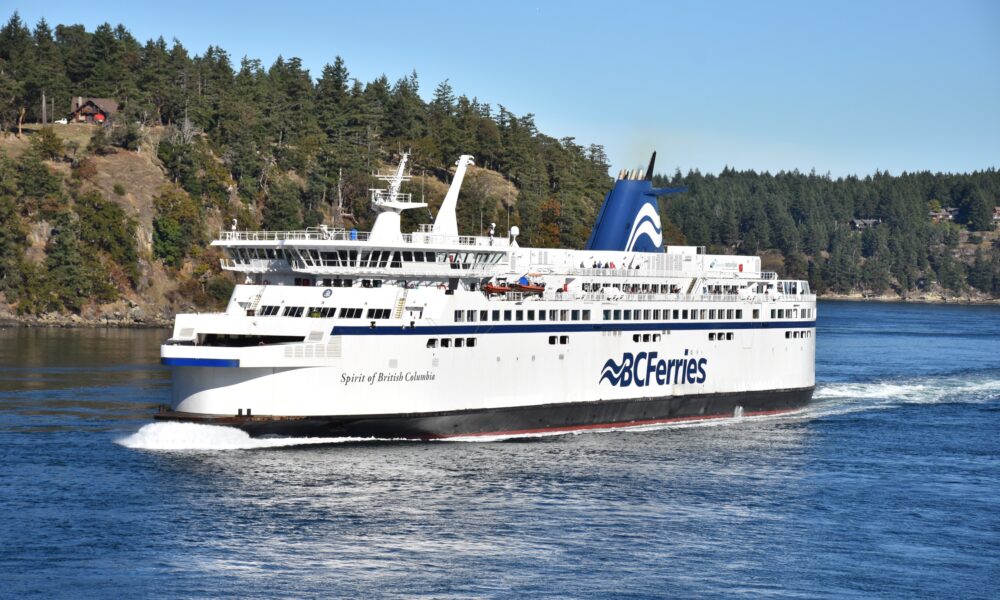
BC Ferries Sparks Outcry Over Contract with Chinese Shipyard
-
BC STORIES6 days ago
Why a Major Political Shift is Shaking Up the B.C. Provincial Election Final Weekend
-

 POLITICS6 days ago
Why Incumbent Harwinder Sandhu Is Asking Vernon-Lumby Voters for Another Term
-
4 days ago
Your Current 3 Day Forecast — October 18, 2026
-
5 days ago
Your Current 3 Day Forecast — October 17, 2026
-

 LOCAL6 days ago
Volunteer Dive Team Uses Farming GPS Technology to Bring Closure to Grieving Okanagan Family
-
3 days ago
Your Current 3 Day Forecast — October 19, 2026
-

 COMMUNITY5 days ago
Recovery of missing paddleboarder on Okanagan Lake brings closure to family and community
-

 COMMUNITY3 days ago
Why a Downtown Kelowna Favorite Is Say Goodbye After 45 Years