BC STORIES
How B.C. Labour Minister Jennifer Whiteside Views the State of Working Life This Labour Day
B.C. Labour Minister Jennifer Whiteside marks Labour Day by addressing new U.S. tariffs, minimum wage policy, trades training, and evolving workplace risks.


Province Warns of Trade Pressures and Highlights Labour Policies
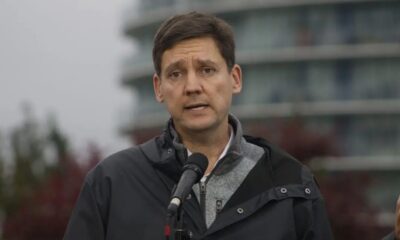
British Columbia Labour Minister Jennifer Whiteside addressed workers across the province this Labour Day, pointing to economic uncertainty following a new 50 per cent tariff introduced by the Trump administration. Describing the tariffs as inexplicable and indefensible, Whiteside stated that the provincial government will utilize all available tools alongside national efforts to defend workers and their families from potential impacts.
Alongside trade concerns, the Labour Minister outlined ongoing initiatives aimed at expanding training opportunities for skilled trades. The province is doubling its trades-training funding to establish 28,000 training seats, bringing the total number of registered apprentices in B.C. to nearly 50,000, which marks a record high for the province.
Minimum Wage and Workplace Protections
Reflecting on past policy changes, Whiteside noted that B.C. has transitioned from having one of Canada’s lowest minimum wages to one of the highest. The province delivered annual minimum wage increases before officially tying future adjustments to the rate of inflation in 2024. Additional measures include job-protected medical leave and updated workplace safety regulations intended to prevent workers from having to choose between their employment and health.
Whiteside also highlighted emerging workplace challenges, including concerns raised by workers regarding artificial intelligence and gig or app-based employment. Strengthening labour standards remains critical as new technologies continue to alter traditional working environments, she noted.
Public Services and Recognition for Emergency Workers
The minister paid tribute to emergency services personnel, firefighters, utility staff and support workers who responded during the wildfire season, alongside those working across public services. In health care, B.C. is moving forward with infrastructure projects, safety partnerships, and expanded education, including welcoming the inaugural class of medical students at Simon Fraser University’s new Stephens Family School of Medicine in Surrey.
Whiteside emphasized that provincial initiatives—including the Look West strategy and the federal-provincial Cooperative Prosperity Agreement—rely on a strong workforce to support foundational public services like education, health care, and affordable child care.







BC STORIES
What B.C. Party Leaders Promised During Their Only Televised Election Debate
B.C. party leaders Eby, Doerkson, and Lowan clashed on housing, healthcare, ICBC, and controversy in the election debate. B.C. votes on Oct. 24.
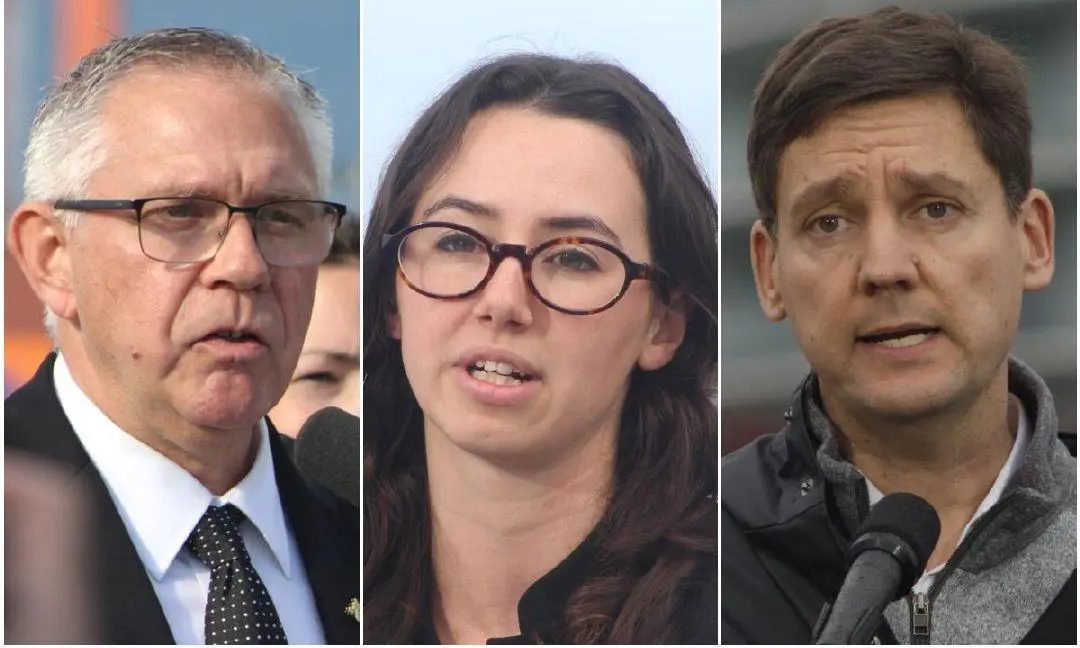
Key Policy Clashes on Housing, Healthcare, and ICBC
British Columbian voters head to the polls on Oct. 24 following the province’s first and only televised leaders’ debate. During the broadcast, B.C. Conservative Leader Lorne Doerkson defended his platform to replace ICBC’s no-fault system with personal injury lawsuits. Asked about potential cost impacts on ratepayers, Doerkson did not give a figure, saying, “I am committed to keeping our rates very competitive in British Columbia.” On healthcare, Doerkson sought to clarify his stance on private options, stating, “I want a fully public system that everyone in this province can access.”
NDP Leader David Eby faced challenges over housing targets from both Doerkson and B.C. Greens candidate Emily Lowan, who criticized Eby for “broken promises.” On Indigenous rights, leaders addressed the Declaration on the Rights of Indigenous Peoples Act following a recent court decision that invalidated parts of the Mineral Tenure Act. Doerkson urged the immediate repeal of the law, while Lowan advocated keeping it intact, and Eby faced criticism for not introducing previously promised amendments. All three leaders agreed on advancing partnerships with First Nations.
Controversies and Qualifications Dominate Opening Exchanges
The debate opened with intense exchanges over party governance and campaign conduct. Eby defended his decision to call an early election, explaining that a one-vote majority created severe instability and forced colleagues to vote from hospital beds. “This was not a government that was able to deliver the big swings that you and your family need government to be taking for you,” Eby said.
Attention quickly turned to social media comments made by Conservative campaign director Katy Merrifield that denigrated Islam. Doerkson defended retaining her, stating the post occurred during a moment of trauma for Merrifield as a survivor of sexual violence, adding that she removed the post and has been apologetic. Eby challenged Doerkson on the decision, noting, “Her Twitter feed reads like the worst corners of the dark web,” and pointing to calls from national Muslim organizations for her removal. Doerkson countered by citing former NDP cabinet minister Selina Robinson’s 2024 resignation from caucus over antisemitism allegations within the NDP following controversial remarks about Palestine.
Emerging Leaders and Excluded Parties
Lowan, a 25-year-old activist and first-time candidate, highlighted her distinct background when asked about her credentials by moderator Shachi Kurl. “I’m the only leader on this stage who is a renter,” Lowan said. “I’m the only leader on this stage who has worked a minimum wage job in the last decade, which means that I am the only leader on this stage that feels the decisions being made in the legislature, especially as it relates to the cost of living crisis and the climate crisis.” Lowan called for taxes on wealthy assets, contrasting Eby’s warnings about unfunded Conservative spending and Doerkson’s stance against tax increases.
Two other party leaders were excluded from the main debate stage because their parties did not field candidates in enough ridings. In brief statements, CentreBC Leader Elenore Sturko presented her party as a “socially progressive, environmentally pragmatic, and fiscally responsible” voice for accountability, while OneBC Leader Dallas Brodie pledged tax cuts and an end to government land agreements with First Nations.
BC STORIES
Why a B.C. Thai Spot Just Made North American Culinary History
Richmond’s Baan Lao Fine Thai Cuisine becomes the first Canadian establishment named North America’s Best Restaurant by the World Culinary Awards.
Historical Recognition for Canadian Dining
For the first time since the inception of the World Culinary Awards, a Canadian establishment has been selected as the top dining destination in North America. Baan Lao Fine Thai Cuisine, located in Richmond, B.C., earned the title of North America’s Best Restaurant, finishing ahead of 22 other Canadian nominees and 18 competitors from the United States.
Continued Success for Richmond Establishment
The win marks a milestone for the region, as all six prior winners of the continental award were located in the United States, including double winners Le Bernardin in New York and The French Laundry in California. In addition to taking the North American crown, Baan Lao was chosen as Canada’s top restaurant for the third consecutive year.
Award Background and Menu Details
Baan Lao opened its doors in 2021 and features “Royal Thai tasting menus with individually plated courses.” The World Culinary Awards were established in 2020. Winners are chosen through a weighted voting process involving both members of the public and registered professionals from the culinary industry.
BC STORIES
Public Help Needed to Identify Woman Found at Central Saanich Facility
Police seek public help to identify a woman found dead at a Central Saanich waste disposal facility on Oct. 13. Call VIIMCU at 250-380-6211 with information.

Investigation Underway After Body Discovered in Central Saanich
Major crime investigators are requesting assistance from the public to determine the identity of a woman whose body was located at a Central Saanich waste disposal site on the morning of Tuesday, Oct. 13.
After local officers initially responded to the scene, the Vancouver Island Integrated Major Crime Unit assumed leadership of the ongoing probe with support from Central Saanich police.
Physical Description Released by Authorities
The deceased individual is described as a woman in her 30s, standing approximately 5 feet 9 inches tall with a heavy build. She has brown hair featuring blonde highlights, as well as a distinct horizontal scar located on the inner side of her right forearm. Authorities noted that her race remains undetermined.
Anyone possessing information regarding the woman’s identity or who recognizes the provided description is asked to contact the VIIMCU information line at 250-380-6211.
Your Current 3 Day Forecast — October 16, 2026

What B.C. Party Leaders Promised During Their Only Televised Election Debate

Supreme Court Review Next for Federal Single-Use Plastics Ban

Town Halls and Healthcare Top Priorities as Stephen Johnston Prepares to Take Office in West Kelowna

Kelowna Voters Turn Out Early as Council Race Signals Potential Major Shift
Why a B.C. Thai Spot Just Made North American Culinary History
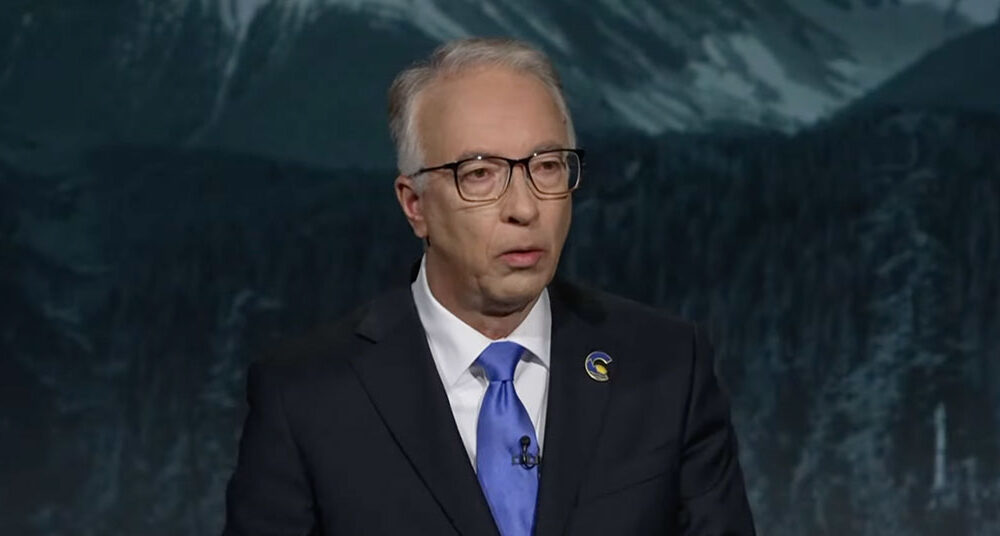
Opinion: John Rustad Has to Go
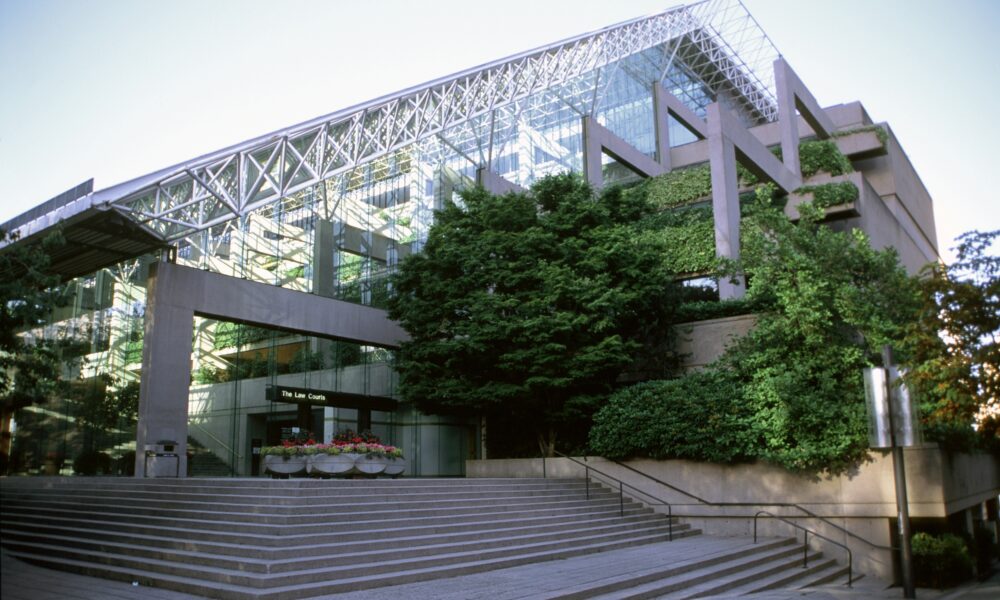
B.C. Supreme Court Grants Cowichan Tribes Title to Historic Richmond Lands and Fishing Rights

A Taste of Autumn: Fall Okanagan Wine Festival 2025

Vancouver Canucks Gear Up for a Make-or-Break 2025–26 Season

Kamloops Blazers Announce Off-Season Changes Ahead of 2025–26 Season
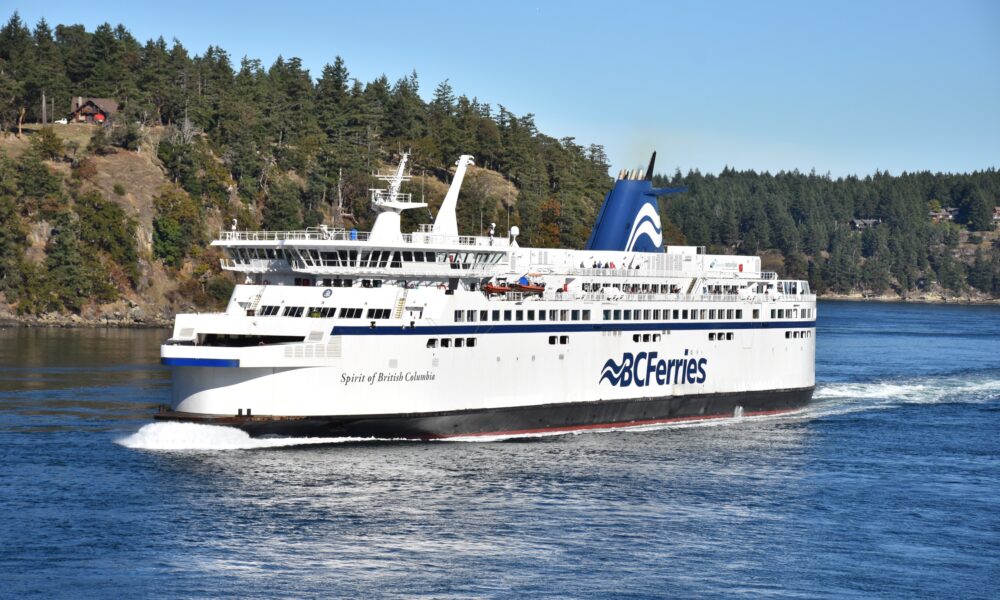
BC Ferries Sparks Outcry Over Contract with Chinese Shipyard
-

 COMMUNITY7 days ago
How Central Okanagan Residents Can Avoid Costly Household Plumbing Damage This Thanksgiving
-
NATIONAL STORIES7 days ago
What New Brunswick’s Latest Unemployment Figures Mean for Your Community
-
 LOCAL7 days ago
Where Provincial Jobless Rates Stood in September
-

 BC STORIES5 days ago
Why B.C.’s Conservative Campaign Face is Drawing Scrutiny Over Past Social Media Comments
-
 BC STORIES7 days ago
BC Supreme Court Judge Set to Rule on Sentence Length for Former Gang Member
-
3 days ago
Your Current 3 Day Forecast — October 13, 2026
-
WORLD5 days ago
Why Residents and Tourists on Mexico’s Pacific Coast Face Severe Threats From Hurricane Simon
-
 COMMUNITY4 days ago
What Vernon Motorists Need to Know About Upcoming 29th Street Delays