energy
Global Energy Markets Shaken as Iran Vows Retaliation Following US Naval Clash
Iran vows retaliation after a US destroyer fires on a cargo ship in the Gulf of Oman, causing oil prices to surge 7.5% as diplomatic talks reach a stalemate.


Naval Confrontation Ignites Regional Tensions
The Middle East stands on the precipice of a significant military escalation after a United States destroyer opened fire on an Iranian-flagged cargo ship in the Gulf of Oman on Sunday. The vessel, which was reportedly attempting to evade a U.S.-led naval blockade, became the flashpoint for what Tehran has characterized as ‘armed piracy.’ The Iranian military’s central command, Khatam Al-Anbiya, issued a stern warning shortly after the incident, vowing that the Islamic Republic’s armed forces would soon retaliate against the U.S. military presence in the region.
Oil Markets React to Escalation Fears
Global energy markets responded instantly to the news of the skirmish. West Texas Intermediate (WTI), the U.S. oil benchmark, surged by 7.5 percent on Monday to reach $90.17 per barrel. International benchmark Brent North Sea crude followed suit, gaining 6.5 percent to trade at $96.27. Investors are increasingly concerned that the maritime conflict could lead to a sustained disruption of supply routes through the Strait of Hormuz, one of the world’s most critical energy chokepoints.
Diplomacy Stalls as Ceasefire Nears End
The military clash comes at a delicate moment for regional diplomacy. Despite President Donald Trump’s directive for negotiators to travel to Pakistan for talks, Iran has signaled it has no intention of participating. State media outlets, including IRIB and IRNA, cited the ongoing U.S. blockade and ‘unreasonable demands’ as insurmountable barriers to dialogue. Iranian officials maintain that the lifting of the blockade is a non-negotiable precondition for any fruitful negotiations, casting a shadow over the fate of a ceasefire established in early April that is set to expire in the coming days.
Maritime Traffic Continues Amid Uncertainty
Even as tensions mount, shipping data from Kpler indicates that maritime traffic remains active. On Saturday, more than 20 vessels successfully navigated the Strait of Hormuz, the highest daily volume since early March. Among these were carriers transporting Iranian oil products and metals to major markets in China and India. However, with the threat of Iranian retaliation looming and the ceasefire nearing its end, the safety of these commercial lanes remains under intense international scrutiny.

energy
Canada Offered to Double Oil Exports to U.S. in Failed Trade Negotiations, Hoekstra Reveals
U.S. Ambassador Pete Hoekstra reveals PM Mark Carney offered to double Canadian oil exports to the U.S. in a failed bid to end Donald Trump’s trade tariffs.

The High-Stakes Oil Gambit at the White House
In a dramatic revelation regarding the strained trade relations between North American neighbors, U.S. Ambassador to Canada Pete Hoekstra disclosed that Prime Minister Mark Carney offered to double Canadian oil exports to the United States last year. The proposal was presented as a strategic bargaining chip during an October 7, 2025, meeting at the White House, aimed at persuading President Donald Trump to roll back aggressive tariffs on Canadian steel, aluminum, and automotive products.
Internal Tensions and Negotiating Tactics
Speaking at a conference in Edmonton, Hoekstra detailed how the offer to supply an additional three to four million barrels of oil per day nearly caused a rift within the Trump administration. According to the Ambassador, Interior Secretary Doug Burgum and Energy Secretary Chris Wright were so enthusiastic about the proposal that President Trump had to physically restrain them. Hoekstra noted that the President cautioned his cabinet against “crawling across the table” to seal the deal, suggesting that such eagerness would undermine the United States’ negotiating leverage.
The Collapse of the Trade Deal
Despite the massive scale of the energy offer, which would have significantly deepened the integration of the North American energy market, the negotiations ultimately collapsed. President Trump reportedly walked away from the bargaining table later that month, citing an anti-tariff advertisement campaign launched by the Ontario government as a primary reason for the breakdown. While Canada remains the largest supplier of crude oil to the U.S., accounting for nearly two-thirds of imports, the trade deficit remains a point of contention for the Trump administration.
A Future for Cross-Border Pipelines
Despite the failure of the broader trade deal, Hoekstra expressed optimism regarding infrastructure projects like the proposed cross-border connection between South Bow and Bridger Pipeline LLC. This project, which received a presidential permit in April, could eventually facilitate the transport of 550,000 barrels of oil per day. While formal trade talks resumed this spring, progress remains stagnant, leaving the future of Canada’s industrial exports and energy expansion in a state of political uncertainty.
BC NEWS
National Roundup: Alberta Proposes New B.C. Pipeline Amid Tribal Tensions and Stampede Kickoff
Alberta proposes a new B.C. pipeline as the Calgary Stampede kicks off. Plus, high airfares fail to deter travelers and U.S. tech dominates Canada’s cloud.

Alberta Pushes New Pipeline Project to Pacific Coast
Alberta Premier Danielle Smith has formally submitted a proposal for a new bitumen pipeline to the British Columbia coast, signaling a potential shift in Canada’s energy landscape. The announcement, made alongside Prime Minister Mark Carney in Calgary, outlines a route that closely parallels the existing Trans Mountain path. While Smith emphasized that the project would generate billions in revenue and provide ‘transformational wealth’ for partnering Indigenous communities, the proposal arrives during a period of high friction. Relations between the Alberta government and several First Nations have been strained for over a year due to disputes regarding the duty to consult on constitutional matters and legal battles over provincial sovereignty.
The Calgary Stampede Begins with Olympic Flair
The city of Calgary has officially transitioned into festival mode with the launch of the world-famous Calgary Stampede. Leading this year’s parade are Olympic medalists Mikael Kingsbury and Courtney Sarault, who served as parade marshals for the downtown procession. Despite the early morning start, thousands of residents and tourists lined the streets to celebrate the region’s western heritage. The 10-day event remains a cornerstone of Alberta’s cultural and tourism economy, drawing international attention even as the province navigates complex political and industrial debates.
Economic Resilience: Travel Demand and Tech Dominance
Despite domestic airfares sitting 11 per cent higher than last year, Canadian travelers are showing remarkable resilience. Major carriers like Air Canada report that demand for summer flights remains in the ‘green,’ even as fuel costs fluctuate and international conflicts shift travel patterns. Meanwhile, a new report from the Canadian Anti-Monopoly Project reveals that U.S. tech giants Amazon, Microsoft, and Google currently control 85 per cent of Canada’s cloud infrastructure. This data arrives just as the federal government prepares to launch a national AI strategy focused on ‘sovereign compute infrastructure’ to ensure Canadian data and innovation remain under domestic governance.
Sports: Switzerland Advances at BC Place
On the pitch, Switzerland secured a 2-0 victory over Algeria at BC Place, keeping their World Cup aspirations alive while eliminating the North African side. The win ensures the Swiss team will remain in Vancouver for their third consecutive match next Tuesday. The tournament has drawn significant local support, highlighting the city’s role as a key host in the international soccer landscape.
energy
Stampede Diplomacy: Energy Policy and Separatist Tensions Collide in Calgary
Calgary Stampede becomes a political battleground as energy policy and separatist movements clash, highlighting the growing divide between Alberta and Ottawa.

Political Tensions Rise Amidst the Calgary Stampede
The Calgary Stampede, traditionally celebrated as a showcase of Western heritage and a massive networking hub for the energy sector, has taken on a distinctly political edge this year. As federalists and provincial separatists converge on the city, the event has become a microcosm of the deepening divide between Alberta and the federal government. With pipelines and regional autonomy taking center stage, the festive atmosphere is increasingly punctuated by heated debates over the province’s future within the federation.
The Energy Infrastructure Imperative
For Alberta’s political and business leaders, the Stampede serves as a critical platform to advocate for the energy industry. The conversation is dominated by the need for expanded pipeline capacity and a more favorable regulatory environment. Advocates argue that without significant movement on energy infrastructure, the economic prosperity of both the province and the country remains at risk. This year, the presence of federal representatives has drawn sharp focus to the perceived hurdles imposed by Ottawa, fueling frustration among those who feel the West is being ignored.
Separatism and the Quest for Sovereignty
Adding a new layer of complexity to the usual political posturing is the visible presence of separatist movements. Fringe groups and more organized sovereignty advocates are using the high-profile nature of the Stampede to reach a broader audience. These groups argue that the current federal structure is fundamentally broken and that Alberta should explore independence to protect its economic interests. While federalist leaders are working to bridge the gap through dialogue and policy promises, the vocal separatist sentiment highlights a growing sense of alienation that is becoming harder to ignore in the heart of the Canadian West.
Investigation Underway Following Fatality at Historic Okanagan Lake Swim Event
RCMP Investigate String of Suspicious Fires in West Kelowna Neighborhood
Strategic Pivot: Canada Joins Global Sixth-Generation Stealth Fighter Program Amid U.S. Trade Tensions
Mayor Olivia Chow Targets Big Tech Pricing Tactics at Toronto Grocery Stores
Canada Offered to Double Oil Exports to U.S. in Failed Trade Negotiations, Hoekstra Reveals
Cross-Border Smoke Crisis: Canada Issues Alerts as U.S. Wildfire Pollution Drifts North
Opinion: John Rustad Has to Go
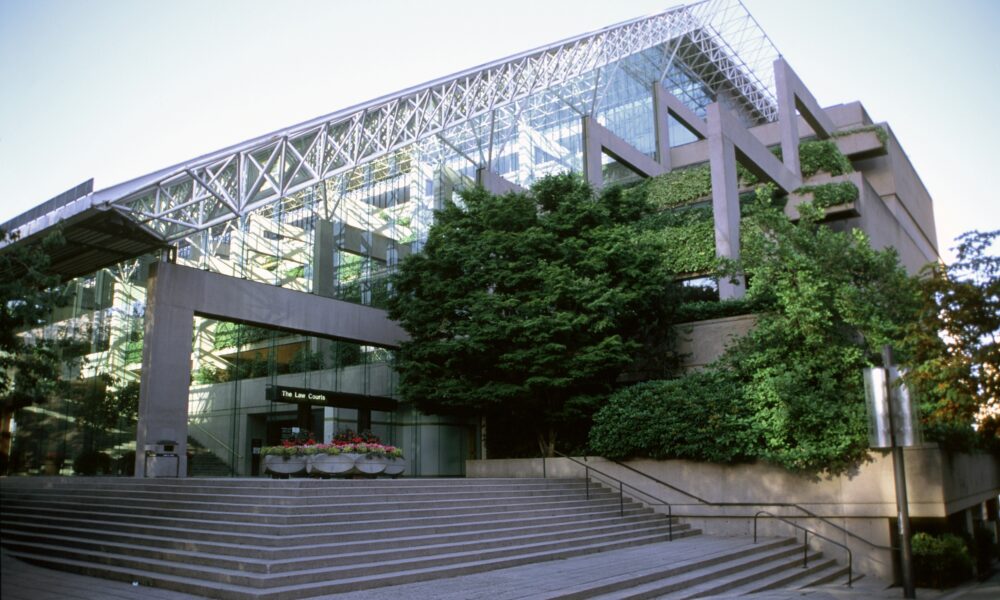
B.C. Supreme Court Grants Cowichan Tribes Title to Historic Richmond Lands and Fishing Rights

A Taste of Autumn: Fall Okanagan Wine Festival 2025

Vancouver Canucks Gear Up for a Make-or-Break 2025–26 Season

Kamloops Blazers Announce Off-Season Changes Ahead of 2025–26 Season
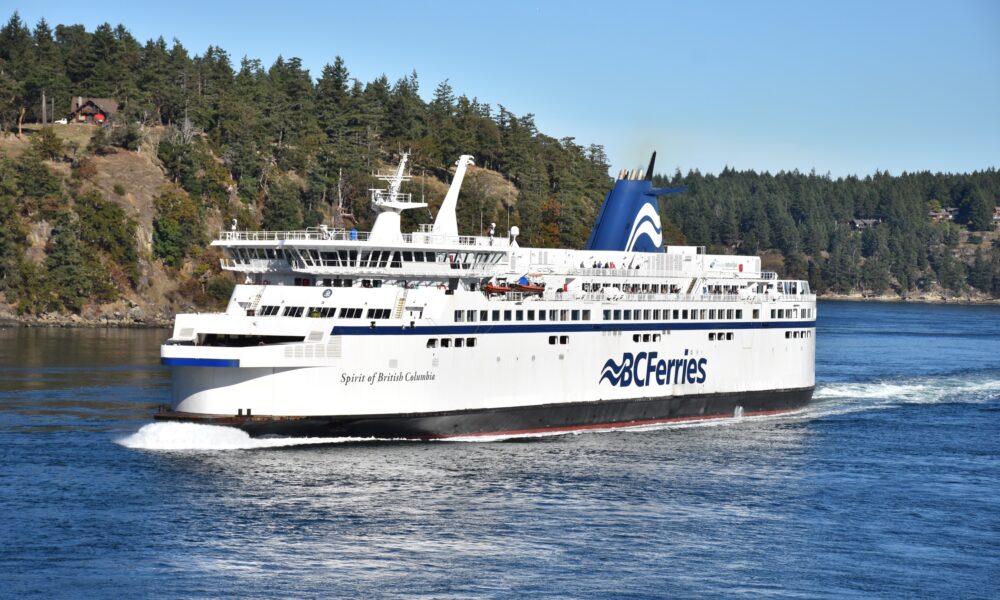
BC Ferries Sparks Outcry Over Contract with Chinese Shipyard
-
Economy7 days ago
Global Energy Markets Brace as Iran Threatens Trade Routes Amid US Military Strikes
-
Baseball7 days ago
AL Pitching Staff Crafts Historic Shutout in Dominant MLB All-Star Performance
-
Finance6 days ago
Bank of Canada Holds Rates Steady at 2.25% Amid Geopolitical Oil Volatility
-
Entertainment7 days ago
Sean ‘Diddy’ Combs Offloads Star Island Mansion for $55 Million Amid Legal Fallout
-
SPORTS7 days ago
End of the Yzerman Era: Red Wings GM Steps Down Amid Front Office Shakeup
-
Baseball4 days ago
AL Pitching Staff Crafts Historic Shutout in Dominant MLB All-Star Performance
-
SPORTS4 days ago
End of the Yzerman Era: Red Wings GM Steps Down Amid Front Office Shakeup
-
WORLD4 days ago
Sean ‘Diddy’ Combs Offloads Star Island Mansion for $55 Million Amid Legal Fallout