Environment
From Hollywood to the Harvest: Zach Galifianakis Unveils Vancouver Island Gardening Series on Netflix
Zach Galifianakis launches ‘This is a Gardening Show’ on Netflix, spotlighting Vancouver Island farmers and the importance of food security for youth.


A New Chapter in the Comedian’s Career
Known globally for his deadpan delivery in the Between Two Ferns series and his breakout role in The Hangover, Zach Galifianakis is pivoting from Hollywood blockbusters to the fertile soils of British Columbia. The actor is set to lead a new Netflix documentary series titled This is a Gardening Show, a project that spotlights the vibrant agricultural community of Vancouver Island. The series is scheduled for a global release on April 22, strategically timed to coincide with Earth Day.
Cultivating Local Connections
The documentary is far more than a celebrity vanity project; it is a deeply personal endeavor rooted in Galifianakis’s 30-year history with the Vancouver Island region. A hobby gardener for over two decades, Galifianakis aims to bridge the gap between comedic entertainment and practical food security. The show features a mix of the actor’s signature sardonic wit and earnest conversations with local experts, such as Arzeena Hamir, a food security advocate and co-owner of Amara Farm in the Comox Valley. Hamir notes that the show arrives at a critical juncture when rising food costs and climate concerns have made domestic food production more relevant than ever.
Inspiring the Next Generation
A primary focus of This is a Gardening Show is the engagement of younger audiences. One episode features Galifianakis visiting students at Brooklyn Elementary School in Comox, where he discusses the origins of their food. The actor expressed a sense of urgency regarding environmental education, suggesting that as the climate becomes more unpredictable, the ability to grow one’s own food will be an essential skill for the next generation. By blending humor with horticulture, the series hopes to reach viewers who might typically avoid traditional instructional programming.
Personal Stakes and Pumpkin Pies
While the series addresses broad themes of sustainability, it also highlights Galifianakis’s own quiet life on a southern B.C. island. The comedian shared his personal goals for his home garden, including a lighthearted obsession with growing sugar pumpkins for holiday pies. As viewers prepare for the Netflix premiere, the project stands as a testament to the idea that even the most unexpected voices can champion environmental stewardship and local agriculture.

Environment
Super Typhoon Bavi Rapidly Intensifies to Category 5 Strength as it Threatens Pacific Islands
Super Typhoon Bavi has reached Category 5 intensity with 260 km/h winds, posing a direct threat to the Northern Mariana Islands and Guam this week.
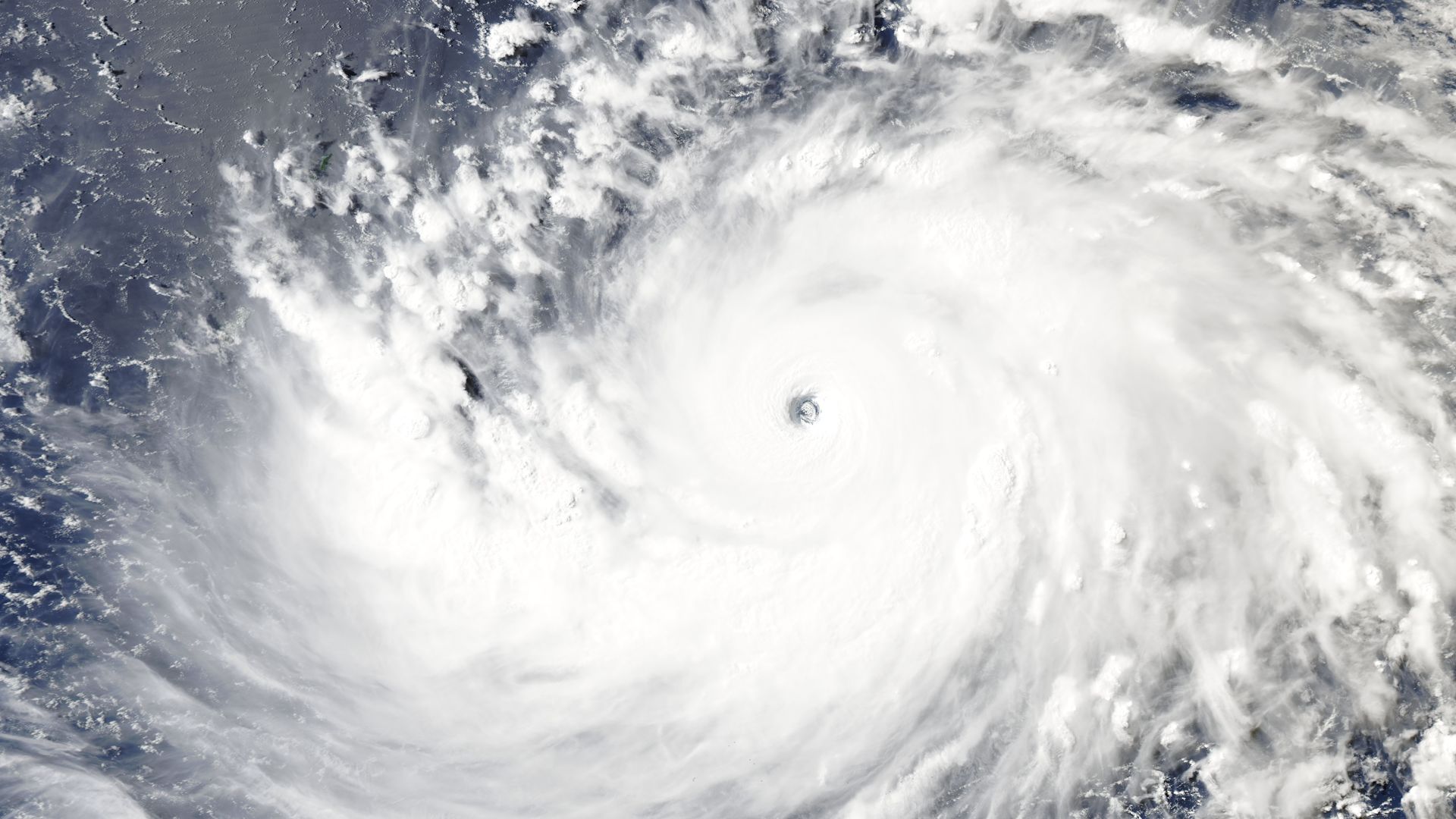
A Powerful Threat Emerges in the Western Pacific
The western Pacific Ocean is currently playing host to one of the most powerful meteorological events of 2026. Super Typhoon Bavi has rapidly intensified into a scale-topping Category 5 equivalent storm, packing maximum sustained winds of 260 km/h. According to the Joint Typhoon Warning Center (JTWC), the storm’s minimum central pressure has plummeted to 919 mb, signaling a core of extreme intensity as it moves toward the Northern Mariana Islands.
Impact Forecast for Guam and the Northern Marianas
As of Saturday afternoon, the storm continues to churn through favorable atmospheric conditions. While eyewall replacement cycles may cause temporary fluctuations in wind speed, the environment remains highly conducive to maintaining Bavi’s status as a high-end super typhoon. Residents of Guam and the Northern Mariana Islands—home to over 200,000 people—are currently on high alert. Current projections suggest the eyewall could pass directly over or near the island of Rota on Monday, bringing life-threatening storm surges, destructive winds, and torrential rainfall.
Historical Context and Global Storm Activity
Bavi marks the third Category 5 equivalent storm globally this year, following Tropical Cyclone Horacio in February and Super Typhoon Sinlaku in April. For the Northern Mariana Islands, the arrival of such a powerful system evokes memories of Super Typhoon Yutu in 2018 and Typhoon Mawar in 2023, both of which caused significant infrastructure damage. Forecasters expect Bavi to expand in physical size as it tracks westward, potentially posing a major threat to Taiwan by the latter half of the week.
Preparedness and Long-term Outlook
Emergency management officials are urging residents to complete preparations immediately. The combination of high sea-surface temperatures and low wind shear in the Philippine Sea is expected to keep Bavi at major hurricane strength for several days. As the storm grows, its wind field will likely impact a broader geographic area, necessitating close monitoring across East Asia as the system approaches more populated coastlines later this month.
Environment
The Orbital Trash Crisis: Solving the 13,000-Tonne Space Junk Dilemma
With 13,000 tonnes of space junk threatening critical infrastructure, experts are racing to develop harpoons, nets, and new policies to clean up Earth orbit.
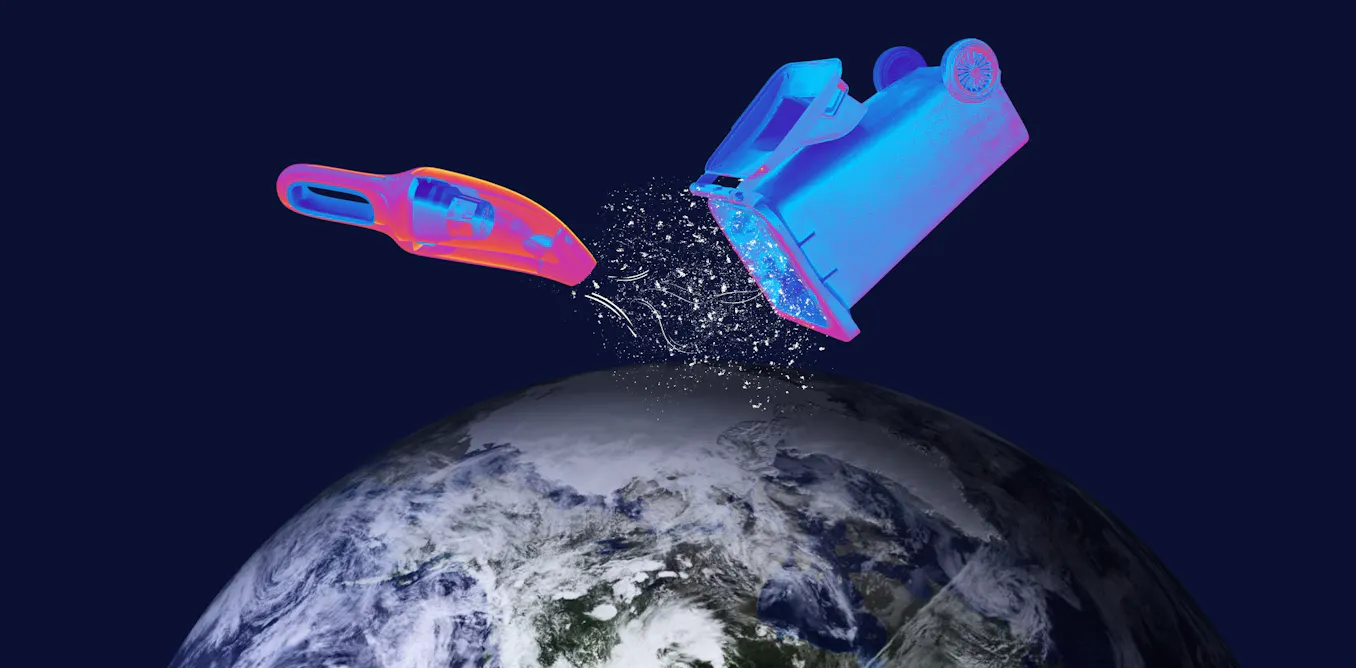
The Growing Gridlock Above Earth
Seventy years ago, the Moon was Earth’s only companion in the night sky. Today, our orbit is crowded with over 15,000 satellites, a number dominated by Elon Musk’s SpaceX. As tech giants plan to launch megaconstellations numbering in the millions, a critical byproduct is reaching a breaking point: space junk. Currently, there are roughly 13,486 tonnes of debris—equivalent to 13 million cane toads—cluttering the orbital environment.
The Threat of Kessler Syndrome
Space junk isn’t just floating; it orbits at speeds of seven kilometres per second. At these velocities, even a fragment the size of a marble can strike with the force of a grenade. Experts warn of the ‘Kessler syndrome,’ a catastrophic chain reaction where collisions create more debris, leading to more collisions. This could eventually render low Earth orbit (LEO) unusable, threatening GPS, weather tracking, and global communications, or even cutting humanity off from space exploration entirely.
Innovations in Orbital Cleanup
Addressing the debris crisis requires a multi-pronged technological approach. Engineers are testing ‘active debris removal’ systems involving harpoons, nets, magnets, and even slingshots to drag defunct satellites into the atmosphere or push them into ‘graveyard orbits.’ Furthermore, satellite design is evolving; researchers in Japan are even testing wooden spacecraft to ensure cleaner atmospheric reentry, while others focus on refueling missions to extend the lifespan of existing hardware.
Policy and the ‘Techbro’ Mentality
Technological fixes alone are insufficient without global policy reform. Current standards are shifting, requiring satellites to de-orbit within five years of mission completion rather than twenty-five. However, critics argue that the ‘techbro’ culture driving the space race often views orbit as a resource to be exploited rather than an environment to be protected. For a sustainable future, experts suggest we must stop viewing space and Earth as separate domains, instead managing our orbit as a fragile, interconnected ecosystem that requires international ‘rules of the road’ to prevent an avoidable environmental collapse.
energy
Prime Minister Mark Carney Reverses Climate Strategy in Bid for National Unity
PM Mark Carney announces a shift in Canada’s energy plan, allowing higher emissions to prioritize national unity and support Alberta’s oil and gas sector.

A Strategic Pivot Toward Fossil Fuels
In a significant departure from the previous administration’s environmental priorities, Prime Minister Mark Carney announced a major shift in Canada’s energy strategy on Tuesday. In a video released as part of his ‘Forward Guidance’ series, Carney admitted that Canadian greenhouse gas emissions will likely rise in the coming years as the government re-embraces the oil and gas sector. The Prime Minister framed this decision as a necessary step to maintain national unity and ensure long-term economic stability.
Repairing the Federal-Provincial Rift
The policy shift serves as a direct olive branch to Alberta, where frustration over federal climate regulations has fueled a growing separatist movement. With a referendum on Alberta’s future in Canada looming this October, Carney characterized the previous government’s emissions caps and carbon pricing as ‘unsustainable’ and ‘divisive.’ By negotiating a new energy accord that includes support for a West Coast oil pipeline, Carney hopes to quell regional tensions and position Canada as a reliable global energy provider.
Critics Warn of Climate Failure
The announcement has sparked immediate backlash from environmental advocates and former political allies. Steven Guilbeault, the former Environment Minister under Justin Trudeau, recently resigned from the cabinet in protest of these rollbacks. Organizations like Stand.Earth and Amnesty International have condemned the move, calling it an ‘admission of defeat’ regarding Canada’s Paris Agreement commitments. While Carney maintains that Canada remains committed to its 2030 targets, current projections suggest the country is significantly off track to meet its goals of reducing emissions by 40 to 45 percent.
The Dual Path: Oil and Electrification
Despite the renewed focus on conventional energy, Carney argued that the future of Canadian competitiveness lies in a massive expansion of the electrical grid. The government’s strategy aims to double national electrical capacity by 2050 using a mix of nuclear, renewables, and natural gas. To mitigate the environmental impact of increased oil production, the federal-provincial accord hinges on the completion of the Pathways carbon capture project, illustrating Carney’s attempt to balance industrial growth with eventual decarbonization.
Investigation Underway Following Fatality at Historic Okanagan Lake Swim Event
RCMP Investigate String of Suspicious Fires in West Kelowna Neighborhood
Strategic Pivot: Canada Joins Global Sixth-Generation Stealth Fighter Program Amid U.S. Trade Tensions
Mayor Olivia Chow Targets Big Tech Pricing Tactics at Toronto Grocery Stores
Canada Offered to Double Oil Exports to U.S. in Failed Trade Negotiations, Hoekstra Reveals
Cross-Border Smoke Crisis: Canada Issues Alerts as U.S. Wildfire Pollution Drifts North
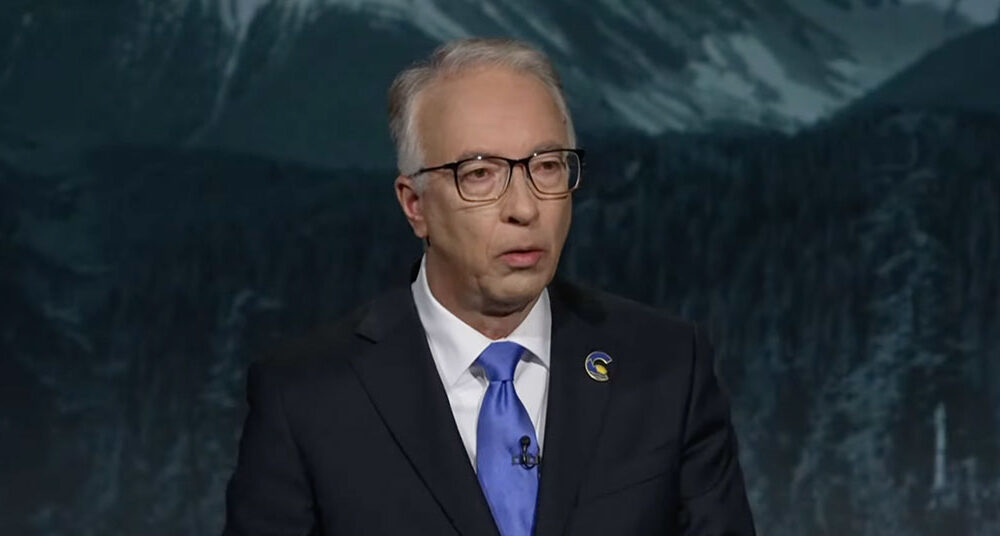
Opinion: John Rustad Has to Go
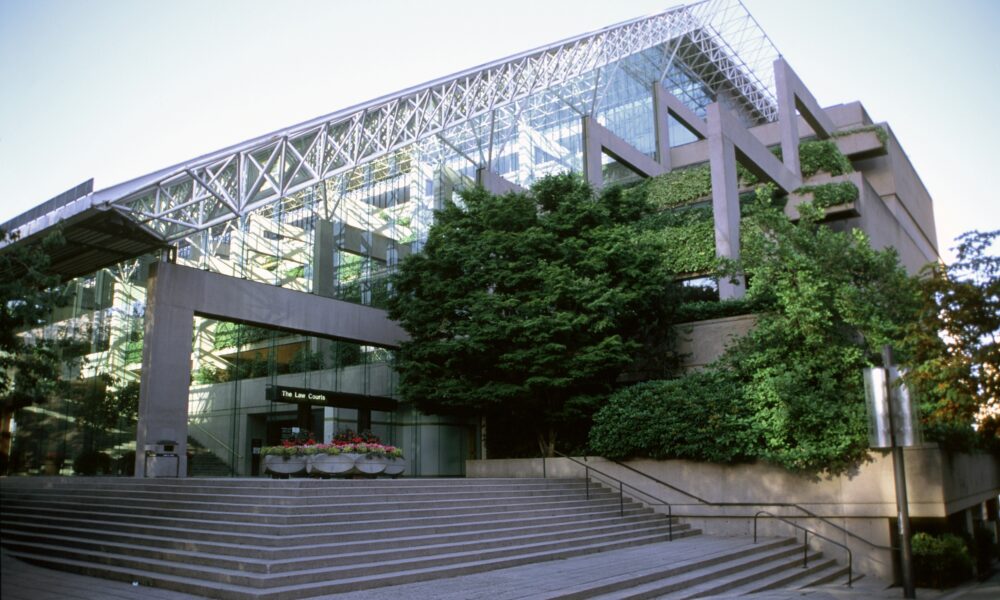
B.C. Supreme Court Grants Cowichan Tribes Title to Historic Richmond Lands and Fishing Rights

A Taste of Autumn: Fall Okanagan Wine Festival 2025

Vancouver Canucks Gear Up for a Make-or-Break 2025–26 Season

Kamloops Blazers Announce Off-Season Changes Ahead of 2025–26 Season

BC Ferries Sparks Outcry Over Contract with Chinese Shipyard
-
Economy7 days ago
Global Energy Markets Brace as Iran Threatens Trade Routes Amid US Military Strikes
-
Baseball7 days ago
AL Pitching Staff Crafts Historic Shutout in Dominant MLB All-Star Performance
-
Finance6 days ago
Bank of Canada Holds Rates Steady at 2.25% Amid Geopolitical Oil Volatility
-
Entertainment7 days ago
Sean ‘Diddy’ Combs Offloads Star Island Mansion for $55 Million Amid Legal Fallout
-
SPORTS7 days ago
End of the Yzerman Era: Red Wings GM Steps Down Amid Front Office Shakeup
-
Baseball4 days ago
AL Pitching Staff Crafts Historic Shutout in Dominant MLB All-Star Performance
-
SPORTS4 days ago
End of the Yzerman Era: Red Wings GM Steps Down Amid Front Office Shakeup
-
WORLD4 days ago
Sean ‘Diddy’ Combs Offloads Star Island Mansion for $55 Million Amid Legal Fallout