HEALTH
Deadly Hantavirus Outbreak Strikes Atlantic Cruise: Three Dead, Others Critically Ill
Three deaths and several suspected cases of hantavirus reported on the MV Hondius cruise ship. Experts warn of a long incubation period as the vessel anchors.

Fatalities and Suspected Cases on MV Hondius
The World Health Organization (WHO) has confirmed a deadly outbreak of hantavirus aboard the MV Hondius, a polar expedition cruise ship currently anchored off the coast of Cape Verde. Three passengers have died, and several others remain in critical condition following a journey that began in southern Argentina. The vessel, operated by Oceanwide Expeditions, completed its scheduled voyage on May 4, but remains in a state of medical uncertainty as local authorities coordinate screening and disembarkation protocols.
The Victims and International Response
Among the deceased are a Dutch couple; a 70-year-old man who died upon arrival at the British territory of St Helena, and a 69-year-old woman who passed away in a Johannesburg hospital after being medically evacuated. A third Dutch national has also been confirmed dead. Currently, a 69-year-old British national is fighting for his life in intensive care in South Africa. The WHO reports one confirmed case and five suspected cases among the approximately 150 tourists and crew members on board. The UK Foreign Office has stated it is monitoring the situation closely and stands ready to support its nationals.
Understanding the Hantavirus Threat
Hantavirus is primarily a zoonotic disease, typically transmitted to humans through contact with the saliva, urine, or droppings of infected rodents. While it is known for causing severe respiratory distress and high fever, human-to-human transmission is considered exceptionally rare. The appearance of the virus on a cruise ship—an environment more commonly associated with norovirus—has raised significant concerns. Microbiologist Siouxsie Wiles noted that the long incubation period, ranging from one to eight weeks, creates a difficult monitoring window to see if more cases emerge among those who have been sharing the vessel since it departed Ushuaia on March 20.
Current Status and Quarantine Measures
The MV Hondius is currently anchored outside the capital city of Praia. Despite reports that two crew members require urgent medical care, Cape Verdean authorities have yet to grant authorization for their disembarkation to local hospitals. Oceanwide Expeditions stated they are in “close consultation” with health officials to ensure safe screening and repatriation. This incident follows a high-profile hantavirus death in 2025 involving the wife of actor Gene Hackman, which previously brought renewed global attention to the dangers of the respiratory illness.

HEALTH
What to Know About the Alasko Frozen Raspberry Recall Following Illness Reports
Alasko brand frozen whole raspberries sold in seven provinces are recalled over potential norovirus contamination following reported illnesses.

CFIA Issues Warning for Alasko Brand Raspberries
Health officials are advising the public not to consume, sell, or serve specific Alasko brand frozen, whole raspberries across seven provinces. The Canadian Food Inspection Agency (CFIA) launched a foodborne illness outbreak investigation that triggered the recall after illnesses linked to the consumption of these items were reported.
The advisory applies to products bearing the lot number LOT# SY25314, purchase order code PO#138602, and a best before date of Nov. 10, 2027. Distributed broadly, these frozen berries reached households as well as hotels, institutions, and restaurants.
Norovirus Symptoms and Health Guidance
The recall stems from potential norovirus contamination. The highly contagious virus causes vomiting and diarrhea, with symptoms typically appearing as early as 12 hours following exposure. Additional symptoms often include stomach pain, nausea, cramps, headache, muscle aches, fatigue, chills, and a low-grade fever.
While no prescription treatments exist for norovirus, most individuals recover within two to three days without enduring lasting health impacts. However, severe vomiting or diarrhea can lead to dehydration. The Public Health Agency of Canada advises affected individuals to drink plenty of fluids, noting that severe cases may require hospitalization for intravenous fluid administration. Anyone who suspects they became ill from these products should reach out to their health-care provider.
Ongoing Investigation and Disposal Instructions
Specific details regarding the location of the outbreak or the total count of sick individuals have not been disclosed. The CFIA is verifying that the marketplace removes affected items and noted that its ongoing investigation could trigger additional product recalls. Consumers and businesses holding the recalled raspberries should either throw them away or return them to the place of purchase.
BC STORIES
Shrinking Job Market and Rising Deficit Mark B.C.’s Latest Financial Update
B.C.’s fiscal deficit is projected to hit $13.8 billion for 2026/27 amid job losses, rising wildfire costs, and global trade challenges.

Economic Indicators Slump as Job Losses Mount
British Columbia’s economic landscape is facing heightened pressure as major financial metrics decline across the province. As of August, employment dropped by 16,400 positions, pushing the overall unemployment rate up by 0.4 percentage points to 6.5 per cent. Additional provincial indicators reflect a broader slowdown: real GDP growth expectations have been lowered from 1.3 per cent to 0.9 per cent, housing starts fell 9.3 per cent, home sales dropped six per cent, and the population decreased by 0.9 per cent. Meanwhile, annual inflation reached 2.9 per cent.
Despite these downturns, certain sectors showed resilience. B.C. saw a 4.2 per cent rise in total international exports—even as shipments bound for the United States fell by 6.2 per cent—and retail sales expanded by 1.9 per cent.
Deficit Reaches Record $13.8 Billion
The province’s projected deficit for the 2026/27 fiscal year has expanded to nearly $13.8 billion, marking an increase of $450 million over the estimate published in the February budget. Newly appointed Finance Minister Josie Osborne, who assumed the cabinet portfolio in mid-August from Brenda Bailey, presented the quarterly financial update on Monday, Sept. 14.
Although the government recorded an extra $887 million in personal income tax receipts beyond original projections, that gain was largely consumed by $614 million in unexpected wildfire suppression costs. Furthermore, provincial figures were revised downward following the discovery of an accounting mistake regarding natural gas royalty revenues, which cut projected revenue estimates by almost $1.5 billion over five years. Fiscal forecasts indicate deficits will remain high at roughly $12.2 billion in 2027/28 and nearly $11.5 billion in 2028/29, driving total provincial debt past $235 billion by 2029.
Global Pressures and Local Reactions
Osborne attributed much of the fiscal strain to international economic volatility, including ongoing trade disputes with the United States involving a 50 per cent tariff on roughly $30 billion in Canadian goods, conflict in the Middle East, and stricter federal immigration policies. The current projections incorporate the U.S. tariffs but exclude potential Canadian counter-measures.
Opposition figures and business groups raised sharp concerns regarding the province’s direction. Peter Milobar, leader of an unnamed breakaway group from the B.C. Conservatives, pointed out that state spending continues to climb despite delays or cancellations of major capital investments, such as a Burnaby hospital expansion and multiple long-term care facilities. Milobar also questioned why the government allowed its tariff-response legislation, Bill 7, to expire unused; Premier David Eby previously stated the province deferred to federal leadership on tariff responses. Additionally, Gavin Dew, B.C. Conservative Finance Critic, argued the administration suffers from a spending problem, while Greater Vancouver Board of Trade President Bridgitte Anderson warned that government expenditures are growing faster than the supporting economy.
HEALTH
What to Do During the Temporary Emergency Department Closure in Oliver
South Okanagan General Hospital’s ER in Oliver temporarily closes at 5 p.m. until Sept. 16, 2026. Patients are directed to Penticton Regional Hospital.

Emergency Care Re-Routed to Penticton
Interior Health has announced that emergency services at South Okanagan General Hospital will be unavailable starting at 5 p.m. The facility in Oliver is scheduled to resume normal emergency department operations at 7 a.m. on Wednesday, Sept. 16, 2026.
While the Oliver emergency department remains closed, patients requiring urgent medical attention are directed to visit Penticton Regional Hospital.
Guidance for Local Residents
For life-threatening emergencies, including severe bleeding, chest pains, or difficulty breathing, individuals should call 911 immediately to be transported to the closest operational facility.
Residents who are uncertain if their condition warrants an emergency room visit can contact HealthLink BC by dialing 811 or by accessing healthlinkbc.ca for non-emergency guidance.
Your Current 3 Day Forecast — September 20, 2026

Dylan Cease struggles as Toronto pitching strain worsens in loss to Rangers
How Canada’s Prime Minister Is Building Stronger Trans-Atlantic Ties Close to Home
Montreal’s High-Powered Offense Holds Off Late Hamilton Comeback in East Clash
What to Know Ahead of Alberta’s Oct. 19 Vote on a Separation Referendum
What to Know About the Alasko Frozen Raspberry Recall Following Illness Reports

Opinion: John Rustad Has to Go
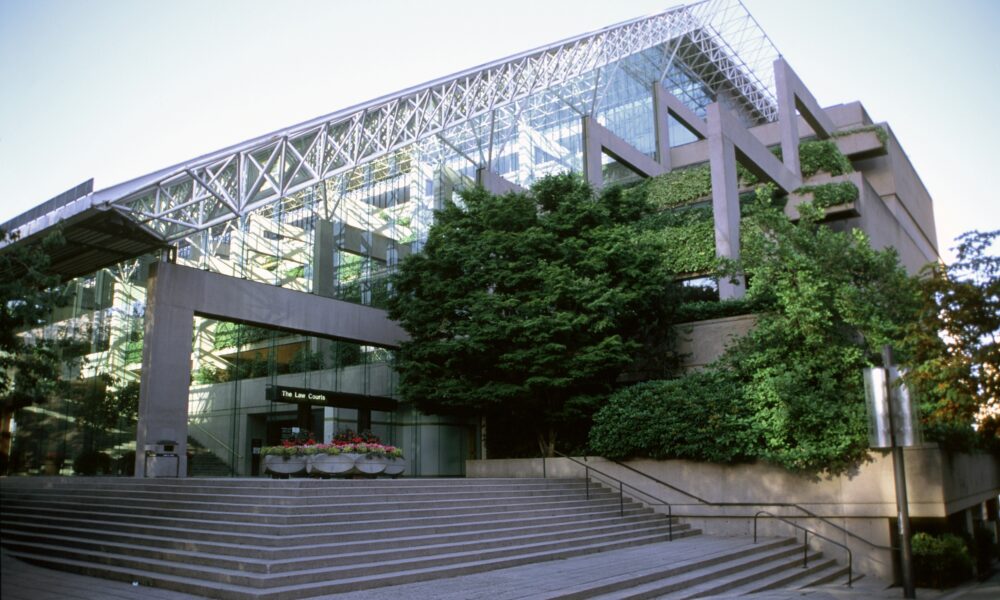
B.C. Supreme Court Grants Cowichan Tribes Title to Historic Richmond Lands and Fishing Rights

A Taste of Autumn: Fall Okanagan Wine Festival 2025

Vancouver Canucks Gear Up for a Make-or-Break 2025–26 Season

Kamloops Blazers Announce Off-Season Changes Ahead of 2025–26 Season
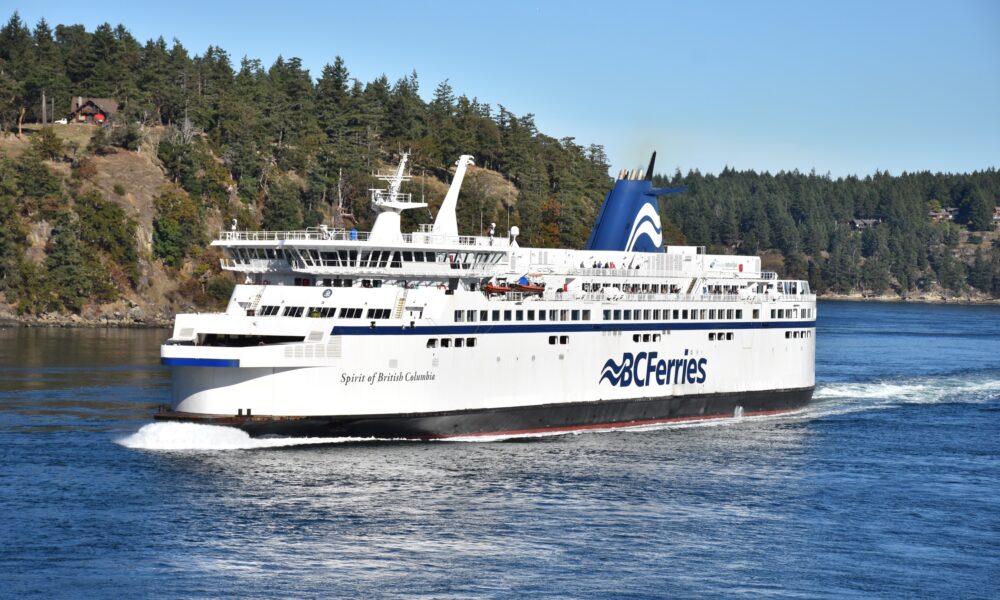
BC Ferries Sparks Outcry Over Contract with Chinese Shipyard
-
NATIONAL STORIES6 days ago
Remembering George Chuvalo: The Canadian Heavyweight Legend Who Never Got Knocked Down
-

 NATIONAL STORIES6 days ago
AI’s Biggest Warning May Be Coming From the People Building It
-

 COMMUNITY6 days ago
Navigating Blended Family Wills and Estate Options
-
POLITICS7 days ago
What Trump’s Remarks Linking Canada to Iran Signal About International Negotiations
-

 SPORTS6 days ago
How Video Adjustments Fuelled the Vancouver Canucks’ 5-2 Prospects Victory Over Seattle
-

 BC STORIES6 days ago
Uncertain Eyewitness Testimony at Center of Final Arguments in 2021 Restaurant Shooting Trial
-
WORLD7 days ago
What Trump’s Remarks Linking Canada to Iran Signal About International Negotiations
-
LOCAL7 days ago
Stephen Johnston Mayor by Acclamation