Energy & Resources
Canada Shifts Energy Policy: Hodgson Declares End of Apologies for Oil Sands Success
Natural Resources Minister Tim Hodgson defends Alberta oil sands at the Global Energy Show, signaling a major pro-development shift in Canadian energy policy.


A Major Strategic Pivot in Ottawa
In a significant departure from previous federal rhetoric, Natural Resources Minister Tim Hodgson opened the Global Energy Show in Calgary with a robust defense of Canada’s fossil fuel sector. Speaking before an audience of industry leaders, Hodgson characterized the Alberta oil sands as ‘one of the great industrial achievements in Canadian history,’ signaling a pragmatic shift under Prime Minister Mark Carney’s government. The minister emphasized that natural resources only provide value when they can reach global markets, effectively making the case for new pipeline infrastructure extending from Alberta to the West Coast.
The Economic Imperative Amid Global Instability
The federal government’s renewed support for the sector comes at a time of heightened global volatility. With the Iran war and the closure of the Strait of Hormuz causing energy supply shocks, Hodgson argued that Canada must step up as a reliable supplier. ‘We cannot pretend the world no longer needs oil and gas,’ Hodgson stated, asserting that conventional energy remains critical to international stability. To facilitate this, the newly established Major Projects Office aims to fast-track regulatory approvals for megaprojects deemed to be in the national interest, sending a clear message that Canada is once again open for large-scale energy investment.
The Pathways Deadlock: Carbon Capture and Costs
Despite the optimistic tone, significant hurdles remain regarding decarbonization. The Carney government has made new pipeline approvals conditional on the completion of the Pathways carbon-capture project. However, Cenovus Energy CEO Jon McKenzie labeled the initiative a ‘project with no revenue,’ describing it as a cost burden on the industry. This tension highlights the delicate balance the federal government is trying to strike between increasing production and meeting environmental targets. While Alberta Premier Danielle Smith expressed commitment to the partnership, British Columbia’s Energy Minister Adrian Dix remains skeptical, citing logistical challenges and route uncertainties for the proposed million-barrel-a-day pipeline.
A Race Against the Clock
The coming months will be pivotal for Canadian energy policy. Alberta is expected to submit its formal application for the West Coast pipeline by July 1, leaving the federal government until October to decide if the project qualifies for national interest status. As the industry grapples with a $130-per-tonne carbon price projected for 2040, the outcome of these negotiations will determine whether Canada can successfully bridge the gap between its traditional energy legacy and a lower-emissions future.


Your Current 3 Day Forecast — September 20, 2026

Dylan Cease struggles as Toronto pitching strain worsens in loss to Rangers
How Canada’s Prime Minister Is Building Stronger Trans-Atlantic Ties Close to Home
Montreal’s High-Powered Offense Holds Off Late Hamilton Comeback in East Clash
What to Know Ahead of Alberta’s Oct. 19 Vote on a Separation Referendum
What to Know About the Alasko Frozen Raspberry Recall Following Illness Reports
Opinion: John Rustad Has to Go
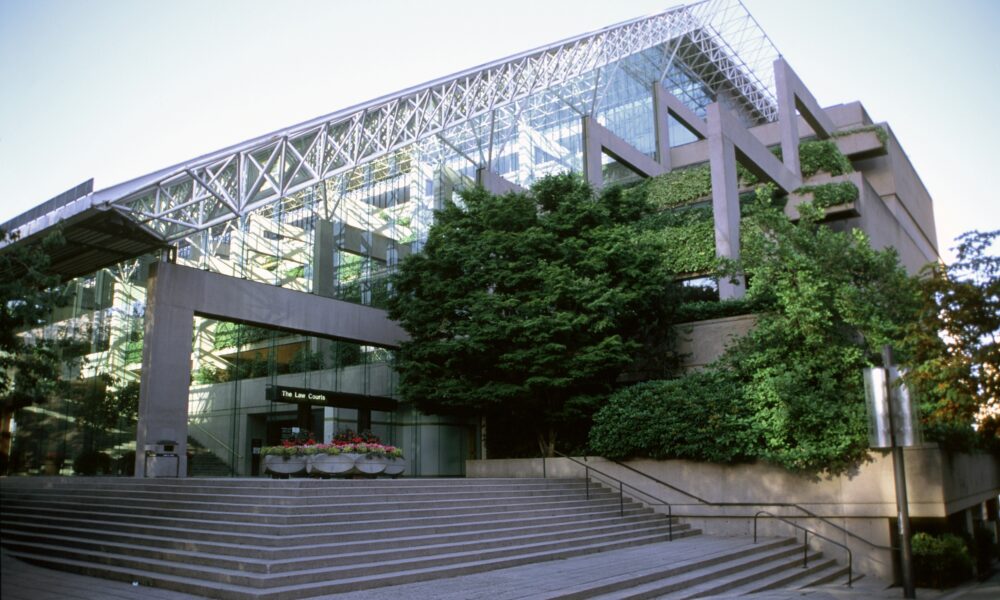
B.C. Supreme Court Grants Cowichan Tribes Title to Historic Richmond Lands and Fishing Rights

A Taste of Autumn: Fall Okanagan Wine Festival 2025

Vancouver Canucks Gear Up for a Make-or-Break 2025–26 Season

Kamloops Blazers Announce Off-Season Changes Ahead of 2025–26 Season
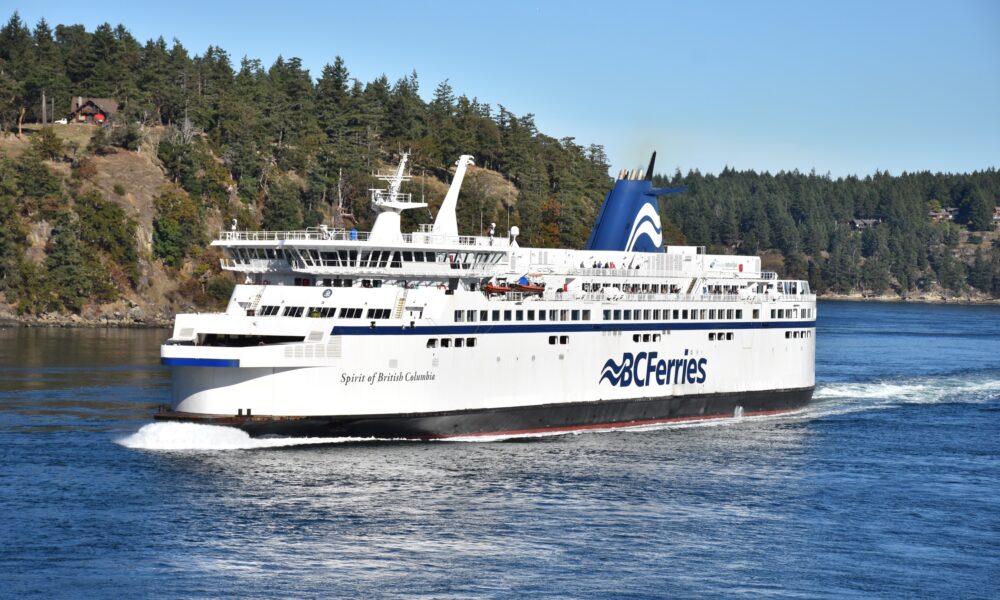
BC Ferries Sparks Outcry Over Contract with Chinese Shipyard
-
NATIONAL STORIES6 days ago
Remembering George Chuvalo: The Canadian Heavyweight Legend Who Never Got Knocked Down
-

 COMMUNITY6 days ago
Navigating Blended Family Wills and Estate Options
-

 NATIONAL STORIES6 days ago
AI’s Biggest Warning May Be Coming From the People Building It
-

 SPORTS6 days ago
How Video Adjustments Fuelled the Vancouver Canucks’ 5-2 Prospects Victory Over Seattle
-
POLITICS7 days ago
What Trump’s Remarks Linking Canada to Iran Signal About International Negotiations
-
WORLD7 days ago
What Trump’s Remarks Linking Canada to Iran Signal About International Negotiations
-
LOCAL7 days ago
Stephen Johnston Mayor by Acclamation
-

 BC STORIES6 days ago
Uncertain Eyewitness Testimony at Center of Final Arguments in 2021 Restaurant Shooting Trial