Britney Spears Solidifies Financial Legacy with Massive Music Catalog Sale to Primary Wave
Pop icon Britney Spears has reportedly sold her song catalog to Primary Wave in a nine-figure deal, securing her financial legacy after her conservatorship.


A Landmark Deal for the Princess of Pop
In a move that signals a significant shift in her professional trajectory, pop icon Britney Spears has reportedly sold her song catalog and various other rights to Primary Wave. Sources confirm that while the specific details of the agreement remain shielded by strict non-disclosure agreements, the transaction is estimated to be valued in the low nine figures. This deal places Spears among a growing list of legendary artists who have chosen to monetize their life’s work, securing their financial futures while entrusting their musical legacies to specialized management firms.
The news, which first broke via TMZ and was subsequently corroborated by industry insiders, suggests that the acquisition includes both Spears’ artist royalties and her publishing rights. Although reps for both the singer and Primary Wave have declined to comment officially, legal documents reportedly indicate that Spears has offloaded her ownership share of the catalog. The move is particularly noteworthy given Spears’ status as one of the most successful recording artists of the 21st century, with a career that has defined the pop genre for over two decades.
Understanding the Scope of the Catalog
While Britney Spears is often celebrated primarily as a performer, her contributions as a songwriter are substantial. She holds credits on nearly 40 songs within her catalog. These include the critically acclaimed ballad “Everytime,” which showcased her vulnerability and melodic sensibilities, as well as fan favorites and collaborations such as “Me Against the Music,” “S&M,” and the high-energy anthem “Work Bitch!”
Industry analysts suggest that the deal likely excludes Spears’ name, image, and likeness (NIL) rights. Given her global brand recognition, NIL rights would typically command a significantly higher premium than the reported nine-figure sum. By retaining these rights, Spears maintains control over how her personal brand is used for endorsements and new ventures, while Primary Wave focuses on the strategic exploitation of her existing musical IP.
Strategic Exploitation and Future Projects
Primary Wave is known for its aggressive and creative approach to managing music catalogs. The acquisition comes at a time when interest in Spears’ life and music is reaching a new fever pitch. Universal Pictures recently secured the rights to a biopic based on her record-breaking memoir, “The Woman in Me.” This film will undoubtedly rely heavily on her discography, providing an immediate opportunity for the catalog’s new owners to generate revenue through licensing.
Furthermore, the catalog has already seen success on the stage with the 2023 Broadway premiere of “Once Upon a One More Time,” a jukebox musical featuring her greatest hits. With the catalog now under Primary Wave’s umbrella, fans can likely expect an increase in sync placements in films, television series, and advertisements, ensuring that Spears’ music remains a staple of the cultural zeitgeist even as she steps back from active recording.
The Transition to a Private Life
This financial maneuver coincides with Spears’ continued retreat from the traditional music industry machinery. She has not released a full-length studio album since 2016’s “Glory” and has not performed in a concert setting since October 2018. Following the high-profile termination of her 13-year conservatorship in 2021, the singer has focused on her personal well-being and autonomy. Recently, she took to social media to squash rumors of a comeback tour, stating unequivocally that she “will never perform in the U.S. again” for “extremely sensitive reasons.”
Despite her distance from the stage, Spears remains a constant presence on social media, where she shares candid videos and reflections on her journey. She recently noted that her frequent dance videos are a form of physical and emotional healing, stating, “I dance on IG to heal things in my body that people have no idea about.” While she has hinted at potential small-scale performances in the UK or Australia alongside her son, the sale of her catalog suggests she is prioritizing long-term stability over the grueling demands of the global pop machine.
As the music industry continues to evolve, Spears’ deal with Primary Wave represents more than just a financial exit. It is a strategic pivot that allows her to enjoy the fruits of her labor while her music continues to reach new generations under the guidance of industry experts. For a woman who spent over a decade fighting for control of her life, this deal may represent the ultimate form of professional and personal liberation.

LOCAL
How West Kelowna Residents Can Explore Heartfulness Meditation and Community Peace
West Kelowna hosts the 4th Peace Ambassador Celebration on Sept. 20 at the DoubleTree by Hilton. Join local leaders for discussions and meditation.


Community Leaders Gather for Annual Peace Celebration
West Kelowna will play host to an afternoon focused on personal and collective harmony as the fourth annual Peace Ambassador Community Celebration convenes on Sunday, Sept. 20. The event, which runs from 1 p.m. to 3 p.m., takes place in the Orchard Conference Centre at the DoubleTree by Hilton, located at 2569 Dobbin Road.
Presided over by West Kelowna Mayor Gord Milsom, the gathering features a panel discussion designed to highlight how peace functions within the local region. Featured speakers include Chaplain Don Richmond of West Kelowna Fire Rescue and the West Kelowna Warriors Hockey Club, Professor Manik Dhir of Okanagan College, shadow finance MLA Gavin Dew of Kelowna-Mission, Dr. Arvind Ravindran, who serves as Country Coordinator for Heartfulness Institute Canada, and Jen Zielinski, Bureau Chief for Black Press Media’s B.C. Interior Division and Yukon.
Invest in Peace Focuses on Individual Experience
Organizers stated in a press release that the central theme, “Invest in Peace,” emphasizes that peace can be cultivated individually and shared across the community. The initiative provides an inclusive space for participants from diverse backgrounds to connect and foster harmony across the Central Okanagan.
Beyond general discussions, attendees will participate in reflection and meditation techniques. The press release noted: “The program will move beyond conversation to personal experience, introducing participants to the heartfulness approach to inner peace, reflection and meditation, based on the belief that lasting community peace begins with the individual.”
Admission to the celebration is free, and attendees can reserve their seats in advance through Eventbrite.
COMMUNITY
Unveiling event offers residents a first look at Kelowna’s future waterfront swim venue
Kelowna residents are invited to City Park on Sunday, Sept. 20, at 2 p.m. to view the unveiled design for the city’s future waterfront swim venue.

Waterfront design reveal scheduled for Sept. 20
Residents are invited to gather at the northwest corner of City Park on Sunday, Sept. 20, at 2 p.m. for the unveiling of the design for Kelowna’s future swim venue.
According to a press release, the special gathering will mark a key milestone for the long-planned project, bringing together supporters, community partners, and local residents to view the initial design and learn about upcoming steps for the new waterfront destination.
Part of broader City Park upgrades
The planned swim venue is one component of the broader City Park Improvement Plan. The overall initiative encompasses several enhancements to the area, including upgraded lighting, enhanced water access, a new boardwalk, and a relocated dog beach.
Your Current 3 Day Forecast — September 20, 2026
Your Current 3 Day Environment Canada forecast for Kelowna, Vernon, Penticton, Summerland, Osoyoos, Princeton.
THE OKANAGAN CURRENT · WEATHER
Your Current 3 Day Forecast
September 20, 2026
Across our communities
Kelowna
Now
9.6°
Sunny
Sunrise 6:41 a.m. · Sunset 7:01 p.m.
Moon: First quarter · 65% lit
Observed 8:00 a.m.
Next 12 hours
Today
Sunny. Wind becoming south 20 km/h this afternoon. High 26. Humidex 27. UV index 5 or moderate.
Rain 0%Wind 15 km/h
Monday
Sunny. Becoming a mix of sun and cloud in the morning. Wind becoming south 20 km/h in the afternoon. High 26. Humidex 27. UV index 5 or moderate.
Rain 0%Wind 5 km/h
Tuesday
Sunny. High 23.
Rain 0%Wind 0 km/h
Vernon
Now
12.6°
Current condition unavailable
Sunrise 6:40 a.m. · Sunset 7:00 p.m.
Moon: First quarter · 65% lit
Observed 8:00 a.m.
Next 12 hours
Today
Sunny. Wind becoming south 20 km/h this afternoon. High 26. Humidex 27. UV index 5 or moderate.
Rain 0%Wind 15 km/h
Monday
Sunny. Becoming a mix of sun and cloud in the morning. Wind becoming south 20 km/h in the afternoon. High 26. Humidex 27. UV index 5 or moderate.
Rain 0%Wind 5 km/h
Tuesday
Sunny. High 23.
Rain 0%Wind 0 km/h
Penticton
Now
9.7°
Mainly Sunny
Sunrise 6:42 a.m. · Sunset 7:01 p.m.
Moon: First quarter · 65% lit
Observed 8:00 a.m.
Next 12 hours
Today
Sunny. Wind becoming south 20 km/h this afternoon. High 26. Humidex 27. UV index 5 or moderate.
Rain 0%Wind 15 km/h
Monday
Sunny. Becoming a mix of sun and cloud in the morning. Wind becoming south 20 km/h in the afternoon. High 26. Humidex 27. UV index 5 or moderate.
Rain 0%Wind 5 km/h
Tuesday
Sunny. High 23.
Rain 0%Wind 0 km/h
Summerland
Now
14.1°
Current condition unavailable
Sunrise 6:42 a.m. · Sunset 7:01 p.m.
Moon: First quarter · 65% lit
Observed 8:00 a.m.
Next 12 hours
Today
Sunny. Wind becoming south 20 km/h this afternoon. High 26. Humidex 27. UV index 5 or moderate.
Rain 0%Wind 15 km/h
Monday
Sunny. Becoming a mix of sun and cloud in the morning. Wind becoming south 20 km/h in the afternoon. High 26. Humidex 27. UV index 5 or moderate.
Rain 0%Wind 5 km/h
Tuesday
Sunny. High 23.
Rain 0%Wind 0 km/h
Osoyoos
Now
10.9°
Current condition unavailable
Sunrise 6:41 a.m. · Sunset 7:00 p.m.
Moon: First quarter · 65% lit
Observed 8:00 a.m.
Next 12 hours
Today
Sunny. Wind becoming south 20 km/h this afternoon. High 26. Humidex 27. UV index 5 or moderate.
Rain 0%Wind 15 km/h
Monday
Sunny. Becoming a mix of sun and cloud in the morning. Wind becoming south 20 km/h in the afternoon. High 26. Humidex 27. UV index 5 or moderate.
Rain 0%Wind 5 km/h
Tuesday
Sunny. High 23.
Rain 0%Wind 0 km/h
Princeton
Now
4.5°
Mainly Sunny
Sunrise 6:45 a.m. · Sunset 7:05 p.m.
Moon: First quarter · 65% lit
Observed 8:00 a.m.
Next 12 hours
Today
Sunny. Hazy. Wind becoming northwest 20 km/h this afternoon. High 28. UV index 5 or moderate.
Rain 0%Wind 5 km/h
Monday
A mix of sun and cloud. Wind becoming northwest 20 km/h in the afternoon. High 26. UV index 5 or moderate.
Rain 0%Wind 0 km/h
Tuesday
Sunny. High 21.
Rain 0%Wind 0 km/h
Track the weather
Last checked 2026-09-20T15:15:39.000Z · Changed: Kelowna, Vernon, Penticton, Summerland, Osoyoos, Princeton · hourly · Next check 2026-09-20T16:15:00.000Z

How West Kelowna Residents Can Explore Heartfulness Meditation and Community Peace

Unveiling event offers residents a first look at Kelowna’s future waterfront swim venue
Your Current 3 Day Forecast — September 20, 2026

Dylan Cease struggles as Toronto pitching strain worsens in loss to Rangers
How Canada’s Prime Minister Is Building Stronger Trans-Atlantic Ties Close to Home
Montreal’s High-Powered Offense Holds Off Late Hamilton Comeback in East Clash

Opinion: John Rustad Has to Go
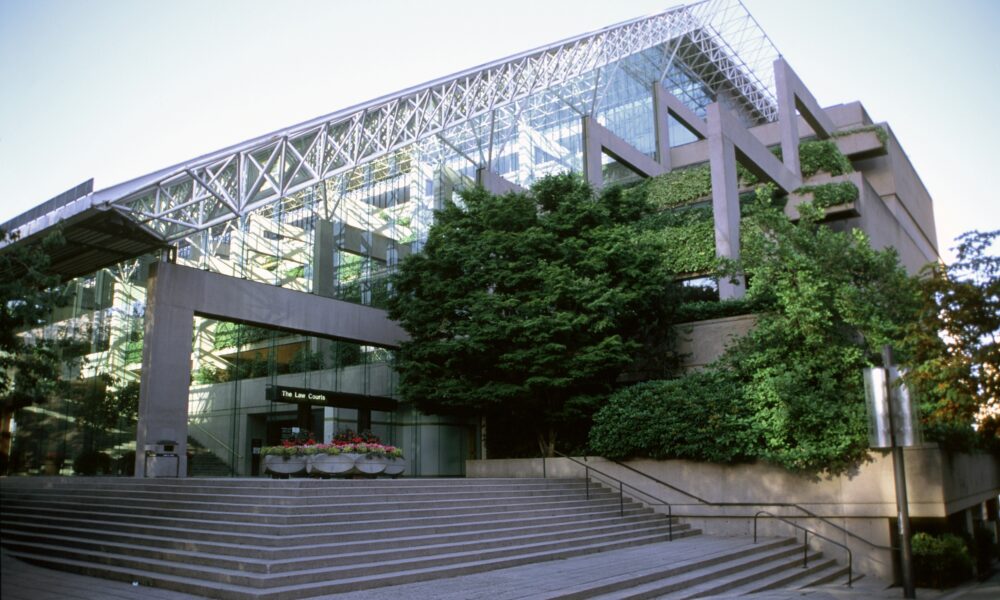
B.C. Supreme Court Grants Cowichan Tribes Title to Historic Richmond Lands and Fishing Rights

A Taste of Autumn: Fall Okanagan Wine Festival 2025

Vancouver Canucks Gear Up for a Make-or-Break 2025–26 Season

Kamloops Blazers Announce Off-Season Changes Ahead of 2025–26 Season

BC Ferries Sparks Outcry Over Contract with Chinese Shipyard
-
NATIONAL STORIES6 days ago
Remembering George Chuvalo: The Canadian Heavyweight Legend Who Never Got Knocked Down
-

 NATIONAL STORIES6 days ago
AI’s Biggest Warning May Be Coming From the People Building It
-

 COMMUNITY6 days ago
Navigating Blended Family Wills and Estate Options
-

 SPORTS6 days ago
How Video Adjustments Fuelled the Vancouver Canucks’ 5-2 Prospects Victory Over Seattle
-
POLITICS7 days ago
What Trump’s Remarks Linking Canada to Iran Signal About International Negotiations
-

 BC STORIES6 days ago
Uncertain Eyewitness Testimony at Center of Final Arguments in 2021 Restaurant Shooting Trial
-
WORLD7 days ago
What Trump’s Remarks Linking Canada to Iran Signal About International Negotiations
-
LOCAL7 days ago
Stephen Johnston Mayor by Acclamation