BC Unveils Sweeping Strategy to Protect Vital Old-Growth Forests

Protecting British Columbia’s Ancient Ecosystems
The provincial government of British Columbia has officially announced a new, comprehensive strategy dedicated to the protection of the province’s vital old-growth forests. The unveiling marks a significant step in the ongoing efforts to conserve these irreplaceable natural resources across the region.
Details of the strategy, while not fully elaborated, suggest a long-term commitment to balancing ecological preservation with sustainable resource management. Government officials emphasized that the policy aims to safeguard biodiversity, maintain critical wildlife habitats, and ensure the ecological integrity of these ancient woodlands for future generations.
Why Old-Growth Forests Matter
Old-growth forests are recognized globally for their profound ecological significance and their crucial role in natural ecosystems. These complex and mature ecosystems are:
- Crucial carbon sinks, playing a key role in climate regulation.
- Home to unique and often endangered species of flora and fauna.
- Essential for maintaining water quality and regulating hydrological cycles.
- Valued for their cultural, spiritual, and recreational importance.
The new strategy is anticipated to involve collaborative efforts with Indigenous communities, environmental organizations, and industry stakeholders to ensure a holistic approach to conservation. Further announcements detailing implementation phases and targeted regions are expected as the government moves to operationalize the comprehensive plan.

Your Current 3 Day Forecast — September 20, 2026
Your Current 3 Day Environment Canada forecast for Kelowna, Vernon, Penticton, Summerland, Osoyoos, Princeton.

THE OKANAGAN CURRENT · WEATHER
Your Current 3 Day Forecast
September 20, 2026
Across our communities
Kelowna
Now
5.8°
Sunny
Sunrise 6:41 a.m. · Sunset 7:01 p.m.
Moon: First quarter · 64% lit
Observed 7:00 a.m.
Next 12 hours
Today
Sunny. Wind becoming south 20 km/h this afternoon. High 26. Humidex 27. UV index 5 or moderate.
Rain 0%Wind 15 km/h
Monday
Sunny. Becoming a mix of sun and cloud in the morning. Wind becoming south 20 km/h in the afternoon. High 26. Humidex 27. UV index 5 or moderate.
Rain 0%Wind 5 km/h
Tuesday
Sunny. High 23.
Rain 0%Wind 0 km/h
Vernon
Now
11.1°
Current condition unavailable
Sunrise 6:40 a.m. · Sunset 7:00 p.m.
Moon: First quarter · 64% lit
Observed 7:00 a.m.
Next 12 hours
Today
Sunny. Wind becoming south 20 km/h this afternoon. High 26. Humidex 27. UV index 5 or moderate.
Rain 0%Wind 15 km/h
Monday
Sunny. Becoming a mix of sun and cloud in the morning. Wind becoming south 20 km/h in the afternoon. High 26. Humidex 27. UV index 5 or moderate.
Rain 0%Wind 5 km/h
Tuesday
Sunny. High 23.
Rain 0%Wind 0 km/h
Penticton
Now
8.5°
Mainly Sunny
Sunrise 6:42 a.m. · Sunset 7:01 p.m.
Moon: First quarter · 64% lit
Observed 7:00 a.m.
Next 12 hours
Today
Sunny. Wind becoming south 20 km/h this afternoon. High 26. Humidex 27. UV index 5 or moderate.
Rain 0%Wind 15 km/h
Monday
Sunny. Becoming a mix of sun and cloud in the morning. Wind becoming south 20 km/h in the afternoon. High 26. Humidex 27. UV index 5 or moderate.
Rain 0%Wind 5 km/h
Tuesday
Sunny. High 23.
Rain 0%Wind 0 km/h
Summerland
Now
11.6°
Current condition unavailable
Sunrise 6:42 a.m. · Sunset 7:01 p.m.
Moon: First quarter · 64% lit
Observed 7:00 a.m.
Next 12 hours
Today
Sunny. Wind becoming south 20 km/h this afternoon. High 26. Humidex 27. UV index 5 or moderate.
Rain 0%Wind 15 km/h
Monday
Sunny. Becoming a mix of sun and cloud in the morning. Wind becoming south 20 km/h in the afternoon. High 26. Humidex 27. UV index 5 or moderate.
Rain 0%Wind 5 km/h
Tuesday
Sunny. High 23.
Rain 0%Wind 0 km/h
Osoyoos
Now
8.8°
Current condition unavailable
Sunrise 6:41 a.m. · Sunset 7:00 p.m.
Moon: First quarter · 64% lit
Observed 7:00 a.m.
Next 12 hours
Today
Sunny. Wind becoming south 20 km/h this afternoon. High 26. Humidex 27. UV index 5 or moderate.
Rain 0%Wind 15 km/h
Monday
Sunny. Becoming a mix of sun and cloud in the morning. Wind becoming south 20 km/h in the afternoon. High 26. Humidex 27. UV index 5 or moderate.
Rain 0%Wind 5 km/h
Tuesday
Sunny. High 23.
Rain 0%Wind 0 km/h
Princeton
Now
2.3°
Mainly Sunny
Sunrise 6:45 a.m. · Sunset 7:05 p.m.
Moon: First quarter · 64% lit
Observed 7:00 a.m.
Next 12 hours
Today
Sunny. Hazy. Wind becoming northwest 20 km/h this afternoon. High 28. UV index 5 or moderate.
Rain 0%Wind 5 km/h
Monday
A mix of sun and cloud. Wind becoming northwest 20 km/h in the afternoon. High 26. UV index 5 or moderate.
Rain 0%Wind 0 km/h
Tuesday
Sunny. High 21.
Rain 0%Wind 0 km/h
Track the weather
Last checked 2026-09-20T14:15:39.000Z · Changed: Kelowna, Vernon, Penticton, Summerland, Osoyoos, Princeton · hourly · Next check 2026-09-20T15:15:00.000Z
SPORTS
Dylan Cease struggles as Toronto pitching strain worsens in loss to Rangers
Dylan Cease issued six walks and recorded career-low fastball velocity as the Toronto Blue Jays lost 7-1 to the Texas Rangers in Arlington, Texas.

Early Control Struggles Shorten Cease’s Outing
ARLINGTON, Texas — Starter Dylan Cease allowed a career-low fastball velocity and matched a season-high six walks Friday as the Toronto Blue Jays fell 7-1 to the Texas Rangers. Cease managed only 2.2 innings, throwing 74 pitches and striking out three batters while placing just 35 per cent of his deliveries in the strike zone.
Cease opened the game with a 91.1-m.p.h. fastball, followed immediately by a 90.0-m.p.h. pitch. He walked four of the first six hitters he faced. Texas built an early lead in the second inning after an infield throw hit a runner, scoring two runs before a sacrifice fly and an RBI double from Corey Seager made it 4-0. Cease was removed in the third inning after loading the bases with two walks and a single.
“If you don’t have velocity or sharp stuff but you can throw strikes and execute, you can still get outs,” Cease said. “But the walks and not commanding the ball is not a good recipe.”
Manager Evaluates Starter’s Health and Workload
Cease’s fastball averaged 93.6 m.p.h. during the outing. Addressing whether physical issues affected his speed, Cease attributed the drop to the timing of the season.
“I think it’s just late in the year. Obviously, I’m still able to take the ball and throw and all that,” Cease said. “I don’t know if it changes that much. I’m just trying to get it in the zone and execute. Whether it’s 92 or 98, the name of the game is executing pitches. So, that’s all I’m really trying to do.”
Blue Jays manager John Schneider indicated the team does not plan to skip Cease’s next scheduled start on Wednesday against Baltimore.
“We’ll see,” Schneider said when asked about Cease’s next outing. “He’s reporting nothing. Feeling all right, feeling good. It’s where we are in the season. Everyone’s battling and grinding to make pitches, grinding to make plays.”
“So, we’ll just be in touch with him. But nothing physically alarming enough to say, ‘hey, we’re going to skip you’ or anything like that. So, just try to manage it, try to work through it in between, and get ready for his next one,” Schneider added.
Bullpen Coverage and Roster Decisions
Five Toronto relievers were required to record the final 16 outs on Friday. The team is currently navigating a stretched pitching staff, with consecutive bullpen days planned for Sunday and Monday. Starter Jose Soriano is set to take the mound Saturday, while 42-year-old Max Scherzer is being given an extra day of rest before pitching Tuesday.
“We’re asking a lot. We’re trying to monitor, when they’re in there, pitch count and number of ups and things like that,” Schneider said. “But we’re going to need Jose to be good tomorrow and reset it a little bit, that’s for sure.”
Spencer Arrighetti is slated to pitch the bulk of Sunday’s game. Trey Yesavage, who recently threw a side session after undergoing knee meniscus surgery, could be activated from the injured list to throw approximately 50 pitches Monday, or as early as Sunday if bullpen usage forces an acceleration. Meanwhile, Toronto recently designated reliever Michael Lorenzen for assignment, leaving open the possibility of calling up additional pitching depth from Buffalo.
Offensively, Toronto’s lone run arrived in the fifth inning on an RBI double by Myles Straw, following walks by Kazuma Okamoto and Josh Smith against Rangers starter Kumar Rocker. Reliever Trevor Williams then held Toronto to two hits over the final four innings to close out the victory for Texas.
NATIONAL STORIES
How Canada’s Prime Minister Is Building Stronger Trans-Atlantic Ties Close to Home
PM Mark Carney meets French President Emmanuel Macron and Norwegian PM Jonas Gahr Store as Canada pursues closer ties with European partners.
Diplomatic Summits Near Newfoundland and Ottawa
Following a trip to Europe, Prime Minister Mark Carney is hosting bilateral discussions with key trans-Atlantic partners over a 48-hour span starting Sunday. Mr. Carney will travel to the French territory of Saint-Pierre and Miquelon, located off Newfoundland’s coast, to meet French President Emmanuel Macron on Sunday. Later that evening, Norwegian Prime Minister Jonas Gahr Store arrives in Ottawa for discussions.
Aligning Foreign Policy and Strategic Goals
The diplomatic visits follow Mr. Carney’s participation in European Commission President Ursula von der Leyen’s State of the Union address in Strasbourg, where Canada was invited to become the European Union’s first associate member. The following day, Mr. Carney presented a vision for a broader geopolitical alliance in an address to the European Parliament. Both France and Norway share a foreign policy focus on strategic autonomy. Mr. Store’s February address to the Oslo Security Conference echoed themes from Mr. Carney’s January speech in Davos regarding a rupture in the global order and the economic leverage exerted by major powers.
Broader Geopolitical Context and Challenges
While European leaders typically pass through Canada ahead of the annual United Nations General Assembly in New York, these talks highlight the central role Europe plays in Mr. Carney’s agenda. German Social Democrat MEP Tobias Cremer noted growing interest in partnering with Canada amid geopolitical pressures involving Russia, China, and the United States. However, domestic political shifts pose potential risks to the alliance strategy. Mr. Macron faces political pressure at home from far-right candidate Marine Le Pen ahead of the 2027 presidential election, reflecting broader gains by anti-EU forces across parts of Europe.
Your Current 3 Day Forecast — September 20, 2026

Dylan Cease struggles as Toronto pitching strain worsens in loss to Rangers
How Canada’s Prime Minister Is Building Stronger Trans-Atlantic Ties Close to Home
Montreal’s High-Powered Offense Holds Off Late Hamilton Comeback in East Clash
What to Know Ahead of Alberta’s Oct. 19 Vote on a Separation Referendum
What to Know About the Alasko Frozen Raspberry Recall Following Illness Reports
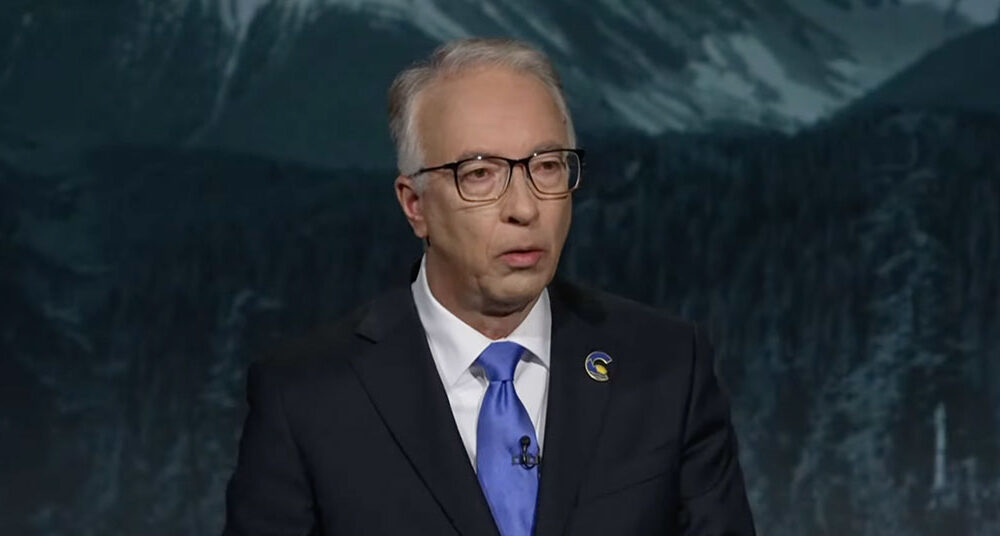
Opinion: John Rustad Has to Go
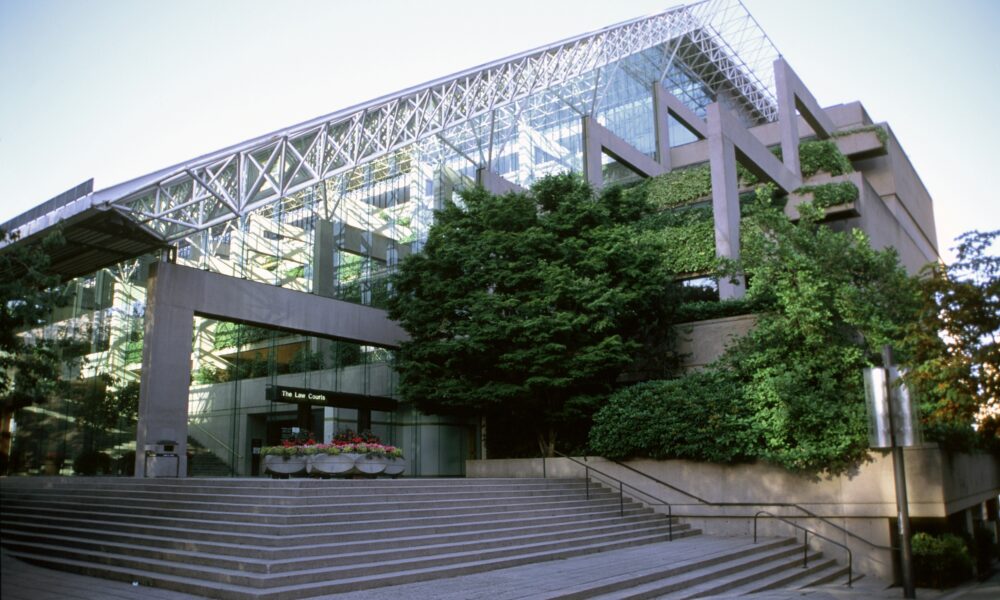
B.C. Supreme Court Grants Cowichan Tribes Title to Historic Richmond Lands and Fishing Rights

A Taste of Autumn: Fall Okanagan Wine Festival 2025

Vancouver Canucks Gear Up for a Make-or-Break 2025–26 Season

Kamloops Blazers Announce Off-Season Changes Ahead of 2025–26 Season
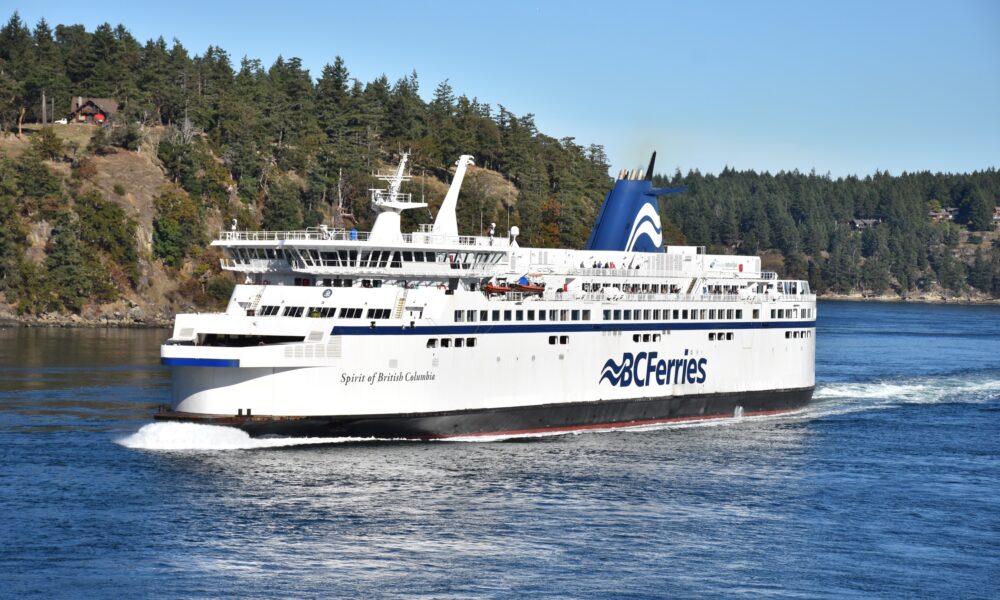
BC Ferries Sparks Outcry Over Contract with Chinese Shipyard
-
NATIONAL STORIES6 days ago
Remembering George Chuvalo: The Canadian Heavyweight Legend Who Never Got Knocked Down
-

 COMMUNITY6 days ago
Navigating Blended Family Wills and Estate Options
-
 SPORTS6 days ago
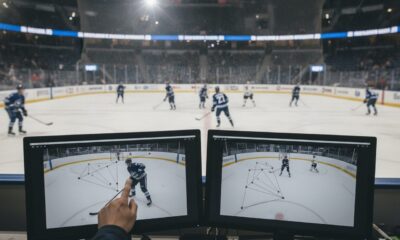
How Video Adjustments Fuelled the Vancouver Canucks’ 5-2 Prospects Victory Over Seattle
-

 NATIONAL STORIES6 days ago
AI’s Biggest Warning May Be Coming From the People Building It
-
POLITICS7 days ago
What Trump’s Remarks Linking Canada to Iran Signal About International Negotiations
-

 BC STORIES6 days ago
Uncertain Eyewitness Testimony at Center of Final Arguments in 2021 Restaurant Shooting Trial
-
WORLD7 days ago
What Trump’s Remarks Linking Canada to Iran Signal About International Negotiations
-
LOCAL7 days ago
Stephen Johnston Mayor by Acclamation