HEALTH
Cross-Border Tariffs Threaten to Drive Up Equipment Costs and Reduce Youth Sports Participation
Sports groups and retailers warn that Canada-U.S. tariffs on sports gear could drive up prices for families and harm business operations.


Escalating Trade Conflict Hits Athletic Goods
Cross-border tariffs between Canada and the United States are placing new financial burdens on businesses and athletic programs, prompting sports organizations and companies on both sides of the border to call for an immediate end to trade duties on athletic gear.
The current trade friction intensified following the collapse of trade negotiations in mid-August. The following day, U.S. President Donald Trump placed 50 per cent duties on $28 billion worth of Canadian imports, encompassing items such as hockey gear, golf products, gym equipment, and fishing rods and parts. In response, Canada enacted retaliatory tariffs on Sept. 8 that hit several athletic lines, including golf gear, fishing equipment, track suits, ski suits, and swimwear.
Local Retailers Face Cost Spikes Passed to Consumers
Retailers are already feeling the direct pinch of these policies. Mark Macaulay, head of procurement at Home Run Sports in Winnipeg, explained that Canadian retaliatory tariffs directly impact his inventory from American suppliers in Louisiana and Pennsylvania, hiking import costs by 50 per cent compared to pre-Sept. 8 pricing.
Macaulay warned that if these tariffs persist into late fall or winter, his business may be forced to delay or cancel product shipments. He noted that higher wholesale expenses cannot be absorbed by the retailer and will inevitably be passed on to customers through elevated retail price tags, potentially pushing consumers toward alternative brands that fall outside the scope of the tariffs.
Concerns Over Rising Costs and Participation Rates
Industry advocates caution that elevated costs could stifle public activity. Aneysha Bhat, spokesperson for the Washington-based Sports and Fitness Industry Association—which represents over 700 brands, manufacturers, retailers, and athletic leagues—emphasized that affordable access is essential for growing participation in active, healthy communities. The association is urging both federal governments to return to the bargaining table to reopen negotiations.
South of the border, concerns are growing that levies placed on Canadian imports will further elevate already high hockey equipment prices. In response, Adam van Koeverden, Canada’s secretary of state for sport, stated that the federal government aims to protect families needing gear for youth sports involvement. While not identifying specific hard-hit sports or regions, van Koeverden indicated the government is evaluating overall impacts across sectors, consulting with national sport organizations to encourage Canadian procurement, and exploring domestic manufacturing solutions.
Riyadh Nazerally, a spokesperson for Innovation, Science and Economic Development Canada, acknowledged via email that U.S. duties generate uncertainty for Canadian manufacturers, particularly affecting small and medium-sized enterprises. He noted that federal efforts remain focused on helping businesses manage liquidity challenges, protect jobs, and maintain operations. Meanwhile, Hockey Canada issued a media statement expressing full support for federal efforts to address the tariff dispute while monitoring the situation’s potential impacts on the national hockey community.

HEALTH
Why B.C. Interior Residents Are Being Warned About Dangerous Unregulated Drugs
Interior Health issues alerts in Cranbrook, Kamloops, and the Kootenays over toxic illicit substances and counterfeit pills containing potent opioids.
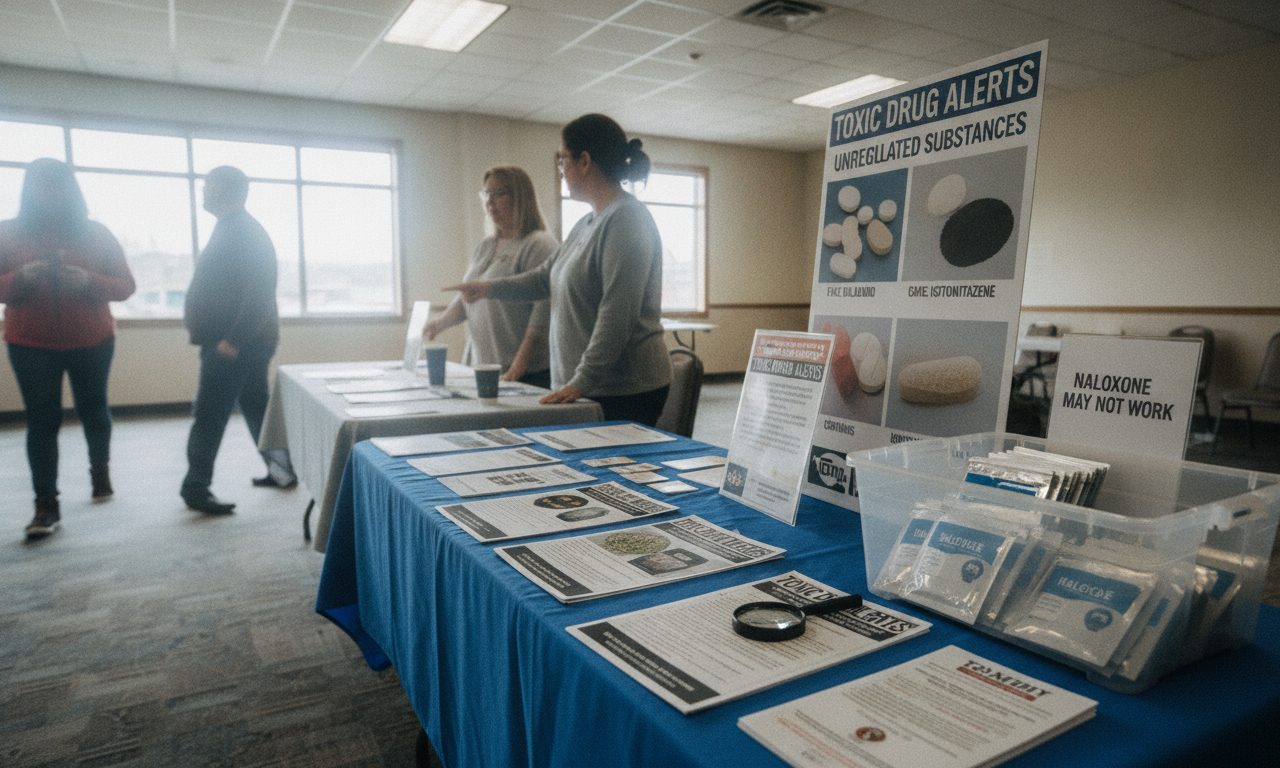
Widespread Alerts Issued Across the Region
Health officials and police in B.C.’s Interior have raised concerns following a series of toxic drug warnings throughout the area. Recent findings reveal that several illicit substances differ significantly from how they are being marketed.
An alert published on Monday in Cranbrook highlighted that illicit substances sold as down, dope, tranq, and fentanyl contain tranquilizers and benzodiazepines. Interior Health warned that these specific additives do not respond to naloxone. Furthermore, the regional health authority detected fentanyl analogues, which are potent synthetic opioids structurally similar to fentanyl. According to Interior Health, combining medetomidine, ethylflualprazolam, and fentanyl analogues can result in extreme sedation extending beyond the duration of naloxone.
Fake Medication and Local Responses
Less than a week prior to the Cranbrook alert, Interior Health alerted the Kamloops area regarding fake Dilaudid tablets. While intended to mimic hydromorphone, testing revealed they actually contained isotonitazene, a potent opioid. Antoine Marcheterre, head of drug checking at Interior Health, noted, “You can’t tell these tablets apart from real ones. We’re really dealing with something that can end up being 50 to 100 times more potent than the tablet that it’s trying to imitate.” Fake tablets containing isotonitazene are estimated to be up to 50 times stronger than fentanyl.
Police in Salmon Arm also took action on Monday after responding to two suspected overdoses within 24 hours. Although the RCMP detachment could not identify the specific substance involved, officers urged users to always carry naloxone and avoid using alone. Earlier in the month, an alert was issued in the Kootenays when testing identified elevated levels of fentanyl analogues, medetomidine, and numerous types of benzodiazepines.
Safety Resources and Regional Impact
To reduce harm, Interior Health recommends utilizing overdose prevention sites, ensuring someone else is present when using drugs, and keeping naloxone on hand. Information on local drug checking locations is accessible at drugchecking.ca.
The current warnings arrive a decade after British Columbia officially declared the toxic drug crisis a public health emergency. B.C. Coroners Service records show 177 deaths related to unregulated drugs in the Interior Health region this year through August. In 2025, unregulated substances were linked to 321 deaths across the region.
BC STORIES
What 5 Neurologist Resignations Mean for Regional Health Care at Interior Health
Five Interior Health neurologists have resigned following expanded regional on-call demands, adding to previous physician departures in the B.C. region.
Five Specialists Step Down Following Regional On-Call Mandate
Five neurologists have resigned from their positions with Interior Health after being required to expand their on-call coverage across the entire health authority region via internet and telephone services. According to Doctors of B.C. president Adam Thompson, the mandate served as a tipping point after physicians expressed that the arrangement was not viable, citing concerns over workload levels.
Pattern of Physician Departures Across Regional Facilities
The decision marks another instance of staff departures within the health authority. Previous incidents include the resignation of all obstetricians and gynecologists at Kamloops’ Royal Inland Hospital last October due to workload, alongside four psychiatrists leaving Vernon Jubilee Hospital that same month. Furthermore, seven pediatricians resigned from Kelowna General Hospital between 2023 and 2025, which led to an internal report highlighting a decline in trust between physicians and administration.
Calls for Collaboration and Health Authority Response
Thompson stressed that health authority administrators must listen to and collaborate with frontline physicians to address ongoing service issues across provincial specialties. In response, Dr. Kirstie McLelland, executive medical director of clinical operations for Interior Health South, stated that election-period communication rules limited detailed comment, but affirmed that the authority remains committed to working with neurologists to meet staff rules and bylaws while delivering required care. She added that members of the public should not hesitate to seek neurology services if needed.
BC STORIES
B.C. Faces an Early and Hard-Hitting Flu Season as Symptoms Intensify
B.C. flu season arrives early as Health Canada reports elevated activity. Learn about the dominant H1N1 strain, severe symptoms, and vaccine availability.

Early Arrival and Severe Symptoms
Influenza activity in British Columbia has surged earlier than usual this year, bringing illness that health professionals describe as particularly intense. According to Health Canada data, flu test positivity across the province is running above average for this time of year, departing from the typical pattern where cases climb slowly toward a holiday peak.
Pharmacists note that the current wave is taking a heavier toll on patients compared to last year. Pharmasave pharmacist Fairuz Siraj stated, “This year it’s hitting hard. We’re seeing a lot of cases of people coming down, feeling ill, and taking more time to recover. A lot more severe type of illness than what we saw last year.”
Dominant Strain and Vaccine Alignment
Data from the Public Health Agency of Canada and the BC Centre for Disease Control show that B.C. registered a “moderate” flu activity level during the first week and a half of October, with wastewater indicators rising at multiple monitoring locations. Meanwhile, other Canadian provinces continue to report “low” or “very low” activity.
The dominant virus strain in circulation is H1N1, a form of Influenza A. On Oct. 7, B.C. Provincial Health Officer Dr. Bonnie Henry announced the launch of the provincial vaccination campaign 10 days ahead of the usual schedule. Because scientists anticipated that H1N1 would lead cases this season, the current vaccine was formulated specifically to target it. Dr. Brian Ward, a scientist at the McGill University Health Centre, noted that “so far, so good,” though he cautioned that flu viruses can mutate as the season progresses. Ward added it remains too early to know if mid-season mutations will occur and stated he is unaware of any predicted mutations that would reduce vaccine efficacy.
Vaccine Access Details
Free influenza immunizations are currently accessible to B.C. seniors and individuals in high-risk categories. Siraj advised that members of the general public seeking early protection may check walk-in clinics for availability or wait for their individual booking notification links, which are expected in late October or early November.

Kelowna Centre may have a new MLA by Friday

Who Gets to Decide Where B.C. Builds? Conservatives Move to Return Housing Power to Municipalities

The Money Spoke Before the Voters Did: How B.C.’s Conservatives Turned Chaos Into Victory

AI Stocks Tumble as U.S. Midterm Elections Send Shockwaves Through Global Markets

Canada to Deny Visas to Russian Hockey Players for 2027 World Juniors

Quebec Suspect Arrested and Extradited in Fatal Highway 97 Hit-and-Run Investigation
Opinion: John Rustad Has to Go
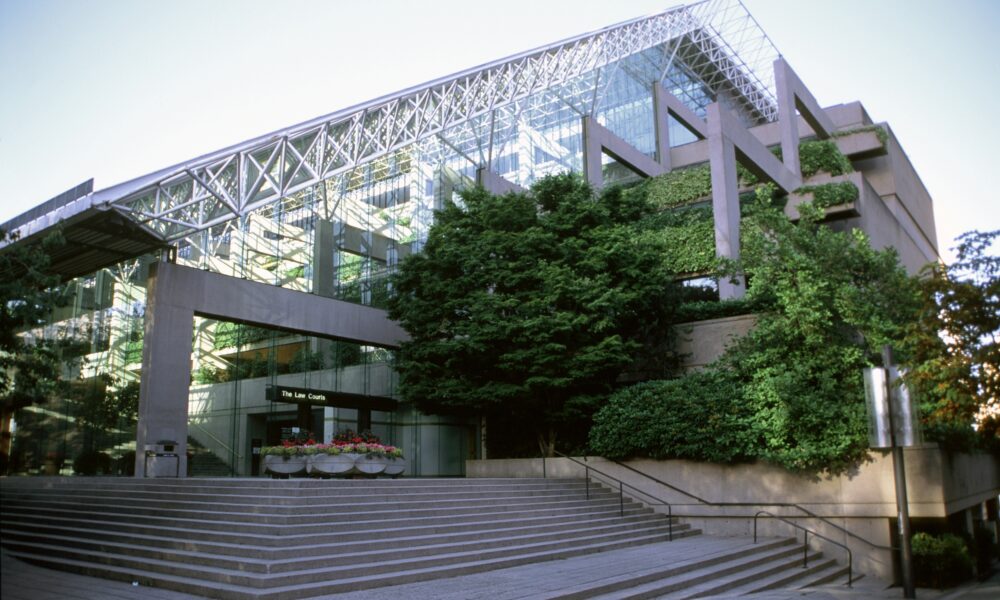
B.C. Supreme Court Grants Cowichan Tribes Title to Historic Richmond Lands and Fishing Rights

A Taste of Autumn: Fall Okanagan Wine Festival 2025

Vancouver Canucks Gear Up for a Make-or-Break 2025–26 Season

Kamloops Blazers Announce Off-Season Changes Ahead of 2025–26 Season

BC Ferries Sparks Outcry Over Contract with Chinese Shipyard
-
5 days ago
Your Current 3 Day Forecast — October 31, 2026
-

 NATIONAL STORIES7 days ago
National School Food Program Faces Scrutiny After Testimony Shows Inflation Erodes Funding
-
6 days ago
Your Current 3 Day Forecast — October 30, 2026
-
3 days ago
Your Current 3 Day Forecast — November 2, 2026
-

 LOCAL3 days ago
Why two Kamloops MLAs see value in a brief sitting before spring
-

 HEALTH6 days ago
Why B.C. Interior Residents Are Being Warned About Dangerous Unregulated Drugs
-
 LOCAL7 days ago
UBC Okanagan Cancels CCS Classes and Exams Following Building Roof Fire
-
 NATIONAL STORIES7 days ago
No Danger to Nearby Residents as Base Firefighters Contain CFB Gagetown Blaze