NATIONAL STORIES
World Mourns on 25th Anniversary of Sept. 11 Terror Attacks


Four U.S. Presidents Attend NYC Event; President Trump Spoke at Ceremony at the Pentagon, Also Struck by a Hijacked Airliner
Americans and others around the world honored the victims of the Sept. 11, 2001 terror attacks in New York City and Washington D.C. today, on the 25th anniversary of the tragic event. One-third of Americans were not yet born on the day of the attack.
The national day of mourning included ceremonies at Ground Zero in New York City as well as at the Pentagon in Washington, D.C. and a field in Shanksville, Pa, where one of the hijacked jets crashed after passengers fought to take back the plane from terrorists.
In New York City, all living former presidents — George W. Bush, Barack Obama, Bill Clinton and Joe Biden — and former first ladies attended the ceremony at Ground Zero. Vice President JD Vance and New York City Mayor Zohran Mamdani, joined them at Ground Zero.
As it has been during every 9/11 ceremony, the victims’ names were read.
This year’s ceremony also included a moment of silence for those who have died of illnesses in the aftermath of the attacks.
President Donald Trump attended a ceremony at the Pentagon in Washington, D.C., spoke about the human sacrifices on Sept. 11 and tried to draw a connection with his illegal war with Iran.
Trump refused to attend the New York City ceremony because he was not allowed to give a speech, according to media reports.
During a midterm GOP convention earlier in the week, Trump gave a fanciful account of being at the scene of the tragedy and being rescued by fire fighters. The story was widely derided as an insult to the real survivors.
The attack on the World Trade Center and Pentagon was part of a broad attack perpetrated by more than a dozen terrorists organized by Osama Bin Laden, who was killed by U.S. Navy Seals in May 2011 at his redoubt in Pakistan.
During the terror attack, two hijacked planes zeroed in on the Twin Towers in New York City, long a hated symbol of Islamic extremists. Each tower was hit causing a huge explosion and fire. The buildings collapsed killing more then 2,700 people.
It was the largest single attack and loss of life on American soil since World War II, second only to the Japanese attack on Pearl Harbor in Hawaii.
The ceremonies were solemn. They were held at memorial plaza and a corner nearby in New York; The two ceremonies reflect a divide over how to observe the anniversary in a time of social distancing.
Relatives of 9/11 victims read the names of those who died on a stage at Zuccotti Park in Lower Manhattan.
The nation has since vanquished Islamic extremists and has suffered no major terror attacks since then.

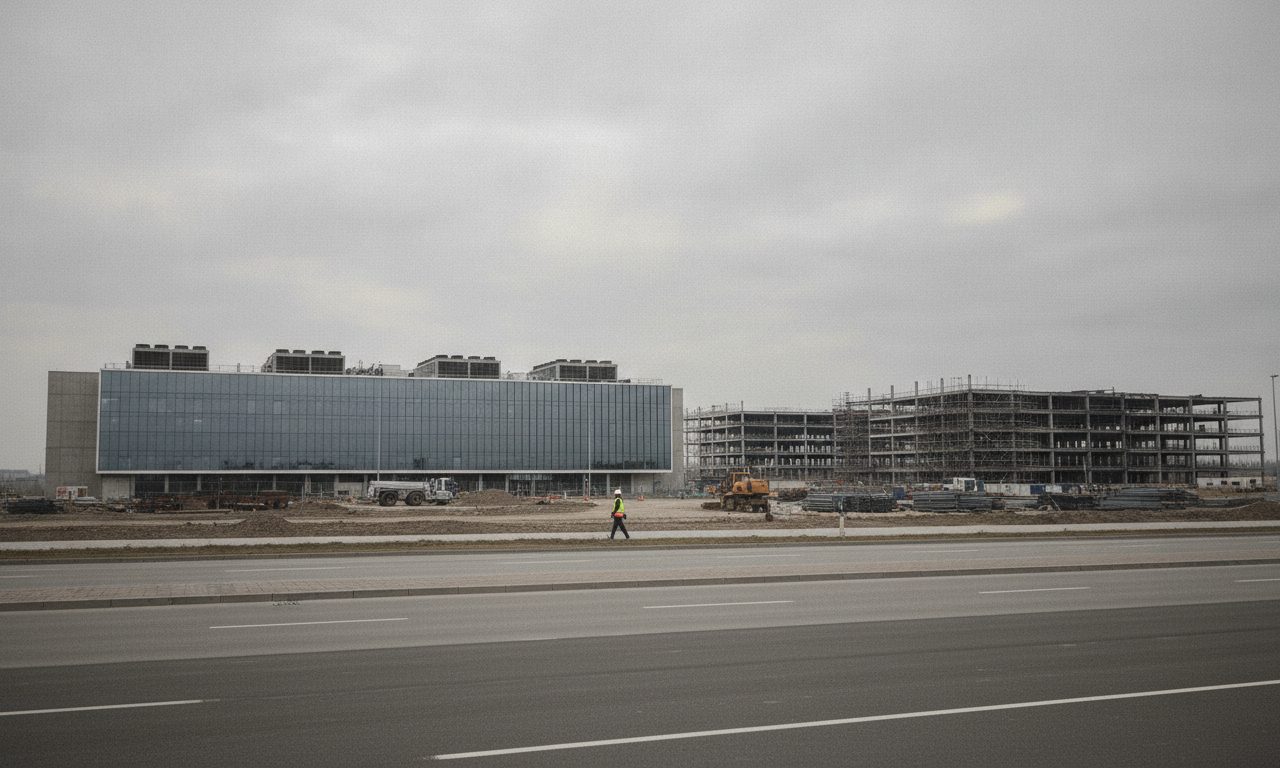
Democratic victories in Washington raise questions about the future of artificial intelligence, data centre expansion and the billions being invested in the technology boom.
By The Current News Desk | November 5, 2026
The artificial intelligence boom that has helped drive global stock markets to extraordinary heights is facing a new and unexpected challenge: American politics.
Following Tuesday’s U.S. midterm elections, technology stocks have come under renewed selling pressure as investors reassess the future of an industry that has attracted hundreds of billions of dollars in investment.
The Democrats’ sweeping victory, which delivered control of both the House of Representatives and the Senate, has introduced a new political reality for President Donald Trump and the technology companies that have benefited from expectations of a business-friendly regulatory environment.
The question facing investors is no longer simply whether artificial intelligence will transform the global economy.
It is whether political opposition, regulatory intervention and growing public resistance could slow the industry’s expansion before investors see the financial returns they have been promised.
Wall Street Reacts to a Political Shift
The market’s reaction has been anything but uniform.
On Wednesday, the Dow Jones Industrial Average surged more than 1,500 points, while the S&P 500 gained 1.6%, as investors welcomed the prospect of divided government and potentially fewer sweeping policy changes.
But beneath those headline gains, companies involved in building the infrastructure required to power artificial intelligence suffered significant losses.
Shares of data centre operators, semiconductor companies and technology infrastructure providers came under pressure.
The selloff extended into Asian markets Thursday, with South Korea’s Kospi dropping 5.3% and Japan’s Nikkei 225 losing nearly 2%.
Major technology companies, including Samsung Electronics, SK Hynix and SoftBank Group, were among those affected.
The contrast reveals an important distinction: investors may be comfortable with the broader political outcome while simultaneously questioning the future profitability of the AI expansion.
Did the Midterms Change the AI Investment Story?
There is growing evidence that the election results have become a significant factor in the technology selloff.
Democratic candidates in several states campaigned on stronger oversight of artificial intelligence, restrictions on data centre construction and greater accountability for the electricity and water consumed by these facilities.
Those concerns are no longer theoretical.
The election results have strengthened politicians who favour slowing or restricting certain developments, particularly in communities where residents are concerned about rising electricity costs and infrastructure demands.
For investors, that creates a potentially serious problem.
Artificial intelligence companies depend on an enormous expansion of computing capacity. That requires new data centres, electrical infrastructure, advanced semiconductors and substantial amounts of capital.
If governments delay construction approvals, impose new operating requirements or restrict access to energy infrastructure, the financial assumptions behind some of these investments could change dramatically.
UBS analysts have estimated that approximately 30% of expected U.S. data centre capacity additions in 2028 could be exposed to potential construction pauses.
That does not mean those projects will be cancelled. But it introduces uncertainty into an industry whose valuations depend heavily on rapid expansion.
Importantly, Congress does not directly control every data centre approval. State governments, municipalities, utilities and local permitting authorities will continue to play a central role.
Nevertheless, a Democratic-controlled Congress could increase scrutiny through hearings, investigations and negotiations over federal policy.
The Bigger Problem: Has AI Become Too Expensive?
Politics may have accelerated the selloff, but it is not the only explanation.
For months, investors have questioned whether the enormous capital expenditures being committed to artificial intelligence can generate sufficient returns.
Technology companies are spending heavily on computing infrastructure, specialized processors, electricity and facilities.
Yet the commercial returns from many AI applications remain uncertain.
This creates a difficult equation.
If infrastructure spending continues accelerating while revenue growth fails to meet expectations, investors may begin questioning valuations that assume years of extraordinary profitability.
Political restrictions would only compound that challenge.
There is also a distinction between the largest technology companies, which have substantial cash reserves, and smaller infrastructure operators that rely more heavily on borrowing and outside investment.
A slowdown in construction could affect those businesses very differently.
The election may therefore be exposing financial vulnerabilities that already existed beneath the enthusiasm surrounding artificial intelligence.
Oil, Interest Rates and the Trump Factor
The political shift is also influencing markets beyond technology.
Oil prices fell sharply Wednesday as investors considered whether a Democratic-controlled Congress could increase pressure on the Trump administration to reduce American involvement in the conflict with Iran.
Brent crude, the international oil benchmark, dropped substantially before recovering some ground Thursday.
Defence contractors also faced selling pressure amid speculation that future military spending could encounter greater congressional resistance.
Meanwhile, U.S. Treasury yields stabilized after earlier declines, reflecting a market attempting to determine how the election will influence government spending, inflation and future interest-rate decisions.
For President Trump, the midterm results represent a significant change in the political environment.
The administration will face a Congress more willing to investigate executive decisions, challenge spending priorities and scrutinize relationships between government and major corporations.
Companies closely associated with Trump and prominent Republican supporters, including Elon Musk, may face additional political attention.
However, increased scrutiny does not automatically translate into new legislation or restrictions. The White House retains significant powers, and congressional Democrats will still face legislative and political constraints.
What Does This Mean for Canada?
For Canadian investors and businesses, the implications extend well beyond movements on Wall Street.
Canada has positioned itself as an attractive destination for artificial intelligence investment, supported by relatively abundant energy resources, a growing technology sector and established research capabilities.
If American data centre development encounters greater regulatory obstacles, some international investors could consider Canadian alternatives.
That could create opportunities for British Columbia, Alberta, Quebec and other provinces seeking investment in computing infrastructure and energy development.
But Canada would also face challenges.
Large-scale AI infrastructure requires reliable electricity, transmission capacity, suitable industrial land and predictable approval processes.
British Columbia, in particular, must consider how growing electricity demand from data centres would interact with existing industrial needs, housing growth and energy development.
There is also a financial risk.
Canadian pension funds, institutional investors and individual shareholders have substantial exposure to American technology markets.
A prolonged correction in AI valuations could affect Canadian investment portfolios, even if the underlying technology continues advancing.
A Warning for the Technology Industry
The message emerging from the U.S. midterms may be larger than a temporary stock market correction.
For years, the artificial intelligence industry has operated on the assumption that technological advancement and investment would move faster than political intervention.
That assumption is now being challenged.
Voters are increasingly asking who benefits from massive technology developments, who pays for the required infrastructure and whether local communities should have greater control over expansion.
Those questions are becoming political issues rather than simply economic considerations.
For investors, the implications are clear.
The future of artificial intelligence will depend not only on technological breakthroughs but also on energy availability, public acceptance, regulatory certainty and the ability to deliver measurable financial returns.
The November midterm elections did not create all the concerns surrounding the AI investment boom.
But they may have brought those concerns into sharper focus.
The technology revolution is not necessarily slowing down. The political and financial conditions supporting its expansion, however, may be changing much faster than investors anticipated.
And that is something markets around the world can no longer afford to ignore.
NATIONAL STORIES
Canada to Deny Visas to Russian Hockey Players for 2027 World Juniors
Canada will not grant visas to Russian hockey players for the 2027 World Junior Hockey Championships in Alberta despite a Court of Arbitration ruling.
Federal Visa Denial Overrides Sports Court Ruling
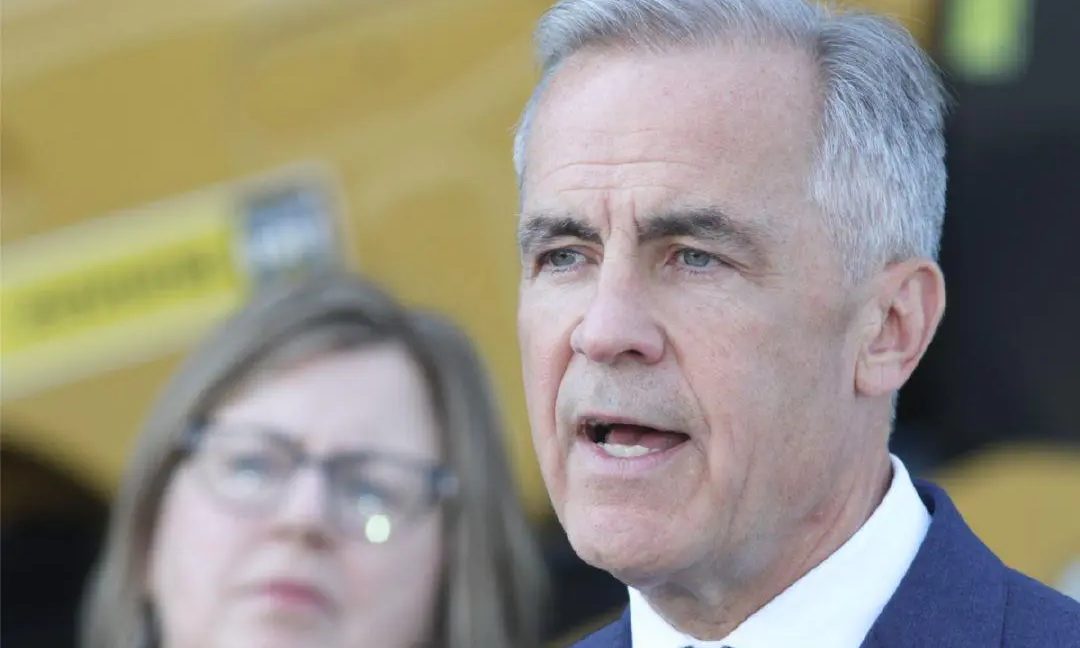
Russian hockey players will be denied entry to Canada for the 2027 IIHF World Junior Hockey Championships, scheduled to begin Dec. 26 in Red Deer and Edmonton. Prime Minister Mark Carney announced the position, citing the ongoing war in Ukraine supported by Russia and Belarus as the reason national team athletes will not be allowed to compete on Canadian soil.
The announcement follows a late October decision by the Court of Arbitration for Sport (CAS), which ruled that the Russian Ice Hockey Federation must be permitted to enter teams into all IIHF Championships with immediate effect. However, Prime Minister Carney affirmed that Canada will not grant visas to these athletes while the military conflict continues.
International Reactions and Organizational Challenges
Following the court’s decision, several national hockey bodies—including those of Finland, Sweden, Norway, Denmark, Czechia, and Latvia—announced boycotts or refusals to play against Russian squads. In response to the federal government’s stance, Hockey Canada released a statement on Nov. 3 expressing gratitude for the clear position on preventing Russian and Belarusian officials and athletes from competing under national symbols, adding that its board of directors would convene to determine next steps.
The IIHF noted it is evaluating the operational hurdles created by the CAS ruling while respecting the court’s authority. The international federation stated that immediate reintegration of Russian teams creates major practical challenges, including visa requirements, security measures, and tournament logistics. Highlighting that the global impact of the ruling was significantly underestimated, the IIHF confirmed it remains in ongoing discussions with national member associations, host authorities, and organizing committees to address safety, security, and competition integrity.
NATIONAL STORIES
Judge Refuses Delay for Sackville Man Seeking MAID During Murder Sentencing
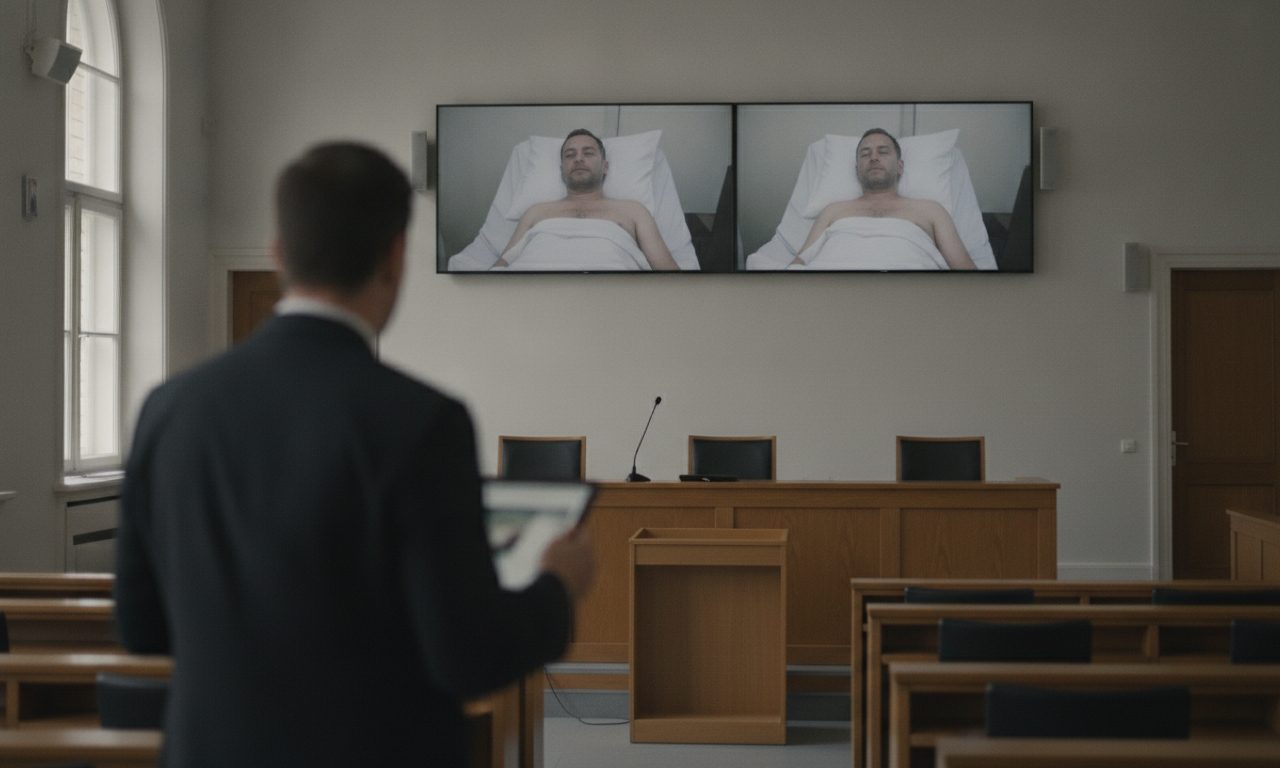
A judge in Moncton ruled that Roger Crossman’s murder sentencing would proceed via video from hospital, despite his terminal diagnosis and MAID request.
Court Proceeding Continues Despite Defendant’s MAID Application
Court of King’s Bench Justice Maya Hamou declined to postpone the sentencing hearing for Roger Hilyard Crossman on Monday, ruling that his application for medical assistance in dying (MAID) would not halt legal proceedings. Hamou stated that Crossman did not have the option to opt out of his sentencing hearing, ordering that it move forward either via video link or in his absence.
Details of the Offense and Court Appearance
Crossman, 65, pleaded guilty earlier this fall to second-degree murder and improperly or indecently interfering with a body in connection with the Oct. 12, 2023 death of his wife, Marlene Cheryl Crossman, 59, at their Sackville home. A prosecutor noted during the guilty plea that Marlene Crossman died from three sharp force injuries to her chest and abdomen after 7 a.m. at their King Street home.
During Monday’s hearing in Moncton, Crossman participated remotely from a hospital bed, appearing shirtless on video screens in the courtroom. He had been hospitalized since Oct. 24. Defense lawyer Martin Siscoe stood beside his client in the hospital, informing the court that Crossman has a terminal cancer diagnosis, could have only weeks to live, and has applied for MAID.
Sentencing Arguments and Victim Impact
Prosecutor Martine Cormier stated that Crossman’s actions involved “egregious and sadistic brutality” and highlighted his “coercive control” over his wife during their nearly 37-year marriage. The Crown requested parole eligibility near the maximum allowable limit under the law. Second-degree murder carries an automatic sentence of life imprisonment, with parole eligibility set between 10 and 25 years.
Siscoe offered no counter-arguments regarding parole eligibility, explaining that his client instructed him not to waste the court’s time and wished to conclude the matter for everyone involved given his health. More than a dozen family members of the victim were present in the gallery, and 10 victim impact statements were submitted to the judge prior to her scheduled afternoon decision.

Kelowna Centre may have a new MLA by Friday

Who Gets to Decide Where B.C. Builds? Conservatives Move to Return Housing Power to Municipalities

The Money Spoke Before the Voters Did: How B.C.’s Conservatives Turned Chaos Into Victory

AI Stocks Tumble as U.S. Midterm Elections Send Shockwaves Through Global Markets

Canada to Deny Visas to Russian Hockey Players for 2027 World Juniors

Quebec Suspect Arrested and Extradited in Fatal Highway 97 Hit-and-Run Investigation
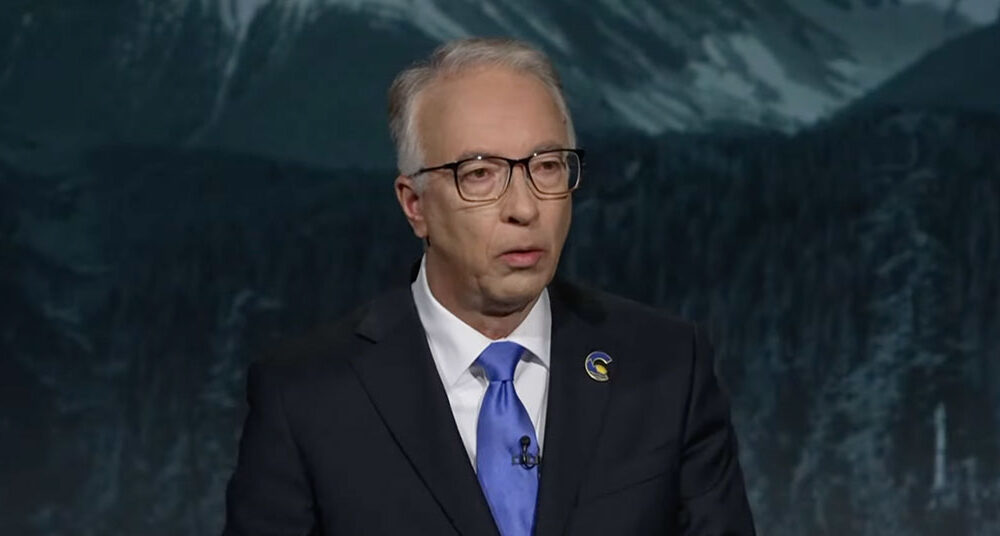
Opinion: John Rustad Has to Go
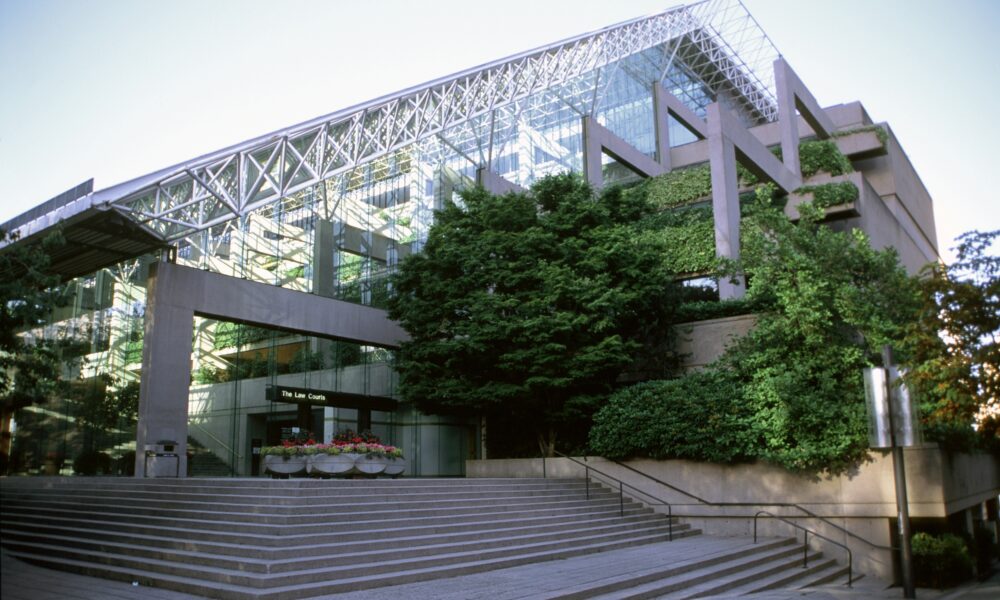
B.C. Supreme Court Grants Cowichan Tribes Title to Historic Richmond Lands and Fishing Rights

A Taste of Autumn: Fall Okanagan Wine Festival 2025

Vancouver Canucks Gear Up for a Make-or-Break 2025–26 Season

Kamloops Blazers Announce Off-Season Changes Ahead of 2025–26 Season

BC Ferries Sparks Outcry Over Contract with Chinese Shipyard
-
5 days ago
Your Current 3 Day Forecast — October 31, 2026
-

 NATIONAL STORIES7 days ago
National School Food Program Faces Scrutiny After Testimony Shows Inflation Erodes Funding
-
6 days ago
Your Current 3 Day Forecast — October 30, 2026
-
3 days ago
Your Current 3 Day Forecast — November 2, 2026
-

 LOCAL3 days ago
Why two Kamloops MLAs see value in a brief sitting before spring
-

 HEALTH6 days ago
Why B.C. Interior Residents Are Being Warned About Dangerous Unregulated Drugs
-
 LOCAL7 days ago
UBC Okanagan Cancels CCS Classes and Exams Following Building Roof Fire
-
 NATIONAL STORIES7 days ago
No Danger to Nearby Residents as Base Firefighters Contain CFB Gagetown Blaze