COMMUNITY
Vernon and Spallumcheen Residents Face Prolonged Outages Following Bradley Creek Wildfire Damage
Bradley Creek wildfire damages electrical systems near Vernon and Spallumcheen. BC Hydro warns residents of prolonged outages as crews replace power poles.

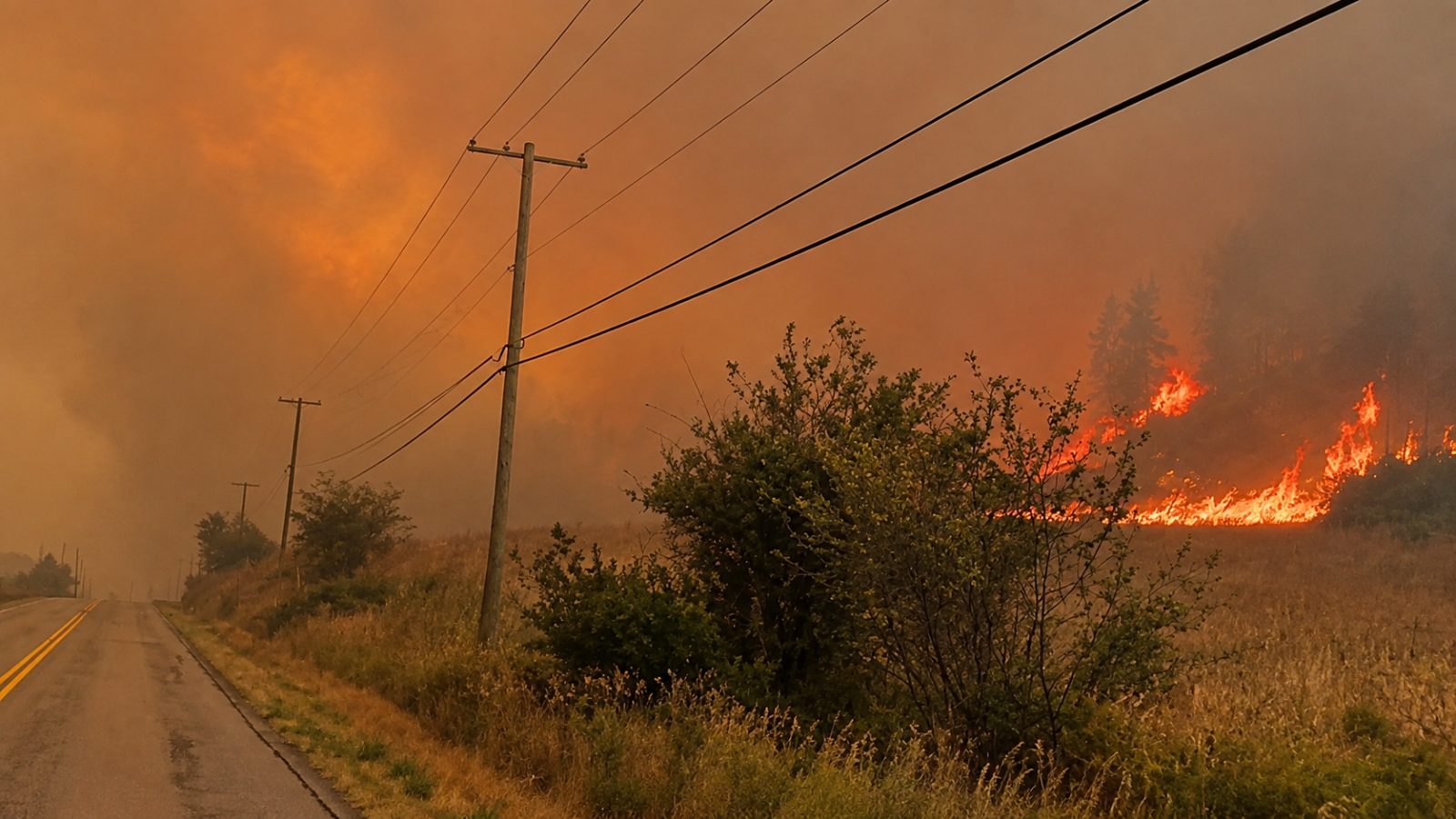
Crews Address Grid Damage as Outages Persist
Monday, August 3 2026, severe damage from the Bradley Creek wildfire has impacted local power systems across the Spallumcheen and Vernon regions. BC Hydro has issued a warning to area residents to prepare for extended power disruptions while recovery efforts proceed.
Utility workers have successfully restored power to a segment of customers situated along Westside Road, lowering the overall count of affected users from more than 3,500 down to roughly 1,700. However, extensive destruction across the electrical network continues to be managed by crews on site.
Repair Challenges and Restoration Estimates
Early evaluation of the damage indicates that crews must replace a minimum of 150 power poles. Official expectations suggest this figure will increase as personnel obtain entry into additional affected locations. At present, BC Hydro is focused on stabilizing compromised infrastructure while securing clear routes for BC Wildfire Service personnel and emergency first responders.
The timeline for full restoration remains uncertain. Utility officials note that progress depends heavily on the safety of repair personnel, local weather conditions, ongoing wildfire activity, and site accessibility.




COMMUNITY
Unveiling event offers residents a first look at Kelowna’s future waterfront swim venue
Kelowna residents are invited to City Park on Sunday, Sept. 20, at 2 p.m. to view the unveiled design for the city’s future waterfront swim venue.


Waterfront design reveal scheduled for Sept. 20
Residents are invited to gather at the northwest corner of City Park on Sunday, Sept. 20, at 2 p.m. for the unveiling of the design for Kelowna’s future swim venue.
According to a press release, the special gathering will mark a key milestone for the long-planned project, bringing together supporters, community partners, and local residents to view the initial design and learn about upcoming steps for the new waterfront destination.
Part of broader City Park upgrades
The planned swim venue is one component of the broader City Park Improvement Plan. The overall initiative encompasses several enhancements to the area, including upgraded lighting, enhanced water access, a new boardwalk, and a relocated dog beach.
COMMUNITY
Middle-Income Renters to Benefit From 129 New Apartments in Rutland
Troika breaks ground on a 129-unit apartment building in Kelowna’s Rutland, featuring 51 middle-income units, an on-site daycare, and transit perks.
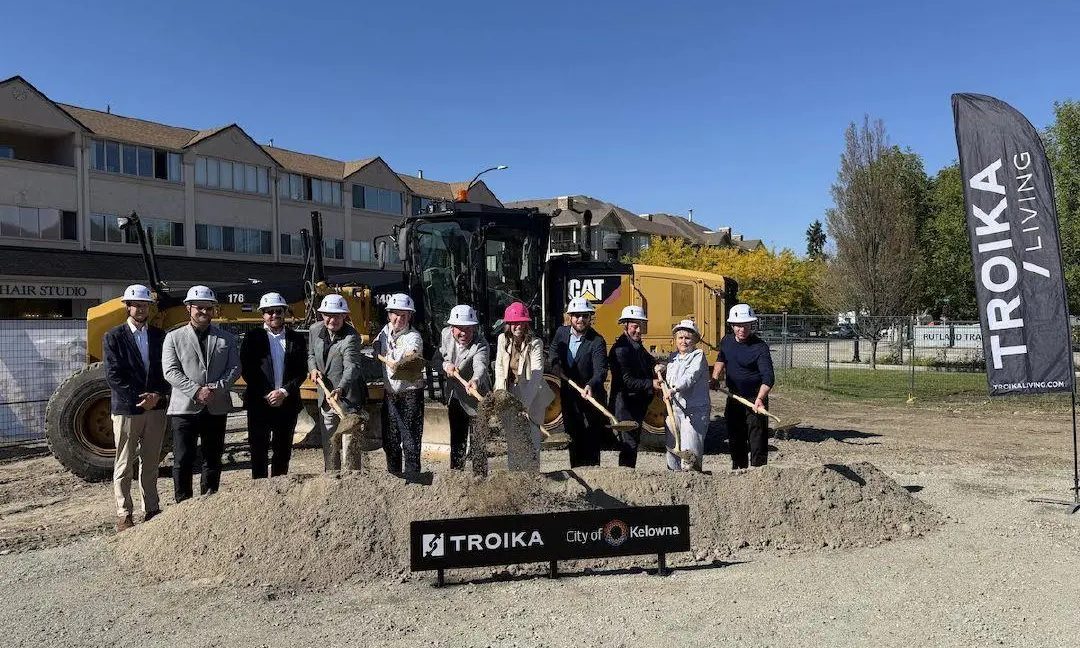
New Multi-Family Development Underway on Dougall Road
Construction has officially commenced on a six-storey rental development in Kelowna’s Rutland neighborhood. Developer Troika held a small ceremony alongside partners and staff on Sept. 17, using gold shovels to mark the start of work at 155 Dougall Rd. North.
Affordable Rents and Family Amenities
The project is being constructed in partnership with the City of Kelowna via its Middle Income Housing Partnership. According to Troika CEO Renee Merrifield, 51 of the planned 129 units are “reserved for income qualified middle income households.” The complex will offer studio apartments as well as one, two, and three-bedroom floor plans.
Families living in the complex will have access to an internal 3,902-square-foot daycare featuring an outdoor play area. Additional facilities include a fitness centre and a rooftop amenity space.
Transit Integration and Eco-Friendly Features
Located adjacent to the Rutland Transit Exchange, the location was selected with local transportation in mind, explained Troika Vice President of Construction Kerry McDowell. To encourage sustainable travel, 17 parking stalls will be EV ready. Every household will also be provided with a complimentary Modo car share membership along with a $100 usage credit for first-time members.
Furthermore, residents will have access to a prepaid eco pass transit fund totaling nearly $200,000 to cover transit fares. Addressing the long-term vision for the property, Merrifield stated, “We will be here carefully managing the building, caring for it and supporting the people and community that grows within it.”
BC STORIES
Why B.C. Farms Are Struggling: New Study Explains the $457 Million Sector Loss
A UFV report reveals that while B.C. farms suffered a $457M loss in 2024, commercial sites earned $770M as rising debt and costs strain mid-sized operations.

Commercial Farms Retain Profitability Despite Heavy Sector Losses
A recent study by the University of the Fraser Valley (UFV) offers a fresh look at British Columbia’s agricultural landscape, clarifying that a reported $456.9 million aggregate loss for 2024 was largely driven by small-scale, sub-commercial operations. Commissioned by the BC Agriculture Council and BC Dairy, the report revealed that 74.4 per cent of the province’s farms generated under $100,000 in annual operating revenue, with over 40 per cent earning less than $10,000.
Study author and UFV assistant professor of agriculture Chris Bodnar highlighted that while these sub-commercial sites account for most of the net financial deficit, B.C.’s 4,100 commercial farms—representing 25.6 per cent of all agricultural properties—remained profitable. Commercial operations generated approximately $770 million in net operating income in 2024, achieving a 13.2 per cent profit margin. Overall output remains concentrated among top earners: less than four per cent of farms generate over $2 million in gross sales, yet they produce 68 per cent of B.C.’s total farm revenue.
Mid-Sized Operations Face Growing Financial Pressure
Despite commercial profitability, the UFV report warns that mid-sized farms generating between $500,000 and $1.99 million in revenue are rapidly shrinking. B.C. currently counts 1,150 mid-sized farms, but the segment has seen steady declines since 2015, dropping by five per cent in the $500,000 to $1 million category. By contrast, while Canada saw a two per cent decline in similar mid-sized operations nationwide, the country experienced a 39 per cent increase in farms making between $1 million and $2 million.
Bodnar noted that mid-sized farms serve as key indicators of broader industry health because they lack the outside income often supporting sub-commercial farms and cannot absorb shocks as easily as large corporate entities. Rapidly escalating expenses are compounding these pressures. Between 2022 and 2024, vegetable and beef producers saw labor costs increase by 4.9 per cent and 4.6 per cent, respectively. B.C. commercial farms also pay higher rent than the national average across nearly all sectors, with tree fruit and nut growers paying more than twice the Canadian average. Additionally, local poultry and dairy operations face feed costs six to seven per cent higher than national levels.
Surging Farmland Values and Debt Escalation
Soaring land values and expanding debt loads are further incentivizing mid-sized farmers to exit the industry. Farmland valuations in B.C. climbed 67 per cent between 2015 and 2023, while provincial farm debt has ballooned by 286 per cent since 2004—growing faster than in any other province. Bodnar pointed out that B.C. remains the only major agricultural province in Canada lacking a dedicated agricultural lending institution.
Danielle Synotte, executive director of the BC Agriculture Council, noted that the report provides factual validation for long-standing concerns regarding B.C.’s unique cost pressures. BC Dairy general manager Jeremy Dunn emphasized that clear data is vital for supporting future sector investment, noting that stability on the farm yields widespread economic and food security benefits across the province. Detailed findings are accessible via the UFV study portal at farmingattheedge.ca.
Your Current 3 Day Forecast — September 22, 2026
Why Global Trade Shifts Are Driving Record Export Numbers Through Vancouver

Unsolved 2017 Slaying of Red Scorpions Founder Continues to Impact Kamloops Criminal Underworld

Why B.C. Is Taking OpenAI to a California Court Over the Tumbler Ridge Shooting

Accidental Email Link Lets Opposition MLA Into NDP Strategy Session
Why the Conservative By-Election Appointment in Brantford-Brant South Is Drawing Local Pushback
Opinion: John Rustad Has to Go
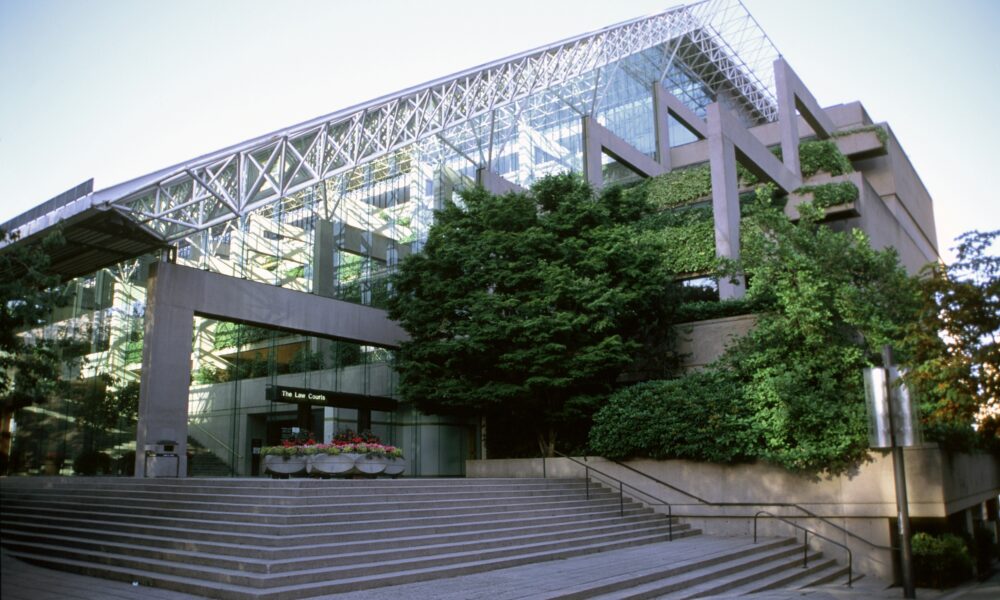
B.C. Supreme Court Grants Cowichan Tribes Title to Historic Richmond Lands and Fishing Rights

A Taste of Autumn: Fall Okanagan Wine Festival 2025

Vancouver Canucks Gear Up for a Make-or-Break 2025–26 Season

Kamloops Blazers Announce Off-Season Changes Ahead of 2025–26 Season
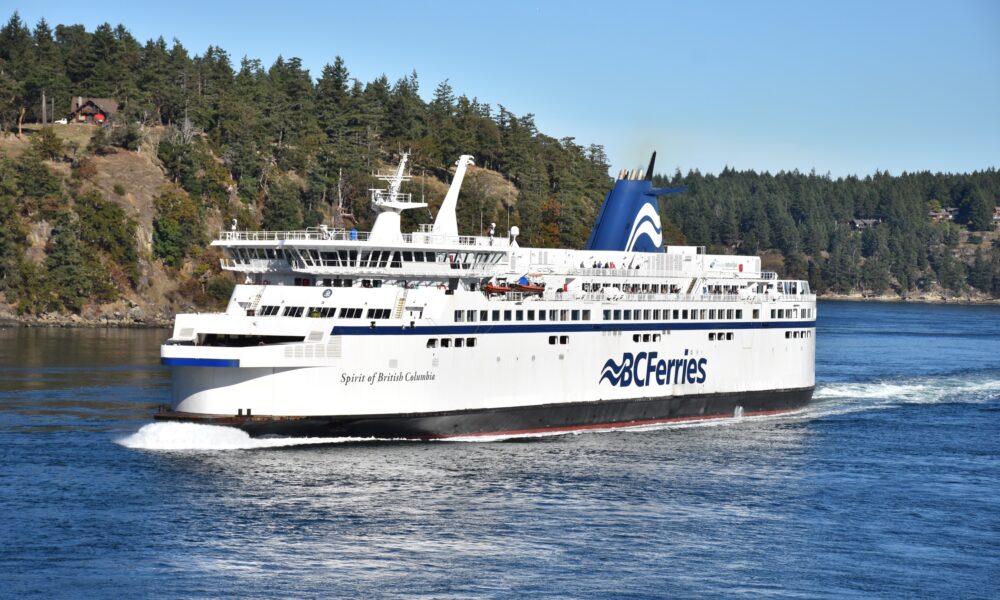
BC Ferries Sparks Outcry Over Contract with Chinese Shipyard
-
NATIONAL STORIES3 days ago
What to Know Ahead of Alberta’s Oct. 19 Vote on a Separation Referendum
-

 POLITICS5 days ago
Why Conservative Slates Aren’t Materializing in Kamloops and Kelowna Elections
-

 BC STORIES5 days ago
Frequent Highway 1 Crashes Leave Revelstoke Residents Fearing for Their Safety
-

 LOCAL4 days ago
Why a Downtown Kelowna Assault Investigation Closed Without Charges
-
NATIONAL STORIES3 days ago
How Canada’s Prime Minister Is Building Stronger Trans-Atlantic Ties Close to Home
-
NATIONAL STORIES7 days ago
What Ottawa’s Plan for Airport Private Investment Means for Passengers and Infrastructure
-
BC STORIES7 days ago
Why a Small B.C. Village Is Using Double the Canadian Average of Water
-
NATIONAL STORIES5 days ago
Public Safety Transparency Highlights Extortion Gang Investigations Across Canada