Economy
Breaking the Stigma: Federal Minister Calls for Youth Pivot to Skilled Trades
Federal Jobs Minister Patty Hajdu calls for an end to skilled trades stigma, highlighting high earning potential and critical labor needs in Canada.


Addressing the Generational Divide in Career Choice
Federal Jobs Minister Patty Hajdu is leading a push to reshape the Canadian workforce, urging young Canadians to reconsider the skilled trades as a primary career path. Speaking at the University of Ottawa, Hajdu emphasized that the long-standing societal stigma surrounding vocational training must be dismantled to meet the nation’s ambitious infrastructure and housing goals. Drawing from her own upbringing in Thunder Bay, Ontario, she noted that students pursuing trade-specific education were often unfairly marginalized, a trend she says has persisted for decades.
The Economic Shift Toward Vocational Excellence
For over forty years, the prevailing narrative in Canadian education has prioritized university degrees as the sole gateway to financial stability. However, Hajdu argues that this singular focus has overlooked the high earning potential and job security found within the skilled trades. With a significant portion of the current workforce approaching retirement, Canada faces a critical labor shortage that threatens to stall construction projects and essential maintenance across the country. The Minister suggests that the modern trades offer sophisticated, high-tech career opportunities that are often more lucrative than traditional white-collar roles.
Incentivizing the Next Generation of Builders
To combat the looming capacity constraints, the federal government is exploring new incentives designed to support young workers through the rigorous apprenticeship and training process. These measures aim to lower the barriers to entry for fields such as construction, electrical work, and plumbing. Prime Minister Justin Trudeau and other officials have echoed this sentiment, suggesting that there has never been a better time for youth to enter the sector, given the multi-billion dollar long-term investments planned for the national housing strategy. By integrating trade promotion into the broader conversation about affordable education, the government hopes to create a more resilient and balanced national economy.

Economy
Global Energy Markets Brace as Iran Threatens Trade Routes Amid US Military Strikes
Iran threatens to block the Strait of Hormuz and other trade routes following fresh US military strikes, causing oil prices to surge amid rising tensions.
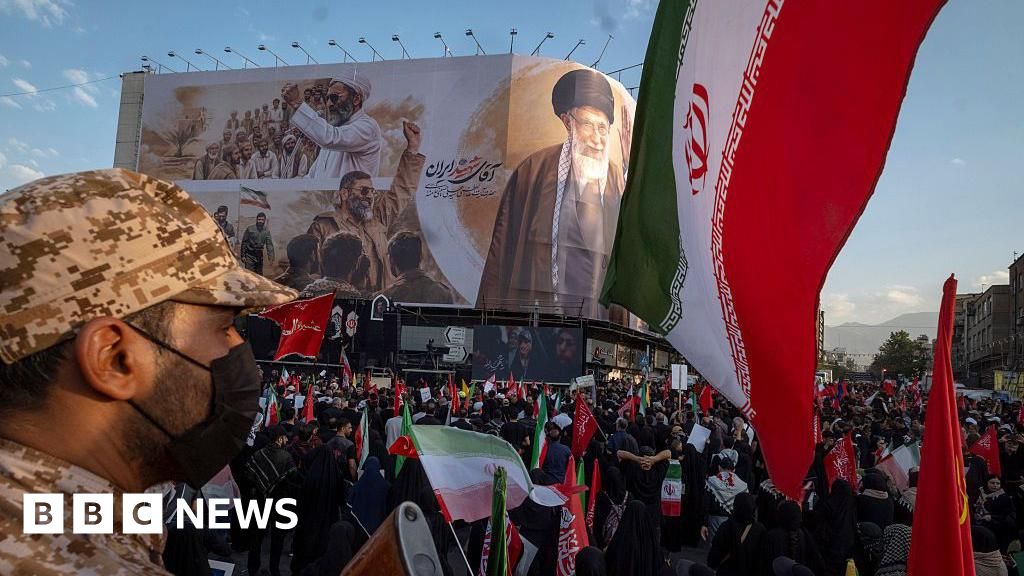
Heightened Tensions in the Strait of Hormuz
The geopolitical landscape in the Middle East has reached a critical boiling point as Iran threatens to shutter vital global trade routes in response to a series of fresh military strikes by the United States. Iran’s Revolutionary Guard Corps (IRGC) announced that the Strait of Hormuz would remain closed until the U.S. ceases what Tehran characterizes as “acts of aggression.” This escalation marks a significant breakdown in regional stability, with Iranian officials further warning that other oil and gas export channels could also face disruption if American military operations continue.
US Military Operations and Strategic Response
U.S. Central Command (Centcom) confirmed a series of air, sea, and drone strikes targeting Iranian military assets on Wednesday morning. These operations followed a sustained seven-hour mission overnight designed to degrade Iran’s ability to interfere with commercial shipping in the region. President Donald Trump has intensified the pressure, vowing to target Iran’s civilian infrastructure, including bridges and power plants, should the nation refuse to return to the negotiating table. While these threats have drawn criticism from international bodies regarding potential violations of international law, the U.S. administration maintains a hardline stance to protect maritime commerce.
Economic Fallout and the Collapse of Diplomacy
The immediate impact of the hostilities has been felt across global markets, with oil prices experiencing a sharp surge as tanker traffic through the Strait of Hormuz—a conduit for a significant portion of the world’s petroleum—has virtually stalled. The situation is further complicated by the reinstatement of a U.S. naval blockade on Iranian ports, effectively nullifying a memorandum of understanding reached just last month that had briefly lowered tensions. As diplomatic efforts falter, the IRGC has signaled it will target “other oil and gas export routes” that serve U.S. interests, raising fears of a broader maritime conflict that could paralyze international energy supplies.
Economy
Global Energy Markets Brace as Iran Threatens Trade Routes Amid US Military Strikes
Iran threatens to block the Strait of Hormuz and other trade routes following fresh US military strikes, causing oil prices to surge amid rising tensions.
Heightened Tensions in the Strait of Hormuz
The geopolitical landscape in the Middle East has reached a critical boiling point as Iran threatens to shutter vital global trade routes in response to a series of fresh military strikes by the United States. Iran’s Revolutionary Guard Corps (IRGC) announced that the Strait of Hormuz would remain closed until the U.S. ceases what Tehran characterizes as “acts of aggression.” This escalation marks a significant breakdown in regional stability, with Iranian officials further warning that other oil and gas export channels could also face disruption if American military operations continue.
US Military Operations and Strategic Response
U.S. Central Command (Centcom) confirmed a series of air, sea, and drone strikes targeting Iranian military assets on Wednesday morning. These operations followed a sustained seven-hour mission overnight designed to degrade Iran’s ability to interfere with commercial shipping in the region. President Donald Trump has intensified the pressure, vowing to target Iran’s civilian infrastructure, including bridges and power plants, should the nation refuse to return to the negotiating table. While these threats have drawn criticism from international bodies regarding potential violations of international law, the U.S. administration maintains a hardline stance to protect maritime commerce.
Economic Fallout and the Collapse of Diplomacy
The immediate impact of the hostilities has been felt across global markets, with oil prices experiencing a sharp surge as tanker traffic through the Strait of Hormuz—a conduit for a significant portion of the world’s petroleum—has virtually stalled. The situation is further complicated by the reinstatement of a U.S. naval blockade on Iranian ports, effectively nullifying a memorandum of understanding reached just last month that had briefly lowered tensions. As diplomatic efforts falter, the IRGC has signaled it will target “other oil and gas export routes” that serve U.S. interests, raising fears of a broader maritime conflict that could paralyze international energy supplies.
Economy
Ottawa Defends Deficit Spending as Bridge to Future Economic Growth
Finance Minister François-Philippe Champagne defends Canada’s deficit spending, citing G7 fiscal strength and future growth plans amid economist skepticism.
Fiscal Strategy vs. Growing Debt Concerns
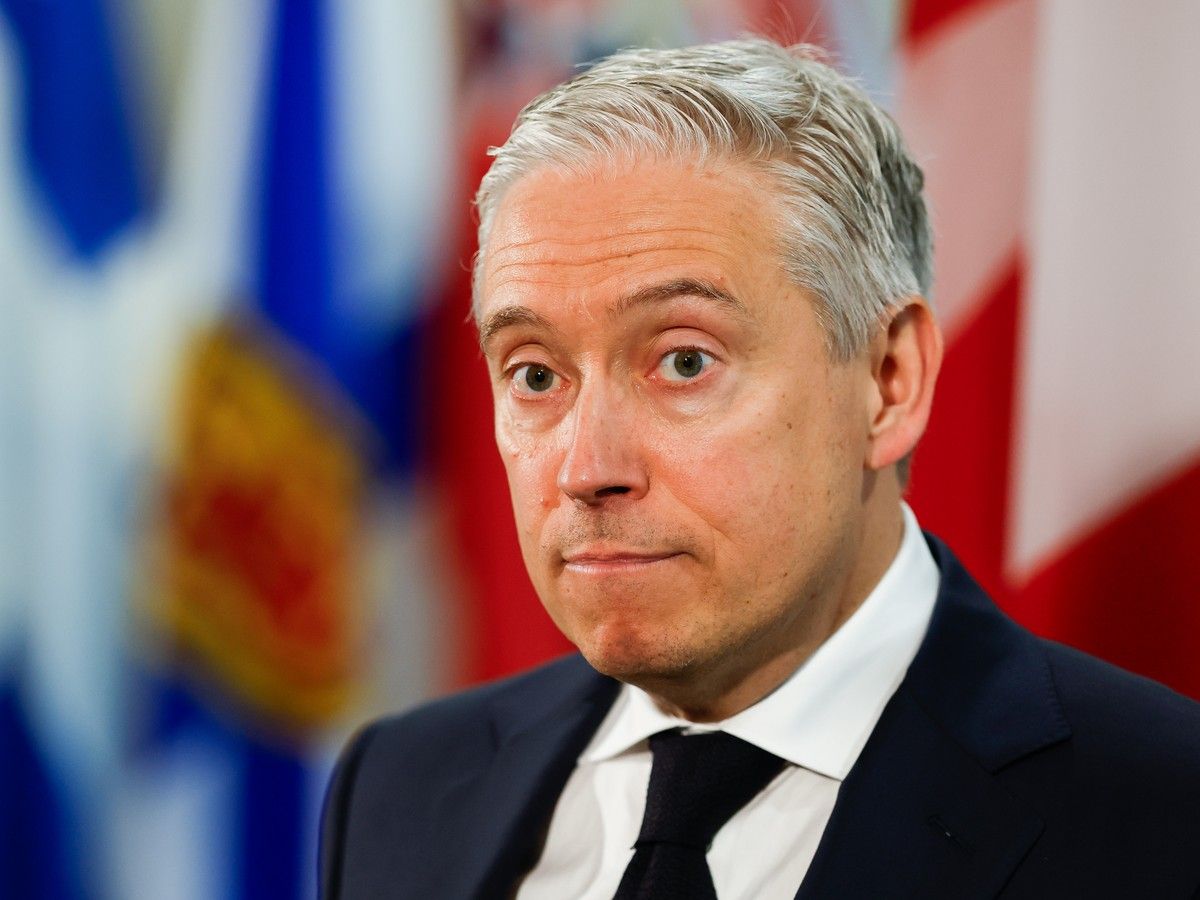
The federal government is doubling down on its high-spending agenda, signaling that it will rely on projected economic growth to offset significant new expenditures. Speaking in Ottawa ahead of pre-budget consultations, Finance Minister François-Philippe Champagne defended the government’s fiscal trajectory, arguing that strategic investments are necessary to stimulate the national economy despite the reality of rising deficits.
Champagne emphasized that Canada maintains the strongest fiscal position among G7 nations, a metric the government frequently cites to justify increased borrowing. According to the Minister, the current spending focuses on areas that will eventually yield higher productivity and innovation, which he believes will stabilize the country’s debt-to-GDP ratio in the long term.
Skepticism Among Economic Experts
Despite the government’s optimism, many economists remain wary of the reliance on future growth to pay for today’s debts. Don Drummond, a former high-ranking official at the Department of Finance and former TD Bank chief economist, warned that the government may be resting its projections on overly optimistic forecasts. Drummond noted that the assumption of imminent growth mirrors the fiscal mistakes made between the mid-1970s and 1990s, which led to a prolonged period of economic vulnerability.
Critics also point to external threats, such as potential shifts in American trade policy and rising tariffs, which could stifle the growth Ottawa is counting on. While the government has proposed removing interprovincial trade barriers and leveraging defense procurement to spark innovation, analysts argue these measures are unlikely to provide the immediate financial relief needed to cover high-cost projects.
The Road to the Next Federal Budget
The official pre-budget consultation period is now underway, with the government inviting business leaders, think tanks, and the general public to submit their priorities. While the online portal remains open until September 8, the debate over Canada’s fiscal health is intensifying. As the government prepares its next financial roadmap, the central challenge remains balancing the desire for transformative public investment with the necessity of fiscal sustainability in an increasingly volatile global market.
Your Current 3 Day Forecast — September 20, 2026

Dylan Cease struggles as Toronto pitching strain worsens in loss to Rangers
How Canada’s Prime Minister Is Building Stronger Trans-Atlantic Ties Close to Home
Montreal’s High-Powered Offense Holds Off Late Hamilton Comeback in East Clash
What to Know Ahead of Alberta’s Oct. 19 Vote on a Separation Referendum
What to Know About the Alasko Frozen Raspberry Recall Following Illness Reports
Opinion: John Rustad Has to Go

B.C. Supreme Court Grants Cowichan Tribes Title to Historic Richmond Lands and Fishing Rights

A Taste of Autumn: Fall Okanagan Wine Festival 2025

Vancouver Canucks Gear Up for a Make-or-Break 2025–26 Season

Kamloops Blazers Announce Off-Season Changes Ahead of 2025–26 Season
BC Ferries Sparks Outcry Over Contract with Chinese Shipyard
-
NATIONAL STORIES6 days ago
Remembering George Chuvalo: The Canadian Heavyweight Legend Who Never Got Knocked Down
-

 COMMUNITY6 days ago
Navigating Blended Family Wills and Estate Options
-

 SPORTS6 days ago
How Video Adjustments Fuelled the Vancouver Canucks’ 5-2 Prospects Victory Over Seattle
-

 NATIONAL STORIES6 days ago
AI’s Biggest Warning May Be Coming From the People Building It
-
POLITICS7 days ago
What Trump’s Remarks Linking Canada to Iran Signal About International Negotiations
-

 BC STORIES6 days ago
Uncertain Eyewitness Testimony at Center of Final Arguments in 2021 Restaurant Shooting Trial
-
WORLD7 days ago
What Trump’s Remarks Linking Canada to Iran Signal About International Negotiations
-
LOCAL7 days ago
Stephen Johnston Mayor by Acclamation