LOCAL
Eyes in Your Ears: How Apple’s Upcoming AirPods Pro with IR Cameras Will Change Everything
Apple’s next AirPods Pro are rumored to feature IR cameras for Visual Intelligence and Spatial Audio. Discover how these sensors will transform Apple’s wearables.

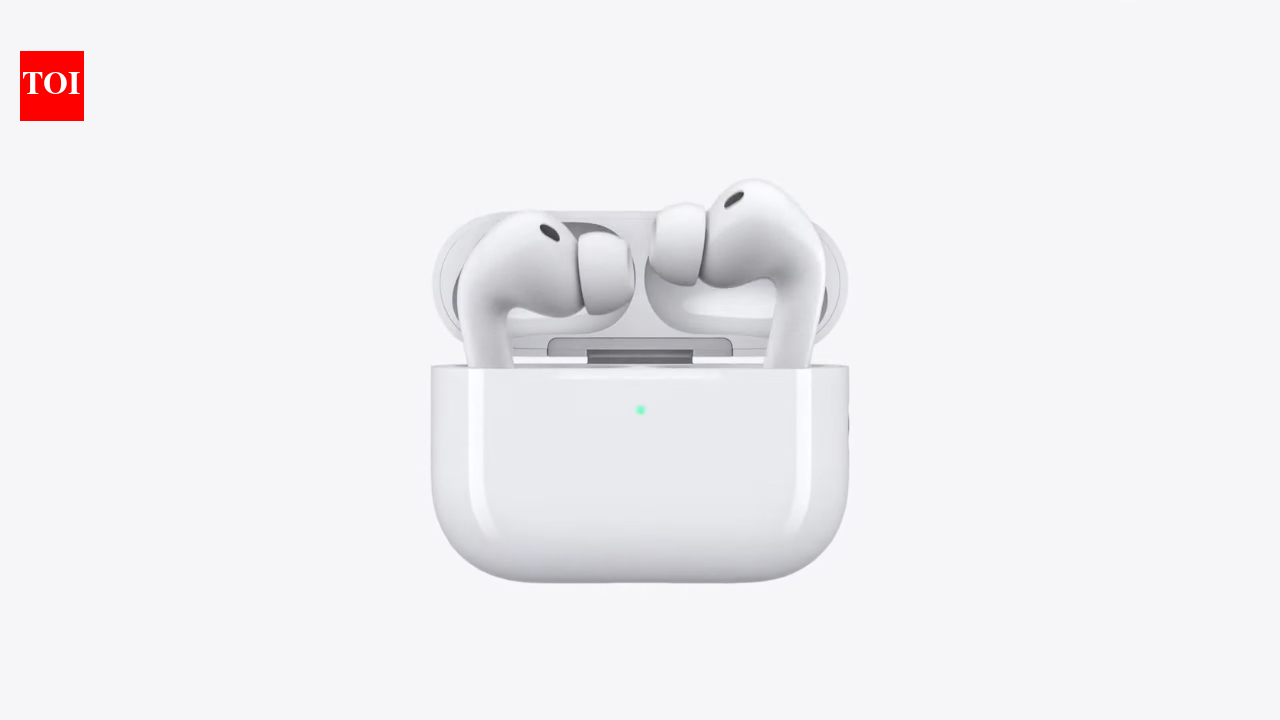
A New Era for Personal Audio
For years, the evolution of the Apple AirPods Pro has been defined by incremental improvements in active noise cancellation, battery life, and acoustic transparency. However, a new wave of industry reports suggests that Apple is preparing for a radical shift in how we perceive and interact with its most popular wearable. The upcoming generation of AirPods Pro, widely expected to debut as early as this year, is rumored to feature integrated infrared (IR) cameras, transforming the earbuds from mere audio drivers into sophisticated sensory tools for the era of artificial intelligence.
The Leak: ‘Next AirPods Pro Can See Around You’
The buzz surrounding these hardware changes intensified recently when noted leaker Kosutami shared a brief but provocative post on X (formerly Twitter). The post claimed that the next iteration of the AirPods Pro would be able to “see around you,” effectively confirming that imaging sensors are the primary hardware focus for the next update. While Apple has historically maintained a three-year refresh cycle for the Pro lineup, these rumors suggest the company may be moving faster to align its hardware with its aggressive rollout of Apple Intelligence.
Understanding the Technology: IR Cameras vs. Traditional Lenses
It is important to note that these are not standard video cameras designed to capture photos or 4K video. Instead, according to veteran analyst Ming-Chi Kuo, Apple is opting for infrared camera modules. This technology is more akin to the Face ID hardware found on the iPhone than a traditional camera. By using multiple light sources to map depth and distance, these sensors allow the device to build a mathematical model of the user’s environment.
This hardware implementation serves several purposes. Primarily, it is designed to enhance the Spatial Audio experience, particularly when used in conjunction with the Apple Vision Pro. By mapping the room in real-time, the AirPods can calibrate audio reflections and positioning with surgical precision, ensuring that sound remains anchored in the physical world even as the user moves.
The Visual Intelligence Connection
Beyond audio, the addition of IR sensors acts as a data pipeline for ‘Visual Intelligence,’ a feature Apple CEO Tim Cook has recently touted as a cornerstone of the company’s AI future. While the iPhone 16 uses its primary camera for visual search and object identification, the AirPods Pro could provide a constant, low-power stream of environmental data. This would allow the Apple Intelligence ecosystem to understand the context of where a user is and what they are looking at without the user ever needing to take their phone out of their pocket.
Design Consistency and Pricing Strategy
Despite the high-tech internal upgrades, reports suggest that Apple will maintain the external aesthetic of the current AirPods Pro. The goal appears to be a seamless integration of the sensors into the existing white stems. There is significant debate regarding the price point; while some leakers suggest Apple will keep the current pricing, others point to the recent AirPods 4 launch as a potential template. Apple may offer a two-tier Pro lineup: a standard high-fidelity model and a premium ‘Vision-Ready’ model featuring the new IR camera array.
Looking Toward the Horizon
While Apple typically reserves its major hardware announcements for its annual September iPhone event, the rapid development of its AI software suite could move the timeline forward. Whether these new AirPods arrive in late 2024 or early 2025, they represent a significant step in Apple’s quest to dominate the ‘ambient computing’ market. By putting ‘eyes’ in our ears, Apple is not just changing how we listen to music—it is changing how our digital assistants see the world we live in.

LOCAL
How West Kelowna Residents Can Explore Heartfulness Meditation and Community Peace
West Kelowna hosts the 4th Peace Ambassador Celebration on Sept. 20 at the DoubleTree by Hilton. Join local leaders for discussions and meditation.


Community Leaders Gather for Annual Peace Celebration
West Kelowna will play host to an afternoon focused on personal and collective harmony as the fourth annual Peace Ambassador Community Celebration convenes on Sunday, Sept. 20. The event, which runs from 1 p.m. to 3 p.m., takes place in the Orchard Conference Centre at the DoubleTree by Hilton, located at 2569 Dobbin Road.
Presided over by West Kelowna Mayor Gord Milsom, the gathering features a panel discussion designed to highlight how peace functions within the local region. Featured speakers include Chaplain Don Richmond of West Kelowna Fire Rescue and the West Kelowna Warriors Hockey Club, Professor Manik Dhir of Okanagan College, shadow finance MLA Gavin Dew of Kelowna-Mission, Dr. Arvind Ravindran, who serves as Country Coordinator for Heartfulness Institute Canada, and Jen Zielinski, Bureau Chief for Black Press Media’s B.C. Interior Division and Yukon.
Invest in Peace Focuses on Individual Experience
Organizers stated in a press release that the central theme, “Invest in Peace,” emphasizes that peace can be cultivated individually and shared across the community. The initiative provides an inclusive space for participants from diverse backgrounds to connect and foster harmony across the Central Okanagan.
Beyond general discussions, attendees will participate in reflection and meditation techniques. The press release noted: “The program will move beyond conversation to personal experience, introducing participants to the heartfulness approach to inner peace, reflection and meditation, based on the belief that lasting community peace begins with the individual.”
Admission to the celebration is free, and attendees can reserve their seats in advance through Eventbrite.
COMMUNITY
Unveiling event offers residents a first look at Kelowna’s future waterfront swim venue
Kelowna residents are invited to City Park on Sunday, Sept. 20, at 2 p.m. to view the unveiled design for the city’s future waterfront swim venue.

Waterfront design reveal scheduled for Sept. 20
Residents are invited to gather at the northwest corner of City Park on Sunday, Sept. 20, at 2 p.m. for the unveiling of the design for Kelowna’s future swim venue.
According to a press release, the special gathering will mark a key milestone for the long-planned project, bringing together supporters, community partners, and local residents to view the initial design and learn about upcoming steps for the new waterfront destination.
Part of broader City Park upgrades
The planned swim venue is one component of the broader City Park Improvement Plan. The overall initiative encompasses several enhancements to the area, including upgraded lighting, enhanced water access, a new boardwalk, and a relocated dog beach.
LOCAL
Why a Downtown Kelowna Assault Investigation Closed Without Charges
Kelowna RCMP have closed an investigation into an Aug. 9 downtown Water Street fight after the victim, who suffered serious injuries, decided not to press charges.
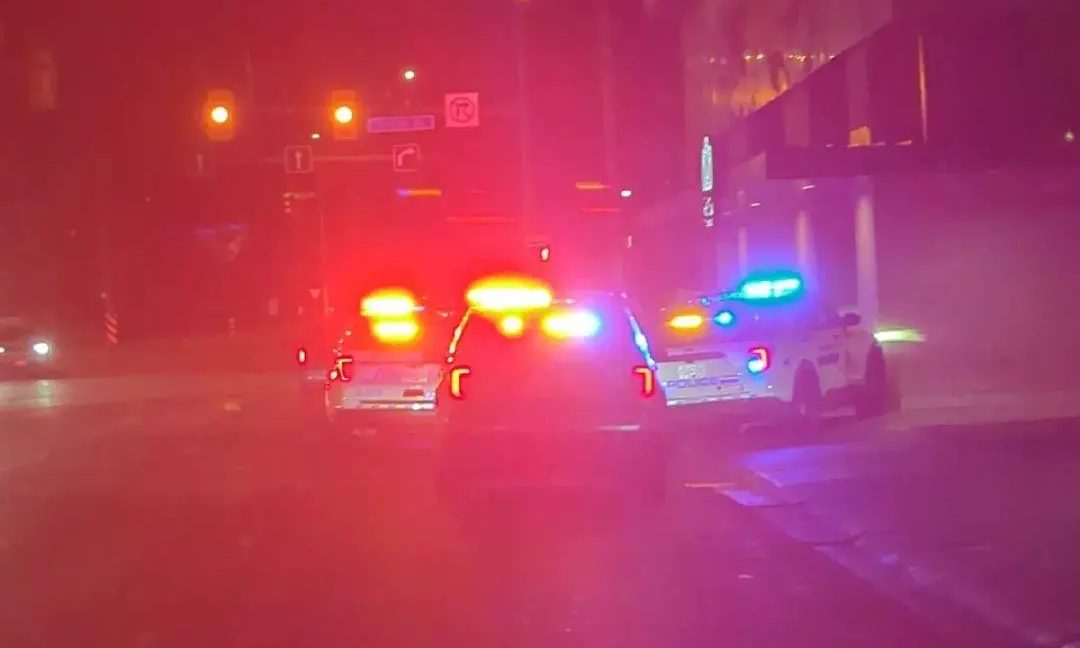
RCMP Conclude Downtown Incident
An investigation into an August incident in downtown Kelowna has been closed after the injured party chose not to press charges. Kelowna RCMP officers have now concluded their file on the matter.
Late-Night Altercation on Water Street
The incident occurred around 2:05 a.m. on Sunday, Aug. 9, in the 1600-block of Water Street. Patrolling officers observed a group engaged in a heated argument. Before police could step in, the dispute turned physical when one man struck another, causing him to fall to the ground and sustain serious injuries.
Suspect Arrested and Police Investigation Completed
Paramedics treated the injured man at the scene before transferring him to the hospital for further medical care. Police arrested the suspect on site, subsequently releasing them with conditions and a scheduled court date. Although RCMP gathered video surveillance, witness statements, and documentation to prepare a report for Crown Counsel, the victim ultimately decided against pursuing charges. What caused the initial argument and physical fight remains unknown.

How West Kelowna Residents Can Explore Heartfulness Meditation and Community Peace

Unveiling event offers residents a first look at Kelowna’s future waterfront swim venue
Your Current 3 Day Forecast — September 20, 2026

Dylan Cease struggles as Toronto pitching strain worsens in loss to Rangers
How Canada’s Prime Minister Is Building Stronger Trans-Atlantic Ties Close to Home
Montreal’s High-Powered Offense Holds Off Late Hamilton Comeback in East Clash
Opinion: John Rustad Has to Go
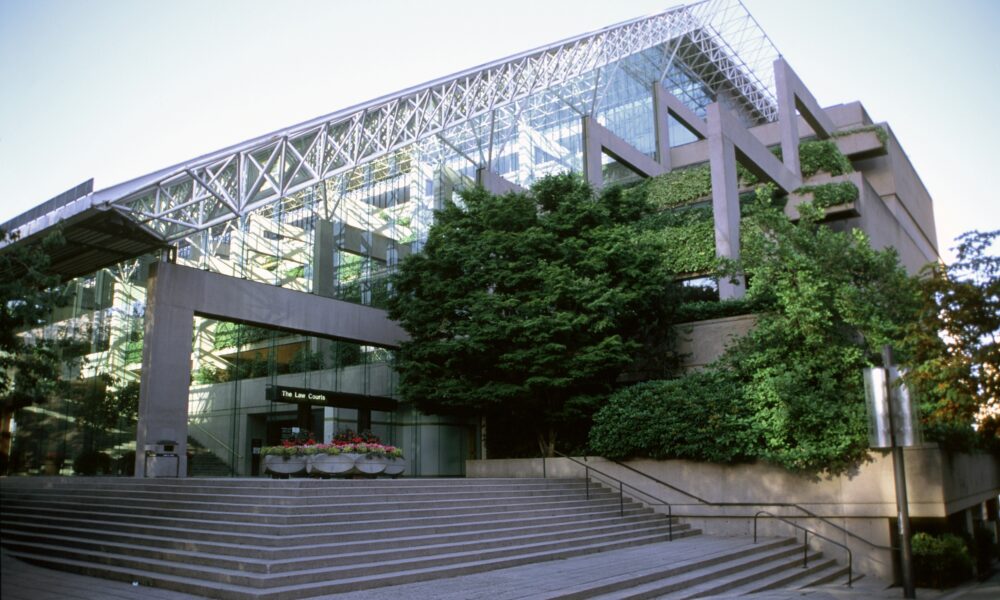
B.C. Supreme Court Grants Cowichan Tribes Title to Historic Richmond Lands and Fishing Rights

A Taste of Autumn: Fall Okanagan Wine Festival 2025

Vancouver Canucks Gear Up for a Make-or-Break 2025–26 Season

Kamloops Blazers Announce Off-Season Changes Ahead of 2025–26 Season
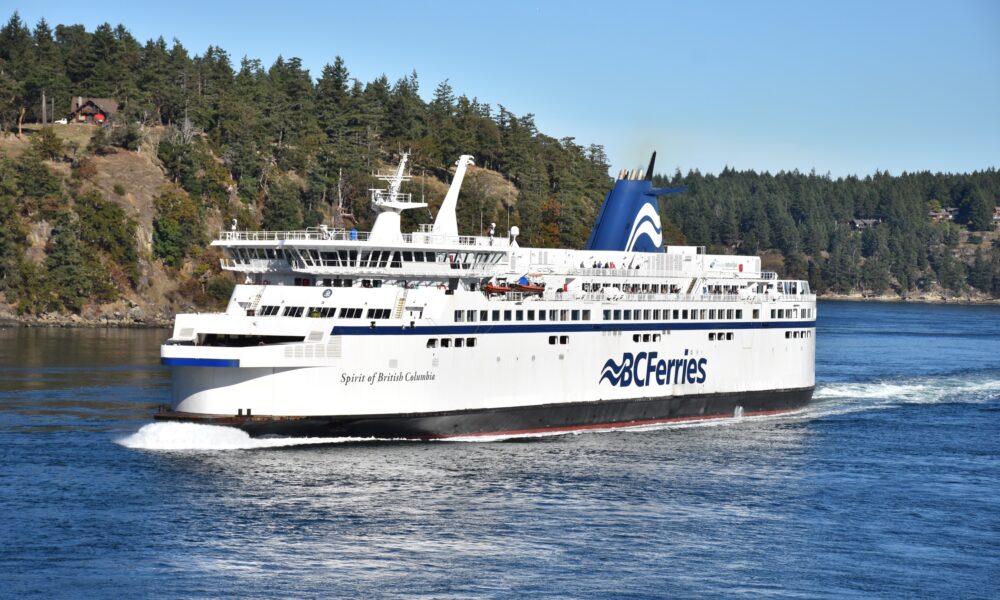
BC Ferries Sparks Outcry Over Contract with Chinese Shipyard
-
NATIONAL STORIES6 days ago
Remembering George Chuvalo: The Canadian Heavyweight Legend Who Never Got Knocked Down
-

 NATIONAL STORIES6 days ago
AI’s Biggest Warning May Be Coming From the People Building It
-

 COMMUNITY6 days ago
Navigating Blended Family Wills and Estate Options
-
 SPORTS6 days ago
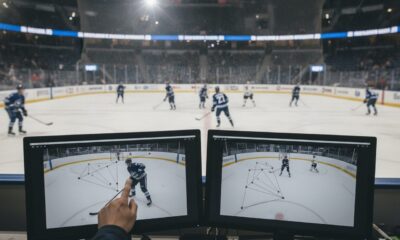
How Video Adjustments Fuelled the Vancouver Canucks’ 5-2 Prospects Victory Over Seattle
-

 BC STORIES6 days ago
Uncertain Eyewitness Testimony at Center of Final Arguments in 2021 Restaurant Shooting Trial
-

 NATIONAL STORIES6 days ago
Vancouver’s Last Bike Couriers Race to Survive the Digital Age
-
WORLD7 days ago
What Trump’s Remarks Linking Canada to Iran Signal About International Negotiations
-
LOCAL7 days ago
Stephen Johnston Mayor by Acclamation