BC STORIES
Year-End Deluge: North Coast B.C. and Haida Gwaii Braced for Continued Flooding
British Columbia’s North Coast and Haida Gwaii face a prolonged flood watch as 2025 ends with record rainfall, straining infrastructure and local emergency services.


The Relentless Storms of Late 2025
The final days of 2025 have proven to be some of the most challenging for the communities dotting British Columbia’s rugged North Coast and the expansive wilderness of Haida Gwaii. While much of the province typically looks toward the new year with reflections on the past, residents here are focused on the immediate threat posed by a series of potent atmospheric rivers that have stalled over the region. What began as a standard seasonal shift into the rainy months has escalated into a prolonged hydrological event, forcing provincial authorities to maintain a high-level flood watch that has now stretched into its second week. The sheer persistence of the weather systems has transformed the landscape, turning small creeks into rushing torrents and saturating the soil to the point of instability.
Hydrological Warnings and Geographic Impact
The British Columbia River Forecast Centre has remained steadfast in its assessment, keeping flood watches active for the North Coast, including areas around Prince Rupert, Kitimat, and the Nass Valley, as well as the entirety of Haida Gwaii. Meteorologists note that the sheer volume of water falling on already saturated ground has created a precarious situation. In some higher elevations, the combination of heavy rain and unseasonably warm temperatures has triggered a rain-on-snow effect, where melting snowpacks contribute additional runoff into river systems that are already at or near capacity. For the communities of Skidegate and Masset on Haida Gwaii, the pounding surf combined with high tides has added the risk of coastal erosion and localized flooding in low-lying residential areas to the growing list of concerns. Experts suggest that the cumulative rainfall totals for the month of December are on track to break decadal records, further complicating the recovery efforts for local municipalities.
Infrastructure and Community Resilience
Local infrastructure is being tested to its limits as the region grapples with the environmental onslaught. Maintenance crews have been working around the clock to clear debris from culverts and ensure that drainage systems remain functional despite the overwhelming inflow. Highway 16, the primary artery connecting the coast to the interior, has seen several localized washouts, leading to temporary closures and pilot-car operations that have slowed the movement of goods and services. For many in the region, the isolation is a familiar part of life, but the frequency and intensity of these weather events are beginning to strain even the most resilient emergency response frameworks. Local officials have issued advisories urging residents to avoid riverbanks and stay updated via local radio and digital emergency alerts, as conditions can change in a matter of minutes. Emergency centers have been put on standby, and sandbagging stations have seen steady traffic as homeowners attempt to divert water away from their foundations.
Looking Back at a Year of Environmental Extremes
As 2025 winds down, this current deluge serves as a capstone to a year defined by meteorological volatility across the Pacific Northwest. From the record-breaking heatwaves of the summer to the early onset of autumn storms, the North Coast has been at the front lines of shifting climate patterns. Environmental scientists suggest that the warming of the Pacific Ocean has significantly increased the moisture-carrying capacity of these atmospheric rivers, leading to the types of extreme precipitation events currently being witnessed. The persistence of the flood watch into the final hours of the year highlights the growing necessity for long-term investments in flood mitigation and climate-adaptive infrastructure for remote coastal communities. Public discourse is increasingly shifting toward how these towns can remain viable as the frequency of such 1-in-100-year events seems to increase with every passing season.
The Outlook for the New Year
Looking ahead into the first week of 2026, there appears to be little reprieve on the horizon for the waterlogged residents of the North Coast. Short-term forecasts indicate at least two more significant weather systems are tracking toward the coast before the jet stream is expected to shift significantly. While the intensity of the rainfall may fluctuate, the cumulative impact of the previous weeks ensures that the flood risk will remain elevated well into January. Hydrologists are monitoring the peaks of the Skeena and Nass Rivers with particular concern, as any further surges could lead to significant overtopping. For now, the people of the North Coast and Haida Gwaii remain on high alert, demonstrating the same strength and community spirit that has seen them through countless storms before, even as they navigate one of the wettest and most turbulent year-ends in recent memory.


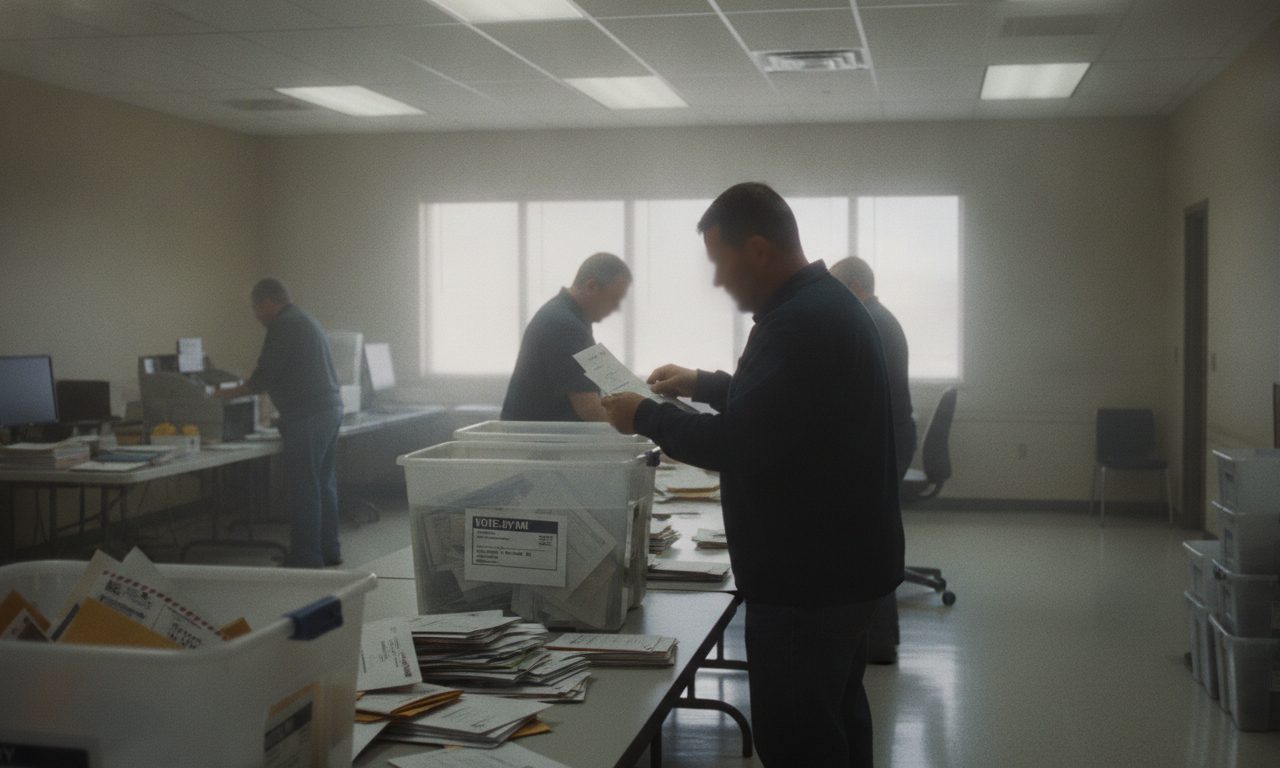
After nearly two weeks of uncertainty, Kelowna Centre residents could soon find out who will represent them in the B.C. legislature.
Just 132 votes separate NDP candidate Loyal Wooldridge and B.C. Conservative incumbent Kristina Loewen, with the outcome of the closely contested race still hanging on ballots that have yet to be counted.
Elections BC says the final count for the province’s 44th provincial general election begins Friday and will conclude no later than Nov. 10.
Provincewide, there are an estimated 150,000 certification envelopes containing ballots that will be reviewed during the final count.
The ballots include vote-by-mail ballots, assisted telephone voting ballots and absentee ballots cast at special voting opportunities or on final voting day.
Under the Election Act, these ballots are counted during the final count. Before being counted, certification envelopes are checked against the voters list to confirm each voter was eligible and voted only once.
The process is familiar to both Wooldridge and Loewen, who faced a similarly close contest in the 2024 provincial election.
Loewen led Wooldridge by 148 votes on election night in 2024, but that margin narrowed to just 40 votes following a judicial recount.
Separate from the outstanding ballots being counted across the province, automatic recounts are required in the Burnaby-South Metrotown and Ladysmith-Oceanside electoral districts because the margins between the top two candidates are 100 votes or fewer.
Counting will begin at 8 a.m. and results will be updated every 30 minutes on the Elections BC website as the final count progresses.
Elections BC will declare a candidate elected in each electoral district once the final count is complete.
BC STORIES
Quebec Suspect Arrested and Extradited in Fatal Highway 97 Hit-and-Run Investigation
Dominic Kavanagh Latreille was arrested in Quebec and returned to B.C. to face charges over a fatal 2025 hit-and-run on Highway 97 near Oliver.

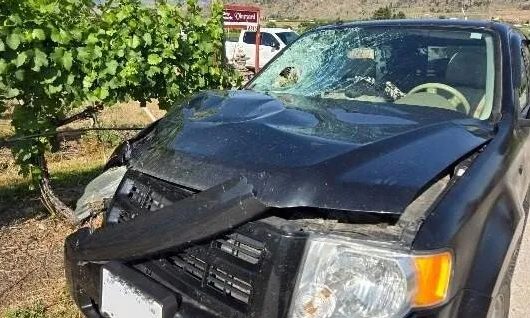
Suspect Extradited to B.C. Following Arrest
A man wanted in connection with a deadly hit-and-run collision near Oliver has been taken into custody in Quebec and returned to British Columbia to face charges.
Dominic Kavanagh Latreille was arrested on Oct. 14 in Drummondville, Quebec, by RCMP members working alongside the Sûreté du Québec. The arrest came four months after the BC Prosecution Service approved a charge against him on June 5, 2026, for failing to remain at the scene of a crash. Following his arrest, BC Sheriffs escorted Latreille back to B.C., where he appeared in court on Oct. 15 and was remanded in custody.
Details of the June 2025 Crash
emergency responders were called to a single-vehicle incident along Highway 97 south of Oliver, in the vicinity of Cassini Cellars Winery, on June 15, 2025. A 22-year-old male pedestrian was struck and pronounced dead at the scene, while the driver involved fled the area.
Investigators with the BC Highway Patrol eventually identified a suspect through investigative work and tips received from the community. The charge against Latreille has not been proven in court.
Police Appeal for Further Details
Authorities expressed appreciation to community members who assisted in the investigation, while noting that the case remains open for additional information.
“BC Highway Patrol would also like to thank members of the public who provided valuable assistance and information during this investigation, and we continue to encourage anyone who may have additional information about this collision to contact BC Highway Patrol – Keremeos at 250-499-2250 and quote file (2100) 2025-1881,” BC Highway Patrol stated in a release.
BC STORIES
Why Ottawa Is Guaranteeing $3-Billion for the Fraser River Crossing No Matter What BC Builds
Ottawa maintains its $3B commitment for the George Massey Tunnel replacement, supporting Premier-designate Lorne Doerkson whether BC builds a tunnel or bridge.
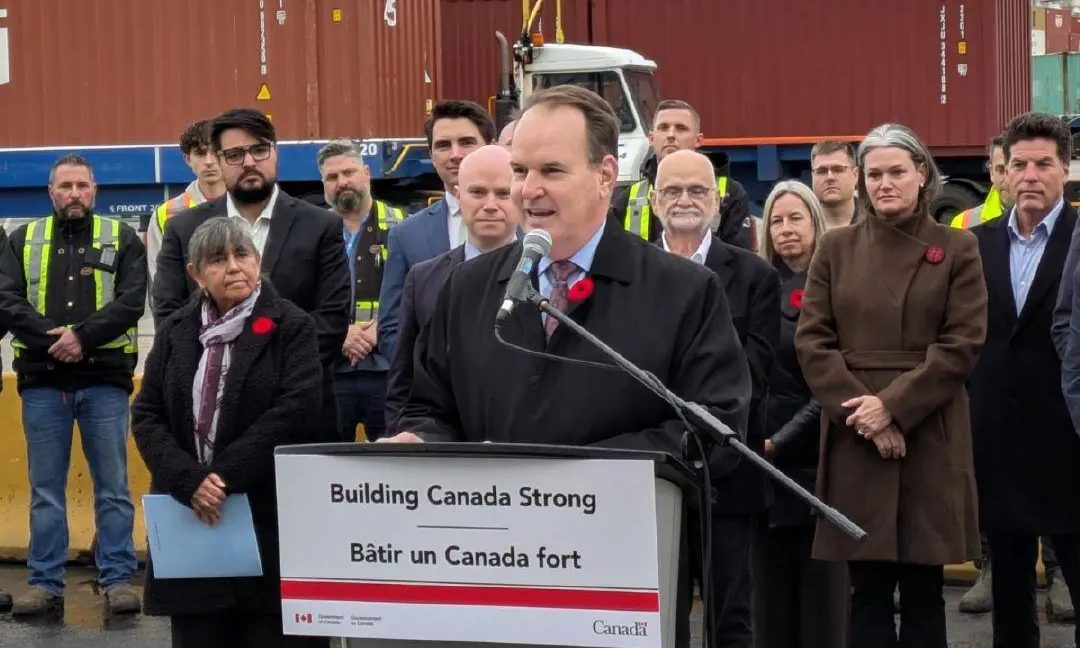
Federal Government Backs Fraser River Infrastructure
The federal government is maintaining its $3-billion financial commitment to replace the 65-year-old George Massey Tunnel, regardless of whether British Columbia constructs a bridge or a new tunnel.
Federal Transport Minister Steven MacKinnon affirmed the funding stance in Delta on Friday, Oct. 30. Speaking at an event designating the Roberts Bank Terminal 2 port expansion as a project of national interest, MacKinnon stated that Ottawa supports the river crossing method chosen by the province. He noted the federal investment aims to support regional trade infrastructure, traffic circulation across the Lower Mainland, and local quality of life.
Provincial Debates over Bridge and Tunnel Options
The federal backing follows a $20-billion joint agreement signed in July, which originally slotted the $3-billion federal contribution toward an eight-lane immersed-tube tunnel. That provincial project, initially announced by the BC NDP government in August 2021 with a $4.15-billion estimate and 2030 completion date, saw its design-build contract canceled in June due to unresolved commercial terms. By July, updated provincial disclosures indicated the tunnel project cost had escalated to $8.5 billion, with completion pushed to September 2031.
During the recent provincial election campaign, Conservative Leader and Premier-designate Lorne Doerkson pledged to cancel the tunnel initiative in favor of a 10-lane bridge. Doerkson estimated the bridge option would cost $6 billion and take five years to construct, claiming the resulting $2.5-billion savings compared to the revised tunnel cost could fund a new women and children’s hospital in Surrey. Doerkson stated at Friday’s event that residents simply want the crossing completed and noted he has discussed the project with Prime Minister Mark Carney.
BC NDP Leader David Eby previously criticized the proposal to switch to a bridge, describing the abandonment of the active tunnel project as unreasonable. Eby warned that scrapping the tunnel plans would discard $581 million already spent and prolong the overall project timeline.

Kelowna Centre may have a new MLA by Friday

Who Gets to Decide Where B.C. Builds? Conservatives Move to Return Housing Power to Municipalities

The Money Spoke Before the Voters Did: How B.C.’s Conservatives Turned Chaos Into Victory

AI Stocks Tumble as U.S. Midterm Elections Send Shockwaves Through Global Markets

Canada to Deny Visas to Russian Hockey Players for 2027 World Juniors

Quebec Suspect Arrested and Extradited in Fatal Highway 97 Hit-and-Run Investigation
Opinion: John Rustad Has to Go
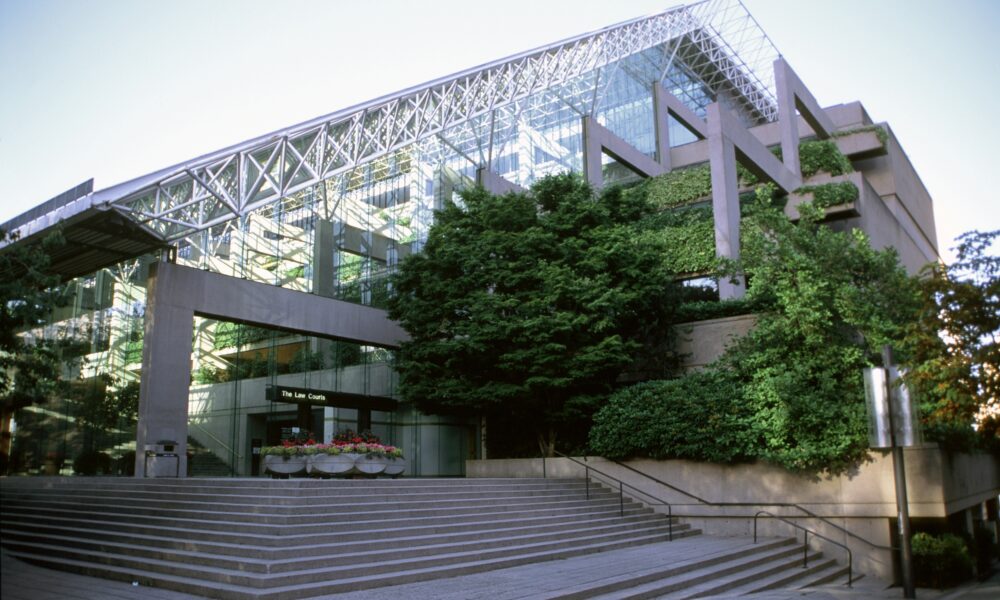
B.C. Supreme Court Grants Cowichan Tribes Title to Historic Richmond Lands and Fishing Rights

A Taste of Autumn: Fall Okanagan Wine Festival 2025

Vancouver Canucks Gear Up for a Make-or-Break 2025–26 Season

Kamloops Blazers Announce Off-Season Changes Ahead of 2025–26 Season
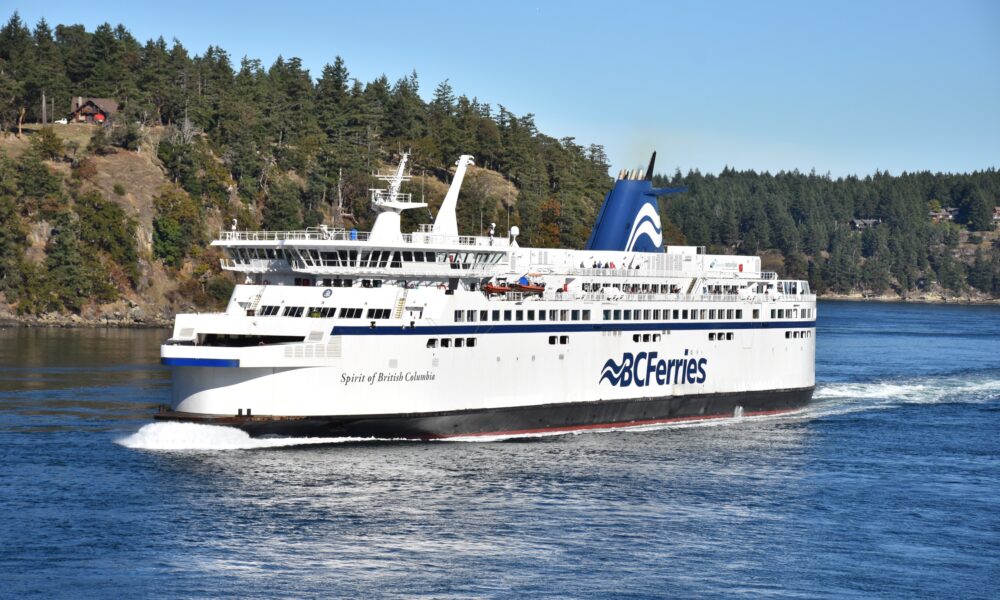
BC Ferries Sparks Outcry Over Contract with Chinese Shipyard
-
5 days ago
Your Current 3 Day Forecast — October 31, 2026
-

 NATIONAL STORIES7 days ago
National School Food Program Faces Scrutiny After Testimony Shows Inflation Erodes Funding
-
6 days ago
Your Current 3 Day Forecast — October 30, 2026
-
3 days ago
Your Current 3 Day Forecast — November 2, 2026
-

 LOCAL3 days ago
Why two Kamloops MLAs see value in a brief sitting before spring
-

 HEALTH6 days ago
Why B.C. Interior Residents Are Being Warned About Dangerous Unregulated Drugs
-
 LOCAL7 days ago
UBC Okanagan Cancels CCS Classes and Exams Following Building Roof Fire
-
 NATIONAL STORIES7 days ago
No Danger to Nearby Residents as Base Firefighters Contain CFB Gagetown Blaze