LOCAL
The ‘You Look Great’ Paradox: Robert Reich on the Performance of Social Politeness
Explore Robert B. Reich’s critique of the social compulsion to say ‘you look great’ and what it reveals about our cultural fears of aging and health.


The Waiting Room Epiphany
In the sterile, fluorescent-lit environment of a medical waiting room, the human condition is often stripped to its most vulnerable state. It was here that Robert B. Reich, the former Labor Secretary and veteran political commentator, found himself last week, staring down a peculiar social phenomenon. When an old acquaintance walked in, the greeting was immediate, enthusiastic, and, according to Reich, patently false: ‘Bob! How are you? You look great!’ This common refrain, ‘You look great’, is a staple of modern social interaction, yet Reich’s internal response highlights a growing dissonance in how we communicate about aging, health, and reality. ‘I don’t look great,’ Reich notes, cutting through the performative cheerfulness that defines so much of our public discourse.
The Social Lubricant of Sincerity
Why do we feel this relentless compulsion to flatter, even when the evidence before our eyes suggests otherwise? From a sociological perspective, the ‘you look great’ greeting functions as a vital social lubricant. It is designed to bridge the gap between the discomfort of seeing someone age and the desire to maintain a positive, frictionless connection. To acknowledge that someone looks tired, aged, or unwell is to breach an unspoken contract of mutual delusion. In the context of a doctor’s office, this compulsion becomes even more pronounced. The setting itself is a reminder of human frailty; by asserting that someone looks ‘great,’ the speaker is effectively attempting to wish away the physical reality of the environment. It is a verbal talisman against the encroachment of time.
The Commodity of Wellness
In the twenty-first century, ‘looking great’ has evolved from a compliment into a moral imperative. We live in an era dominated by the ‘wellness industrial complex,’ where appearance is often equated with discipline and personal success. To look ‘great’ is to signal that you are winning the battle against the entropic forces of biology. When we tell others they look wonderful, we are often projecting our own anxieties about decline. Reich’s skepticism of the phrase points to a deeper cultural crisis: an inability to sit with the truth of the aging process. By insisting on a veneer of youthful vitality, we marginalize the natural progression of life and turn the act of growing older into a failure that must be masked by polite lies.
The Burden of the Compliment
While intended to be kind, the reflexive ‘you look great’ can actually impose a psychological burden on the recipient. For those dealing with chronic illness, grief, or the simple fatigue of old age, being told they look fantastic can feel like a form of gaslighting. It creates a pressure to perform wellness, to smile through the pain, and to validate the speaker’s optimism at the expense of one’s own reality. Reich’s observation serves as a call for a more authentic form of engagement. If we cannot be honest about our appearances in a doctor’s office, the very place where we go to address our physical flaws and failings, then where can we be honest? The performance of ‘greatness’ prevents the development of true empathy, replacing deep connection with a superficial script.
Toward a More Honest Connection
As we navigate an increasingly visual and curated world, the challenge is to find a way to acknowledge one another without resorting to empty platitudes. Perhaps the most radical act of friendship is not telling someone they look great, but rather showing that you see them as they truly are, without the need for filters or flattery. Reich’s encounter is a reminder that while the ‘polite lie’ may save us from a moment of awkwardness, it also robs us of the chance to share in the common, messy, and inevitable experience of being human. Instead of ‘you look great,’ maybe we should try ‘it is so good to see you.’ It is a shift from judging the exterior to valuing the presence, and in a world obsessed with looking good, that might be the most honest thing we can say.

LOCAL
How West Kelowna Residents Can Explore Heartfulness Meditation and Community Peace
West Kelowna hosts the 4th Peace Ambassador Celebration on Sept. 20 at the DoubleTree by Hilton. Join local leaders for discussions and meditation.


Community Leaders Gather for Annual Peace Celebration
West Kelowna will play host to an afternoon focused on personal and collective harmony as the fourth annual Peace Ambassador Community Celebration convenes on Sunday, Sept. 20. The event, which runs from 1 p.m. to 3 p.m., takes place in the Orchard Conference Centre at the DoubleTree by Hilton, located at 2569 Dobbin Road.
Presided over by West Kelowna Mayor Gord Milsom, the gathering features a panel discussion designed to highlight how peace functions within the local region. Featured speakers include Chaplain Don Richmond of West Kelowna Fire Rescue and the West Kelowna Warriors Hockey Club, Professor Manik Dhir of Okanagan College, shadow finance MLA Gavin Dew of Kelowna-Mission, Dr. Arvind Ravindran, who serves as Country Coordinator for Heartfulness Institute Canada, and Jen Zielinski, Bureau Chief for Black Press Media’s B.C. Interior Division and Yukon.
Invest in Peace Focuses on Individual Experience
Organizers stated in a press release that the central theme, “Invest in Peace,” emphasizes that peace can be cultivated individually and shared across the community. The initiative provides an inclusive space for participants from diverse backgrounds to connect and foster harmony across the Central Okanagan.
Beyond general discussions, attendees will participate in reflection and meditation techniques. The press release noted: “The program will move beyond conversation to personal experience, introducing participants to the heartfulness approach to inner peace, reflection and meditation, based on the belief that lasting community peace begins with the individual.”
Admission to the celebration is free, and attendees can reserve their seats in advance through Eventbrite.
COMMUNITY
Unveiling event offers residents a first look at Kelowna’s future waterfront swim venue
Kelowna residents are invited to City Park on Sunday, Sept. 20, at 2 p.m. to view the unveiled design for the city’s future waterfront swim venue.

Waterfront design reveal scheduled for Sept. 20
Residents are invited to gather at the northwest corner of City Park on Sunday, Sept. 20, at 2 p.m. for the unveiling of the design for Kelowna’s future swim venue.
According to a press release, the special gathering will mark a key milestone for the long-planned project, bringing together supporters, community partners, and local residents to view the initial design and learn about upcoming steps for the new waterfront destination.
Part of broader City Park upgrades
The planned swim venue is one component of the broader City Park Improvement Plan. The overall initiative encompasses several enhancements to the area, including upgraded lighting, enhanced water access, a new boardwalk, and a relocated dog beach.
LOCAL
Why a Downtown Kelowna Assault Investigation Closed Without Charges
Kelowna RCMP have closed an investigation into an Aug. 9 downtown Water Street fight after the victim, who suffered serious injuries, decided not to press charges.

RCMP Conclude Downtown Incident
An investigation into an August incident in downtown Kelowna has been closed after the injured party chose not to press charges. Kelowna RCMP officers have now concluded their file on the matter.
Late-Night Altercation on Water Street
The incident occurred around 2:05 a.m. on Sunday, Aug. 9, in the 1600-block of Water Street. Patrolling officers observed a group engaged in a heated argument. Before police could step in, the dispute turned physical when one man struck another, causing him to fall to the ground and sustain serious injuries.
Suspect Arrested and Police Investigation Completed
Paramedics treated the injured man at the scene before transferring him to the hospital for further medical care. Police arrested the suspect on site, subsequently releasing them with conditions and a scheduled court date. Although RCMP gathered video surveillance, witness statements, and documentation to prepare a report for Crown Counsel, the victim ultimately decided against pursuing charges. What caused the initial argument and physical fight remains unknown.

How West Kelowna Residents Can Explore Heartfulness Meditation and Community Peace

Unveiling event offers residents a first look at Kelowna’s future waterfront swim venue
Your Current 3 Day Forecast — September 20, 2026

Dylan Cease struggles as Toronto pitching strain worsens in loss to Rangers
How Canada’s Prime Minister Is Building Stronger Trans-Atlantic Ties Close to Home
Montreal’s High-Powered Offense Holds Off Late Hamilton Comeback in East Clash
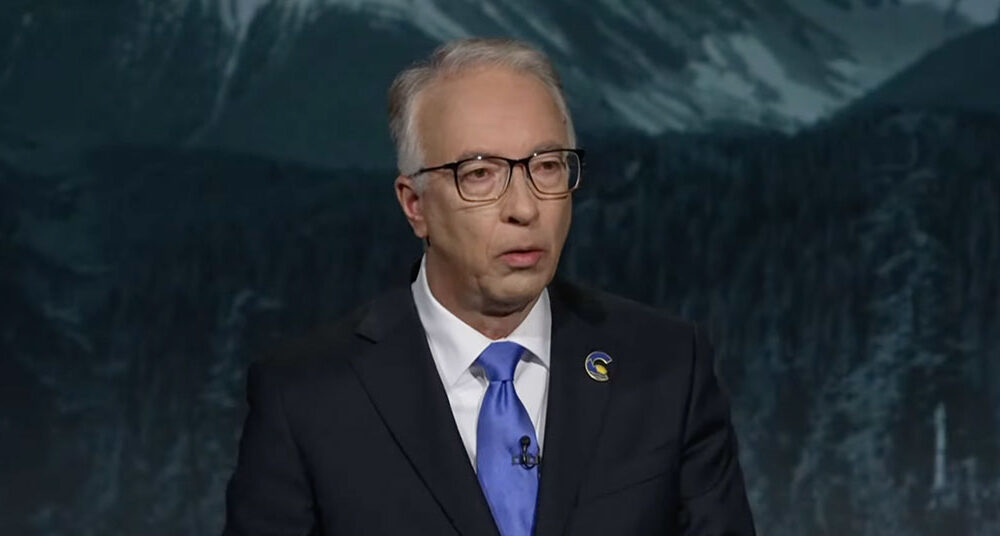
Opinion: John Rustad Has to Go
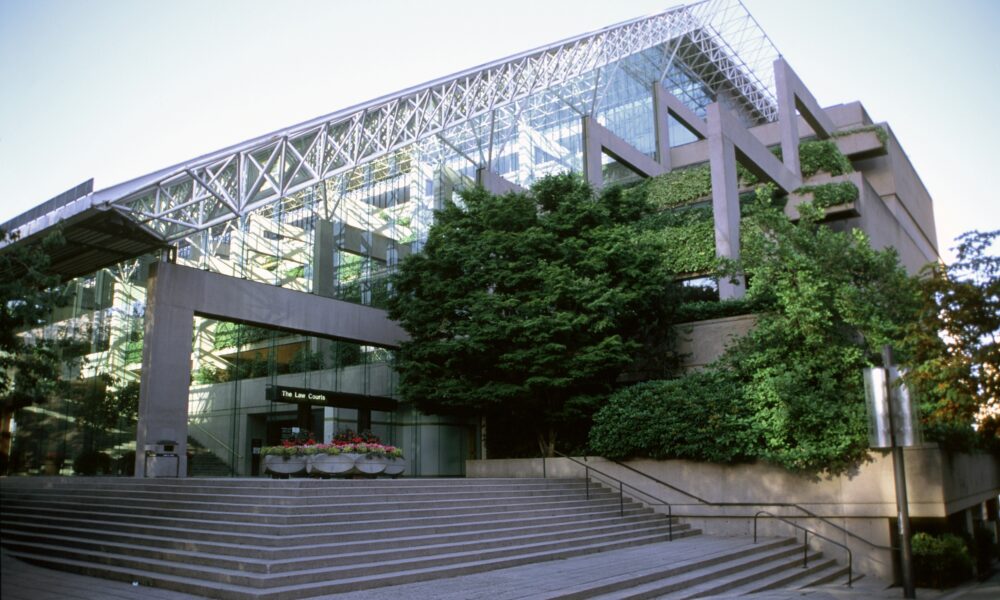
B.C. Supreme Court Grants Cowichan Tribes Title to Historic Richmond Lands and Fishing Rights

A Taste of Autumn: Fall Okanagan Wine Festival 2025

Vancouver Canucks Gear Up for a Make-or-Break 2025–26 Season

Kamloops Blazers Announce Off-Season Changes Ahead of 2025–26 Season

BC Ferries Sparks Outcry Over Contract with Chinese Shipyard
-
NATIONAL STORIES6 days ago
Remembering George Chuvalo: The Canadian Heavyweight Legend Who Never Got Knocked Down
-

 NATIONAL STORIES6 days ago
AI’s Biggest Warning May Be Coming From the People Building It
-

 COMMUNITY6 days ago
Navigating Blended Family Wills and Estate Options
-
 SPORTS6 days ago
How Video Adjustments Fuelled the Vancouver Canucks’ 5-2 Prospects Victory Over Seattle
-

 BC STORIES6 days ago
Uncertain Eyewitness Testimony at Center of Final Arguments in 2021 Restaurant Shooting Trial
-

 NATIONAL STORIES6 days ago
Vancouver’s Last Bike Couriers Race to Survive the Digital Age
-
WORLD7 days ago
What Trump’s Remarks Linking Canada to Iran Signal About International Negotiations
-
LOCAL7 days ago
Stephen Johnston Mayor by Acclamation