BC STORIES
Belugas Caught in Tug-of-War: Marineland’s Future and Whale Welfare Spark Fierce Debate


Key Takeaways
- Thirty beluga whales at Canada’s now-shuttered Marineland amusement park are at the heart of a contentious dispute.
- The park’s owners, animal rights activists, and various levels of government are locked in a battle over the whales’ health, freedom, and ultimate fate.
- Accusations of animal cruelty fuel the ongoing loggerheads, raising significant ethical questions about marine mammal captivity.
- The complex situation highlights the challenges of managing captive wildlife, particularly charismatic megafauna like beluga whales.
The Deep Dive
A heated standoff has engulfed Marineland of Canada, where approximately thirty beluga whales are currently held, their future hanging precariously in the balance. This Canadian amusement park, now reportedly shuttered, finds itself at the epicenter of a multi-faceted conflict involving its management, passionate animal welfare organizations, and both local and national governmental bodies. The core of the dispute revolves around serious allegations of animal cruelty and the overall well-being and freedom of these highly intelligent marine mammals. Animal advocates contend that the belugas’ continued captivity, especially under the current circumstances, constitutes an unacceptable level of distress and poor welfare.Marineland, historically a prominent tourist attraction known for its marine mammal shows and exhibits, faces intense scrutiny. Activists have consistently highlighted concerns regarding the living conditions, health, and psychological welfare of the captive belugas. These whales, each with distinct personalities – like the protective Orion or the energetic Zephyr – have become symbols in the broader debate about the ethics of keeping cetaceans in human care. The park’s closure adds another layer of complexity, complicating the logistics and moral responsibilities surrounding the animals’ long-term housing and care.Governments, both provincial and federal, find themselves in a challenging position, tasked with navigating existing animal welfare legislation, responding to public outcry, and potentially intervening in the animals’ fate. The options, ranging from improved care at the current facility to relocation or even the highly complex process of rewilding, present significant logistical and financial hurdles, further entangling the various parties in a prolonged legal and ethical struggle.
Why It Matters
This ongoing saga at Marineland transcends the fate of thirty individual beluga whales; it represents a critical juncture in the global discourse surrounding animal rights and the moral implications of keeping marine mammals in captivity. It forces a re-evaluation of institutional responsibilities towards animals under human care and challenges governments to enforce or revise legislation that adequately protects wildlife. The increasing public awareness and scrutiny of such practices underscore a shifting societal perspective, demanding greater accountability and compassion for sentient beings, ultimately shaping the future of zoos, aquariums, and wildlife conservation efforts worldwide.











BC STORIES
Escorts and Curfew Imposed in Bella Coola Following Fatal Bear Attack
Police escort Bella Coola students and enforce a voluntary curfew following a fatal bear attack that claimed the lives of Jenny Balcarras and Selah Reed.

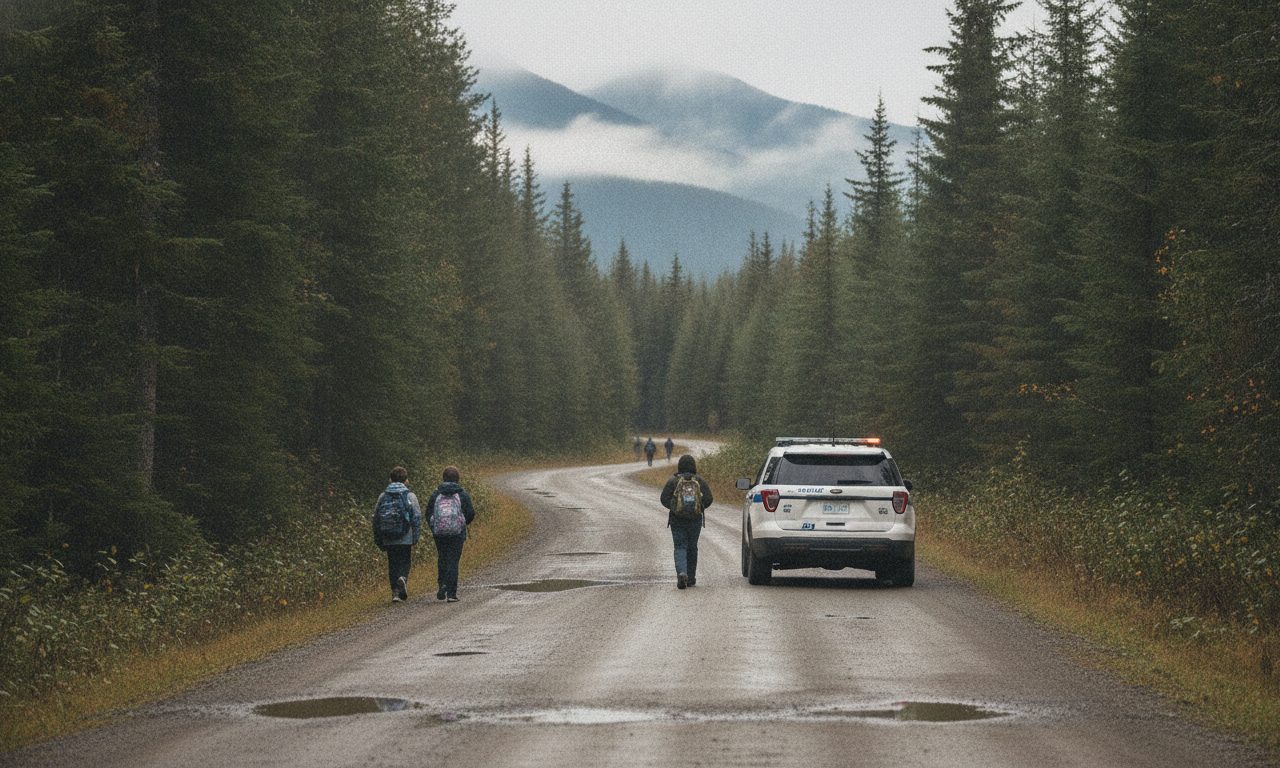
Safety Measures Enforced Following Tragic Fatal Attack
Police in Bella Coola have stepped up patrols and are providing escorts to school for local students following a fatal bear attack that took the lives of a mother and her adult daughter. The Nuxalk Nation announced on social media that RCMP officers will also conduct additional night patrols and offer voluntary rides home for young people out after dark. A voluntary 8 p.m. curfew remains in effect across the region, situated roughly 1,000 kilometres north of Vancouver, while authorities continue searching for the animal or animals responsible.
Community Remembers Victims in Memorial Gathering
The victims were identified as Jenny Balcarras and her adult daughter, Selah Reed, whose bodies were discovered near a trail network earlier this week. Balcarras had relocated to the community in August to work as a counsellor at a local school. The Central Coast Teachers’ Association shared that she dedicated extensive time to supporting student and staff well-being, while her brother, Matthew Balcarras, noted she had recently embarked on her new career as an art therapist.
On Wednesday, the Nuxalk Nation organized a drum circle to honour both women. Elected Chief Samuel Schooner acknowledged the heavy emotional toll on the community, writing that the recent tragedy has resurfaced painful memories for many residents. Mary Melissa Smith, a relative of Balcarras who created a fundraiser for the family, expressed gratitude for the tribute and commended the local support—including food, lodging, and floral arrangements provided by residents, alongside the efforts of police and conservation officers.
Investigators Compare DNA With Prior Grizzly Encounter
The incident comes nearly a year after a grizzly bear attacked a group of approximately 20 elementary students and educators in Bella Coola in November 2025, leaving three children and one adult seriously injured. The bear involved in last year’s event was never located. According to the BC Conservation Officer Service, genetic material recovered from the 2025 attack site will be evaluated against DNA collected during the current investigation.
BC STORIES
Highway Cell Blind Spots Spark Concerns After Rural B.C. Bus Crash
Communications gaps on B.C. Highway 39 delayed emergency crews after a shuttle bus crash near Mackenzie injured 20 people, highlighting rural cell dead zones.
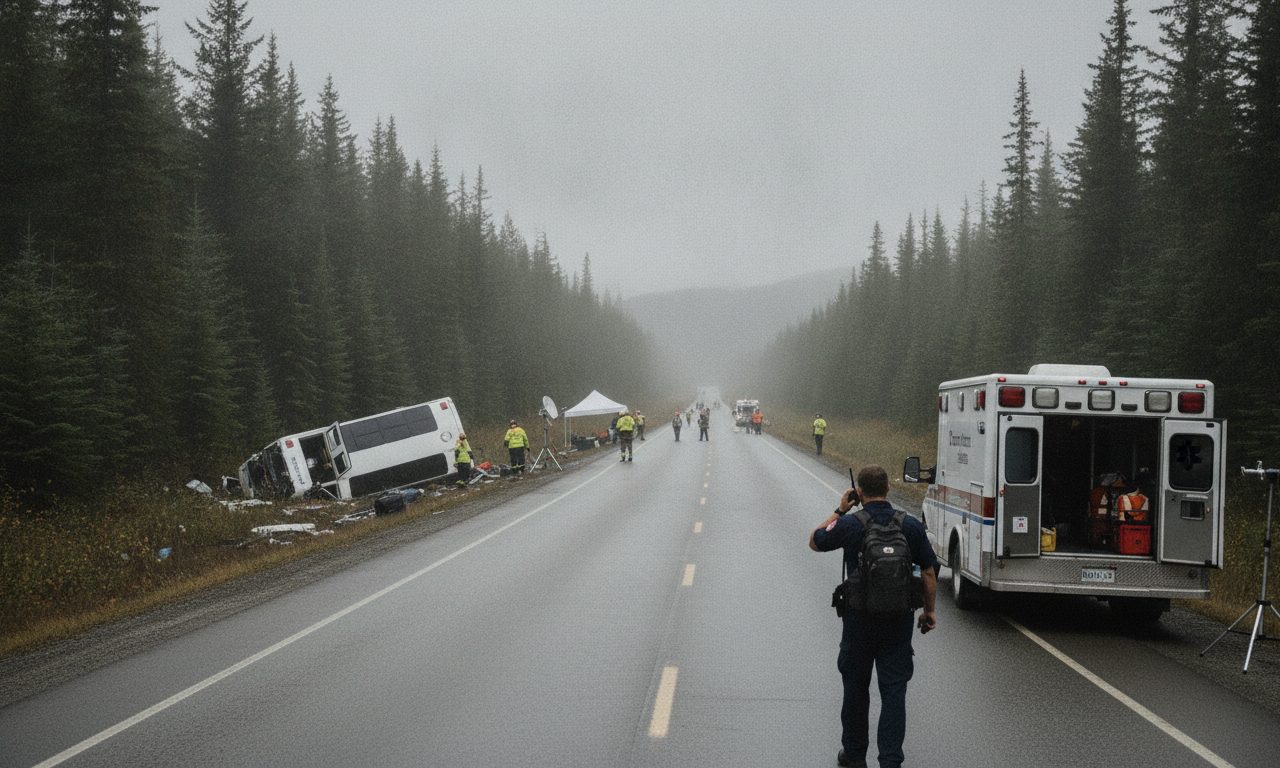
Communication Hurdles Impede Emergency Crews
Communication blackouts in remote northern British Columbia slowed down emergency efforts following a Wednesday bus crash near Mackenzie that left 20 people injured. First responders encountered severe obstacles due to zero cellphone reception and poor satellite coverage along Highway 39, according to North District RCMP Cpl. Jennifer Cooper. Radio transmissions were hampered, delaying the flow of critical information from the crash site during the early stages of the rescue operation.
The incident occurred when a shuttle bus, chartered by a contractor working for a data centre firm, veered off the road. The accident prompted a large-scale response involving 12 ambulances — six ground units and six air ambulances. BC Emergency Health Services reported that one patient in serious condition was flown directly to the hospital, while six others were initially transported by ground before being airlifted to another facility. An additional 13 patients in stable condition were moved by bus alongside advanced-care paramedics.
Northern Residents Familiar With Highway Blind Spots
Kiel Giddens, the provincial legislator representing Prince George-Mackenzie, noted that spotty or absent cellular coverage is a persistent issue for people living in the region. He explained that mobile signals vanish rapidly once drivers travel south of Mackenzie on Highway 39. While northerners have adjusted to these gaps as part of daily life, Giddens emphasized that connectivity on northern routes needs improvement.
Front-line workers regularly experience similar difficulties. Ian Tait of Ambulance Paramedics of BC, which represents around 6,000 dispatchers and paramedics, shared that emergency responders frequently struggle with communication barriers in rural areas. Many crews still rely on analog radio equipment and encounter technical friction with radio and mobile towers in remote locations.
Patient Updates and Infrastructure Expansion Efforts
Providing an update on Thursday, Northern Health confirmed that 15 of the 20 individuals evaluated and treated at its medical facilities have been discharged. Four patients remain admitted to the hospital, and one was transferred elsewhere via air ambulance. The health authority stated no further patient details would be released to protect privacy.
Expanding cellular service across B.C. faces geographic and technical hurdles. Provincial data indicates that roughly 38 per cent of British Columbia’s highway network lacks cellular service, with limited access to reliable electrical power standing as a major impediment to building new infrastructure. To address these gaps, the provincial government committed $75 million in 2023 through the Northern Development Initiative Trust to bring mobile coverage to an additional 550 kilometres of highway by 2027.

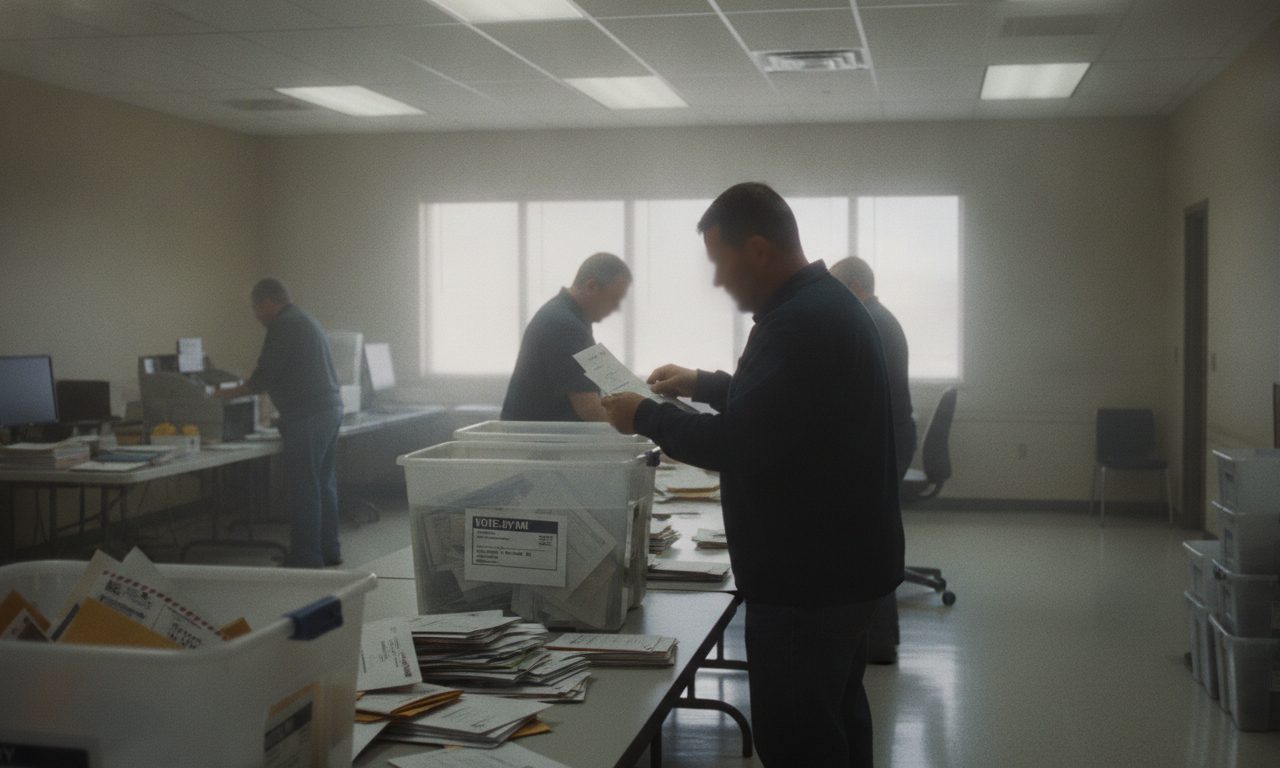
After nearly two weeks of uncertainty, Kelowna Centre residents could soon find out who will represent them in the B.C. legislature.
Just 132 votes separate NDP candidate Loyal Wooldridge and B.C. Conservative incumbent Kristina Loewen, with the outcome of the closely contested race still hanging on ballots that have yet to be counted.
Elections BC says the final count for the province’s 44th provincial general election begins Friday and will conclude no later than Nov. 10.
Provincewide, there are an estimated 150,000 certification envelopes containing ballots that will be reviewed during the final count.
The ballots include vote-by-mail ballots, assisted telephone voting ballots and absentee ballots cast at special voting opportunities or on final voting day.
Under the Election Act, these ballots are counted during the final count. Before being counted, certification envelopes are checked against the voters list to confirm each voter was eligible and voted only once.
The process is familiar to both Wooldridge and Loewen, who faced a similarly close contest in the 2024 provincial election.
Loewen led Wooldridge by 148 votes on election night in 2024, but that margin narrowed to just 40 votes following a judicial recount.
Separate from the outstanding ballots being counted across the province, automatic recounts are required in the Burnaby-South Metrotown and Ladysmith-Oceanside electoral districts because the margins between the top two candidates are 100 votes or fewer.
Counting will begin at 8 a.m. and results will be updated every 30 minutes on the Elections BC website as the final count progresses.
Elections BC will declare a candidate elected in each electoral district once the final count is complete.

Escorts and Curfew Imposed in Bella Coola Following Fatal Bear Attack

Highway Cell Blind Spots Spark Concerns After Rural B.C. Bus Crash

Kelowna Centre may have a new MLA by Friday

Who Gets to Decide Where B.C. Builds? Conservatives Move to Return Housing Power to Municipalities

The Money Spoke Before the Voters Did: How B.C.’s Conservatives Turned Chaos Into Victory

AI Stocks Tumble as U.S. Midterm Elections Send Shockwaves Through Global Markets
Opinion: John Rustad Has to Go
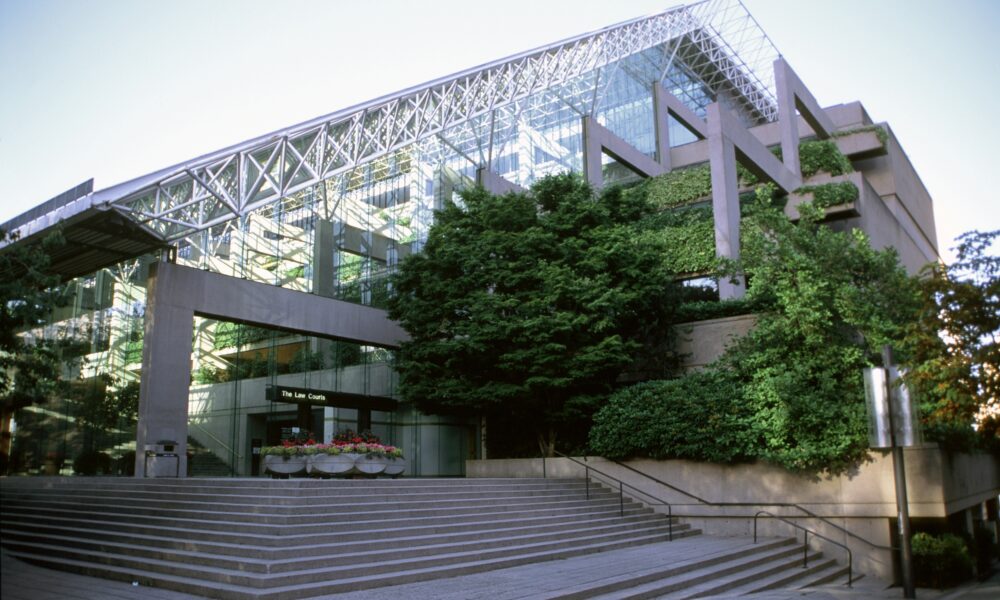
B.C. Supreme Court Grants Cowichan Tribes Title to Historic Richmond Lands and Fishing Rights

A Taste of Autumn: Fall Okanagan Wine Festival 2025

Vancouver Canucks Gear Up for a Make-or-Break 2025–26 Season

Kamloops Blazers Announce Off-Season Changes Ahead of 2025–26 Season
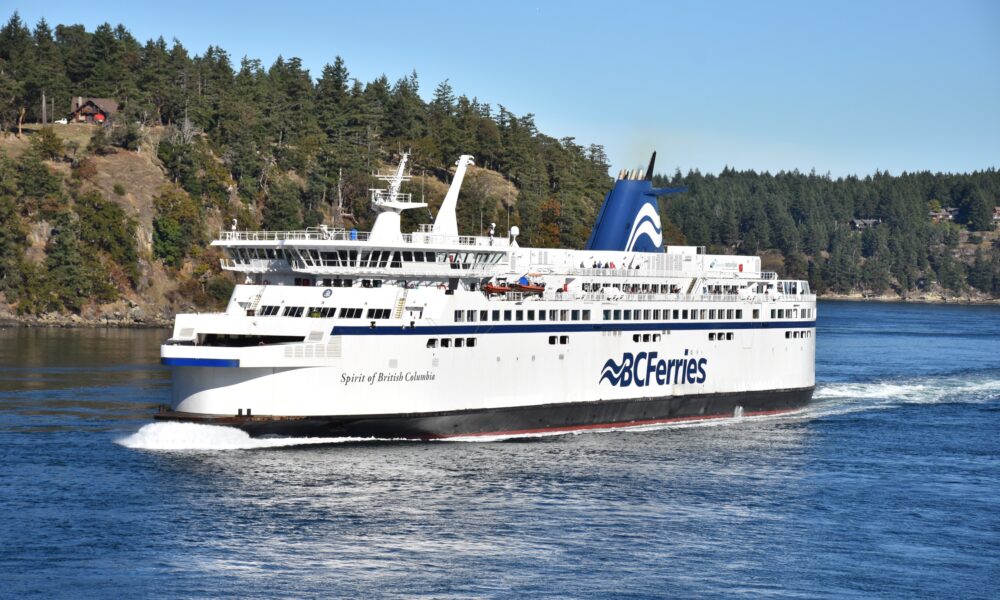
BC Ferries Sparks Outcry Over Contract with Chinese Shipyard
-
5 days ago
Your Current 3 Day Forecast — October 31, 2026
-

 NATIONAL STORIES7 days ago
National School Food Program Faces Scrutiny After Testimony Shows Inflation Erodes Funding
-
6 days ago
Your Current 3 Day Forecast — October 30, 2026
-
3 days ago
Your Current 3 Day Forecast — November 2, 2026
-

 HEALTH6 days ago
Why B.C. Interior Residents Are Being Warned About Dangerous Unregulated Drugs
-

 LOCAL3 days ago
Why two Kamloops MLAs see value in a brief sitting before spring
-
 LOCAL7 days ago
UBC Okanagan Cancels CCS Classes and Exams Following Building Roof Fire
-

 NATIONAL STORIES7 days ago
No Danger to Nearby Residents as Base Firefighters Contain CFB Gagetown Blaze