
Local
Inside City Hall: What an Independent Operational Review Could Mean for Kelowna Taxpayers
By Current Editor
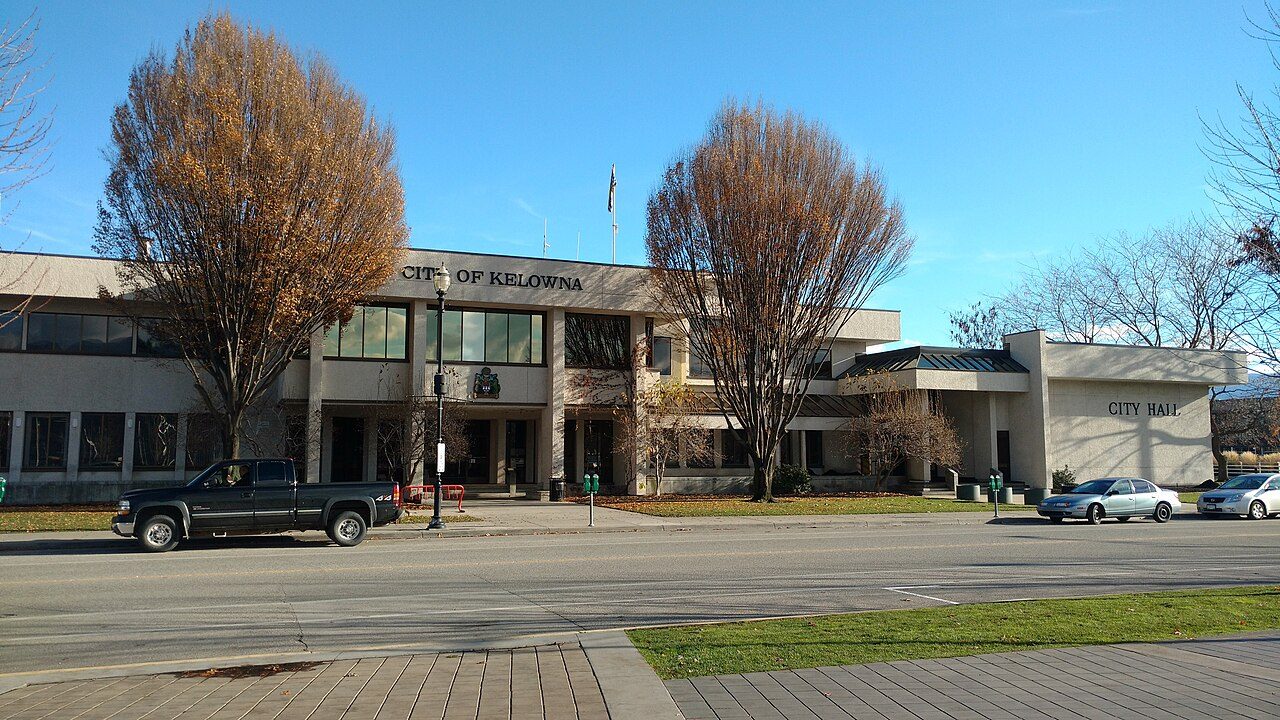
Staff Options Report Requested on City Spending
Kelowna taxpayers could see an independent evaluation of how local municipal dollars are managed, following an initiative introduced by newly elected councillor Les Bellamy. At his initial regular council meeting on Monday, November 9, Bellamy fulfilled a key campaign commitment by notifying council of an upcoming motion. The proposed directive does not instantly commission an external firm; instead, it asks city administration to outline details regarding potential costs, execution phases, timeframes, scope of inquiry, and methods to protect existing municipal services while ensuring complete independence.
Debate on the proposal is expected early in 2027, with the motion requiring at least five affirmative votes among the nine council members to pass. Councillor Mohini Singh, serving since 2011, noted that an outside firm currently conducts an annual financial audit required of all British Columbia municipalities by May 15. While Singh clarified she does not oppose looking deeper, she emphasized that the yearly audit already confirms the mathematical accuracy of city books and guards against major errors or fraud. However, standard audits do not evaluate operational efficiency, cost-effectiveness, or potential service redundancies—gaps that an operational review aims to examine.
Budget Growth and Historical Context
Municipal budget figures show Kelowna’s operational expenses and staffing have expanded recently. Between 2023 and 2025, full-time equivalent positions grew by roughly 12 percent, moving from approximately 1,065 to 1,196 jobs. Total budgeted wage expenditures climbed around 21 percent over the same period, reaching about $144 million from $119 million due to a mix of new hires and salary increases. For 2025, the overall city budget stands at $1.1 billion, accompanied by a 4.4 percent property tax increase that adds about $115 to an average residential tax bill.
Over a broader timeline, city expenditures have grown at a slower rate than population growth. Data from the Business Council of BC covering 2010 through 2024 shows Kelowna’s inflation-adjusted spending rose by 1.6 percent annually, compared to a 2.3 percent annual population increase—a trend contrary to 88 percent of BC municipalities. While Kelowna maintains an internal value-for-money program that reported progress on treasury recommendations in March 2025, reviews in other BC cities demonstrate varied outcomes. Nanaimo spent $248,000 on a 2016 study that identified up to $1.7 million in potential recurring annual savings, leading to $745,000 in actual yearly savings after a 2018 reorganization. Conversely, a volunteer task force in Vancouver saw its core recommendation dropped by June 2026.
To send a tip or ask about advertising, write to [email protected] or call 250-300-0569.