POLITICS
Germany Casts Doubt on Canada’s LNG Promises: Poilievre Reports Skepticism in Berlin
Pierre Poilievre reports German skepticism over Canada’s LNG export capacity, highlighting a ‘see it to believe it’ attitude toward Canadian energy infrastructure.


The ‘See It to Believe It’ Stance
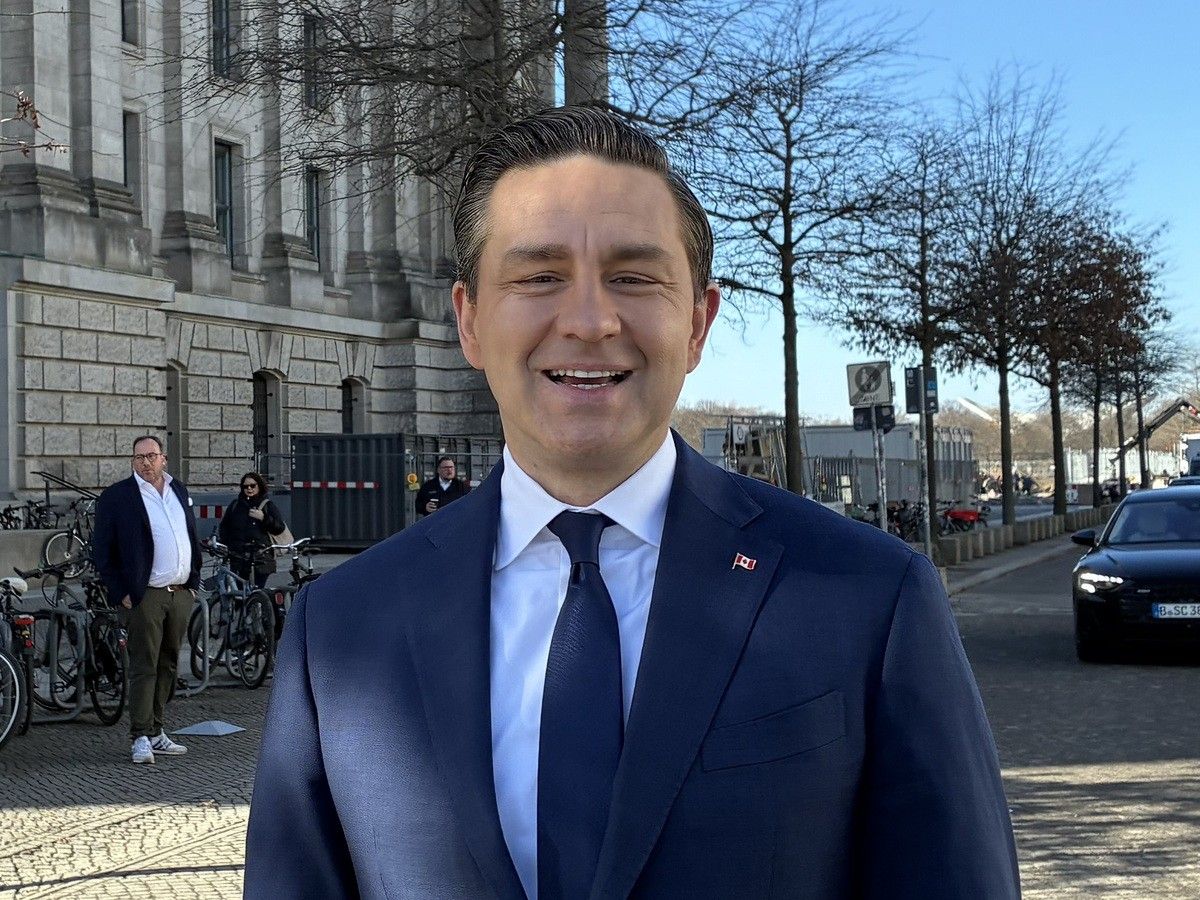
Conservative Leader Pierre Poilievre has completed a series of high-level meetings in Berlin, reporting that German officials and business leaders remain deeply skeptical of Canada’s ability to deliver on natural gas export promises. Following discussions with Foreign Minister Johann Wadephul and various industry groups, Poilievre noted that while the appetite for Canadian Liquefied Natural Gas (LNG) is high, confidence in Canadian infrastructure projects is at an all-time low.
“It was a bit ironic, I didn’t have to do any sales job,” Poilievre told reporters, noting that German stakeholders frequently asked how soon they could receive Canadian gas. However, he sensed a palpable uncertainty regarding Canada’s regulatory environment, describing the German posture as a ‘see it to believe it’ mode after years of stalled projects and political rhetoric.
A History of Infrastructure Hurdles
The skepticism from Europe stems from a long history of proposed and cancelled energy projects in Canada. To date, Canada’s only operational LNG export terminal is located in Kitimat, British Columbia. While multiple proposals have been put forward to establish infrastructure in Eastern Canada to service the Atlantic market, none have successfully moved past the regulatory and political hurdles. The urgency for these projects spiked following Russia’s 2022 invasion of Ukraine, which forced European nations to rapidly diversify their energy sources away from Russian state-controlled suppliers.
Shifting Political Tides
The energy debate in Canada has been marked by inconsistent messaging between successive administrations. Prime Minister Justin Trudeau famously stated shortly after the Ukraine invasion that there was “never a strong business case” for Canadian LNG exports to Europe. In contrast, current leadership has pivoted, with recent efforts focusing on a potential export facility in Churchill, Manitoba. This proposed site is seen as a strategic workaround to avoid the longstanding opposition to pipelines in Quebec.
Poilievre used his first foreign mission as Conservative leader to pitch a plan centered on binding supply agreements and an accelerated approval process for pipelines. As Germany continues to seek safe and reliable energy partners, the pressure remains on the Canadian government to prove that it can move beyond diplomatic promises and into active construction and delivery.