POLITICS
Eby and Rustad Both See Favourability Slip in New Poll

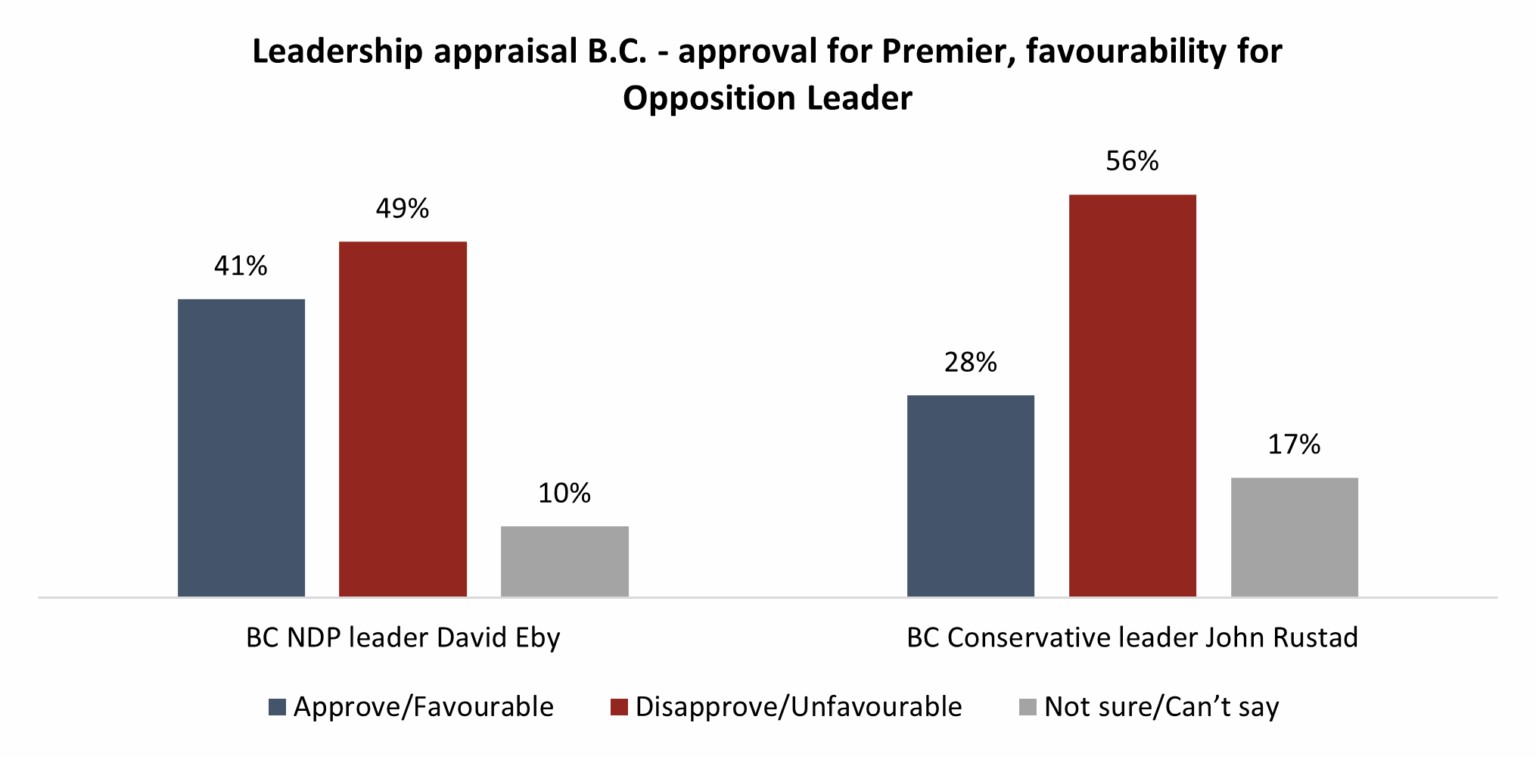
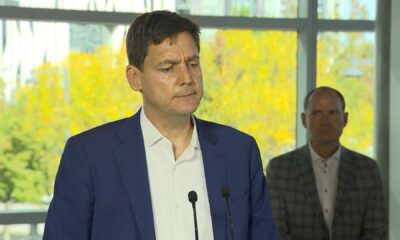
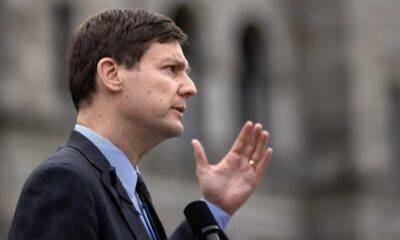
A new round of polling from Angus Reid shows that Premier David Eby’s favourability ratings have fallen, raising questions for the governing NDP as British Columbia heads into a volatile political season. Eby, who entered the last election with a 43% favourability score, saw his numbers climb to 46% during the so-called “Trump surge,” when voters expressed a preference for stability amid political uncertainty in the United States. That boost, however, now appears to be fading, with his latest ratings showing a notable decline to 41%.
The poll also delivered sobering news for the opposition. Conservative leader John Rustad’s favourability has dropped from 33% at the last election to 28% today. Rustad has struggled to consolidate support even as the Conservatives sought to capitalize on voter frustrations with the government. The decline suggests that while discontent with the NDP is growing, the Conservatives have yet to persuade enough British Columbians that they represent a viable alternative.
Analysts caution that both parties face risks heading into the fall. For the NDP, slipping favourability underscores the challenge of maintaining momentum after years in power, particularly with economic headwinds and public service disruptions dominating headlines. For the Conservatives, Rustad’s decline raises concerns about leadership strength and whether the party can seize on the opportunity created by voter dissatisfaction. With both leaders under pressure, the stage is set for a contentious political season in B.C.







BC STORIES
Caucus Split Grows as Three More B.C. Conservative MLAs Depart Ahead of Potential Election
Three B.C. Conservative MLAs have departed the caucus, legislative officials confirm, as internal leadership disputes surface ahead of a potential provincial election.

Legislature Office Confirms Caucus Changes
The office of the B.C. legislature clerk has verified that three additional MLAs have ended their affiliation with the B.C. Conservative Party caucus. Notification was submitted to the Office of the Speaker on Friday, Sept. 18, regarding Skeena MLA Claire Rattée, Nechako-Lakes MLA John Rustad, and Surrey-White Rock MLA Trevor Halford.
Following the legislative confirmation, B.C. Conservative Leader Kerry-Lynne Findlay released a public statement confirming the immediate removal of all three politicians from the caucus. Findlay framed the decision around preparations for a potential upcoming provincial election, stating the party must concentrate fully on challenging the ruling NDP government under Premier David Eby.
Rattée Challenges Removal and Cites Internal Scrutiny
In response to the announcement, Rattée issued a detailed statement on social media rejecting the attempt to remove her and confirming her intention to remain in her position. She argued that as an elected MLA, Findlay lacks the authority to strip caucus membership from elected team members.
Rattée pointed to a broader trend of internal caucus friction, noting that nine MLAs have departed the party since mid-August while raising concerns about leadership. Her statement highlighted accusations involving offers of paid positions in exchange for seat resignations, controversy surrounding senior staff, and reports that a senior party official engaged a private investigator to monitor current and former MLAs. Rattée confirmed she was informed by the party that she had been targeted in the investigation, calling the move a severe lapse in judgment on the eve of a potential snap election call.
Former Interim Leader and Colleagues Prepare Next Steps
Halford also shared a brief update on social media, reflecting on his previous tenure as interim leader during a period of party growth. He stated that he intends to run again in his riding of Surrey-White Rock if an election is called and indicated he would release further details shortly. Rustad noted on X that a formal press release would be issued soon.
BC STORIES
Why B.C. Centrists Are Uniting Under Peter Milobar as Election Speculation Grows
Peter Milobar assumes leadership of Centre B.C. as eight sitting MLAs unify to present a centrist alternative ahead of a potential B.C. election.
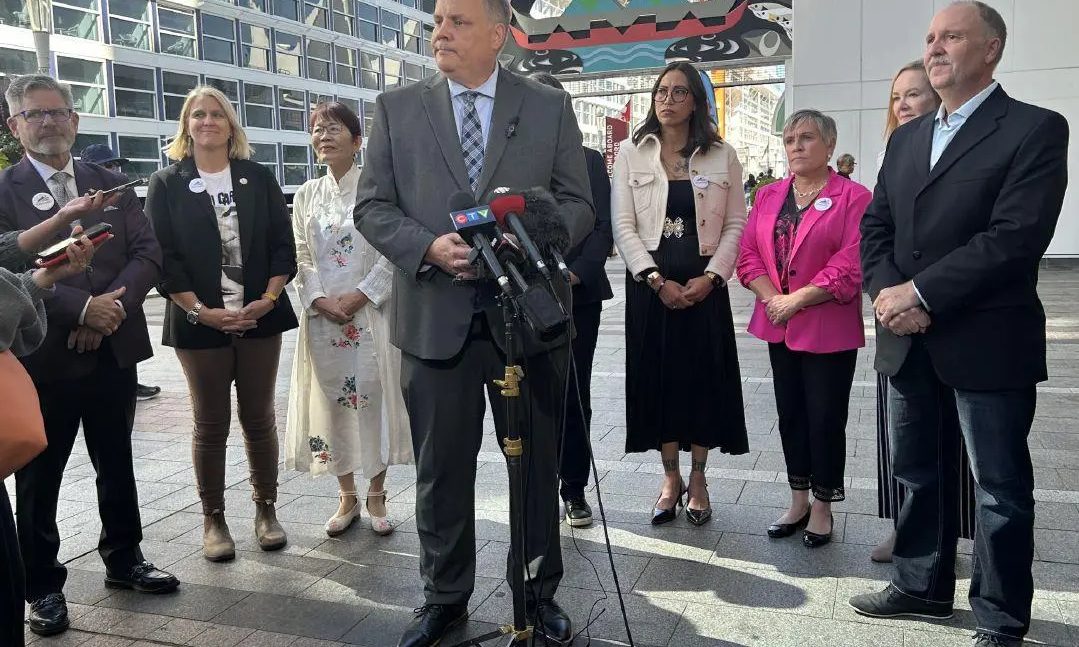
Political Consolidation Ahead of Potential Snap Election
In a move to prevent splitting votes among centrist options, eight sitting Members of the Legislative Assembly have unified under the Centre B.C. banner. Kamloops Centre MLA Peter Milobar announced Friday in Vancouver that he is assuming the leadership of the party, supported by outgoing leader Mike Bernier, a former B.C. Liberal cabinet minister who stepped down to facilitate the transition.
The caucus consolidation brings together former B.C. Conservative MLAs who left the party following disagreements with Leader Kerry-Lynne Findlay, alongside independent representatives. Milobar took the helm alongside Bernier and six other MLAs—Bruce Banman, Teresa Wat, Donegal Wilson, Á’a:líya Warbus, Rosalyn Bird, and Elenore Sturko. A eighth caucus member, Delta South MLA Ian Paton, was unable to attend the announcement due to a scheduled vacation but remains fully committed to the party, according to Milobar.
Focus Areas and Electoral Strategy
Addressing the party’s platform, Milobar stated that Centre B.C. will be “hyper-focused” on healthcare, climate action, and public safety on municipal streets. The party intends to field candidates across British Columbia if a provincial election is called. Bernier noted that discussions regarding the leadership transition and political alignment had been underway for several weeks, with public polling indicating that 51 per cent of British Columbians are seeking an alternative to the primary political parties.
Speculation Over Provincial Election Timing
The leadership shift comes amid growing speculation that Premier David Eby may trigger an early election less than two years into his current mandate. Political parties had originally envisioned an autumn launch on the steps of the legislature on Oct. 5 for the start of the fall session. However, shifting timelines have accelerated party preparations across the province.
An early provincial election call could overlap with municipal elections scheduled for Oct. 17. The potential timing has raised procedural concerns; Union of B.C. Municipalities president Cori Ramsay has requested the premier delay any provincial call, pointing out that an active provincial campaign alongside the ongoing Abbotsford-Mission byelection running until Sept. 26 would require Elections BC to halt administrative paperwork for other political entities seeking registration.
BC STORIES
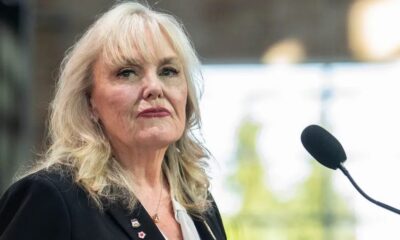
B.C. Conservative Leader Vows to Stay On as Snap Election Rumours Grow
B.C. Conservative Leader Kerry-Lynne Findlay says she will stay on despite nine caucus defections and growing speculation about an early provincial election.
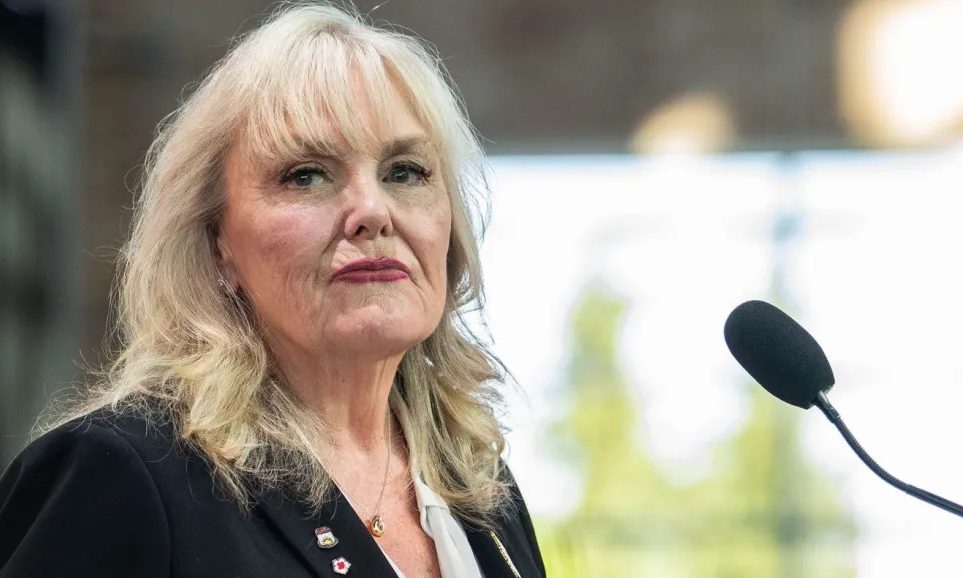
Findlay Vows to Remain Party Leader
British Columbia Conservative Leader Kerry-Lynne Findlay told delegates at the Union of British Columbia Municipalities convention in Vancouver that she plans to remain in her post despite recent internal strife. Addressing the audience on Thursday, she stated that she is “not going anywhere” as speculation grows surrounding a potential provincial election call.
Caucus Defections and Internal Strain
Since Findlay assumed leadership on May 30, 2026, nine members of the legislature have resigned from the Conservative caucus. Defectors have cited dissatisfaction with her leadership style, the party’s ideological direction, and internal division. Seven of the former members have banded together under interim leader Peter Milobar to establish a new party, which currently remains unregistered and unnamed due to provincial rules governing ongoing byelections.
Findlay acknowledged taking responsibility for the departure of caucus members while defending her record, pointing out that previous party leaders also faced resignations. She noted during a Wednesday caucus meeting that while several legislators called for her resignation, her team is focused on moving forward together.
Potential Snap Election Prep
The internal conflict coincides with warnings from Premier David Eby, who alerted both Elections BC and his NDP caucus to prepare for an early campaign. In response to the potential election call, the B.C. Conservatives initiated an emergency 48-hour fundraising campaign to secure funds for voter messaging and volunteer efforts.
Findlay, who is currently campaigning in the Sept. 26 Abbotsford-Mission byelection to win a seat in the legislature, outlined key platform positions during her speech. Her proposed measures include eliminating the planned expansion of the provincial sales tax to services and expanding mandatory compassionate care for mental health and addiction struggles.
Your Current 3 Day Forecast — September 20, 2026

Dylan Cease struggles as Toronto pitching strain worsens in loss to Rangers
How Canada’s Prime Minister Is Building Stronger Trans-Atlantic Ties Close to Home
Montreal’s High-Powered Offense Holds Off Late Hamilton Comeback in East Clash
What to Know Ahead of Alberta’s Oct. 19 Vote on a Separation Referendum
What to Know About the Alasko Frozen Raspberry Recall Following Illness Reports
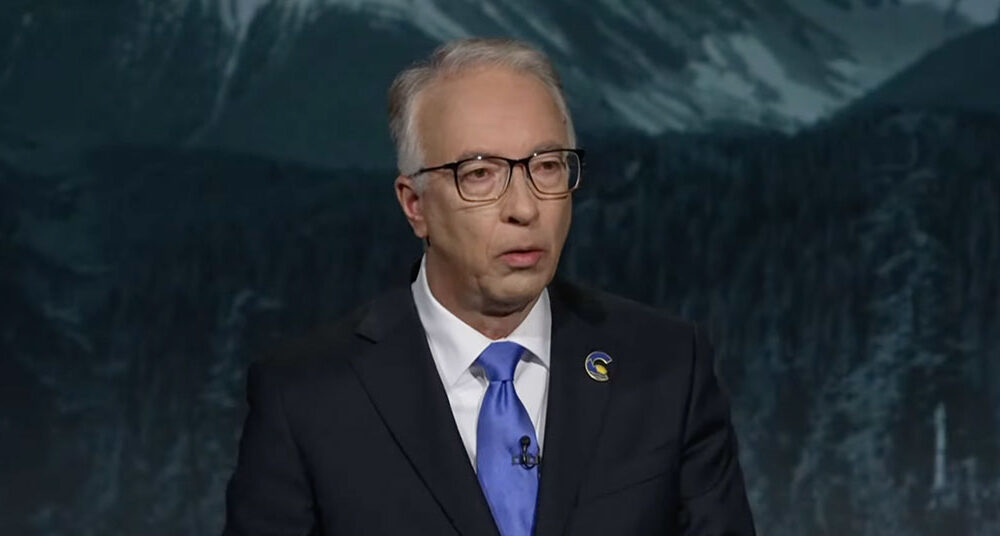
Opinion: John Rustad Has to Go
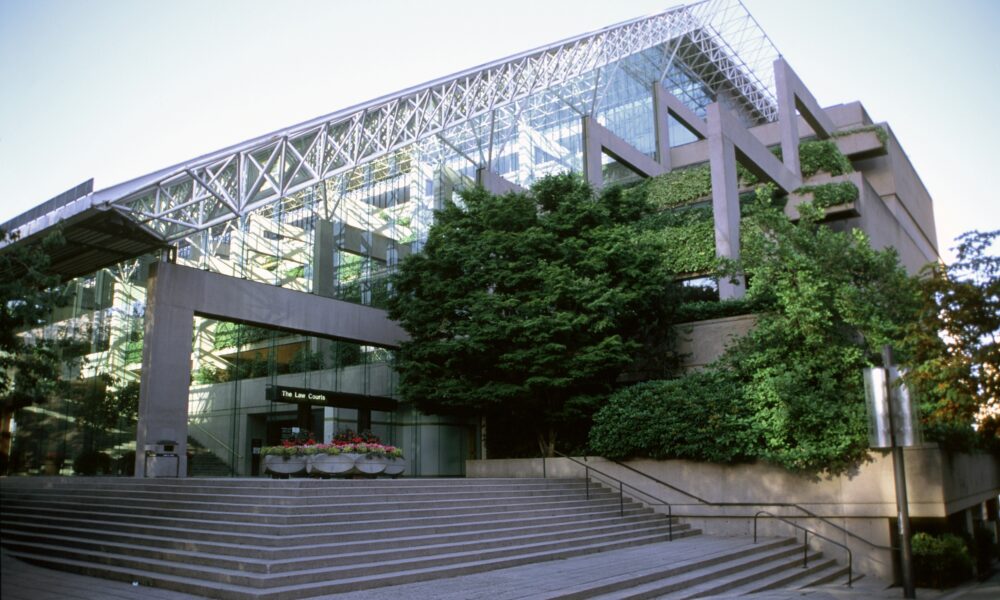
B.C. Supreme Court Grants Cowichan Tribes Title to Historic Richmond Lands and Fishing Rights

A Taste of Autumn: Fall Okanagan Wine Festival 2025

Vancouver Canucks Gear Up for a Make-or-Break 2025–26 Season

Kamloops Blazers Announce Off-Season Changes Ahead of 2025–26 Season
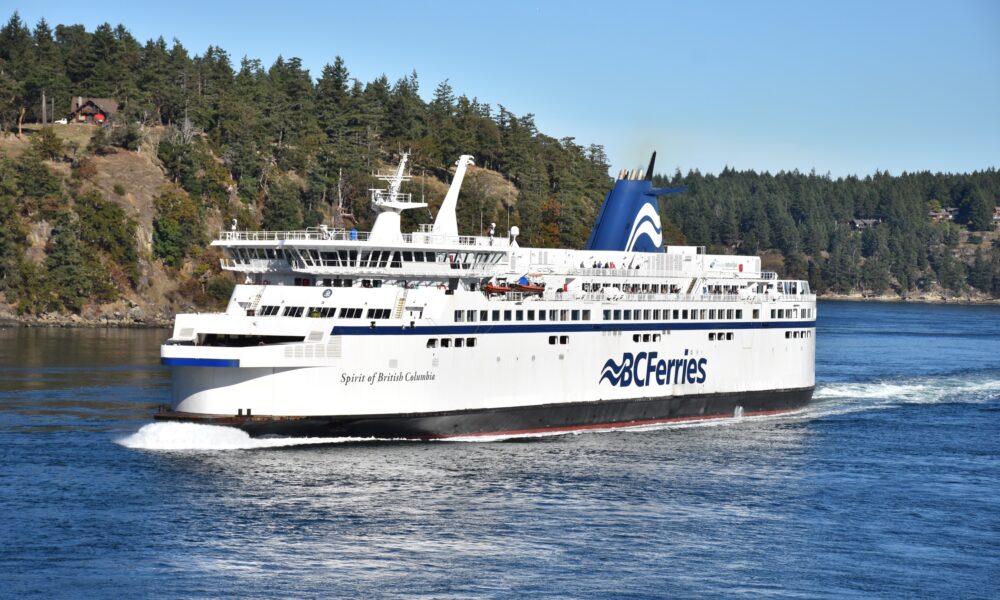
BC Ferries Sparks Outcry Over Contract with Chinese Shipyard
-
NATIONAL STORIES6 days ago
Remembering George Chuvalo: The Canadian Heavyweight Legend Who Never Got Knocked Down
-

 COMMUNITY6 days ago
Navigating Blended Family Wills and Estate Options
-

 NATIONAL STORIES6 days ago
AI’s Biggest Warning May Be Coming From the People Building It
-
 SPORTS6 days ago
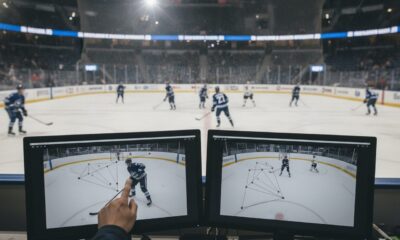
How Video Adjustments Fuelled the Vancouver Canucks’ 5-2 Prospects Victory Over Seattle
-
POLITICS7 days ago
What Trump’s Remarks Linking Canada to Iran Signal About International Negotiations
-
WORLD7 days ago
What Trump’s Remarks Linking Canada to Iran Signal About International Negotiations
-
LOCAL7 days ago
Stephen Johnston Mayor by Acclamation
-

 BC STORIES6 days ago
Uncertain Eyewitness Testimony at Center of Final Arguments in 2021 Restaurant Shooting Trial