Middle East Politics
A Republic Divided: The Geopolitical Spectacle of Khamenei’s Funeral
Iran bids farewell to Ayatollah Khamenei in a massive, choreographed funeral as the nation grapples with economic collapse, protests, and a succession crisis.


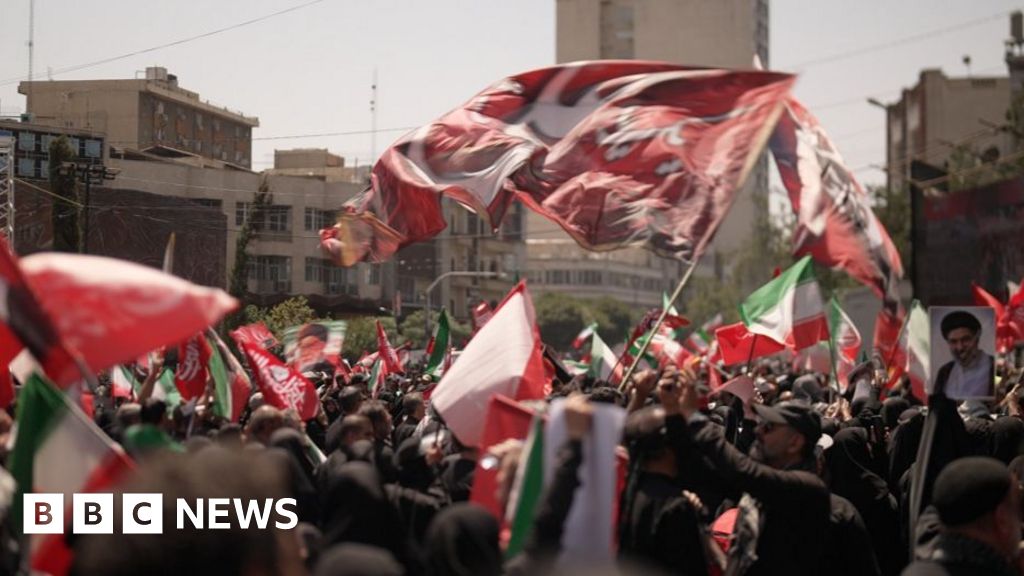
A Choreographed Farewell
Tehran came to a standstill this week as millions of mourners flooded a 10-kilometer route to bid farewell to the late Supreme Leader Ayatollah Ali Khamenei. The three-day funeral procession, characterized by massive crowds and intense political messaging, served as a global stage for Iran’s leadership to project a sense of unity and defiance following the Israeli-American airstrikes that claimed the lives of the Ayatollah and several family members on February 28.
The Dual Reality of Tehran
While aerial footage depicted a city unified in grief, chanting ‘death to America’ and ‘death to Israel,’ the atmosphere on the ground revealed deep internal fractures. Outside the official mourning stations, many citizens opted to stay away, citing a crumbling economy with inflation hovering at 80% and the bitter memory of security crackdowns during January’s anti-government protests. For many, the focus remains on unemployment and the cost of living rather than the state-mandated narratives of martyrdom.
A Message of Inevitable Revenge
The funeral was steeped in the symbolism of the red flag, a traditional Shia emblem of blood and vengeance. Posters specifically targeting U.S. President Donald Trump were distributed to hundreds of foreign journalists, and government-backed messaging apps encouraged slogans promising ‘hard revenge.’ Despite the aggressive rhetoric, Iran’s new leadership faces a delicate balancing act: they must satisfy hardline elements within the regime demanding retaliation while simultaneously negotiating for the easing of sanctions to prevent a total economic collapse.
Transition to a New Era
As the body of the Ayatollah moves toward its final resting place in the holy city of Mashhad, the focus shifts to his successor, 56-year-old Mojtaba Khamenei. Having survived the strike that killed his father, Mojtaba has yet to appear in public, leaving a vacuum of visible leadership at a critical juncture. As Iran buries the last of its first-generation revolutionary founders, it enters a volatile new era where the legacy of the past must contend with the modern demands of a restless and impoverished population.