POLITICS

BCGEU Strike Escalates with New Sectors and Overtime Bans

Published

on

BCGEU Strike Escalates: Mining Joins, Overtime Bans

BCGEU Strike Escalates with New Sectors and Overtime Bans


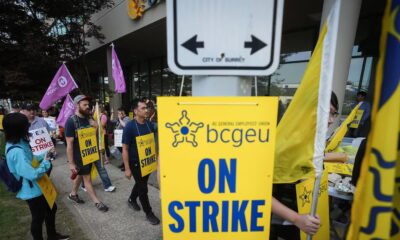
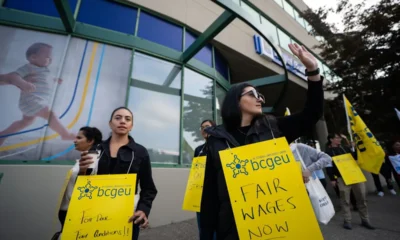
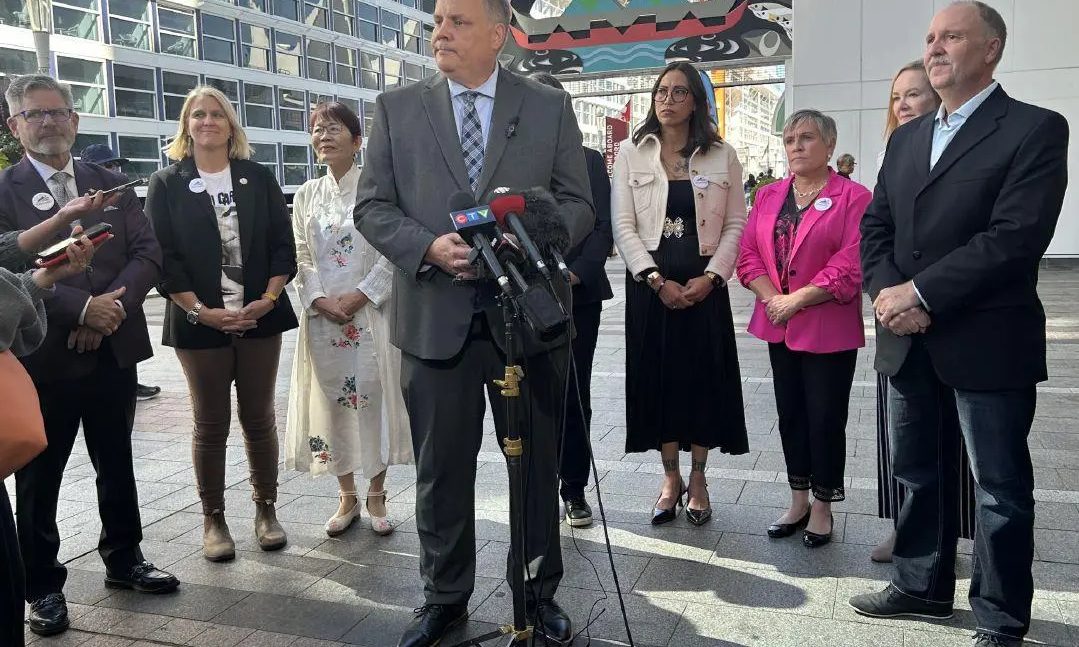
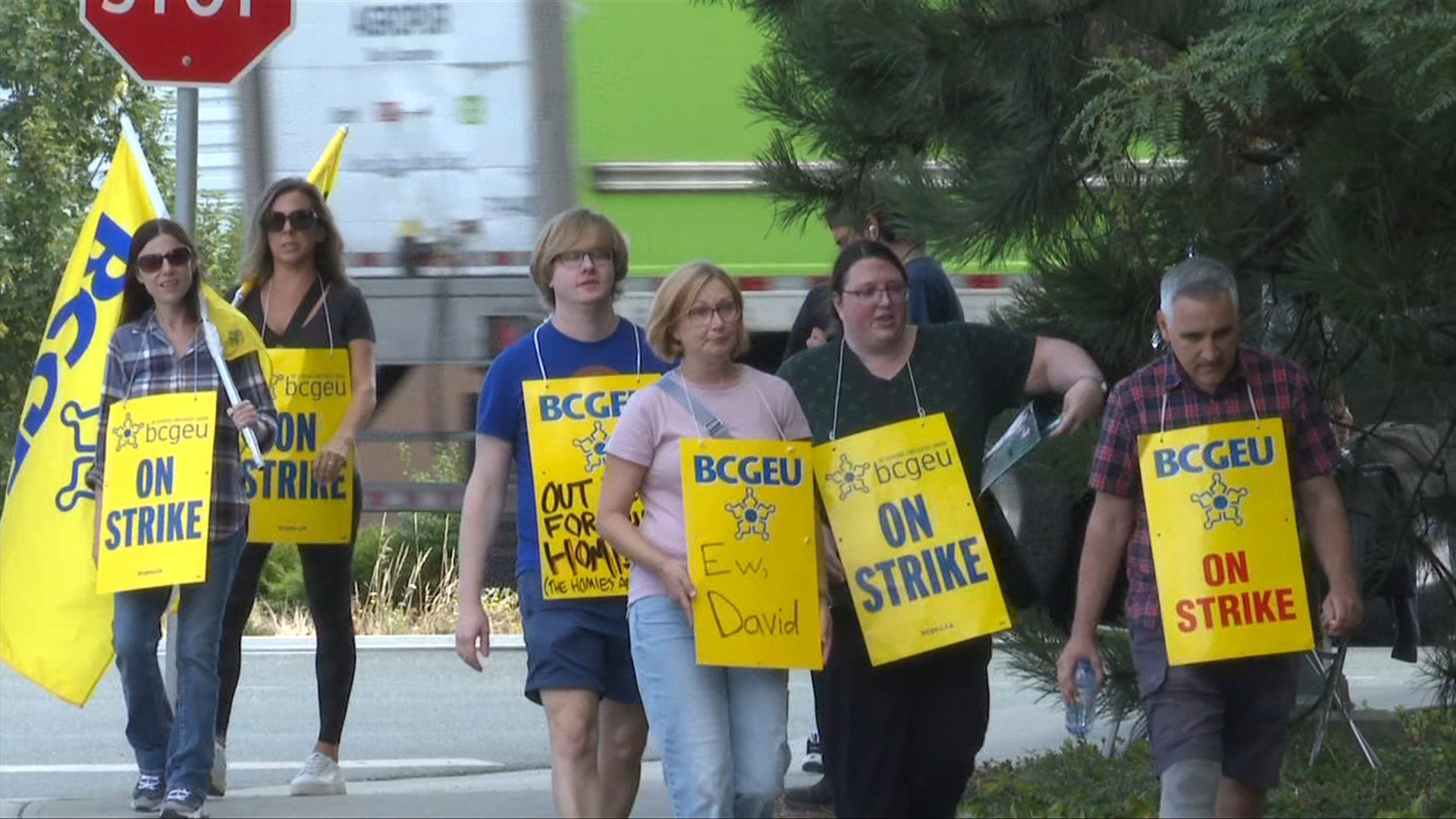
The BC General Employees’ Union (BCGEU) has broadened its ongoing job action, bringing mining-sector employees onto picket lines and imposing overtime bans for correctional officers and sheriffs. Workers at the Mineral Development Office and Mineral Titles Office in Vancouver, along with staff at the Southeast Mines Office in Cranbrook, joined strike activity on Tuesday, increasing the total number of public service workers participating to roughly 8,500 across the province.

What triggered the escalation

The core issue remains the union’s demand for an 8.25% wage increase over two years. Union members say that level of pay growth is needed to keep pace with inflation and rising living costs. The provincial government has offered about 4.5% over the same period, plus cost-of-living adjustments, and negotiations have stalled as both sides remain far apart.

Which sectors are now affected

New areas of impact include:

  • Mining administration — Mineral Development Office and Mineral Titles Office (Vancouver); Southeast Mines Office (Cranbrook).
  • Corrections and sheriff services — overtime bans implemented, affecting staffing availability and scheduling.
  • Other public service roles already on strike or rotating job action, contributing to provincial service disruption.

Operational and community impacts

The escalation is producing immediate ripple effects: delays in mining permit processing and regulatory work have been reported, while the overtime bans in corrections and sheriff services are placing extra pressure on public safety staffing and rostering. Local communities, industry stakeholders and service users are monitoring developments closely as disruptions grow.

Short-term risks

  • Processing delays for mining permits and related regulatory files.
  • Increased strain on corrections and sheriff staffing due to reduced overtime capacity.
  • Potential for further escalation if talks remain deadlocked.

Union stance and next steps

BCGEU leaders, including BCGEU president Paul Finch, have warned that additional escalation is possible while negotiations remain stalled. The union underscores that its wage demand is intended to protect workers’ purchasing power. The government has framed its offer as fiscally responsible while including cost-of-living adjustments.

What to watch

Key developments to follow:

  • Any new sectors or worksites joining the strike.
  • Changes to the provincial offer or return-to-work proposals.
  • Community and industry responses, especially from the mining sector and public safety bodies.

As the job action enters its third week, the outcome of negotiations will determine whether services return to normal or if broader disruption continues. Communities across British Columbia remain attentive to any changes that might affect daily services and economic activity.

Canadian Government

Danielle Smith Faces Blowback from All Sides Over Convoluted Alberta Secession Referendum

Alberta Premier Danielle Smith faces criticism from NDP and separatists over a new secession referendum question. Indigenous leaders and federalists push back.

Published

on

A Risky Gambit for Alberta’s Political Future

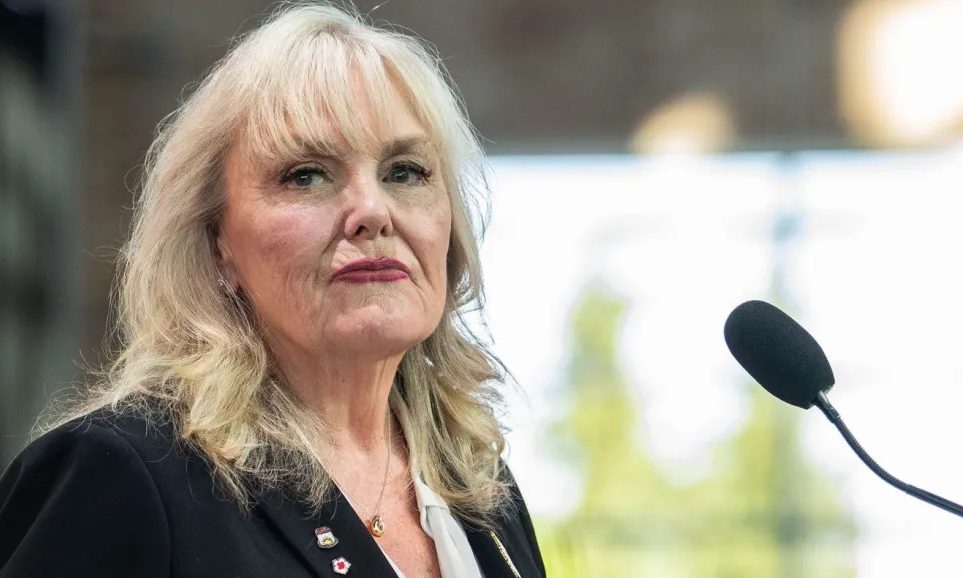
Alberta Premier Danielle Smith has ignited a firestorm of controversy after announcing a provincial referendum containing a complex question regarding the province’s potential secession from Canada. The move, intended for an October 19 vote, has managed to alienate both staunch federalists and die-hard independence activists, creating a rare moment of unity among her political detractors. The ballot question asks whether Alberta should remain a province or if the government should commence the legal processes required for a binding referendum on separation—a wording many critics have labeled as a muddy attempt to avoid a definitive ‘yes’ or ‘no’ vote.

Anger Across the Political Spectrum

On the left, Alberta NDP Leader Naheed Nenshi slammed the Premier’s decision as a threat to national unity, accusing her of prioritizing her own political survival over the stability of the country. Nenshi pledged a vigorous campaign to defeat the initiative. Conversely, the right flank of Smith’s own base feels betrayed. Mitch Sylvestre, a prominent leader in the separatist movement, described himself as ‘duped’ by the convoluted wording, which stops short of the immediate independence he and his supporters have been lobbying for. In response, some separatist factions are now plotting a leadership review to oust Smith from the United Conservative Party (UCP) helm.

Legal Battles and First Nations Rights

The referendum plan also faces significant legal and social hurdles from Indigenous communities. The Sturgeon Lake Cree Nation and Mikisew Cree First Nation have already successfully challenged previous separatist petitions in court. They argue that the provincial government failed to consult them on a matter that directly impacts treaty rights. Despite a recent judicial ruling that the government must consult First Nations before approving such questions, Smith has labeled the court’s decision ‘erroneous’ and intends to appeal, setting the stage for a protracted legal battle that could further destabilize provincial relations.

The High Stakes of Asymmetric Federalism

As national unity faces pressure from Quebec’s sovereignty movement and trade tensions with the United States, Alberta’s internal friction adds a volatile layer to the Canadian political landscape. Critics, including federal Liberal MP Corey Hogan, argue that Smith is manufacturing a national crisis to solve internal party grievances. With the October vote approaching, Albertans are bracing for a period of intense, raucous politicking that may redefine the province’s role within Confederation for generations to come.

Continue Reading

General

Alberta Cabinet Shaken: Key Ministers Resign as Referendum Tensions Boil Over

Alberta cabinet in flux as Finance Minister Nate Horner and Health Minister Matt Jones resign ahead of a major referendum address by Premier Danielle Smith.

Published

on

A Pre-Summer Political Firestorm

The Alberta political landscape shifted dramatically on Wednesday as a series of events transformed a routine legislative day into a pre-summer firestorm. The sudden resignation of two senior cabinet members, combined with a chaotic confrontation in a legislature committee and an upcoming televised address by Premier Danielle Smith, has signaled a significant turning point for the UCP government.

Departure of the Heavyweights

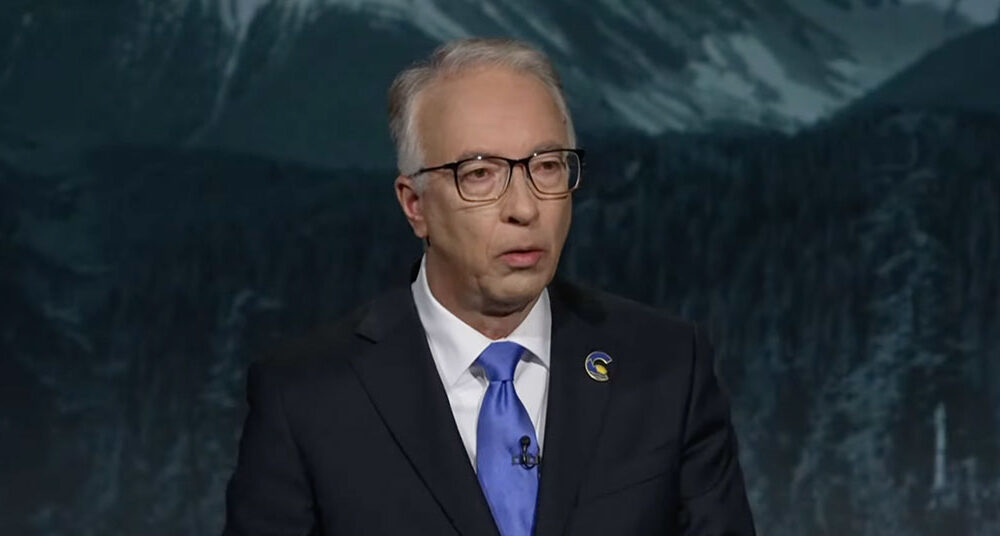
The most impactful news came with the resignations of Finance Minister Nate Horner and Minister of Hospital and Surgical Health Services Matt Jones. Horner, who served as the President of the Treasury Board, announced his departure from the post because he does not intend to run in the 2027 provincial election. He emphasized that the transition should happen now so his successor can craft the crucial election-year budget. While some speculate that this timing hints at an early election call, Horner maintains that the move was planned months in advance to ensure an orderly transition of the province’s finances.

Similarly, Matt Jones is stepping down from his difficult role overseeing surgical health services. Known for his direct approach and dedication to solving the ongoing crisis in emergency wards, Jones also confirmed he will not seek re-election. The loss of Horner and Jones is a substantial blow to the Smith administration, as both were considered stable, high-performing ministers who avoided the fray of partisan distractions.

Referendum Conflict and Legislative Eruption

The political drama extended into the legislature committee tasked with reviewing Thomas Lukaszuk’s pro-Canada question for an upcoming referendum on independence. What was expected to be a procedural referral turned into a bitter shouting match between NDP and UCP members. The committee’s failure to find common ground highlights the deep ideological divides currently gripping the province.

Premier Smith to Address the Province

In the wake of the cabinet shakeup and committee turmoil, Premier Danielle Smith is scheduled to address the province on Thursday. The Premier is expected to discuss the specifics of the independence question set for the October 19 referendum and announce her new cabinet appointments. With the UCP currently enjoying strong polling numbers, all eyes are on whether these moves are merely administrative housekeeping or the precursor to a strategic early election call.

Continue Reading

Economy

Nation-Building or Overreach? Carney Defends Pipeline Vision Amid B.C. Backlash

PM Mark Carney defends his pipeline and nation-building agenda in B.C. despite criticism from Premier David Eby over the Alberta implementation agreement.

Published

on

The Quest for Momentum

Prime Minister Mark Carney is doubling down on his ambitious nation-building agenda, urging provincial leaders to pivot away from opposition and toward collaborative progress. Speaking before the Greater Vancouver Board of Trade on Wednesday, Carney addressed the growing friction between the federal government and British Columbia, emphasizing a desire to move beyond political roadblocks. ‘What we’re trying to accomplish… is we don’t want to hear what people are against, we want to hear what they’re for,’ Carney told the business audience.

The Alberta Agreement and B.C. Opposition

The tension centers on a recently signed ‘implementation agreement’ between Carney and Alberta Premier Danielle Smith. The deal outlines federal support for a pipeline capable of transporting one million barrels of oil per day to the B.C. coast. While the agreement includes environmental caveats—such as Alberta raising its industrial carbon tax to $140 a tonne by 2040 and committing to carbon capture projects—it has drawn sharp criticism from B.C. Premier David Eby.

Eby has condemned the deal, citing a lack of meaningful consultation with his province. He further suggested that Alberta is receiving ‘special treatment’ as a federal tactic to quell rising separatist sentiment in the Prairies. Despite these concerns, Carney maintains that any project will respect Section 35 constitutional duties to consult and must provide substantial economic benefits to British Columbia.

A Strategic Pivot to Energy and Industry

Defending his economic strategy, Carney highlighted that B.C. remains a central pillar of the federal plan, noting that one-third of the 22 major ‘nation-building’ projects currently under review are located within the province. These include developments in critical minerals, artificial intelligence, and liquefied natural gas (LNG). ‘When we master energy, we master our destiny,’ Carney remarked, signaling that the federal government is prepared to fast-track regulatory approvals by 2027 to ensure Canada remains competitive.

Navigating Provincial Sovereignty

The burgeoning conflict underscores the perennial challenge of Canadian federalism: balancing national economic interests with provincial autonomy. While Carney acknowledged the importance of early conversations with Coastal First Nations and Premier Eby, his tone remained firm. As the federal government pushes for a unified energy corridor, the success of his agenda will depend on whether he can translate ‘momentum’ into genuine interprovincial cooperation.

Continue Reading

Trending