NATIONAL STORIES
Federal Intervention Looms as WestJet Flight Attendants Issue 72-Hour Strike Notice
WestJet flight attendants issue a 72-hour strike notice for Aug 2. The federal government faces calls regarding potential intervention and back-to-work laws.

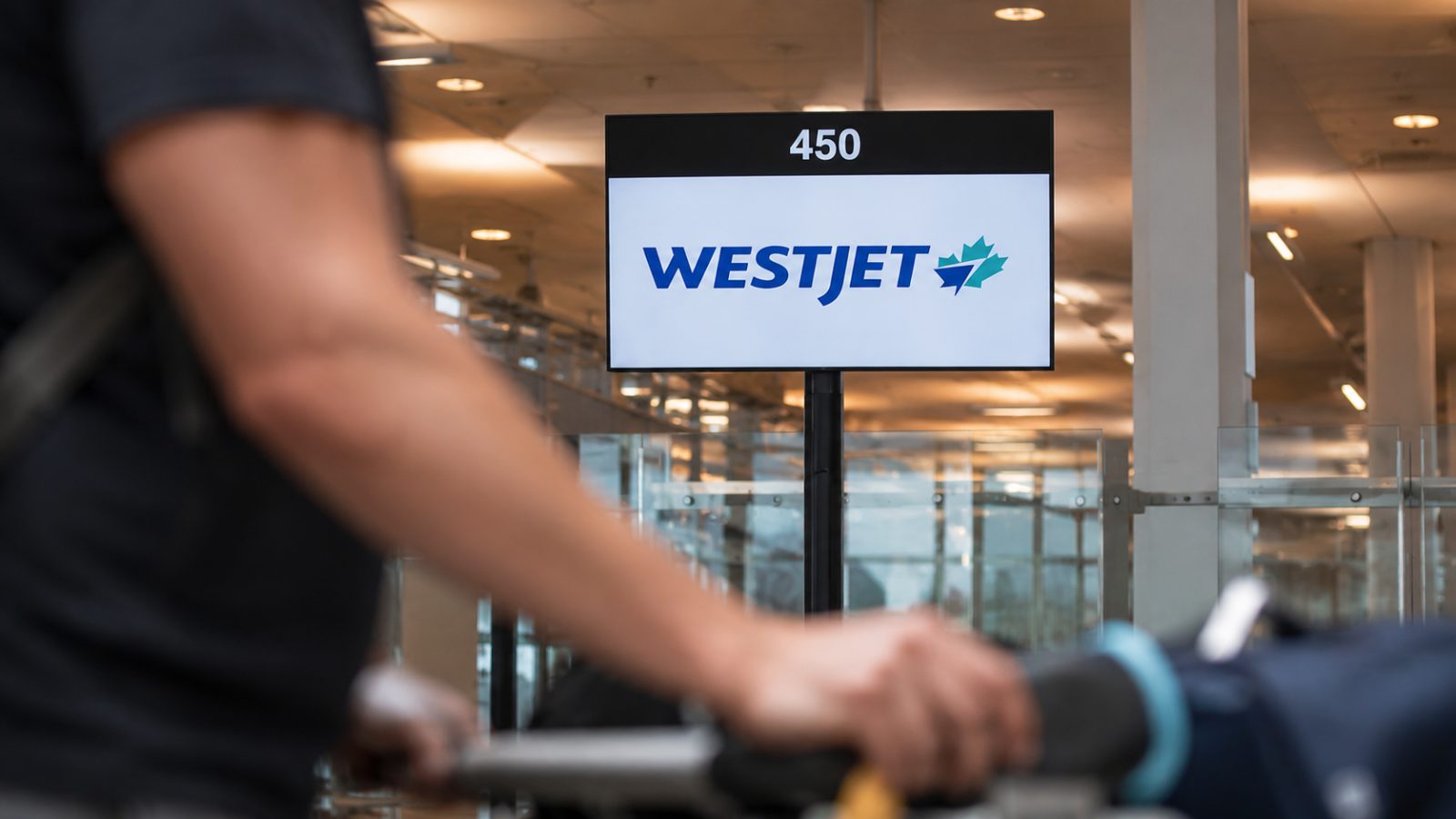
WestJet Flight Attendants Issue Strike Notice
The union representing WestJet flight attendants has issued a 72-hour strike notice, creating the possibility of a strike as early as 12:01 a.m. MT on Sunday, August 2, 2026.
Currently, negotiations are ongoing with the assistance of federal mediators. Two mediators were appointed to the dispute on July 13, 2026, followed by the appointment of a special mediator two days later.
Federal Options to Prevent Disruption
In response to the potential disruption, the federal government has several mechanisms it could use to intervene. The government could invoke Section 107 of the Canada Labour Code, which grants the power to take action to “maintain or secure industrial peace.” This section has been used frequently in recent years, including to prevent a strike by WestJet mechanics and to end disputes at major railways, ports, and Canada Post.
Additionally, the government has the option to recall Parliament to pass back-to-work legislation, a measure that has been used nearly 40 times since 1950 to end strikes by various essential workers.
Political Reaction Split Over Intervention
While the federal government has expressed its expectation that both sides will reach an agreement at the bargaining table, political reaction to potential intervention remains divided.
Conservative MP Kyle Seeback has stated that government intervention should be an “extraordinary measure” rather than a routine response, arguing that allowing the bargaining process to unfold without interference leads to more durable outcomes.
Conversely, the NDP has urged the government to refrain from intervening, with NDP MP Don Davies stating that collective bargaining should be protected from “unfair strikebreaking tactics.”

NATIONAL STORIES
Why Parliament is Re-examining Canada’s Capacity for Overseas Intelligence Gathering
Canadian parliamentarians are reviewing foreign intelligence capabilities as Ottawa prepares its first national security strategy in more than twenty years.

Parliamentary Review of Foreign Intelligence Begins
A parliamentary security panel composed of MPs and senators is reviewing the effectiveness of Canada’s overseas intelligence collection. The National Security and Intelligence Committee of Parliamentarians announced the investigation in a short statement in June, though its secretariat declined to share details on the timeframe, scope, or chair Darren Fisher.
Current Agencies and Legal Limits
Under existing mandates, the Canadian Security Intelligence Service (CSIS) gathers foreign intelligence strictly within Canadian borders and is limited to collecting security threat data abroad. Cyber intelligence overseas is gathered electronically by the Communications Security Establishment, while Global Affairs Canada contributes diplomatic reporting and the military collects defence intelligence.
According to a CSIS memo from last year, Canada’s demand for foreign intelligence could expand in an uncertain geopolitical climate. The memo noted that “Canada can only learn and act so much through its current collection and authorities, and has historically relied on allied partnerships for certain foreign intelligence reporting.”
National Strategy and Historical Debate
Proposals for a dedicated foreign intelligence agency have been considered since the end of the Second World War. Stephen Harper’s Conservatives pledged to build a foreign spy service in 2006 to collect intelligence overseas, though the agency was never established. Former ministerial adviser Goran Samuel Pesic noted that past governments hesitated due to advice from public servants and overall costs, arguing that “[t]o be an independent country, we must possess the tools of statecraft.”
The current committee review coincides with preparations by the Carney government to introduce the country’s first national security strategy in over twenty years. Briefing notes prepared in February for Public Safety Minister Gary Anandasangaree state the strategy will prioritize autonomy, resilience, and economic security to help the country adapt to international changes.
NATIONAL STORIES
How Canada’s Prime Minister Is Building Stronger Trans-Atlantic Ties Close to Home
PM Mark Carney meets French President Emmanuel Macron and Norwegian PM Jonas Gahr Store as Canada pursues closer ties with European partners.
Diplomatic Summits Near Newfoundland and Ottawa
Following a trip to Europe, Prime Minister Mark Carney is hosting bilateral discussions with key trans-Atlantic partners over a 48-hour span starting Sunday. Mr. Carney will travel to the French territory of Saint-Pierre and Miquelon, located off Newfoundland’s coast, to meet French President Emmanuel Macron on Sunday. Later that evening, Norwegian Prime Minister Jonas Gahr Store arrives in Ottawa for discussions.
Aligning Foreign Policy and Strategic Goals
The diplomatic visits follow Mr. Carney’s participation in European Commission President Ursula von der Leyen’s State of the Union address in Strasbourg, where Canada was invited to become the European Union’s first associate member. The following day, Mr. Carney presented a vision for a broader geopolitical alliance in an address to the European Parliament. Both France and Norway share a foreign policy focus on strategic autonomy. Mr. Store’s February address to the Oslo Security Conference echoed themes from Mr. Carney’s January speech in Davos regarding a rupture in the global order and the economic leverage exerted by major powers.
Broader Geopolitical Context and Challenges
While European leaders typically pass through Canada ahead of the annual United Nations General Assembly in New York, these talks highlight the central role Europe plays in Mr. Carney’s agenda. German Social Democrat MEP Tobias Cremer noted growing interest in partnering with Canada amid geopolitical pressures involving Russia, China, and the United States. However, domestic political shifts pose potential risks to the alliance strategy. Mr. Macron faces political pressure at home from far-right candidate Marine Le Pen ahead of the 2027 presidential election, reflecting broader gains by anti-EU forces across parts of Europe.
NATIONAL STORIES
What to Know Ahead of Alberta’s Oct. 19 Vote on a Separation Referendum
Albertans will vote Oct. 19 on whether to hold a future binding referendum on separating from Canada. Read the timeline of events leading to the ballot.
Upcoming Vote Targets Future Referendum
Voters across Alberta will cast ballots on Oct. 19 to determine if the province should conduct a future binding vote on leaving Canada. The scheduled ballot question follows decades of friction between federal authorities and the western province.
Decades of Tension with Ottawa
The history of western discontent includes the 1980 introduction of the federal National Energy Program, which capped domestic oil prices and faced strong opposition in Alberta. Political movements promoting separation saw brief momentum in 1982 when Western Canada Concept candidate Gordon Kesler captured a provincial byelection, though he lost his seat later that year. Unrest surfaced again in 2019 under Premier Jason Kenney, who campaigned against federal policies while opposing separation, and continued under Premier Danielle Smith, who won the provincial leadership in 2023 on a platform asserting Alberta’s independence while acknowledging separatist concerns.
Legal Battles and Recent Developments
Following Mark Carney’s federal Liberal election victory in April 2025, Premier Smith outlined plans to address citizen petitions regarding the province’s place in Confederation. Former deputy premier Thomas Lukaszuk gathered over 400,000 signatures on a pro-Canada petition in June 2025, which faced legislative delays, while a petition seeking independence organized by Mitch Sylvestre of the Alberta Prosperity Project garnered roughly 223,000 signatures by early 2026. In May 2026, an Alberta Court of King’s Bench judge struck down the separatist petition for failing to consult First Nations as constitutionally required. Citing that decision and the public interest shown in both petition campaigns, Premier Smith announced a 10th referendum question regarding a potential binding separation vote, adding to nine previously announced questions on immigration and constitutional matters.
Campaign Efforts and Fiscal Estimates
In September 2026, the provincial government initiated a $4-million ad campaign encouraging Albertans to vote to remain part of Canada, amid polling suggesting broad support for staying in Confederation. The ruling United Conservative Party subsequently lost a conservative stronghold byelection in Calgary-Shaw to the NDP, a defeat critics attributed to public dissatisfaction over the referendum issue, though Premier Smith’s office pointed to right-centre vote splitting. That same month, a government-commissioned report from the University of Calgary estimated the initial five-year cost of independence could range between $50 billion and $170 billion, depending on external economic conditions.
Your Current 3 Day Forecast — September 21, 2026
Why Parliament is Re-examining Canada’s Capacity for Overseas Intelligence Gathering

Internal Disputes Lead B.C. Conservative Leader Kerry-Lynne Findlay to Resign Ahead of By-Election

How West Kelowna Residents Can Explore Heartfulness Meditation and Community Peace

Unveiling event offers residents a first look at Kelowna’s future waterfront swim venue
Your Current 3 Day Forecast — September 20, 2026
Opinion: John Rustad Has to Go
B.C. Supreme Court Grants Cowichan Tribes Title to Historic Richmond Lands and Fishing Rights

A Taste of Autumn: Fall Okanagan Wine Festival 2025

Vancouver Canucks Gear Up for a Make-or-Break 2025–26 Season

Kamloops Blazers Announce Off-Season Changes Ahead of 2025–26 Season
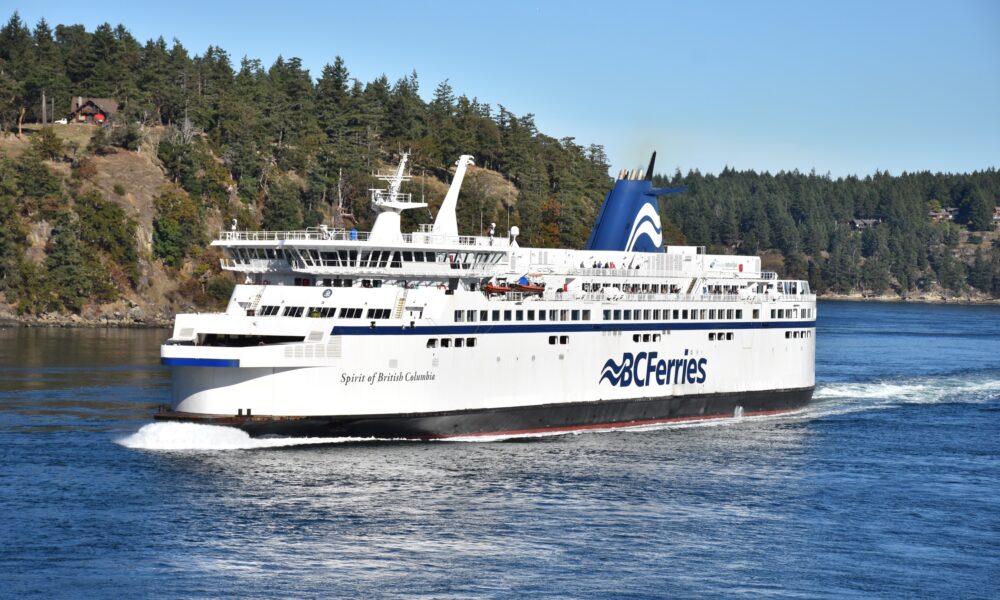
BC Ferries Sparks Outcry Over Contract with Chinese Shipyard
-
NATIONAL STORIES7 days ago
Remembering George Chuvalo: The Canadian Heavyweight Legend Who Never Got Knocked Down
-

 NATIONAL STORIES7 days ago
AI’s Biggest Warning May Be Coming From the People Building It
-

 COMMUNITY7 days ago
Navigating Blended Family Wills and Estate Options
-

 SPORTS7 days ago
How Video Adjustments Fuelled the Vancouver Canucks’ 5-2 Prospects Victory Over Seattle
-

 BC STORIES7 days ago
Uncertain Eyewitness Testimony at Center of Final Arguments in 2021 Restaurant Shooting Trial
-
NATIONAL STORIES2 days ago
What to Know Ahead of Alberta’s Oct. 19 Vote on a Separation Referendum
-

 NATIONAL STORIES7 days ago
Vancouver’s Last Bike Couriers Race to Survive the Digital Age
-

 POLITICS4 days ago
Why Conservative Slates Aren’t Materializing in Kamloops and Kelowna Elections